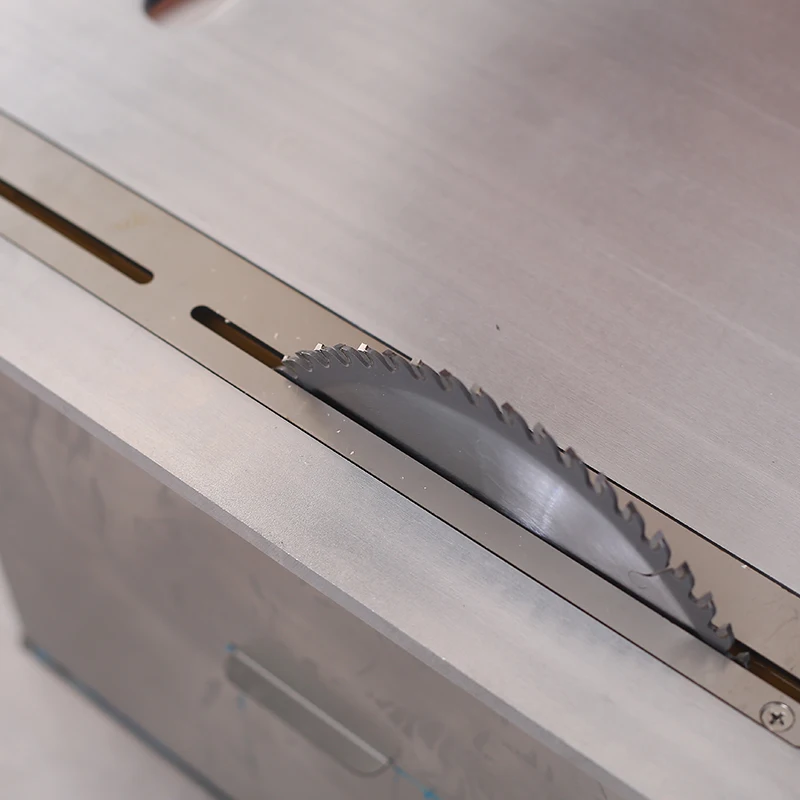
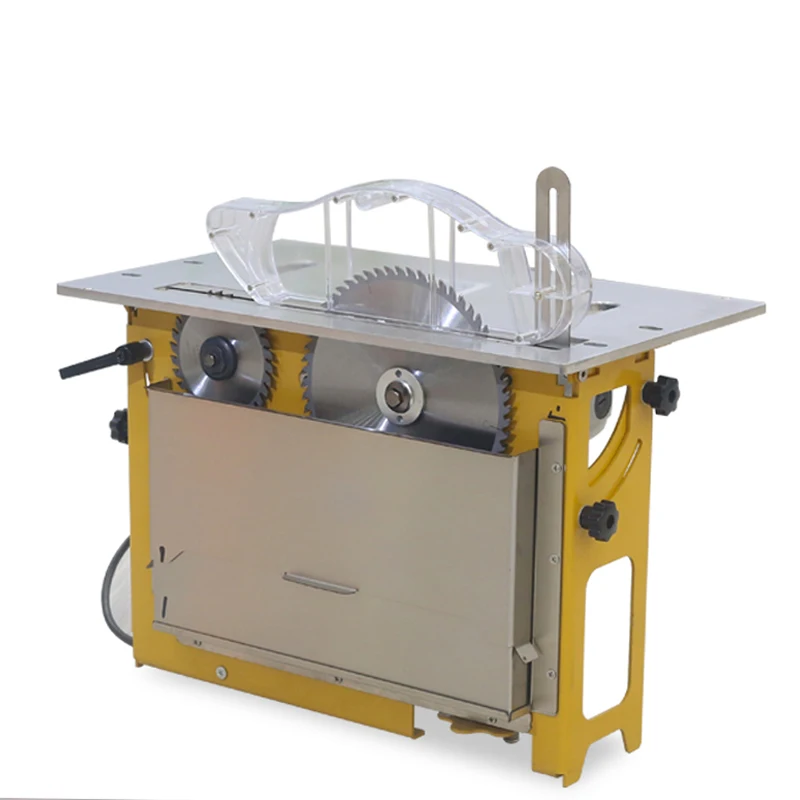
Description
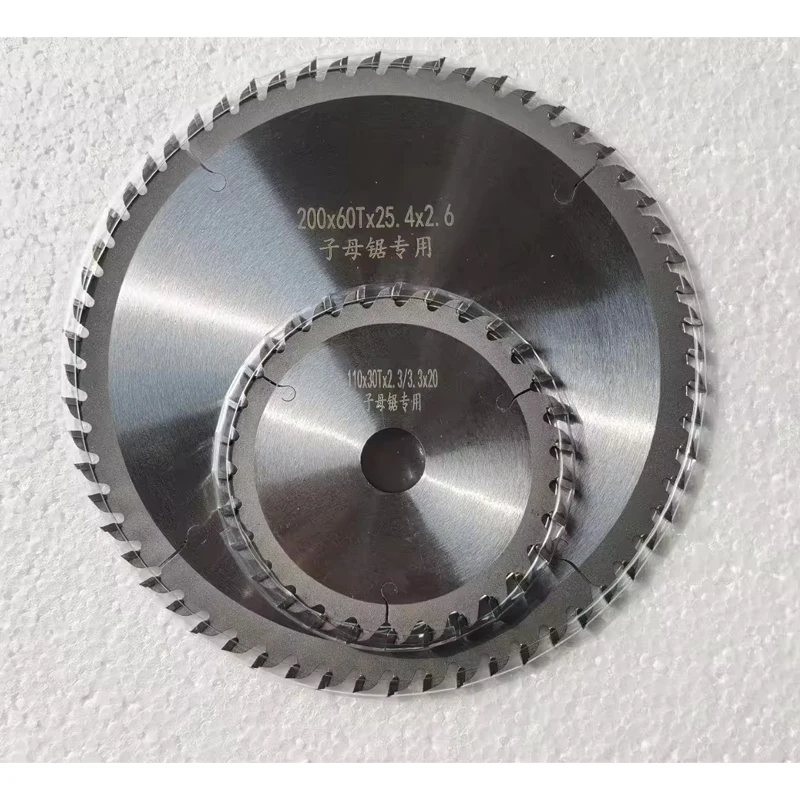
Rapid Blade Replenishment — stock inventory of dust-free mother saw blades enables single-unit dispatch without minimum order delays, keeping your panel saw running while replacement parts are in transit.
Technical Specifications
| Parameter | Value |
|---|---|
| Product Type | Dust Free Mother Saw Blade |
| Compatible Machine Type | Mother saw / sliding table saw / panel saw |
| Application Material | MDF, particleboard, plywood, solid wood panels |
| Edge Quality Tolerance | Designed to support ±0.02mm cutting precision on compatible saws |
| Dispatch Status | In stock for immediate single-unit or bulk order |
Application Suitability
| Application | Material or Output |
|---|---|
| Custom furniture panel dimensioning | MDF and particleboard for cabinet carcasses |
| Plywood sizing for joinery assemblies | Plywood sheets requiring chip-free edges |
| Solid wood panel crosscutting | Solid wood panels for tabletops and shelving |
| High-volume workshop blade rotation | Daily production environments requiring frequent blade changes |
Why the Dust-Free Claim Matters for MDF Edges
Clean cuts on MDF demand more than a sharp edge — the tooth geometry must actively manage dust at the point of contact.
Operators cutting MDF and particleboard daily know the frustration of visible chipping along the cut line, especially when the Dust Free Mother Saw Blade in stock is swapped in after a long production run on abrasive substrates. The dust-reduced cutting geometry is engineered to clear fine particulate away from the kerf, preventing re-deposition that causes edge tear-out. When fine MDF dust packs into the cut path, it creates friction heat that dulls carbide tips faster and leaves a burnt, ragged edge that requires secondary sanding. [NEED_CITE: MDF dust extraction requirements for panel saw operations]
Stock Availability and Single-Unit Ordering
Workshops running sliding table saws on tight production schedules cannot afford multi-week lead times for replacement blades. The Dust Free Mother Saw Blade in stock inventory means single-unit orders are processed and dispatched without batching delays. This approach suits cabinet makers and furniture factories that consume blades at a steady rate and need fast replenishment to maintain edge quality on MDF and particleboard panels.
Dispatch Lead Time and Shipping Transparency
When a scoring or mother blade fails mid-shift, the priority is getting a replacement installed before the next production run begins. Ready-stock blade orders are prepared for shipment with lead times quoted upfront at the point of order. Shipping options are presented based on destination region, so workshops in Latin America, Southeast Asia, or Eastern Europe can select the fastest viable route without navigating freight forwarder variables after the purchase is confirmed. [NEED_CITE: international shipping standards for industrial cutting consumables]
Tooth Geometry and Substrate Compatibility
The cutting performance of a mother saw blade depends on how its tooth profile interacts with the substrate density and resin content. MDF and particleboard generate fine, abrasive dust that requires adequate gullet depth to clear the kerf efficiently. Plywood presents alternating grain directions that demand a tooth grind capable of shearing cross-grain fibers without splintering the veneer face. Solid wood panels introduce variable density and resin pockets that test the blade’s heat dissipation. The dust-reduced geometry addresses these variables by optimizing chip ejection across all four material types listed in the application scope.
The Hidden Cost of Running a Worn Mother Blade
A mother blade that has lost its edge does not just produce poor cuts — it transfers excess load to the scoring blade and the saw’s drive motor. Operators often compensate by reducing feed speed, which lowers throughput and increases per-panel cutting cost. Worse, a dull blade generating heat can cause delamination on melamine-faced particleboard, creating reject panels that waste material and delay order fulfillment. [NEED_CITE: cutting tool wear impact on panel edge delamination]
Why Source Blades Through This Channel
The blade inventory is maintained alongside the machinery it serves, meaning technical compatibility is verified against the sliding table saw and panel saw models in the product range. Pre-shipment inspection records accompany each order, documenting tooth condition and arbor fit before dispatch. Voltage and language customization apply to the machinery side, but the blade supply chain benefits from the same four-stage QC protocol that covers incoming material verification and finished product checks. Engineer-led configuration support extends to recommending blade type based on your primary substrate mix and daily cut volume.
Documentation & Verification
- Factory test record confirming tooth geometry and arbor bore dimensions before dispatch
- Material composition certificate for carbide tips and blade body steel grade
- Packaging photographs showing blade protection and labeling for customs clearance
- Operation and safety guidance sheet in the agreed language for blade changeover procedures
Installation, Commissioning & Support
- Arbor bore size verified against your sliding table saw model to prevent fit issues
- Blade runout checked on compatible panel saw configurations during pre-shipment testing
- Tooth orientation and rotation direction marked clearly for operator safety during installation
- Spare blade storage guidance provided to prevent carbide tip damage in workshop conditions
- Replacement cycle recommendations based on your primary substrate and daily cut volume
Inquiry Guidance for Blade Orders
Provide your sliding table saw or panel saw model designation along with the current blade diameter and bore size to confirm compatibility. Specify your primary cutting material — whether MDF, particleboard, plywood, or solid wood — and your average daily panel count so blade quantity recommendations match your consumption rate. Confirm your destination port or address for accurate shipping lead time quotation.
Frequently Asked Questions
Q: How do I confirm the blade diameter and bore size before ordering?
A: Measure your current blade or check the nameplate on your sliding table saw or panel saw. Provide the machine model designation and we cross-reference the arbor specifications against stock inventory. Mismatched bore sizes cause vibration and premature wear, so verification is completed before any Dust Free Mother Saw Blade in stock is released for shipment.
Q: Which panel materials is this blade optimized for?
A: The dust-reduced tooth geometry is designed for MDF, particleboard, plywood, and solid wood panels. Each substrate generates different chip sizes and heat profiles. MDF and particleboard produce fine abrasive dust requiring deep gullets, while plywood cross-grain fibers demand specific grind angles. The blade covers all four within its application scope.
Q: Can I order a single blade or is there a minimum quantity?
A: Single-unit orders are accepted from ready-stock inventory. There is no minimum order quantity requirement, which suits workshops replacing one worn blade or cabinet makers testing the cutting performance on their specific saw model before committing to bulk replenishment orders.
Q: What is the dispatch lead time for stock blades?
A: Orders placed against in-stock inventory are prepared for dispatch within standard processing windows. Exact shipping timelines depend on destination region and selected freight method. Lead times are quoted at the point of order confirmation so you can plan blade changeover around your production schedule without guessing at transit durations.