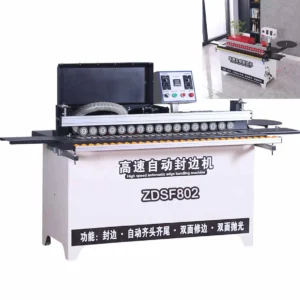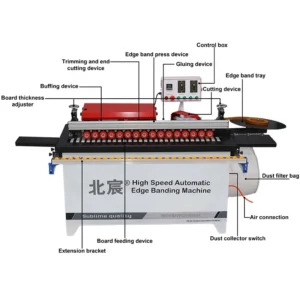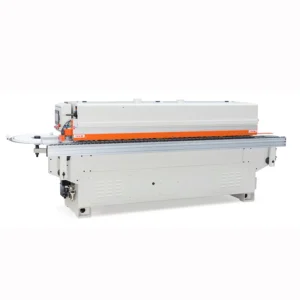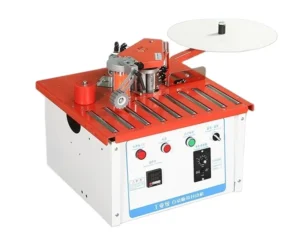
Description
Voltage-first dispatch — every ZDSJCX-880S leaves the warehouse only after local power supply compatibility is confirmed, preventing the kind of three-week inverter delay I once saw strand a line in Chile.
Technical Specifications
| Parameter | Value |
|---|---|
| Model | ZDSJCX-880S |
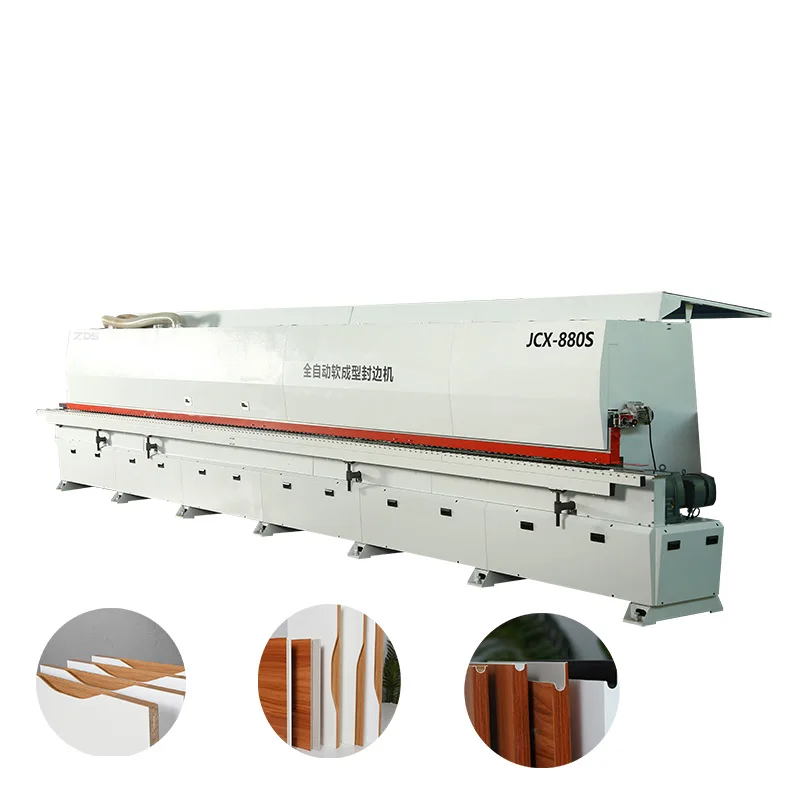
| Product Type | J C Shape Edge Banding Machine |
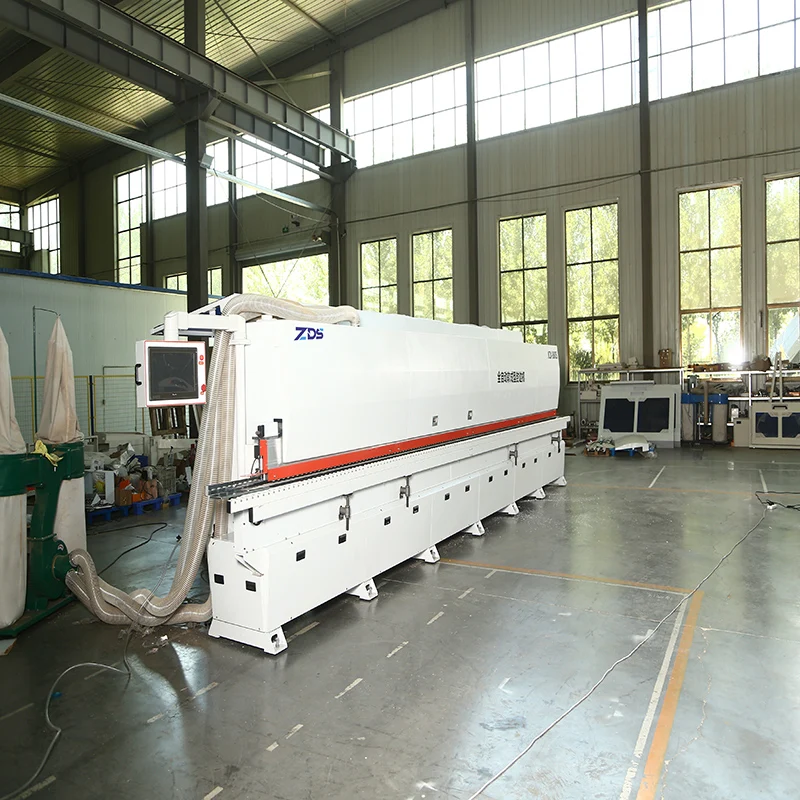
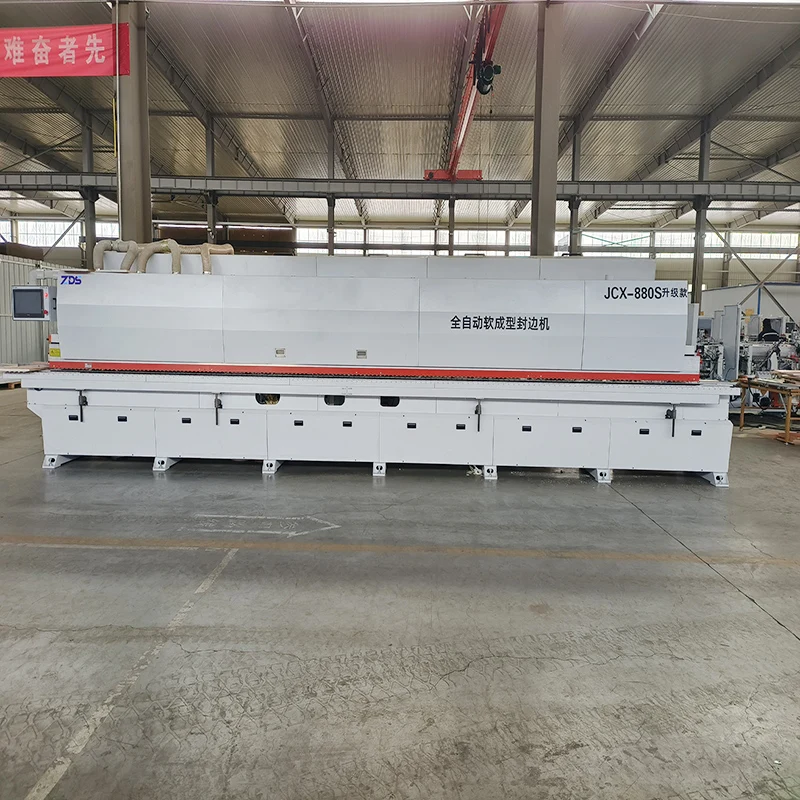
| Overall Dimensions (L×W×H) | 8.82 × 1.07 × 1.85 m |
| Total Weight | 3200 kg |
| Total Power | 47.1 kW |
| Voltage | 380V (configurable from 110V to 440V on request) |
| Pneumatic Pressure | 0.6–0.8 MPa |
| Vacuum Opening Size | Ф100 × 6 |
| Panel Thickness Range | 18–22 mm |
| Edge Banding Thickness | 0.5–0.8 mm |
| Edge Banding Width | 58 mm |
| Minimum Sheet Width | 150 mm |
| Minimum Sheet Length | 300 mm |
| Conveying Speed | 6–8 m/min |
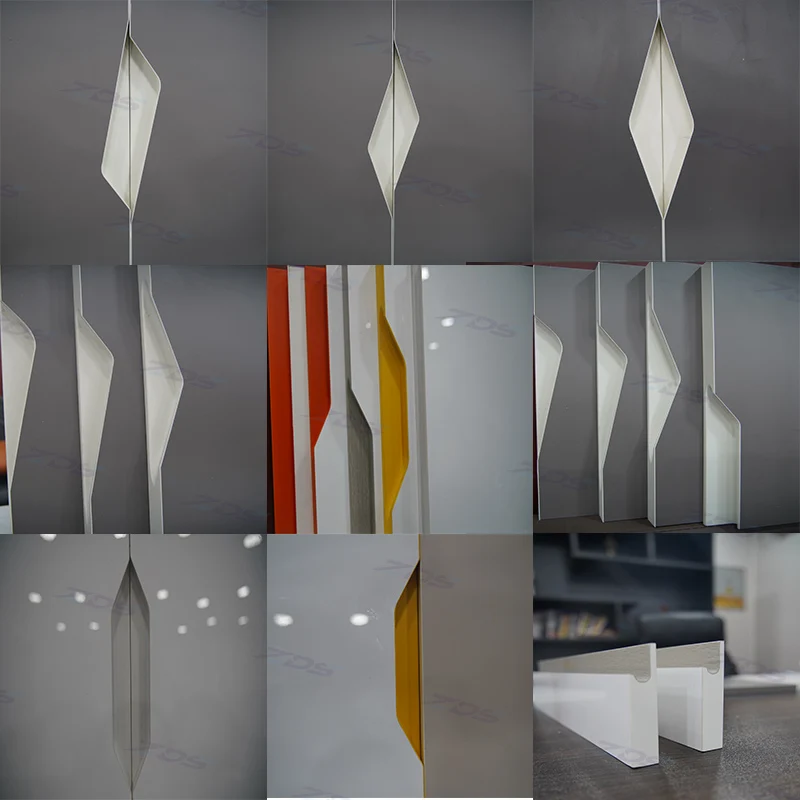
| Machining Shapes | J type, C type, oblique straight, left/right semi-pass, water drop, rhombus, triangle (15+ types) |
| Delivery Time | 25–30 days (basis to be confirmed) |
| Warranty | 1 year |
| Payment Terms | TT, LC, PayPal, Escrow, Western Union |
Application Suitability
| Application | Material or Output |
|---|---|
| Custom cabinet door profiling | MDF and plywood panels with 0.5–0.8 mm PVC or veneer edge banding |
| Curved furniture component finishing | Particleboard shaped panels requiring J-shape or C-shape edge profiles |
| Small-batch shaped panel production | Solid wood panels with water drop, rhombus, or triangle contour banding |
| Workshop upgrade from manual edging | Standard 18–22 mm furniture board transitioning to automated multi-profile processing |
Why Voltage Confirmation Must Precede the Order
A J C Shape Edge Banding Machine in stock ships fast, but speed means nothing if the electrical cabinet does not match the local grid. Every dispatch must verify voltage and frequency before the crate is sealed.
I watched a workshop in Chile sit idle for three weeks because an edge bander arrived configured for 380V/50Hz when the facility ran on 220V/60Hz. The variable-frequency drive had to be sourced internationally while the entire edging line stood still, operators on standby, orders piling up. That kind of mismatch is entirely preventable at the quotation stage [NEED_CITE: voltage and frequency standards by export market].
Stock Availability and Dispatch Timing
The ZDSJCX-880S is held in ready-to-ship inventory, meaning configuration verification and pre-dispatch testing can begin immediately upon order confirmation. Lead time runs 25–30 days depending on final specification adjustments, and single-unit orders ship without waiting for a production batch to fill.
For buyers evaluating a J C Shape Edge Banding Machine in stock, the advantage is straightforward: no waiting for a manufacturing slot to open, and the machine arrives tested on panel thicknesses within your specified 18–22 mm range.
Ordering Process and Voltage Lock-In
Before any stock unit is released for crating, the engineering team confirms the buyer’s local voltage, frequency, and plug standard. This step prevents the exact scenario I encountered in Latin America, where an unchecked default voltage turned a quick installation into a multi-week delay [NEED_CITE: CE machinery directive requirements for industrial equipment].
Control panel language is also set during this confirmation phase. Operators need to read the interface in their working language from day one, and multilingual panels are configured before shipment rather than patched in after arrival. The J C Shape Edge Banding Machine in stock is then run through a pre-shipment test cycle on the buyer’s material type.
How Shape Versatility and Feed Speed Intersect on the Shop Floor
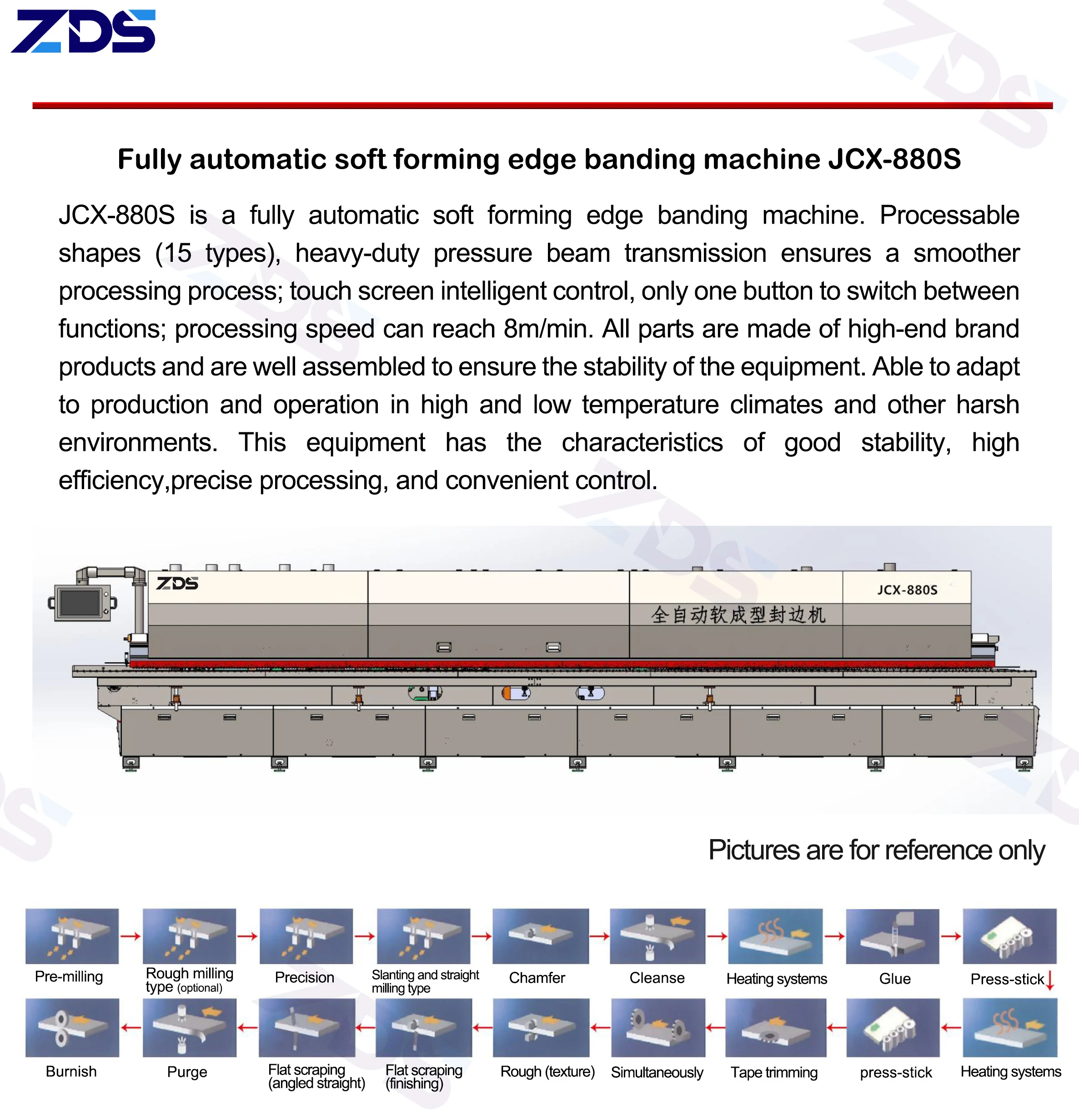
The ZDSJCX-880S handles more than 15 distinct edge profiles, including J and C shapes, oblique straight, semi-pass, water drop, rhombus, and triangle contours. This range eliminates the need for multiple dedicated machines when a workshop produces varied custom cabinet components. Switching between profiles involves adjusting the shaping heads, and the conveying speed holds at 6–8 m/min across the full profile range.
The 0.5–0.8 mm edge banding thickness window covers standard PVC and veneer materials used in custom furniture. Banding width reaches 58 mm, accommodating the wider strips sometimes required for visible curved edges on cabinet doors. Panel thickness acceptance at 18–22 mm aligns with the most common furniture board specifications, while the minimum sheet dimensions of 150 × 300 mm allow small offcut pieces to be processed without manual holding.
The six vacuum openings at Ф100 each provide consistent hold-down across curved and straight panel sections, which matters because shaped profiles demand stable workpiece registration to maintain edge quality. A dust extraction system connected to these openings keeps the profiling zone clear of debris that could mar the banding surface.
The Hidden Cost of Skipping Pre-Shipment Verification
Machines that arrive with unverified tolerances reveal the problem only during assembly, when edged panels refuse to fit into carcass slots. Shape profiles cut slightly off-spec accumulate errors across a batch, and the rework time compounds quickly.
I have seen workshops discover edge banding adhesion failures weeks after installation because the glue pot temperature was never validated against their specific PVC thickness. By then, hundreds of panels had already passed through and required re-edging, costing more in wasted banding material and labor than a proper factory test would have taken [NEED_CITE: edge banding adhesion testing standards for MDF and plywood].
What Makes Procurement Through This Channel Reliable
In-house manufacturing with proprietary cutting mechanisms means the ZDSJCX-880S carries verified tolerance data rather than claimed specifications. Each unit passes through four-stage quality control covering incoming material inspection, in-process checks, finished product verification, and a pre-shipment test run.
Voltage, language, and specification customization are treated as standard procedure, not special requests. Configuration recommendations come from engineers rather than catalog pickers, and formal quotations arrive within 24 hours. Factory visits are available for buyers who want to see their specific panel material run through the machine before committing.
Documentation & Verification
- CE declaration of conformity matching the ZDSJCX-880S electrical and mechanical configuration
- Factory test record using your specified panel thickness and edge banding material
- Machine specification sheet with confirmed voltage, frequency, and control language
- Electrical schematic for local electrician reference during installation
- Operation and maintenance manual in your agreed language with shape-changeover procedures
- Spare parts list identifying wear items for first-year maintenance planning
Installation, Commissioning & Support
- Foundation must support 3200 kg static load across the 8.82 m machine length with level anchors
- Dedicated 47.1 kW circuit required at confirmed voltage and frequency with independent breaker
- Machine ships partially assembled with video-guided final assembly for local technician completion
- First power-on includes parameter calibration for your specific 18–22 mm panel range
- Operator training covers all 15+ profile changeover procedures and glue pot temperature settings
- Recommended spare wear parts shipped alongside the unit to cover initial production period
Requesting a Configuration Quote
To move from catalog browsing to a firm quotation, share your local voltage and frequency, the primary panel materials you process, and which edge profiles from the 15+ range you will use most often. If you have existing upstream saws or downstream boring machines, note their feed heights so the ZDSJCX-880S can be matched for seamless line flow.
Frequently Asked Questions
Q: How is the exact configuration confirmed before a stock unit ships?
A: Once you provide local voltage, frequency, and preferred control language, the engineering team locks those parameters into the quotation. The ZDSJCX-880S then undergoes a pre-shipment test on material matching your panel thickness range. A test record with verified results is shared for your review before crating begins.
Q: Will 380V standard configuration work in markets with different grid standards?
A: The ZDSJCX-880S is configurable across a 110V to 440V range. Confirming your facility’s exact voltage and frequency at the inquiry stage ensures the electrical cabinet is built to match. This prevents the kind of post-arrival delay caused by incompatible power components.
Q: How complex is switching between J-shape, C-shape, and other profiles?
A: Profile changeover involves repositioning the shaping heads and adjusting feed guides. The operation manual provided in your language covers each of the 15+ profile setups step by step. Most trained operators complete changeovers within a single shift once familiar with the procedure.
Q: What does single-unit shipping look like for international buyers?
A: A single ZDSJCX-880S ships in standard container freight with partial assembly to reduce crate volume. Shipping options are quoted at the order stage based on your destination port. The 25–30 day delivery window accounts for final configuration and pre-shipment testing before dispatch.
Q: Which spare parts should be ordered with the initial machine purchase?
A: The included spare parts list identifies wear-prone components such as shaping cutters, pressure rollers, and glue pot seals. A first-batch recommendation based on your expected daily operating hours is provided alongside the quotation so you can budget accordingly.