Description
Ready-Stock Dispatch — Voltage, plug type, and edge material are confirmed in writing before the DW400 crate leaves our Shandong warehouse, avoiding the on-site failures we see when machines ship on assumptions.
Technical Specifications
| Parameter | Value |
|---|---|
| Model | DW400 |
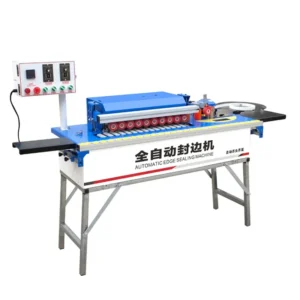
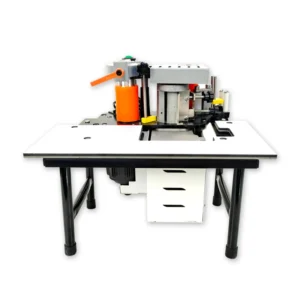
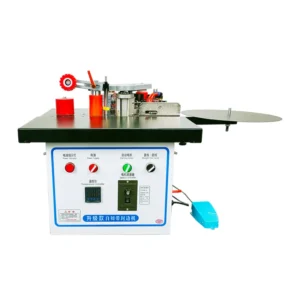
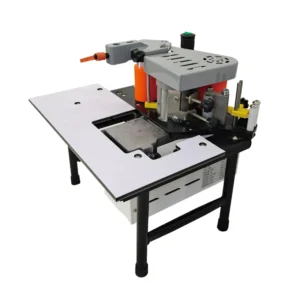
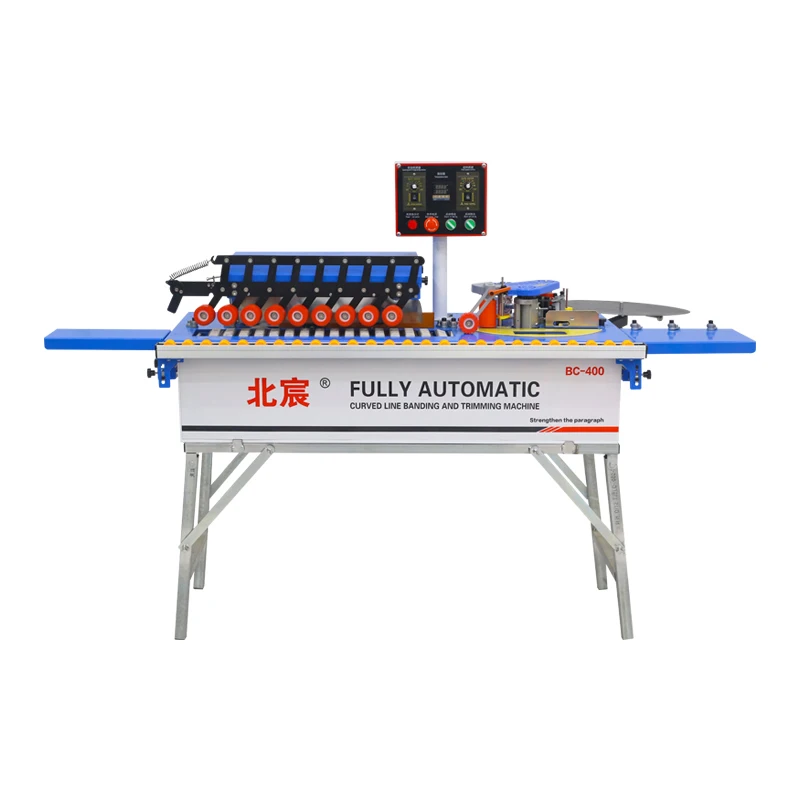
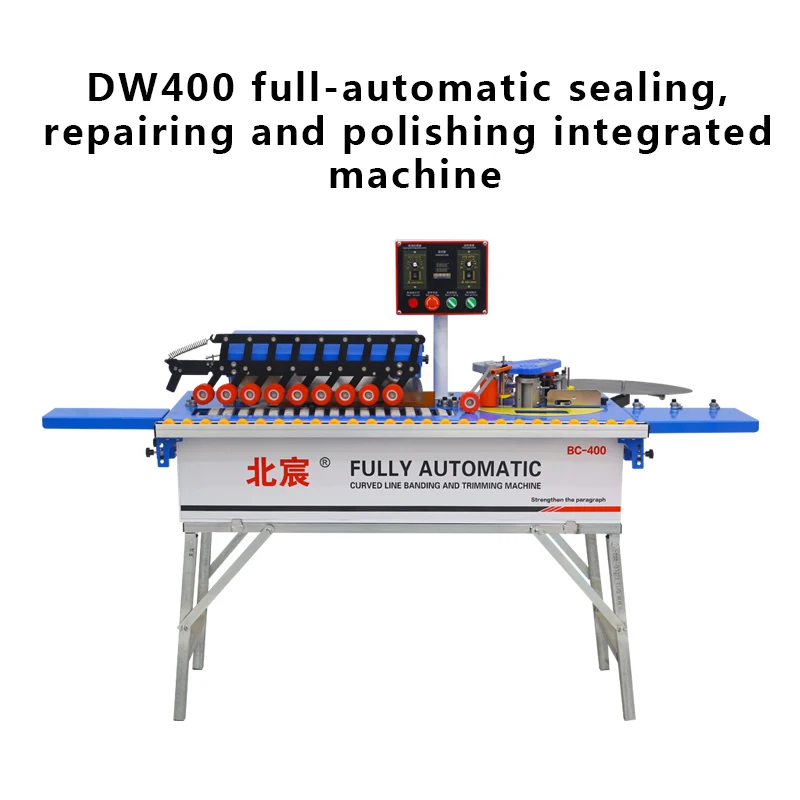
| Product Type | Economical Edge Banding Machine |
| Total Power | 3800W |
| Voltage Options | 220V / 380V / customization |
| Edge Banding Thickness | 0.3–3 mm |
| Edge Banding Height | 0–50 mm |
| Minimum Sheet Length | 250 mm |
| Minimum Sheet Width | 100 mm |
| Glue Pot Capacity | 1000 ml |
| Trimming Power | 650W × 2 stations |
| Polishing Power | 180W × 2 stations |
| Vacuum Power | 1200W |
| Air Source Pressure | 0.5–0.8 MPa |
| Product Size | 1160 × 470 × 690 mm |
| Net Weight | 70 kg |
Application Suitability
| Application | Material or Output |
|---|---|
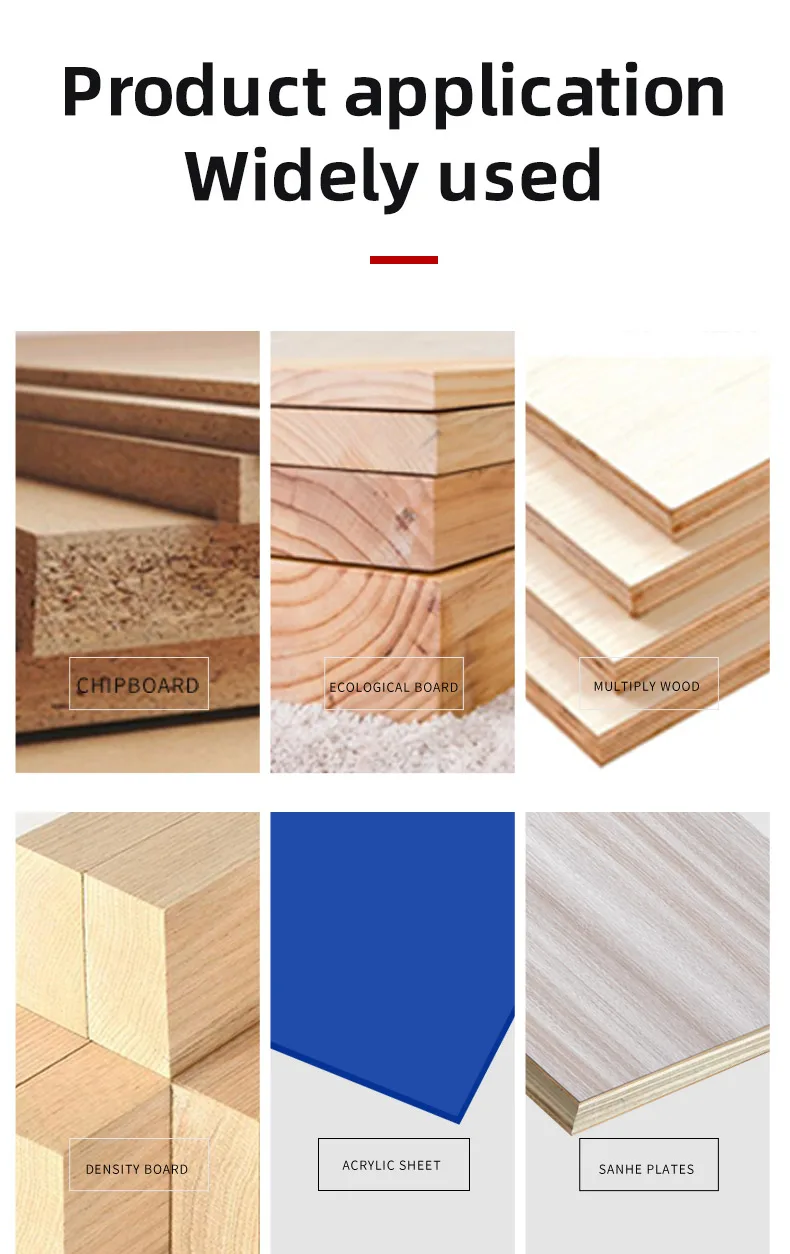
| Cabinet door edge finishing | MDF and particleboard with 0.4–2 mm PVC strips |
| Small-batch custom furniture | Plywood panels with pre-glued or unglued veneer |
| Joinery workshop backup unit | Solid wood edging on blockboard shelves and carcasses |
| Polymer door profile banding | PVC and composite door components up to 50 mm height |
Why the Voltage Question Must Precede the Shipping Label
Every DW400 Economical Edge Banding Machine in stock is held until voltage, frequency, and plug type are confirmed in writing against the buyer’s local supply.
I spent years on the assembly floor before moving into dispatch, and the fastest way to ruin a new machine’s first week is plugging a 380V motor into a 220V single-phase outlet. The DW400 ships from our ready-stock pool, but we never let availability override electrical verification. A joinery startup in Southeast Asia once received a comparable unit from another supplier wired for 50 Hz while their grid runs 60 Hz; the feed motor overheated within hours [NEED_CITE: voltage and frequency standards by export market]. That is why our dispatch checklist treats the nameplate photo as the final gate before the crate is sealed.
Dispatch Sequence Built Around a Single-Unit Order
Ordering a single Economical Edge Banding Machine in stock should not mean accepting whatever configuration happens to be on the pallet. Once the purchase order lands, our team locks the voltage setting, runs a test panel matching the buyer’s edge material, and photographs the glue line, trim, and polish result before crating. This sequence adds a short hold to the shipping timeline but prevents the three-day commissioning standoffs I used to get called in to fix.
How Ready Stock Actually Works on the Floor
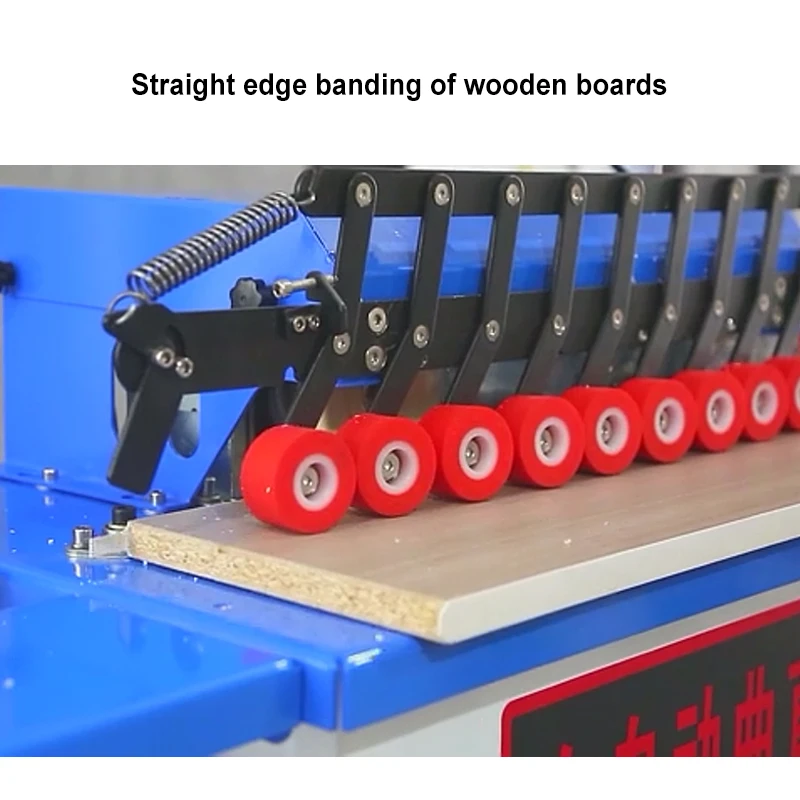
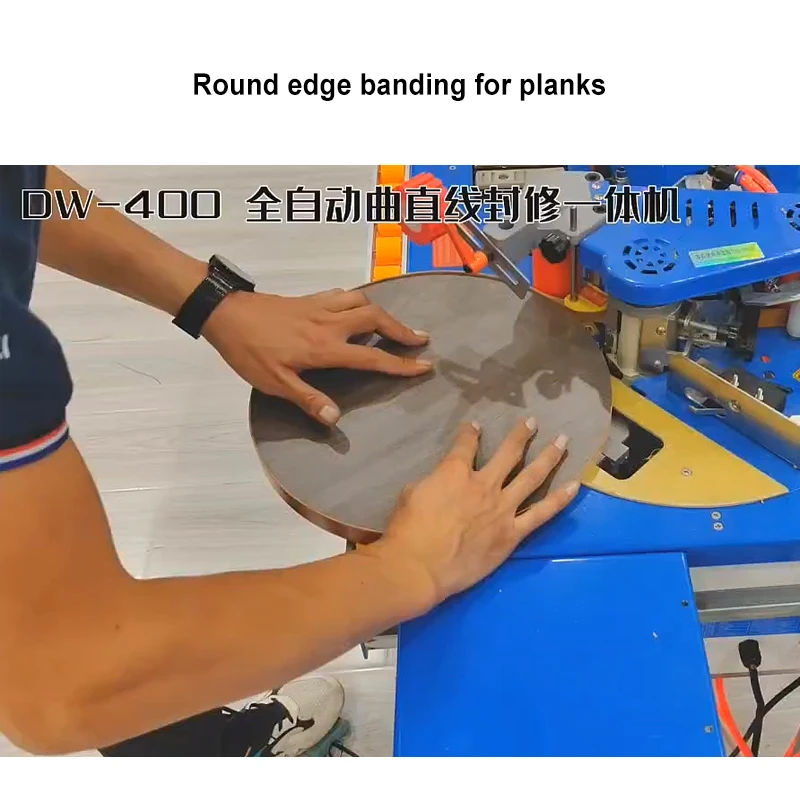
Stock does not mean static. Each DW400 sitting in our Ningjin warehouse has been powered on at least once since the last production run to confirm the 1000 ml glue pot heats evenly and the dual 650W trimming motors start without vibration. When a buyer needs an entry-level edge bander shipped fast, the unit they receive has already proven its straight banding, trimming, and polishing cycle on a standard MDF test piece [NEED_CITE: CE machinery directive requirements for industrial equipment].
Reading the Spec Sheet Against Your Panel Reality
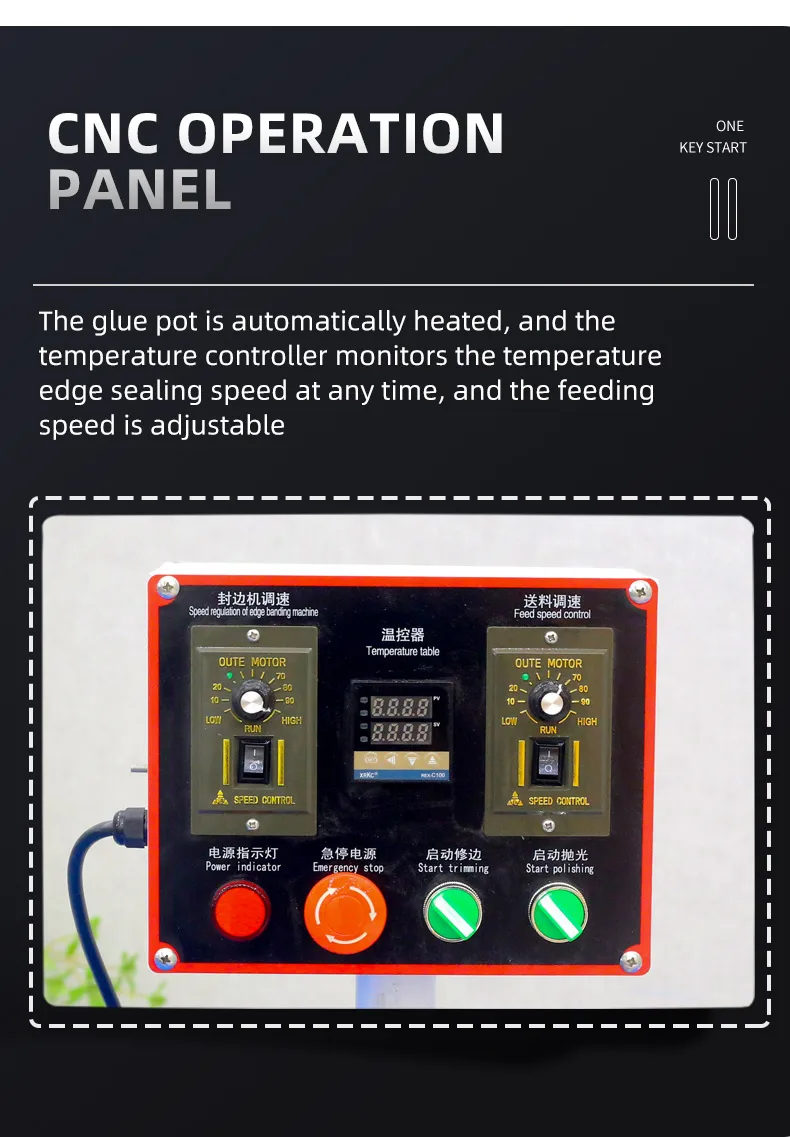
The 0.3–3 mm edge thickness range covers most PVC and veneer strips a small cabinet shop will use, but the glue pot temperature window matters just as much. Solid wood veneer demands a lower melt temperature than thick PVC, and the DW400’s heater must be set accordingly before the first panel enters. The 250 mm minimum sheet length keeps narrow cabinet end panels feedable, while the 100 mm minimum width ensures the pressure rollers maintain grip on small drawer components. Air pressure between 0.5 and 0.8 MPa must be stable; fluctuations cause the trimming cylinder to chatter and leave witness marks on the workpiece edge.
The Cost of Skipping Material Confirmation
I once watched a customer spend three days recalibrating a machine that had been test-run only on standard PVC, while their actual production used veneer strips requiring different glue temperature and feed pressure. The panels arrived at their assembly bench with lifted edges, and the trimming cutters had to be repositioned for the thinner material. When buyers skip the sample-processing step and go straight to shipment, that hidden tuning cost lands squarely on their shop floor [NEED_CITE: edge banding adhesion failure causes on mixed substrate runs].
Why Buyers Order the DW400 from This Warehouse
The 70 kg footprint means one operator can reposition the unit without a forklift, so workshops placing it between a panel saw and a boring station do not need to redesign their floor layout. Voltage confirmation before dispatch eliminates the dead-on-arrival scenarios that plague cross-border machinery trades. The single-unit order policy removes the pressure to commit to a full line before testing the concept. Pre-shipment test records with photos give the buyer’s production manager something concrete to review before the container is sealed. Engineer-led configuration notes travel with the crate, not buried in a follow-up email weeks later.
Documentation & Verification
- Factory test record showing trim and polish result on your specified edge material
- Electrical schematic confirming voltage, frequency, and plug type for your region
- Operation manual translated into the language your operator reads
- Spare parts list with consumable glue roller and scraper part numbers
- Packing photographs of crate interior taken before the lid is nailed shut
Installation, Commissioning & Support
- Floor space of 1160 × 470 mm plus operator clearance on the feed side
- Dedicated circuit matching confirmed 220V or 380V supply with earth bond
- Air line rated to 0.8 MPa connected to the onboard regulator before first power-on
- Glue pot initial heat-up cycle run empty to verify thermostat response
- Trimming cutter offset adjusted to your actual panel thickness during commissioning
- Consumable scraper and buffing wheel included for first-month replacement
What to Include with Your Inquiry
Send us your panel material, typical edge strip type and thickness, and the voltage available at the intended workstation. If your shop runs a mix of PVC and veneer, let us know the approximate weekly ratio so we can set the glue pot parameters and run both materials during the pre-shipment test. Mentioning your daily panel count helps us confirm whether the DW400’s throughput aligns with your schedule or whether a higher-tier model is warranted.
Frequently Asked Questions
Q: What is the dispatch lead time for a single-unit order?
A: Once voltage and edge material are confirmed, we run a test panel and prepare crating within a short window. The exact dispatch date depends on current stock rotation and the buyer’s confirmation speed. We quote the shipping date in writing after the test record is approved, rather than promising a fixed number of days that may not hold during peak order periods.
Q: Can I confirm voltage and plug type before the machine ships?
A: Yes, and we require it. The DW400 supports 220V, 380V, or custom configurations. We send a nameplate photograph showing the locked-in voltage and plug type before the crate is sealed, so the buyer’s electrician can prepare the receiving end in advance.
Q: Is a sample processing test available before I commit to the order?
A: We run a sample panel using the buyer’s specified edge material and thickness before dispatch. Photos of the glue line, trim cut, and polished edge are shared for approval. This step is standard for every Economical Edge Banding Machine in stock that leaves our warehouse.
Q: What spare parts ship in the box and how do I reorder consumables?
A: The crate includes buffing wheels, scrapers, and a glue roller set sufficient for initial operation. The spare parts list packed with the manual contains part numbers for each consumable. Reorders can be placed by referencing these numbers along with the machine serial plate.
Q: How does this model’s throughput match a small workshop’s daily panel volume?
A: The DW400 is designed for entry-level and small-batch production where panels are fed individually rather than on a continuous line. Workshops processing moderate daily volumes of cabinet components and furniture panels find the single-operator workflow practical. For sustained high-volume runs, we recommend evaluating higher-tier models in our range.