Description
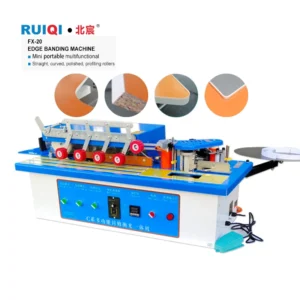
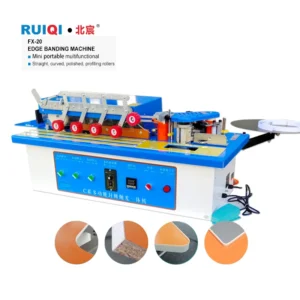
Dispatch-Ready Configuration — every FX-20 portable edge banding machine in stock ships with voltage, frequency, and plug type verified against your site’s electrical standard before crating.
Technical Specifications
| Parameter | Value |
|---|---|
| Model | FX-20 |
| Product Type | Portable Edge Banding Machine |
| Total Power | 2500 W |
| Voltage Options | 220V / 380V / customized to destination |
| Control System | Manual push plate operation |
| Edge Banding Height | 0–50 mm |
| Edge Banding Thickness | 0.3–3 mm |
| Minimum Sheet Length | 25 cm |
| Minimum Sheet Width | 10 cm |
| Edge Feed Power | 20 W |
| Trimming Power | 650 W × 2 |
| Polishing Power | 180 W × 2 |
| Air Source Pressure | 0.5–0.8 MPa |
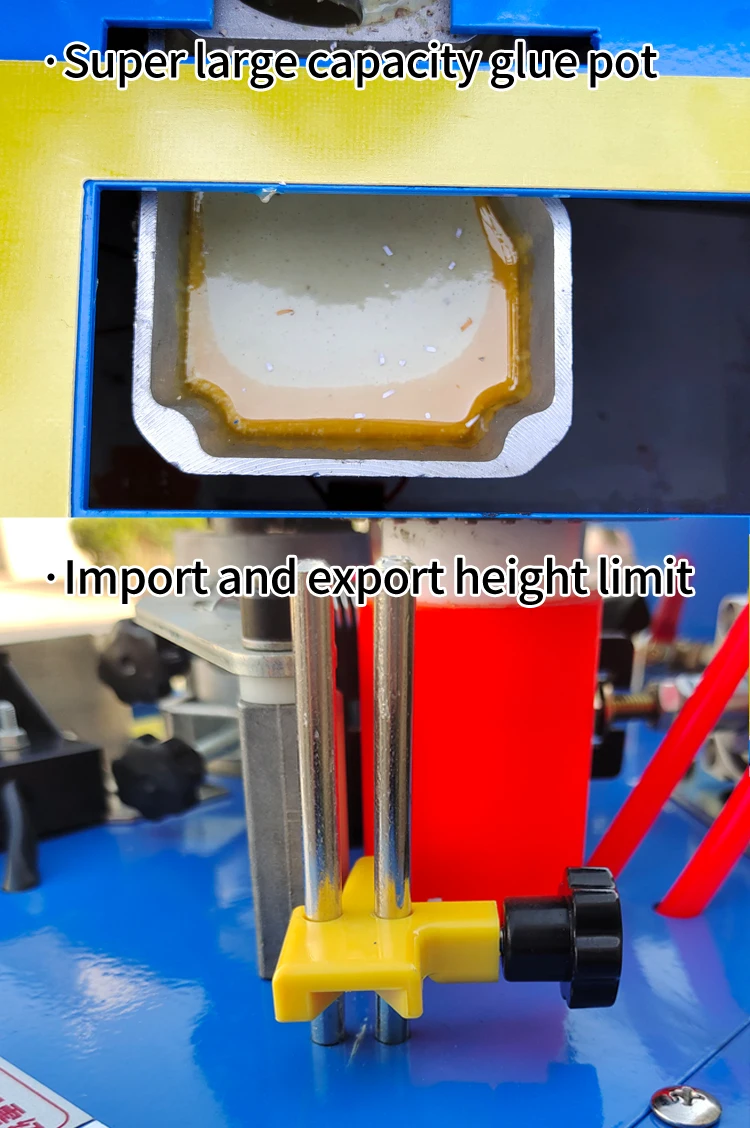
| Glue Pot Capacity | 1000 ml |
| Overall Dimensions (L×W×H) | 100 × 46 × 41 cm |
| Net Weight | 44 kg |
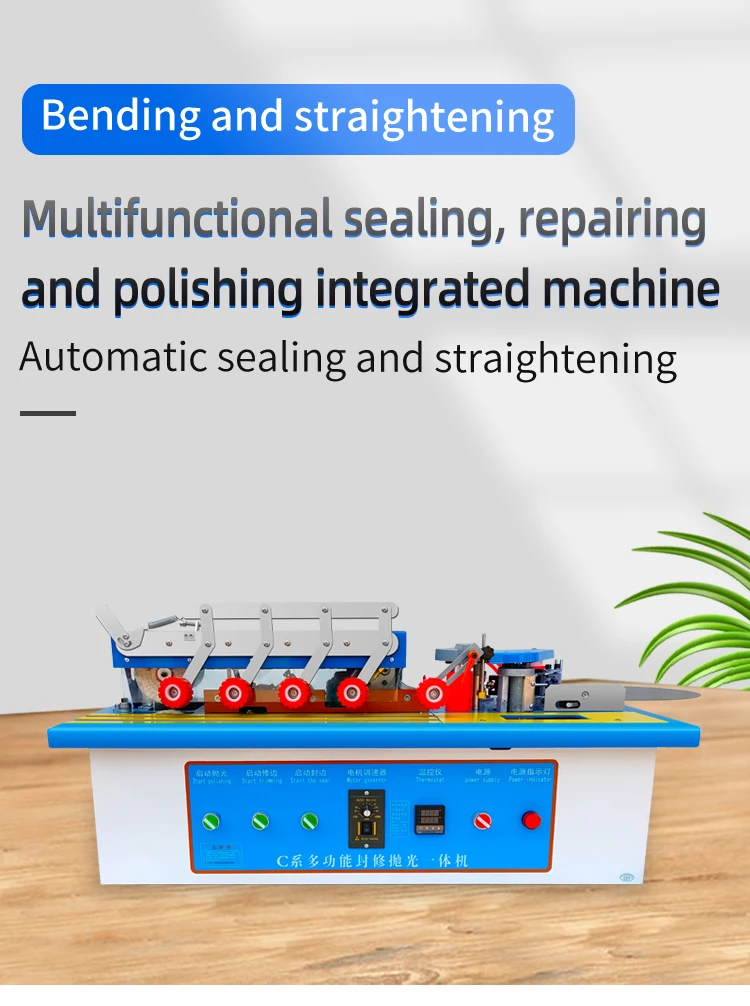
| Assembly State | Benchtop / portable unit |
| Language Options | Chinese, English standard; Spanish and others on request |
| Plug Options | EU, USA, AU, UK |
| Certification | CE |
Application Suitability
| Application | Material or Output |
|---|---|
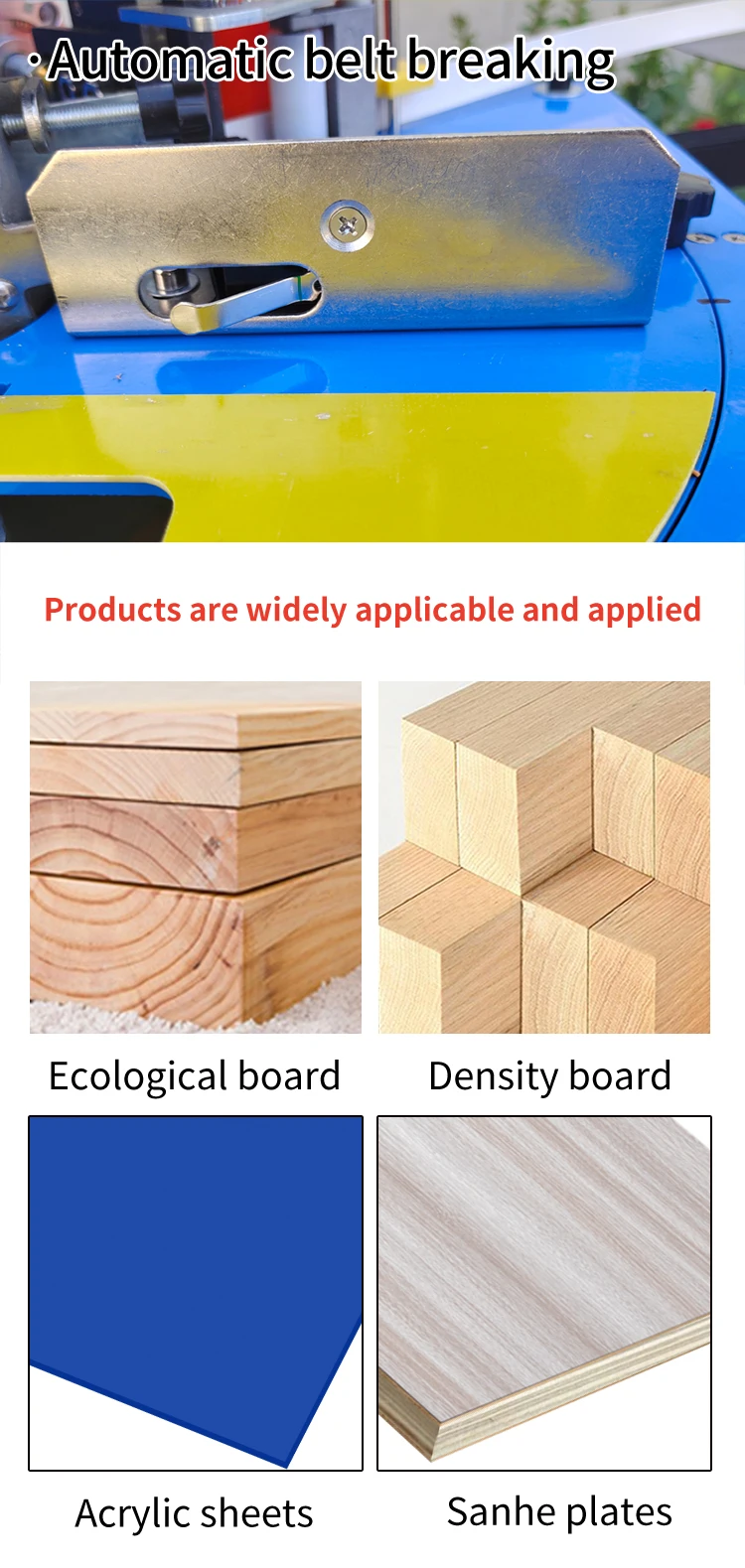
| Small cabinet and joinery workshop | MDF, particleboard, plywood edge sealing |
| Home decoration on-site production | Ecological board and solid wood panel edging |
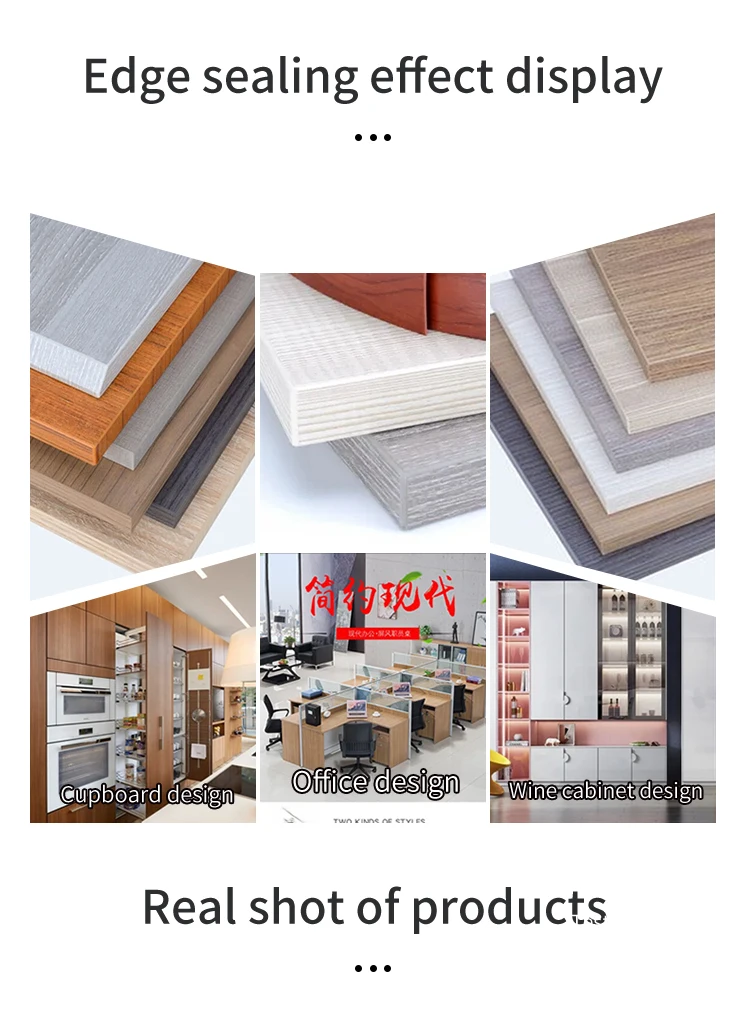
| Low-volume custom furniture operations | PVC and melamine edge banding on curved and straight profiles |
| Repair and rework stations | Touch-up edge sealing on pre-assembled components |
Why the Voltage Question Must Come Before the Order
A portable edge banding machine in stock means nothing if the motor winding does not match your workshop’s supply.
I have watched a small custom furniture shop take delivery of a benchtop edge bander, plug it in, and trip the main breaker within seconds — the machine was wired for a three-phase 380V supply while the shop only had single-phase 220V available. The glue pot never reached temperature, the trimming motors stalled, and the entire first batch of door panels came back with cold-glue failure. That kind of mismatch is entirely avoidable if the conversation about local voltage and frequency happens before the proforma invoice is issued [NEED_CITE: voltage and frequency standards by export market]. The FX-20 is configurable across 220V and 380V, and the correct plug standard — EU, USA, AU, or UK — is fitted and documented before dispatch so the machine is usable the moment it is uncrated.
Stock Availability and Fast Dispatch for Small Workshops
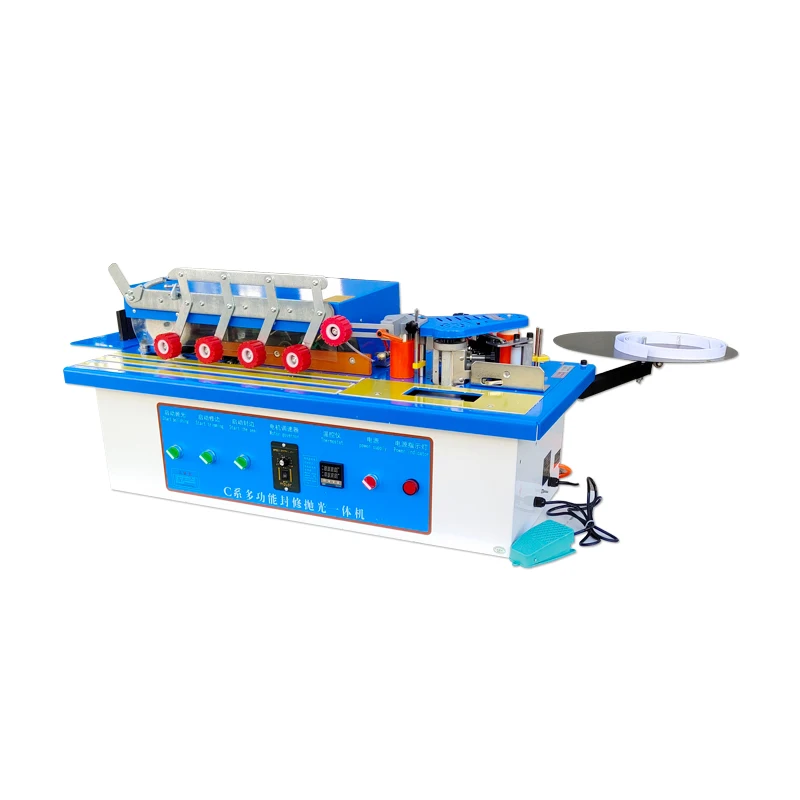
When a joinery workshop decides to move from hand-applied edge banding to machine-assisted production, waiting weeks for a container shipment is rarely acceptable. The FX-20 is stocked as a complete, benchtop-ready unit with trimming and polishing stations already integrated, so there is no separate assembly of auxiliary modules on arrival. A portable edge banding machine in stock at this size means you can place a single-unit order and have it dispatched on a short lead time, which matters when you are filling a production gap or replacing a machine that has gone down mid-job.
Curved and Straight Profiles Without a Machine Changeover
Many small workshops operate one edge bander for every job that walks through the door — cabinet sides on Monday, arched door panels on Wednesday, radius shelving on Friday. The FX-20 handles both curved and straight edge profiles within the same setup, covering banding thicknesses from 0.3 mm up to 3 mm and board edge heights up to 50 mm. You feed the panel through manually using the push plate, which gives the operator direct control over feed speed on irregular curves where an automated feed chain would struggle [NEED_CITE: manual feed advantages on small-radius curved edge banding].
How the Spec Sheet Translates to Daily Output
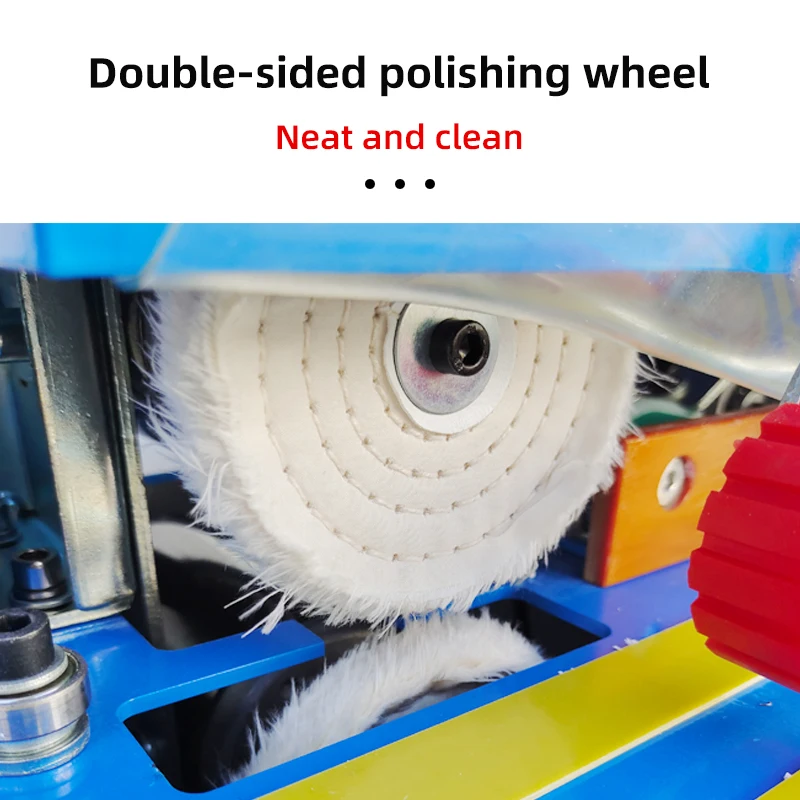
The dual 650W trimming stations are the workhorse of this machine. On PVC and melamine edge banding, trimming power directly determines whether you get a clean flush cut or a ragged edge that requires hand-scraping afterward — two stations mean one handles the leading end and the other follows the trailing profile. The dual 180W polishing stations then remove the micro-burrs left by trimming, which is the difference between a panel that passes visual inspection and one that shows light scratches under workshop fluorescents. The 1000 ml glue pot capacity is sized for batch runs of small-to-medium panels; you can run a set of cabinet doors without stopping to refill, but it is not intended for high-volume production lines where continuous melt-fed systems are standard. Air pressure between 0.5 and 0.8 MPa drives the pneumatic trimming and polishing heads, so a stable compressor supply is essential — fluctuating pressure causes inconsistent trimming depth across a batch.
The Hidden Cost of Skipping Material Confirmation
One of the most common failures I have seen on machines in this class is not a mechanical fault — it is a parameter mismatch between the edge banding material used during testing and the material actually running in production. A workshop will sample with PVC banding, confirm the result, and then run melamine paper edge banding on the same glue temperature setting. The melamine requires a different pot temperature to achieve proper adhesion, and the result is delamination discovered only after the panels are installed. Before any FX-20 leaves the floor, the actual edge banding strip and substrate should be identified so the glue temperature and feed rate can be set and recorded on the pre-shipment test sheet [NEED_CITE: edge banding adhesive temperature requirements by material type].
Why Buyers Source This Model Here
In-house manufacturing with patented cutting mechanisms means the trimming geometry is controlled at the component level, not simply assembled from bought-in sub-assemblies. Voltage, plug type, and control panel language are confirmed per order rather than assumed, which eliminates the most frequent cause of commissioning delays on exported benchtop equipment. A four-stage QC process — incoming material, in-process, finished product, and pre-shipment verification — is applied to every unit, and a factory test record is generated using the buyer’s specified panel thickness and edge banding material. Engineer-led configuration recommendations are provided within 24 hours of inquiry, so a workshop scaling from manual to machine-assisted edge banding gets a setup matched to its actual production mix rather than a generic default build.
Documentation & Verification
- CE declaration of conformity covering the FX-20 portable unit
- Factory test record run on buyer-specified panel and edge banding material
- Electrical schematic with confirmed voltage, frequency, and plug type
- Operation and maintenance manual in the agreed language
- Spare parts list identifying trimming blades, polishing wheels, and glue pot components
Installation, Commissioning & Support
- Benchtop placement requires a flat, stable surface rated for 44 kg plus operational vibration load
- Dedicated electrical circuit matching the confirmed 220V or 380V supply with appropriate breaker rating for 2500W total draw
- Pneumatic line connection at 0.5–0.8 MPa from a workshop compressor with moisture filtration
- Glue pot temperature calibrated to the specific edge banding material on first power-up
- Trimming depth adjusted against sample panels before production run begins
- Polishing wheel pressure set per banding thickness to avoid surface scoring
What to Share When Requesting a Quote
To match the correct FX-20 configuration to your workshop, send the panel materials and thicknesses you process most often, the edge banding type and thickness you intend to run, and your site voltage and frequency. If you are operating curved panels, include the smallest radius and the board dimensions so the minimum sheet length and width limits can be checked against your typical workpieces.
Frequently Asked Questions
Q: Which voltage and plug options are available now, and what is the dispatch lead time?
A: The FX-20 is stocked with 220V and 380V configurations, and plug types for EU, USA, AU, and UK markets are fitted before dispatch. Lead times for stocked units are short, but exact dates depend on current inventory and destination. Confirm your local voltage and frequency at inquiry so the correct build is reserved.
Q: Can I order a single FX-20 unit, or is there a minimum order quantity?
A: Single-unit orders are accepted. This model is positioned for small workshops and individual production stations, so there is no requirement to purchase multiple machines or bundle with other equipment. Each unit ships with its own documentation pack and spare parts set.
Q: What edge banding materials and thicknesses does this model handle from stock?
A: The FX-20 handles PVC, melamine, and veneer edge banding in thicknesses from 0.3 mm to 3 mm, with board edge heights up to 50 mm. Both curved and straight profiles are supported. Confirm your specific banding material so glue pot temperature is preset before dispatch.
Q: What spare parts ship with the machine or are available as add-ons?
A: Each FX-20 ships with a spare parts list covering trimming blades, polishing wheels, and glue pot consumables. A basic set of wearing parts is included in the crate. Additional spare kits can be added to the order so the workshop has replacement inventory on hand from day one.
Q: How is installation guided for a first-time buyer without a local service team?
A: The FX-20 arrives as a benchtop unit requiring power and pneumatic connection rather than floor installation. An operation manual in the agreed language covers setup steps, glue temperature calibration, and trimming adjustment. Remote guidance is available during first commissioning to walk through initial panel runs.