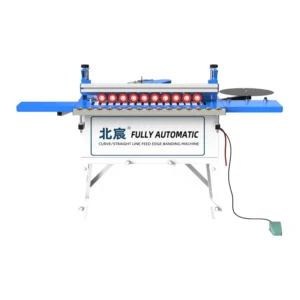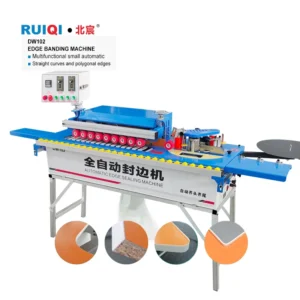

Description
Verified Electrical Compatibility Before Dispatch — every automatic edge banding machine ships only after local voltage and frequency are confirmed against the buyer’s workshop supply.
Technical Specifications
| Parameter | Value |
|---|---|
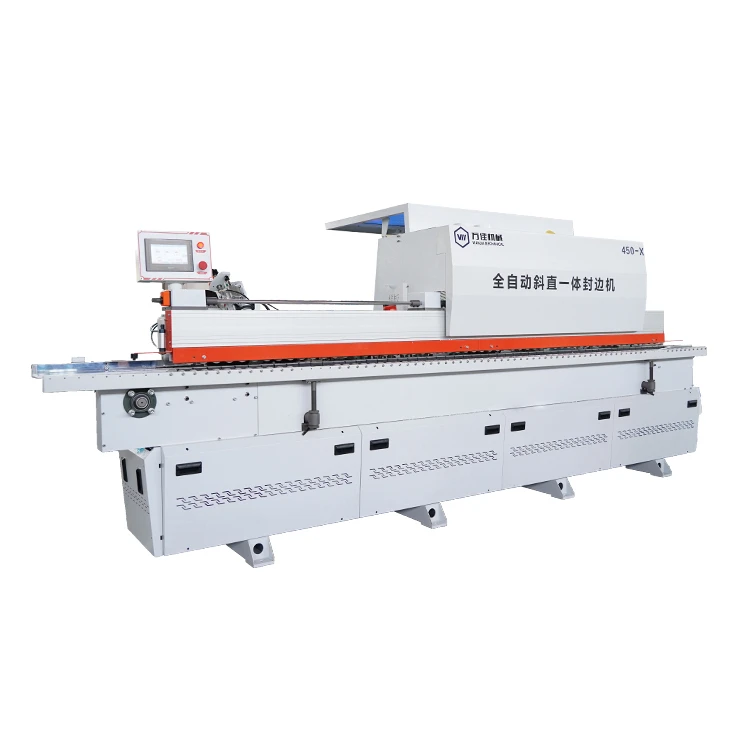
| Product Type | Automatic Edge Banding Machine |
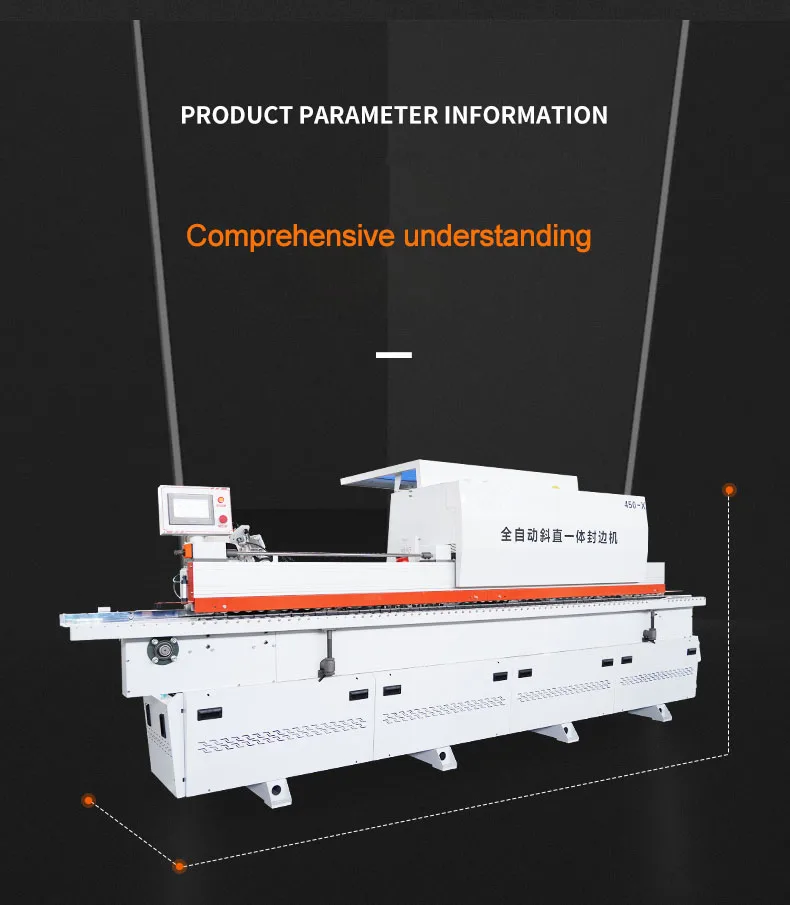
| Overall Dimensions | 4350 × 920 × 1650 mm |
| Total Installed Power | 17.5 kW |
| Standard Voltage & Frequency | 380V / three-phase five-wire / 50Hz (configurable 110V–440V) |
| Conveying Motor | 2.2 kW with frequency converter |
| Feed Speed Range | 0–12 m/min (variable, inclined straight edge) |
| Lifting Motor | 0.25 kW with inverter |
| Pre-Milling Motor | 3.5 kW |
| Selection Motor | 4 kW |
| End Trimming Motors | 0.37 kW × 2 |
| Edge Trimming Motors | 0.75 kW × 2 |
| Polishing Motors | 0.37 kW × 2 |
| Edge Motor | 0.18 kW with inverter |
| Slotted Motor | 220V / 0.8 kW |
| Glue Pot Heating Power | 1.2 kW |
| Glue Pot Capacity | 2000 mL |
| Glue Pot Temperature Range | 150–170 °C |
| Heat Gun Power | 2 kW |
| Air Source Pressure | 0.6–0.8 MPa |
| Air Storage Tank Volume | 5 L |
| Dust Extraction Port Diameter | 100 mm |
| Panel Thickness Range | 18 / 22 / 25 mm |
| Edge Strip Width | 20–50 mm |
| Edge Banding Thickness | up to 1.2 mm (material dependent) |
| Minimum Sheet Width | >100 mm |
| Minimum Sheet Length | >250 mm |
| Edge Banding Material | PVC |
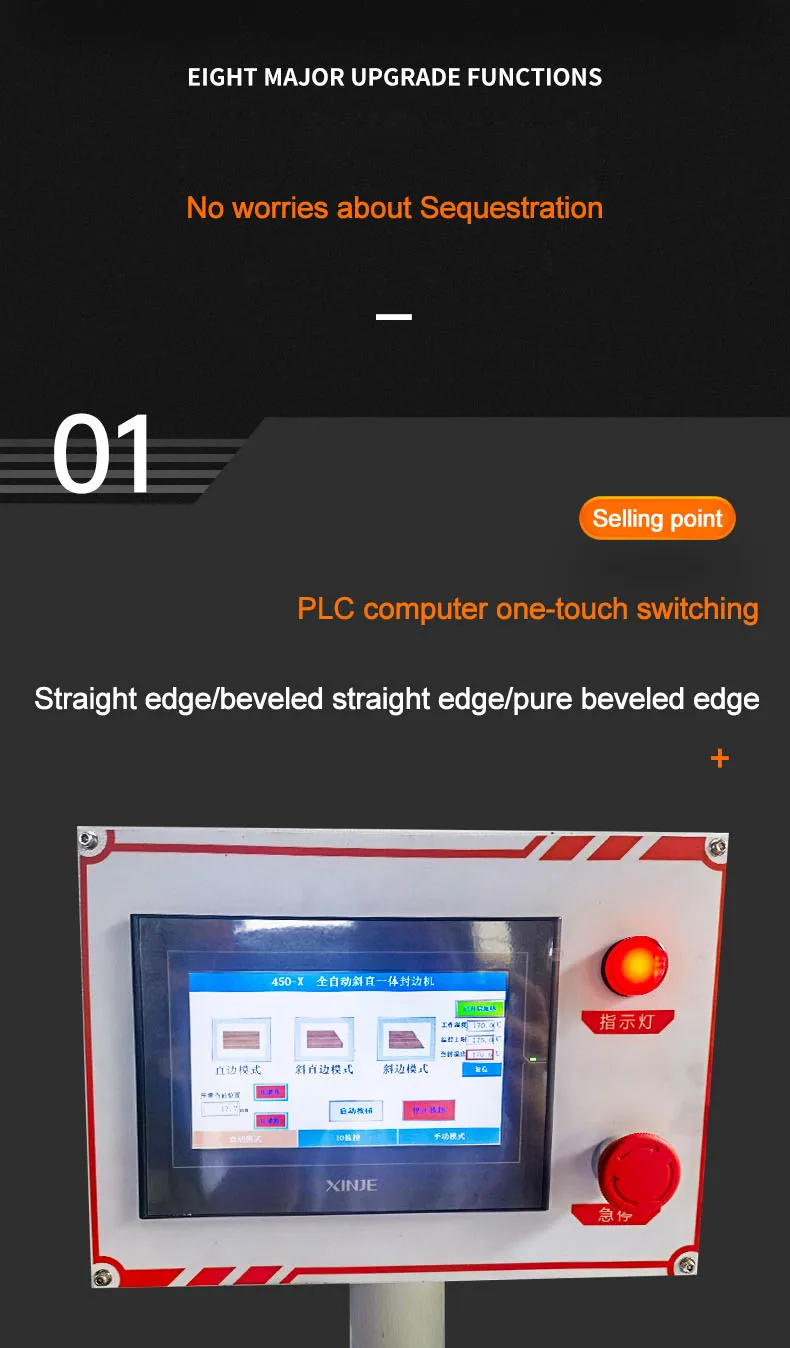
| Control System | PLC with Xinjie industrial touch screen |
| Inverter Brand | Xinjie Industrial |
| Standard Compliance | CE |
Application Suitability
| Application | Material or Output |
|---|---|
| Cabinet door and carcass edge finishing | PVC banding on MDF and particleboard panels |
| Custom furniture panel processing | Plywood and MDF with straight and curved profiles |
| Small-to-mid furniture workshop production | Panels 18–25 mm thick, minimum 100 × 250 mm |
| Joinery operations upgrading from manual banding | Pre-milled panel edges for clean glue-line adhesion |
| Batch production of shelving and drawer components | PVC edge strips 20–50 mm wide, up to 1.2 mm thick |
Why the Voltage Question Must Come Before the Dispatch Date
An automatic edge banding machine in stock is useless if it cannot be powered on arrival.
I once watched a Vietnamese furniture workshop sit idle for three weeks because a machine arrived wired for 380V three-phase while the facility ran 220V three-phase. The production floor had space, the operators were trained, the panels were cut and waiting — but the machine simply would not start. A transformer had to be sourced locally at significant cost and delay [NEED_CITE: voltage and frequency standards by export market]. That incident changed how I approach every shipment. Before any automatic edge banding machine in stock leaves the warehouse, I confirm the buyer’s local supply — not just the voltage number, but the phase configuration and frequency. This machine is configured as standard for 380V / 50Hz, but the electrical system is configurable across a range from 110V to 440V to match the destination market.
Fast Dispatch Without the Guesswork
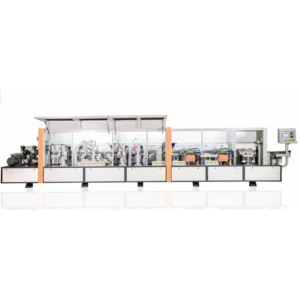
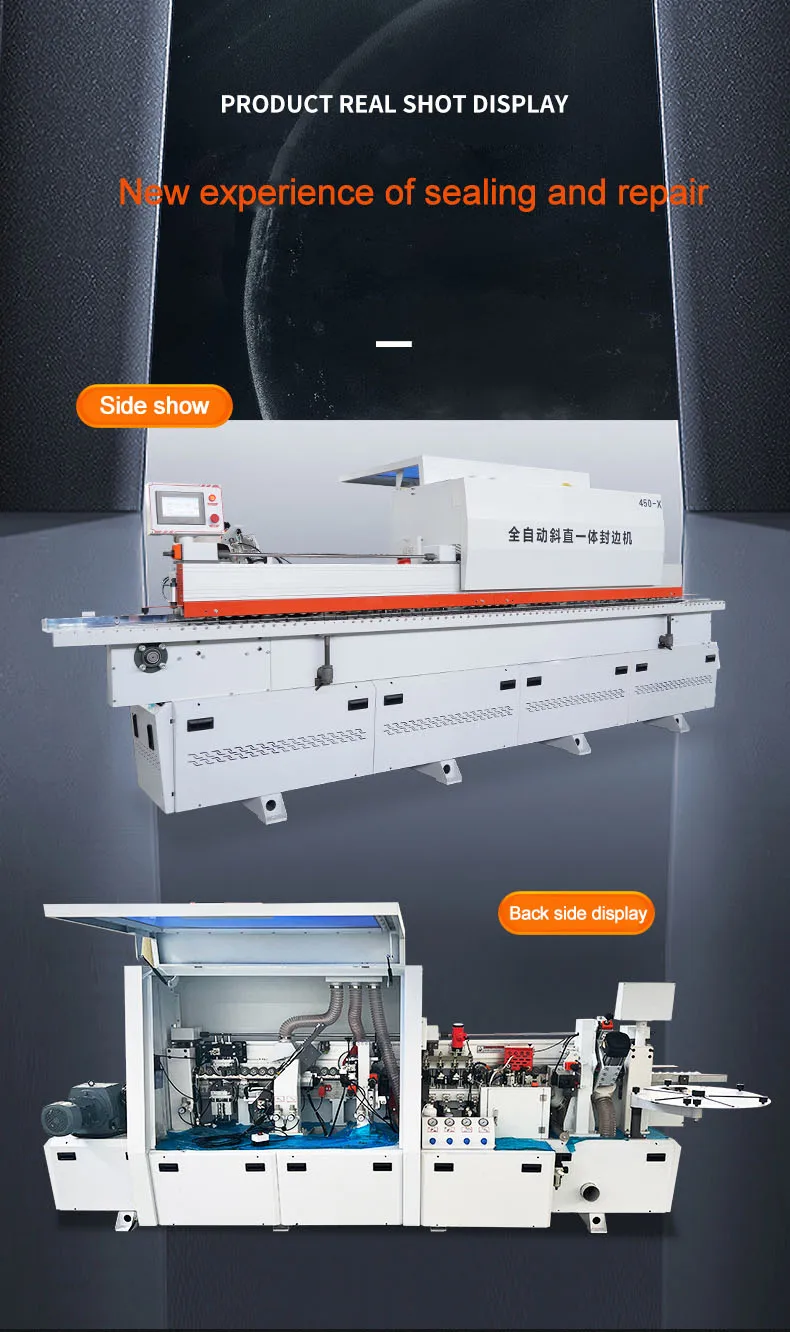
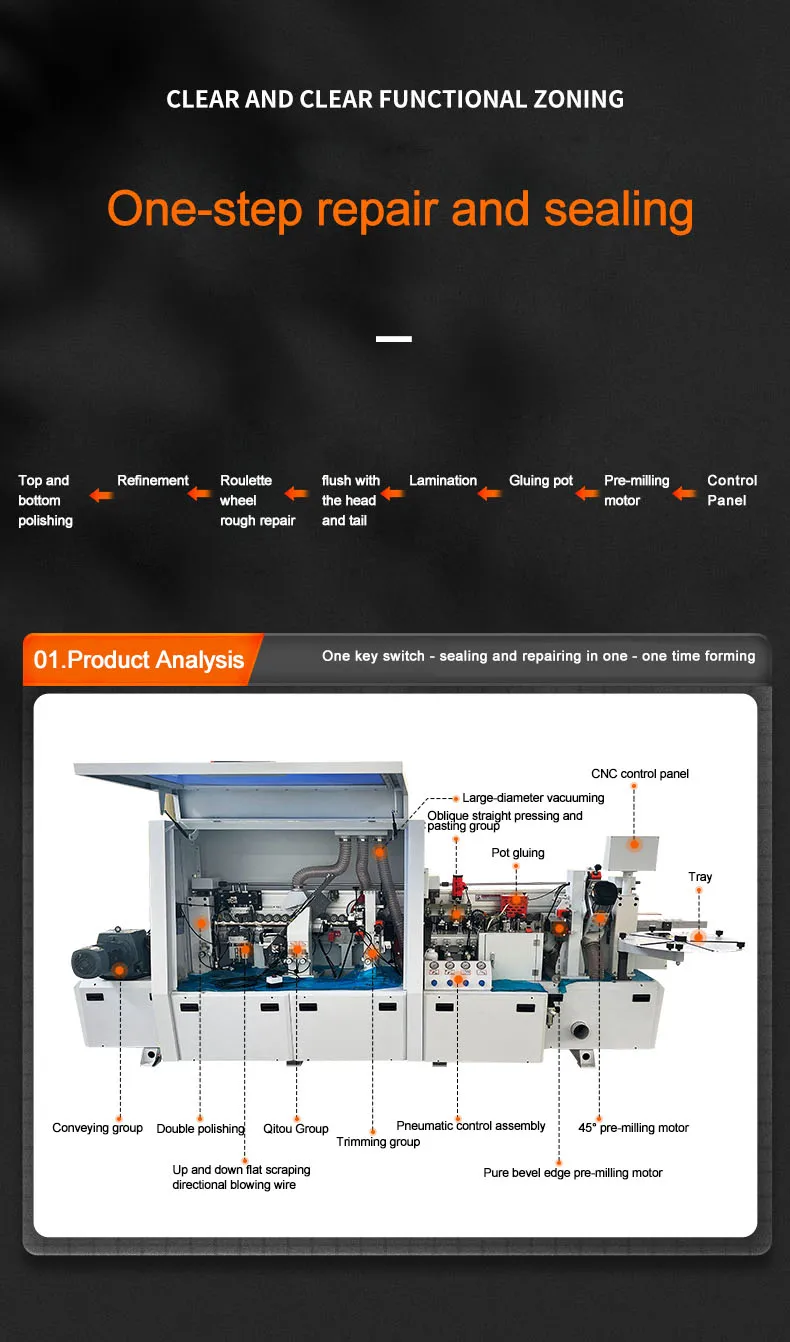
Keeping an Automatic Edge Banding Machine in stock means buyers can move from quotation to shipment in days rather than weeks. This model is held ready for dispatch with its pre-milling station, trimming units, and polishing heads fully assembled and tested. Once the electrical specification is locked to the buyer’s workshop standard, the machine goes through a final run-off before crating.
What Ready-Stock Really Means for Your Workshop Floor
Stock availability eliminates the typical multi-week production lead time, but it also means the configuration must be right before it ships. This machine covers panel thicknesses of 18, 22, and 25 mm with edge strip widths from 20 to 50 mm — a range that serves most cabinet and furniture panel requirements. The Xinjie industrial touch screen provides operator-friendly control, and the PLC system can be set to the buyer’s preferred language before dispatch. Single-unit orders are fulfilled from stock without waiting for a batch production run [NEED_CITE: machinery export lead time expectations for stocked equipment].
How Feed Speed and Pre-Milling Shape Your Edge Quality
Pre-Milling and Its Effect on Glue-Line Integrity
The pre-milling station removes a thin layer from the panel edge before the glue is applied. On MDF and particleboard, saw marks and micro-chipping from the cutting saw are common. Without pre-milling, these imperfections telegraph through the PVC edge band, producing visible ridges or uneven glue lines. The 3.5 kW pre-milling motor provides sufficient torque to clean the edge in a single pass at the machine’s full feed speed range. This is particularly important when processing boards with melamine or veneer surfaces where edge tear-out is more pronounced.
Variable Feed Speed Across Panel Profiles
The 0–12 m/min feed speed is managed by a frequency converter on the 2.2 kW conveying motor. On straight edges, higher feed speeds maintain throughput. When the machine transitions to curved profiles, the inverter reduces speed automatically to keep consistent pressure between the banding strip and the panel edge. The lifting motor, also inverter-controlled, adjusts the pressure roller height to accommodate the 18–25 mm panel thickness range without manual intervention between jobs.
Glue Temperature and PVC Adhesion
The glue pot operates between 150 °C and 170 °C, which is the standard range for EVA hot-melt adhesives used with PVC edge banding. The 2 kW heat gun provides supplemental warmth at the application point, maintaining adhesive viscosity in cooler workshop environments. The 2000 mL glue pot capacity supports sustained production runs without frequent refill stops. For workshops in tropical climates where ambient temperature affects glue setting time, the adjustable range allows fine-tuning to match local conditions.
Dust Extraction and Workshop Air Quality
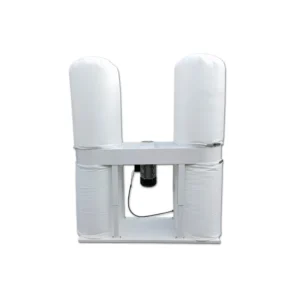
The 100 mm dust extraction port connects to the workshop’s central collection system or a standalone extractor. Pre-milling and trimming generate fine MDF and particleboard dust that settles on polished surfaces and interferes with the glue application if not removed immediately. Proper extraction keeps the edge clean between the pre-milling station and the glue roller, directly affecting banding adhesion and the final visual quality of the finished panel.
The Hidden Cost of Skipping Electrical Verification
Workshops that receive a machine wired for the wrong voltage face more than a delayed start. The cost of a local transformer is one thing, but the downstream effect is larger: a production schedule disrupted, delivery commitments missed, and operator wages paid while the line stands idle [NEED_CITE: impact of electrical incompatibility on furniture production schedules]. In some markets, running 380V equipment on a 220V supply through a step-up transformer introduces voltage instability that shortens motor life and causes inverter faults. Every unit we dispatch has its electrical configuration verified against the buyer’s confirmed supply before the crate is sealed.
Why Buyers Source This Model Through Our Stock Channel
This automatic edge banding machine in stock is available for single-unit orders — there is no minimum batch requirement. The full product family, from entry-level to full-function pre-milling models, is built in-house, which means a workshop can add a second machine later without switching suppliers or retraining operators on a different control interface. The four-stage quality check — incoming material, in-process, finished product, and pre-shipment — runs on every unit whether it is built to order or pulled from stock. Engineer-led configuration ensures the voltage, control language, and panel thickness setup match the buyer’s actual workshop conditions, not a default factory setting.
Documentation & Verification
- CE declaration of conformity covering this edge banding machine configuration
- Electrical schematic with confirmed voltage and wiring diagram for your supply
- Pre-shipment test record run on your specified panel thickness range
- Operation and maintenance manual supplied in your agreed language
- Spare parts list with part numbers for first-year maintenance planning
- Packing photographs provided before crate is sealed for shipment
Installation, Commissioning & Support
- Requires a dedicated three-phase circuit matching confirmed voltage at 17.5 kW total draw
- Machine footprint of 4350 × 920 mm plus operator clearance and panel infeed space
- Dust extraction ducting to be connected to the 100 mm port before first run
- Glue pot filled and heated to 150–170 °C range during initial commissioning
- PLC touch screen language set and feed speed parameters calibrated on-site
- Wear parts for trimming and polishing stations identified in the included spare parts list
What We Need to Move Your Order Forward
To confirm availability and prepare this machine for your workshop, provide your local voltage and phase configuration, the primary panel materials and thicknesses you process, and whether your production involves curved profiles or straight edges only. If you have existing upstream cutting or downstream boring equipment, share the model details so we can verify feed height and throughput compatibility.
Frequently Asked Questions
Q: Is this model currently in stock and what is the dispatch lead time?
A: This automatic edge banding machine with pre-milling is held in stock for immediate order. Once the electrical configuration and control language are confirmed, a pre-shipment test is conducted and the machine is prepared for dispatch. Lead time from confirmed order to shipment is typically measured in days rather than weeks, depending on the destination port and shipping arrangement.
Q: Can the voltage be configured for my country before shipping?
A: Yes. The standard configuration is 380V / three-phase five-wire / 50Hz, but the electrical system supports a configurable range from 110V to 440V. Before dispatch, we confirm your workshop’s exact voltage, phase, and frequency, then set the machine accordingly. An electrical schematic reflecting the confirmed configuration is included with the shipment documentation.
Q: What edge banding materials and thicknesses does this machine handle?
A: This model is configured for PVC edge banding with a strip width of 20–50 mm and a thickness of up to 1.2 mm depending on the material. It is designed for use on MDF, particleboard, and plywood panels within the 18, 22, and 25 mm thickness range. The pre-milling station ensures clean edge preparation across these substrate types.
Q: How is the machine packed and can you arrange door-to-door shipping?
A: The machine is crated with protective packing after pre-shipment testing and photographic documentation. Shipping options can be quoted upfront based on your destination. We support both port-to-port and door-to-door logistics arrangements, and customs documentation is prepared as part of the standard dispatch process.
Q: What spare parts are included and how do I order replacements?
A: A spare parts list with part numbers is included in the shipment, covering wear items for the trimming, polishing, and pre-milling stations. Replacement parts can be ordered directly using these part numbers. The included operation manual covers routine maintenance intervals and part replacement procedures for your workshop team.