Description
In-stock readiness with pre-shipment voltage verification — Every ST-30 unit is tested at the buyer’s confirmed voltage and frequency before it leaves the dock, eliminating the dead-on-arrival failures that plague cross-border machine orders.
Technical Specifications
| Parameter | Value |
|---|---|
| Model | ST-30 |
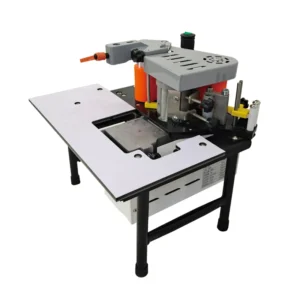
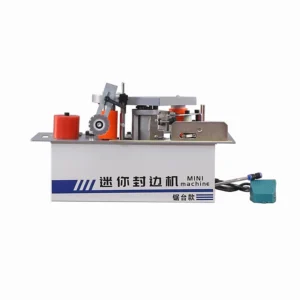
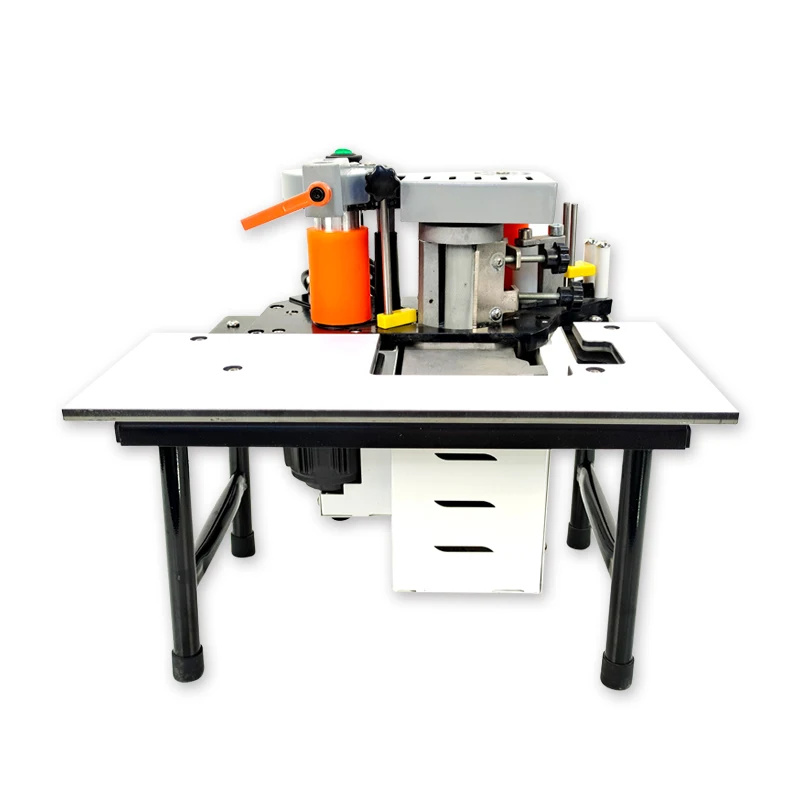
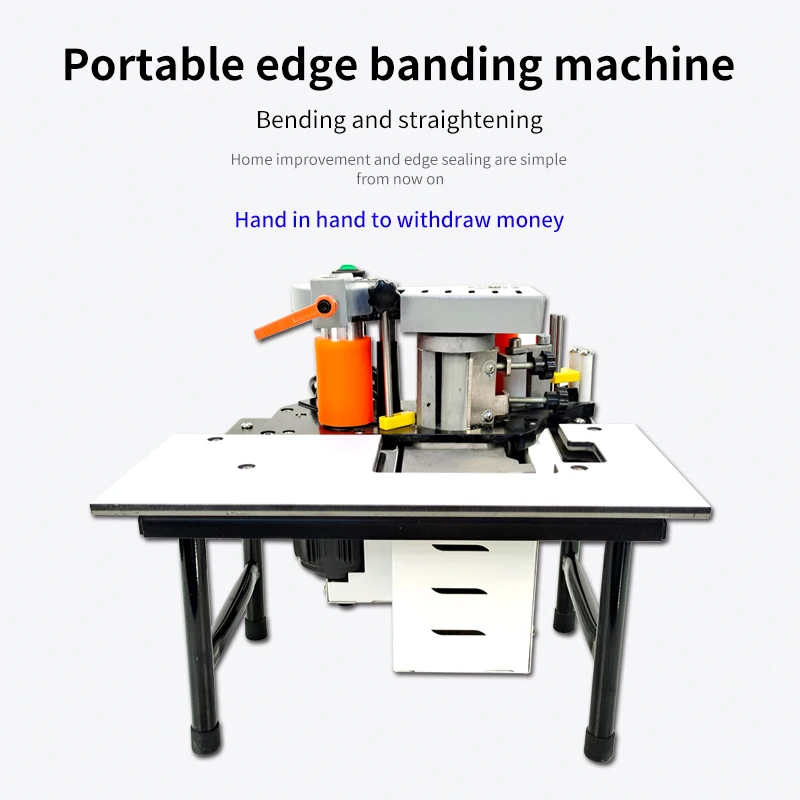
| Product Type | Portable Edge Banding Machine |
| Rated Power | 1000W |
| Voltage & Frequency | 220V / 380V / customizable |
| Control System | Manual operation |
| Overall Dimensions (L×W×H) | 38 × 35 × 35 cm |
| Net Weight | 12 kg |
| Minimum Sheet Length | 25 cm |
| Minimum Sheet Width | 3 cm |
| Edge Banding Height | 0–50 mm |
| Edge Banding Thickness | 0.3–3 mm |
| Edge Power | 20W |
| Air Source Pressure | 0.5–0.8 MPa |
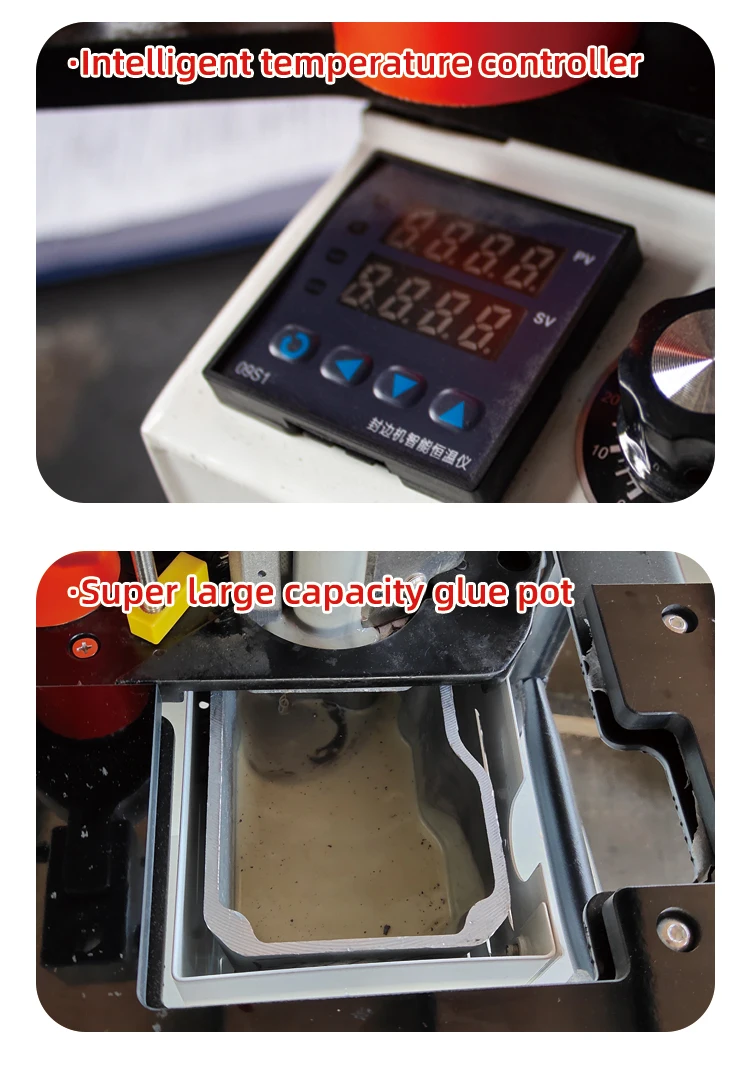
| Glue Pot Capacity | 1000 ml |
| Suitable Edge Banding Materials | ABS, PVC, Melamine, Veneer |
| Edge Type | Straight and curve edge |
| Language Options | Chinese and English standard; other languages customizable |
| Plug Options | EU, USA, AU, UK |
| Certification | CE |
Application Suitability
| Application | Material or Output |
|---|---|
| Small-scale cabinet making | MDF and plywood panels with PVC or melamine edging |
| On-site interior fit-out | Particleboard and MDF with curved edge profiles |
| Custom joinery workshops | Solid wood panels with veneer edge banding |
| Repair and rework stations | ABS and PVC edging on existing furniture components |
| Low-volume production runs | Mixed straight and curve edge banding across panel types |
Why Voltage Verification Must Happen Before the Crate Is Nailed Shut
A machine wired wrong is not a delay — it is a stranded asset sitting on your workshop floor.
I once watched a cabinet shop in Dubai take delivery of an edge bander that was configured for 380V/50Hz when their facility ran 220V/60Hz. The machine sat silent for three weeks while they sourced a step-down transformer, burning through installation schedules and customer deadlines. That portable edge banding machine in stock fast delivery promise means nothing if the unit arrives electrically incompatible with your shop. Confirming local voltage, frequency, and plug type before dispatch is a non-negotiable checkpoint in any fulfillment process worth its name. [NEED_CITE: voltage and frequency standards by export market]
Dispatch Lead Time Without the Guesswork
Ready stock means the ST-30 is physically on the floor, not scheduled for a production run that hasn’t started. When you place an order, the unit moves to pre-shipment testing within a compressed window — voltage is applied, the glue pot is brought to temperature, and a sample edge is run on your specified material and thickness range. This portable edge banding machine in stock fast delivery workflow is designed for workshops that cannot afford multi-week build queues.
What Happens Between Your Order and the Loading Dock
Every ST-30 pulled from stock goes through a verification sequence that mirrors the checks I used to run on the QC bench before moving into logistics. The unit is powered up at your confirmed voltage, the air supply is connected at 0.5–0.8 MPa to validate the pneumatic circuit, and edge banding is fed through both straight and curve paths. A test record is generated and included in your shipping documentation. This is where fulfillment discipline separates a working machine from a box of surprises. [NEED_CITE: CE machinery directive requirements for industrial equipment]
Reading the Numbers That Actually Matter on Site
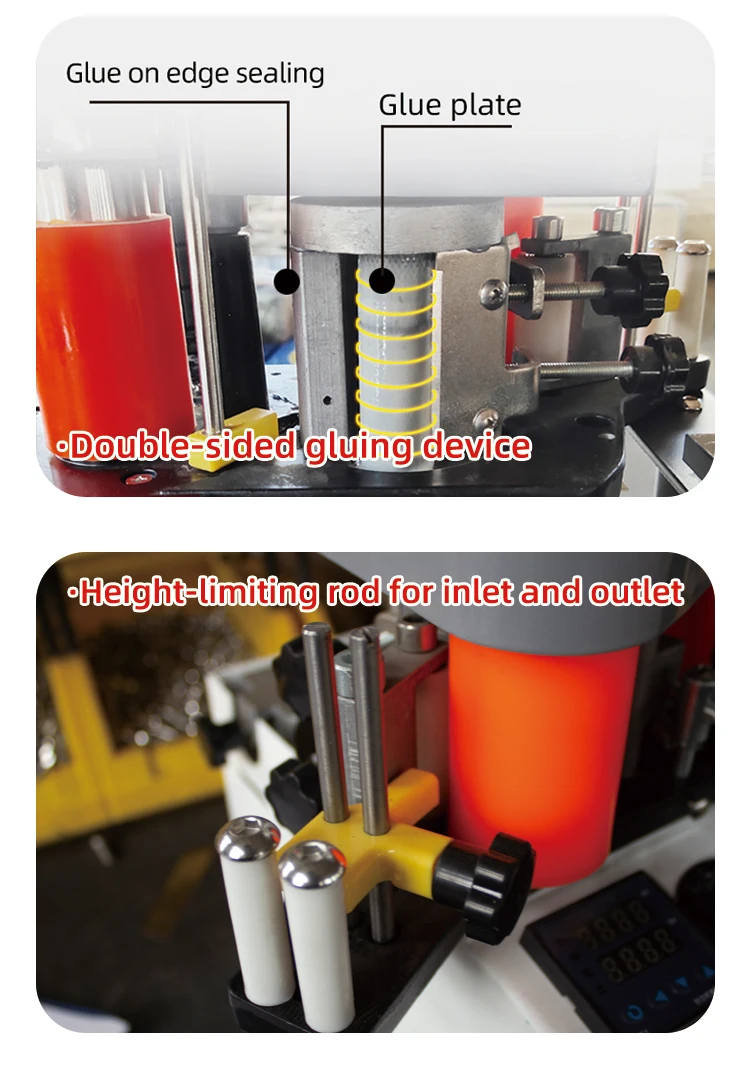
The 12 kg net weight of the ST-30 means a single operator can reposition it between workstations or load it into a van for on-site fit-out work — no forklift required. The glue pot capacity of 1000 ml supports sustained operation across a batch of panels without pausing for refills, which matters when you are edging cabinet components in sequence. The 0.3–3 mm thickness range covers everything from thin melamine tape for shelving up to 3 mm ABS for worktops, so one machine handles mixed orders. Air pressure at 0.5–0.8 MPa is within the output range of standard workshop piston compressors, meaning no dedicated air supply investment is needed.
The Cost of Skipping the Voltage Conversation
Workshops that skip the voltage and frequency confirmation step routinely discover the problem only after the machine is uncrated and wired in. At that point, you are looking at transformer procurement, potential rewiring, and electrician callouts — all while production is stalled. For portable units shipped internationally, this is an entirely preventable failure mode. The ST-30 supports 220V, 380V, and custom configurations, and plug options span EU, USA, AU, and UK standards, so there is no technical reason for a mismatch if the confirmation step is done properly before dispatch. [NEED_CITE: electrical compatibility issues in imported machinery]
Why Procurement Through This Channel Works
Stock availability means your order does not enter a production queue — the unit is allocated, tested, and prepared for shipment on a compressed timeline. Voltage and plug type are confirmed against your local standard before the machine leaves the facility, not assumed from a catalog default. Pre-shipment testing includes a factory test record specific to your panel material and edge thickness requirements. Language options on the control interface are set before dispatch so operators can begin commissioning immediately. The ST-30 ships with operation and maintenance documentation in your agreed language, spare parts list, and packing photographs for customs clearance support.
Documentation & Verification
- CE declaration of conformity covering the ST-30 portable edge bander
- Factory test record generated at your confirmed voltage and edge material
- Electrical schematic with voltage and frequency matching your local supply
- Operation and maintenance manual in agreed language with spare parts list
- Pre-shipment packing photographs for your records and customs documentation
Installation, Commissioning & Support
- Requires a dedicated circuit matching confirmed voltage rating and plug type
- Air compressor must deliver 0.5–0.8 MPa at the machine inlet for reliable pneumatic operation
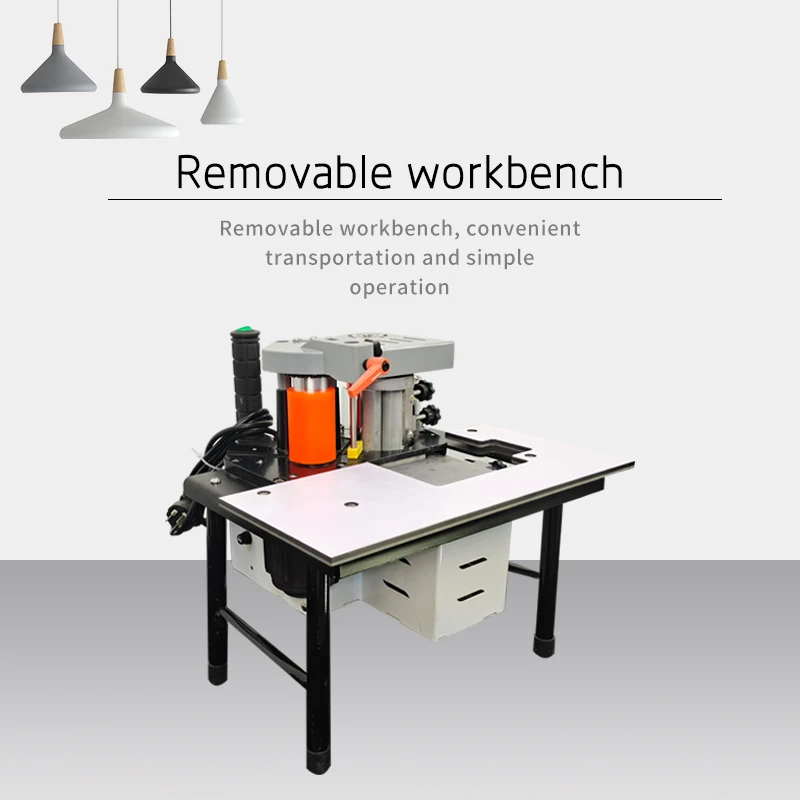
- 12 kg weight allows single-person placement on any stable workbench surface
- Glue pot first heat-up should be monitored to confirm temperature stability before production runs
- Straight and curve edge banding paths should both be tested with your actual material during commissioning
- Spare parts list included covers high-wear items for initial operational period
What We Need to Move Your Order Forward
To prepare your ST-30 for dispatch, provide your local voltage and frequency standard along with the plug type required at your facility. Specify the edge banding materials and thickness range you will be running most frequently so the pre-shipment test can be conducted on representative stock. Confirm the language needed for the operation manual and any control panel labeling requirements so these are set before the machine is packed.
Frequently Asked Questions
Q: What voltage and plug options are available, and how is my local standard confirmed before shipping?
A: The ST-30 supports 220V, 380V, and custom voltage configurations with plug options covering EU, USA, AU, and UK standards. Before dispatch, we request your exact local voltage, frequency, and plug type in writing. The unit is then powered up and tested at that configuration during pre-shipment verification, and the test record is included with your shipment so you have documented proof of compatibility.
Q: Is this portable bander suitable for my daily production volume, or should I consider a floor-standing model?
A: The ST-30 is designed for small-scale joinery, on-site fit-out work, and low-volume custom cabinet operations where portability matters more than continuous throughput. If your workshop runs high-volume panel edging across full shifts, a floor-standing automatic edge bander with powered feed and multiple trimming stations would be a more appropriate fit. Share your daily panel count and we can advise honestly on which class suits your output.
Q: How do I handle curved vs. straight edge banding on the same machine — are attachments needed?
A: The ST-30 handles both straight and curve edge banding on the same unit without requiring separate attachments or tooling changes. The edge banding height range of 0–50 mm and thickness range of 0.3–3 mm apply across both edge types. Operators simply guide the panel along the appropriate path depending on whether the edge profile is straight or curved.
Q: What spare parts ship with the unit, and how fast can I get replacements?
A: Each ST-30 ships with a spare parts list covering high-wear components relevant to the first operational period. Replacement parts are available through the same supply channel and can be dispatched on a fast-order basis similar to the machine itself. We recommend reviewing the spare parts list upon delivery and identifying items you want to hold as on-site inventory for your usage pattern.
Q: Can the control panel language be set to something other than English before delivery?
A: Chinese and English are standard language options on the ST-30. Additional languages can be configured before dispatch if requested during the order confirmation stage. Specify your required language during the voltage and plug confirmation step so it is applied before the machine enters pre-shipment testing and packing.