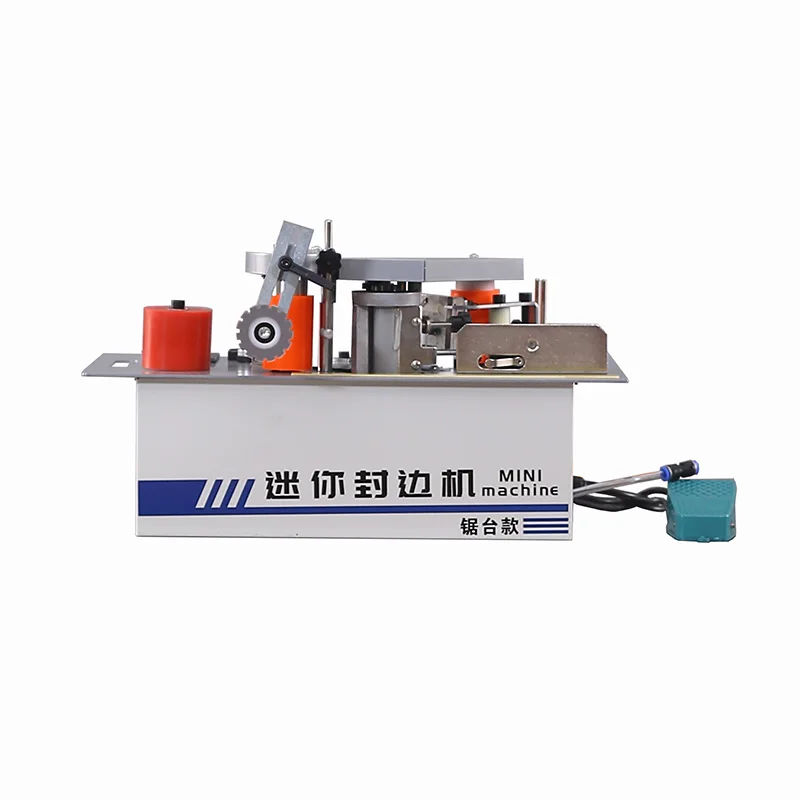
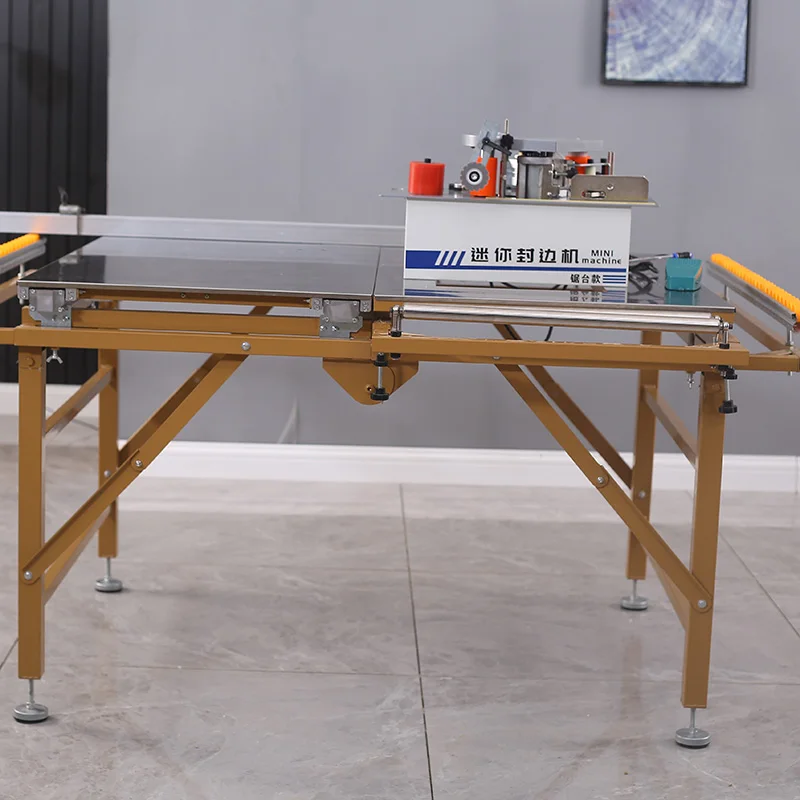
Description
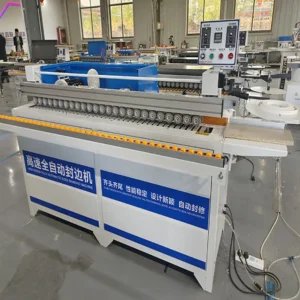
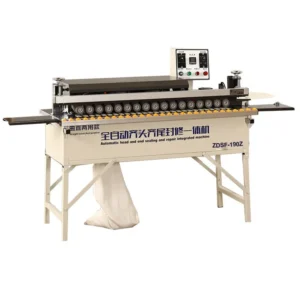
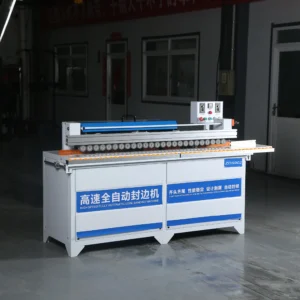
In-stock dispatch — every portable edge bander leaves the facility with a signed voltage confirmation and benchtop test record, so your workshop receives a machine that runs on arrival.
Technical Specifications
| Parameter | Value |
|---|---|
| Product Type | Manual Edge Bander |
| Rated Power | 825W |
| Voltage | 220V (frequency 50Hz/60Hz to be confirmed per destination) |
| Heating Time | 5–10 min |
| Glue Pot Capacity | 1000 ml |
| Edge Banding Speed | 0–10 m/min |
| Air Pressure Requirement | 0.4–0.6 MPa |
| Edge Pattern | Curves, straight lines, special shaped lines |
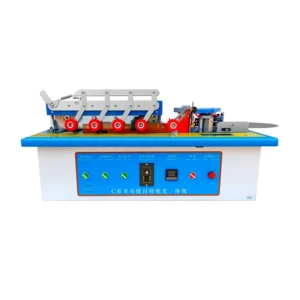
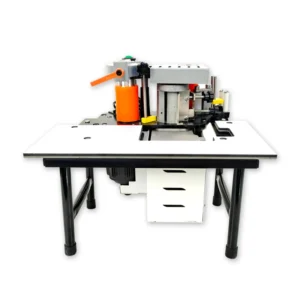
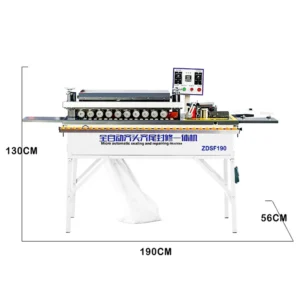
| Overall Dimensions | 50 × 30 × 27 cm |
| Net Weight | 13.5 kg |
| Control System | Manual operation |
| Assembly State | Portable, benchtop |
| Warranty | 1 year |
Application Suitability
| Application | Material or Output |
|---|---|
| Small-batch custom cabinet edge finishing | MDF and particleboard panels with PVC edge banding |
| On-site furniture repair and rework | Plywood and solid wood panels with veneer banding |
| Joinery workshop scaling from hand tools | Curved and irregular panel profiles |
| Prototype and sample run banding | Shaped furniture components and contoured edges |
Why the Voltage Question Should Come Before the Price
Confirming local voltage and frequency in writing before dispatch prevents a portable edge banding machine in stock from sitting idle on your workshop floor.
I once shipped a compact edge bander to a Southeast Asian custom furniture shop without double-checking the frequency rating on their workshop supply. The machine arrived, the operator plugged it in, and nothing happened. They spent nearly three weeks sourcing a step-down transformer while production stalled. That single oversight cost them far more than any discount on the equipment. A portable edge banding machine in stock means nothing if it cannot run on your local grid [NEED_CITE: voltage and frequency standards by export market]. Every unit we dispatch now ships with a written electrical confirmation matched to the buyer’s facility.
Dispatch Speed Without Specification Guesswork
Stock availability matters when your workshop needs to move from hand-trimming edges to machine-assisted banding without waiting weeks for a production slot. This portable edge banding machine in stock ships from the warehouse once the electrical configuration is confirmed against your facility supply. The benchtop footprint means no floor preparation, no dedicated foundation, and no electrician visit beyond verifying the circuit can handle the 825W draw.
What Arrives With the Machine
Each unit ships with the glue pot tested, the feed mechanism cycled, and an operation manual in the language your operator reads. The dispatch process includes a pre-shipment verification where the heating element reaches temperature, the banding feed runs through its speed range, and the air pressure regulator holds at the specified 0.4–0.6 MPa. You receive a test record documenting these checks so there is no ambiguity about what was working before crating [NEED_CITE: pre-shipment inspection standards for woodworking machinery exports].
Understanding the Numbers That Matter for Small Shops
The 0–10 m/min variable feed speed gives operators control when switching between a long straight cabinet side panel and a tight curved chair component. Slower feed allows the glue to bond fully on dense MDF substrates, while faster feed suits lighter veneer banding on plywood edges. The 1000 ml glue pot capacity supports continuous small-batch work without frequent refills, which matters when a custom cabinet maker is running ten or fifteen panels in a morning session. Glue heat-up within 5–10 minutes means the machine is ready before the operator finishes laying out the day’s cutting list.
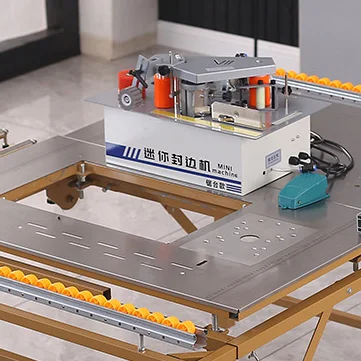
The 50 × 30 × 27 cm overall dimensions let this unit sit on a standard workbench beside your sliding table saw or hinge borer. At 13.5 kg net weight, one person can reposition it when shop layout changes or when moving between job sites for on-site furniture repair work. The manual control system removes the learning curve associated with programmable logic controllers, so a joinery worker transitioning from hand edge planes can start producing clean banding on the first day.
What Happens When Dispatch Verification Gets Skipped
Buyers who prioritize fast shipping over specification confirmation often discover problems only after the crate is open. A machine wired for the wrong frequency will run its heating element at the wrong temperature profile, causing poor glue adhesion that shows up as peeling edges days after assembly. An air pressure mismatch means the banding roller cannot maintain consistent contact pressure on curved profiles. These failures do not appear in the product photos or the brochure, and the workshop owner is left troubleshooting with no local technical support [NEED_CITE: common causes of edge banding adhesion failure in small workshops].
What You Get When You Order From This Facility
Pre-shipment electrical verification is standard for every unit, with written confirmation of voltage and frequency matched to your destination country before the machine leaves the factory floor. Single-unit orders ship without minimum quantity barriers, which suits workshops buying their first machine-assisted edge bander. The engineering team provides configuration guidance and a formal quotation within one business day, including any language customization needed for the operation manual. Factory test records ship inside the crate so you can verify the machine performed correctly before packing [NEED_CITE: factory test documentation practices for woodworking equipment].
Documentation & Verification
- Electrical schematic with confirmed voltage and frequency for your facility supply
- Factory test record showing glue pot temperature and feed speed verification
- Operation and maintenance manual in the language agreed before dispatch
- Spare parts list covering glue pot elements, feed rollers, and banding guides
- Packing photographs documenting machine condition before crating
Installation, Commissioning & Support
- Benchtop placement on any stable work surface within the 50 × 30 × 27 cm footprint
- Dedicated 220V circuit rated for the 825W draw, confirmed before first power-on
- Glue pot heat-up cycle and feed speed calibration performed by operator at first start
- Manual control walkthrough covering banding tension and curved profile technique
- Replacement glue pot elements and feed rollers available through after-sales channel
- Periodic air pressure regulator inspection at the 0.4–0.6 MPa operating range
Before You Request a Quotation
Share your local voltage and frequency so the electrical configuration is locked in before production allocation. Specify the edge banding materials you work with most often, whether PVC, veneer, or melamine, so the glue type and pot temperature range are matched correctly. If your workshop runs curved profiles regularly, describe the tightest radius you encounter so the team can confirm the feed mechanism handles it.
Frequently Asked Questions
Q: Is this portable edge banding machine currently in stock and what is the dispatch lead time?
A: Stock units are available for dispatch once the electrical specification is confirmed in writing to match your facility supply. Typical lead time covers the pre-shipment testing cycle, documentation preparation, and crating. The team provides an exact dispatch date at the quotation stage based on current warehouse inventory and your destination port or address.
Q: What voltage options are available for my country?
A: The standard configuration is 220V, with frequency confirmed as either 50Hz or 60Hz depending on your national grid standard. The electrical configuration is verified in writing before dispatch to ensure the heating element and motor operate correctly on your local supply. Share your country or specific workshop voltage so the team locks in the right configuration.
Q: Can I order a single unit and what shipping methods are offered?
A: Single-unit orders are accepted with no minimum quantity requirement. Shipping methods depend on your destination and urgency, with options typically including express courier for faster delivery or standard freight for cost efficiency. The quotation includes shipping costs based on the confirmed delivery address and your preferred method.
Q: What edge banding materials and thicknesses does this machine handle?
A: The machine processes PVC and veneer edge banding on MDF, particleboard, plywood, and solid wood panels. The variable 0–10 m/min feed speed lets operators adjust for different material behaviors, running slower for dense substrates and faster for lighter veneers. Confirm your typical banding thickness range so the team can advise on suitability.
Q: Do you provide installation guidance and after-sales support for single-unit purchases?
A: Every unit ships with an operation manual in the agreed language and a factory test record. The engineering team provides remote guidance for first-time setup, covering glue pot heat-up, feed calibration, and curved profile technique. Spare parts including glue pot elements and feed rollers remain available through the after-sales channel throughout the warranty period and beyond.