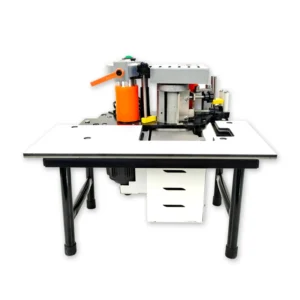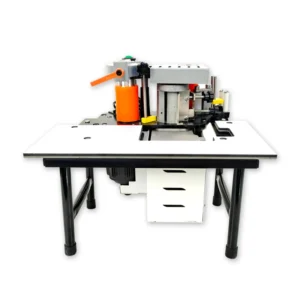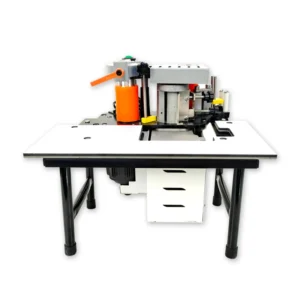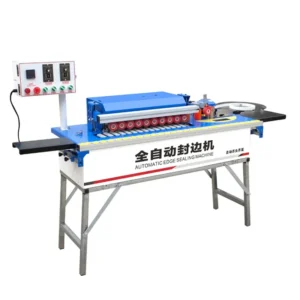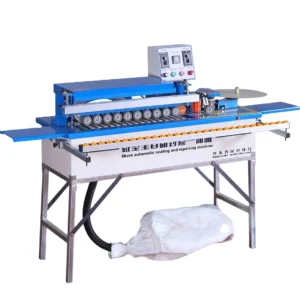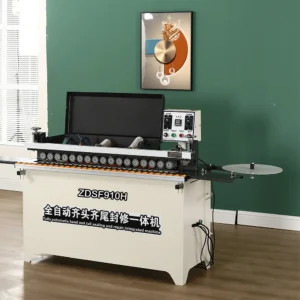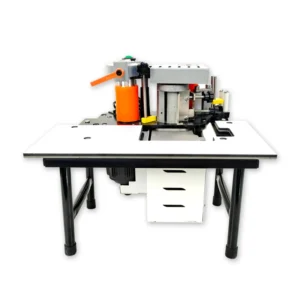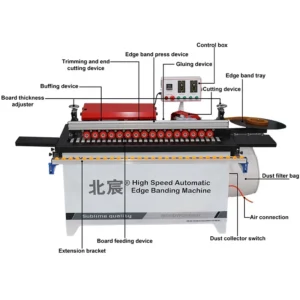
Description
Voltage-Configured Stock Dispatch — Every ZDS702 automatic edge banding machine ships only after your workshop’s exact voltage and frequency are confirmed on the electrical schematic, eliminating the transformer delays that idle production floors.
Technical Specifications
| Parameter | Value |
|---|---|
| Model | ZDS702 |
| Product Type | Automatic Edge Banding Machine |
| Edge Type | Straight line |
| Rated Voltage | 220V / 380V / customization |
| Rated Power | 3.8 kW |
| Feed Speed | 0–10 m/min |
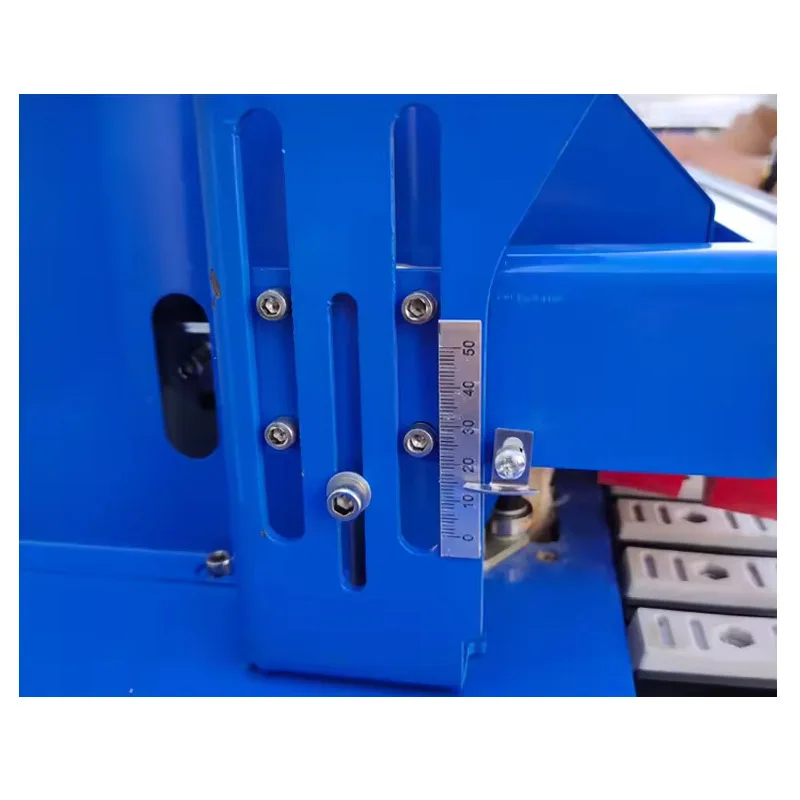
| Trimming Height (Panel Thickness) | 5–50 mm |
| Edge Banding Thickness | 0.3–3 mm |
| Glue Pot Capacity | 1000 ml |
| Heating Power | 1000 W (heat-up 5–10 min) |
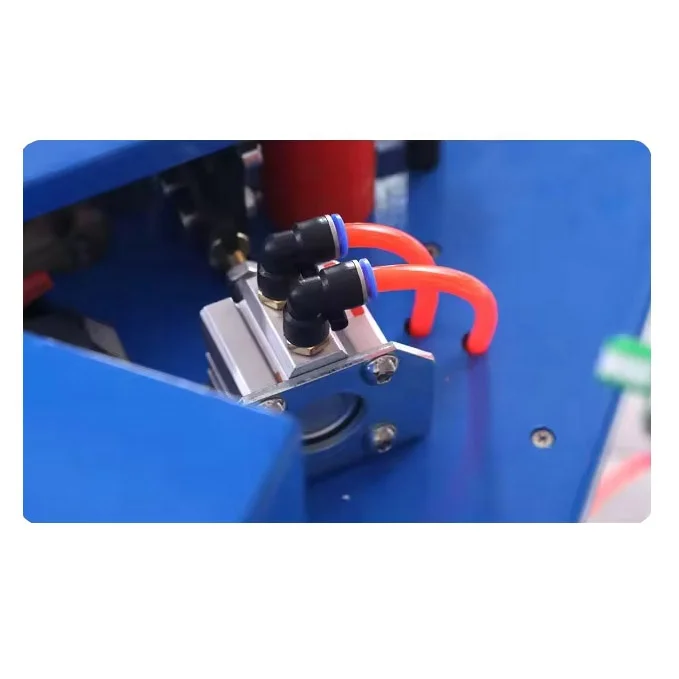
| Rated Air Pressure | 0.4–0.6 MPa |
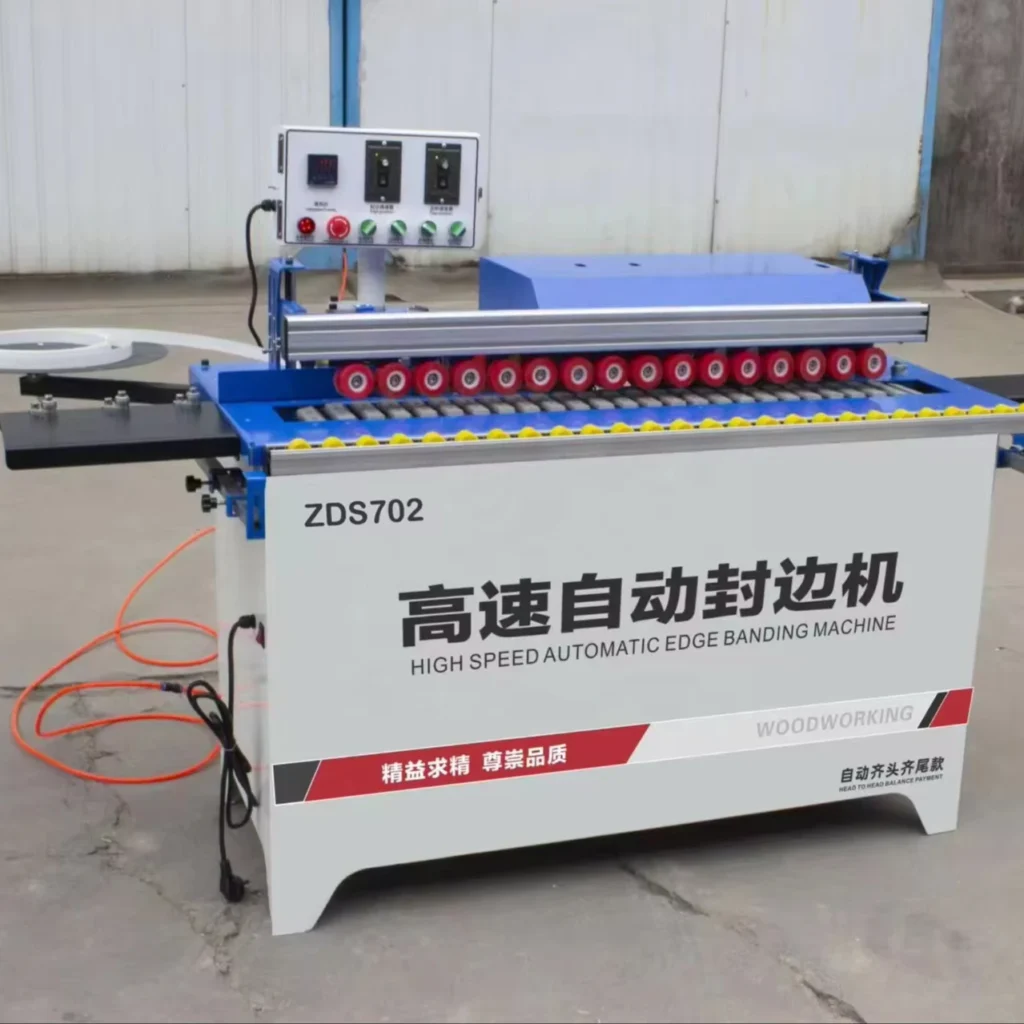
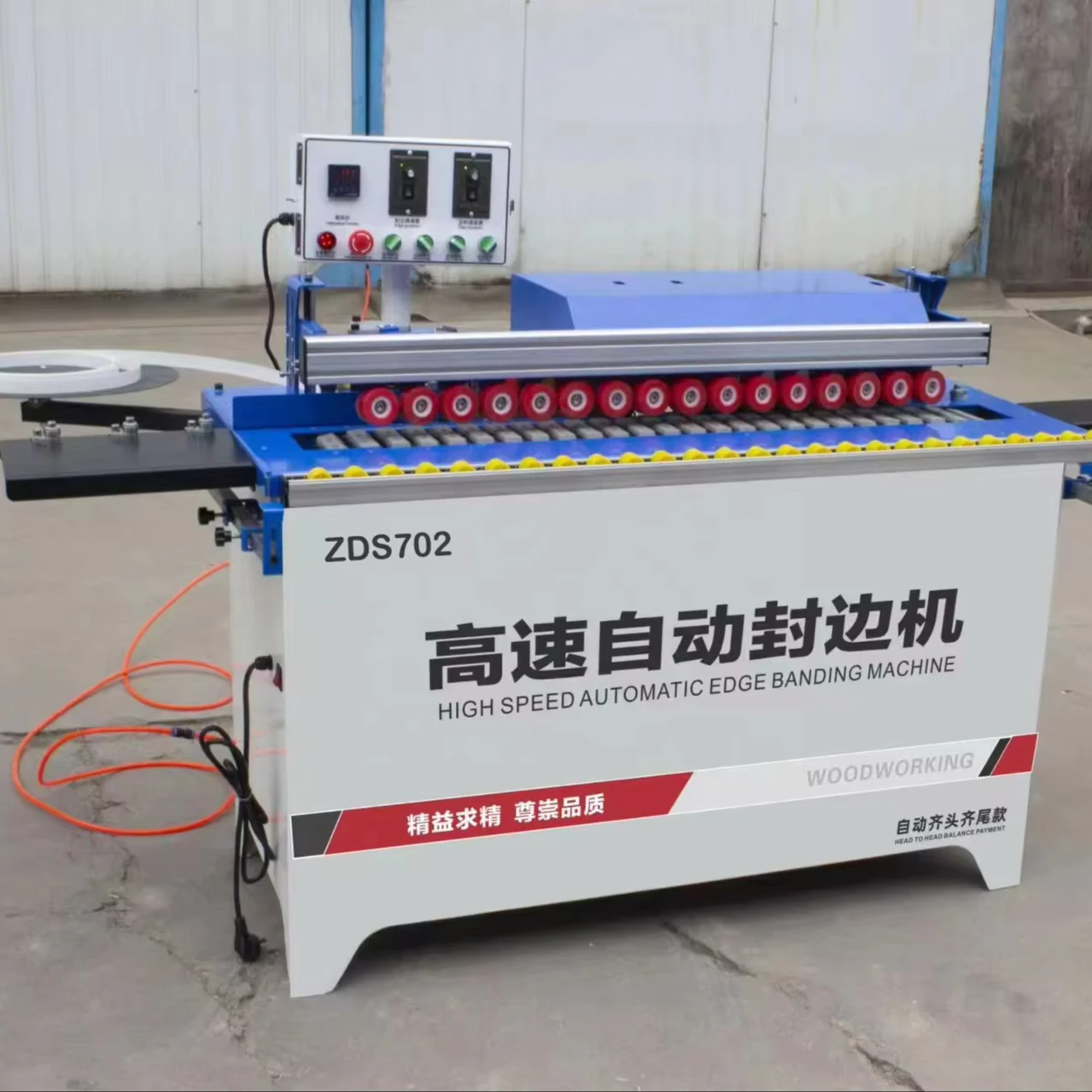
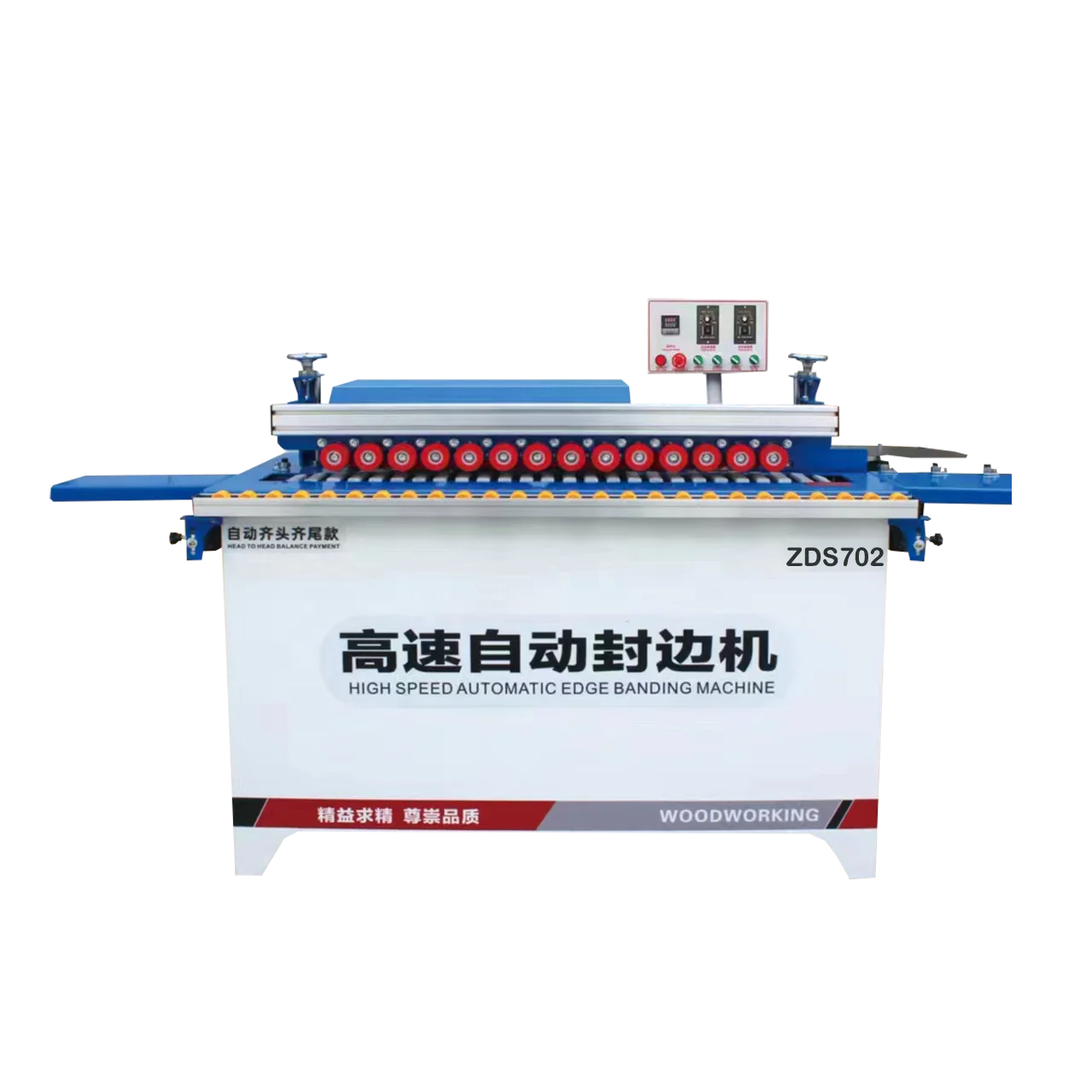
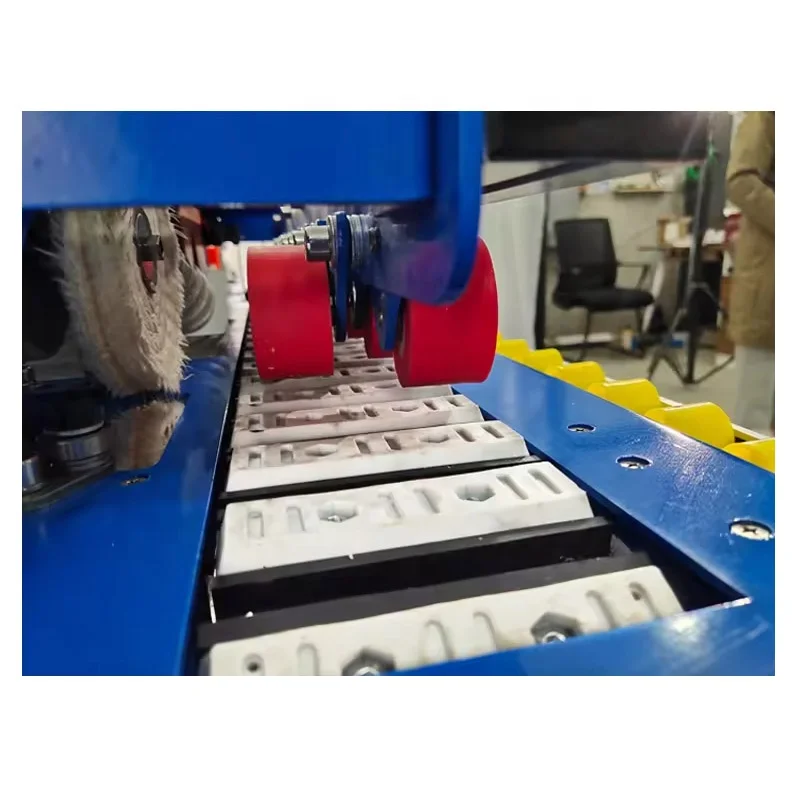
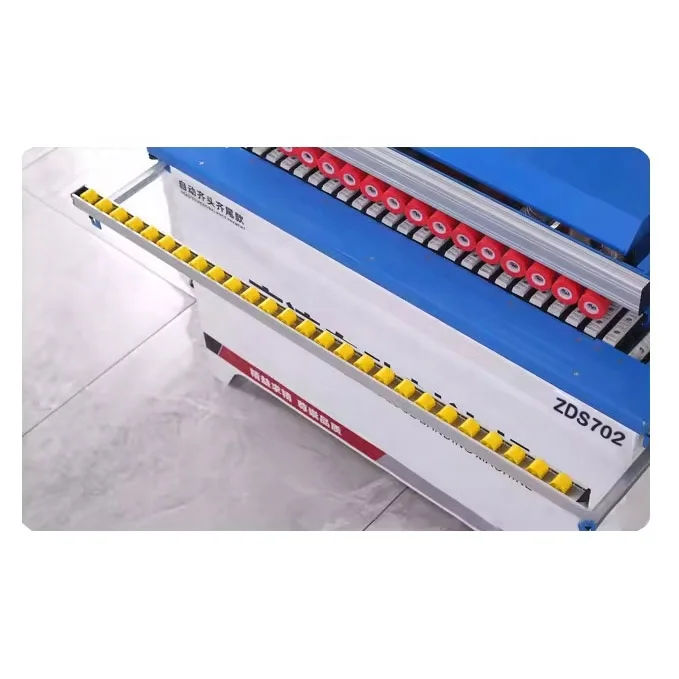
| Pressure System | One-piece pressure beam, double-row pressure wheels, silicone conveyor belt |
| Pressure Adjustment | Hand-crank wheel with precision scale |
| Dust Collection | Built-in vacuum device |
| Overall Dimensions | 120 × 55 × 120 cm |
| Machine Weight | 105 kg |
| Functions | Automatic plate feeding, end cutting, head/tail trimming, upper/lower polishing |
| Certification | CE |
| Warranty | 1 year |
Application Suitability
| Application | Material or Output |
|---|---|
| Custom cabinet door edging | MDF and particleboard with PVC straight banding 0.3–3 mm |
| Small-batch furniture panel finishing | Plywood panels with veneer edge banding |
| Joinery workshop straight-edge work | Melamine-faced chipboard and MDF shelving |
| Secondary capacity for growing factories | Straight-line PVC banding on wardrobe and drawer components |
Why the Voltage Question Must Come Before the Machine Leaves the Floor
A stocked machine is worthless if it cannot power on in your workshop. I once watched a compact PVC edge bander sit silent for two weeks on a job site because the unit was wired for 380V while the local supply ran at 440V/60Hz — the motor burned on first contact and a replacement transformer had to be sourced locally. That delay cost the carpentry crew far more than the machine itself. Every Automatic Edge Banding Machine in stock at our dispatch point goes through a documented voltage and frequency confirmation before crating. The electrical schematic is matched to your facility’s supply and signed off on the pre-shipment test record [NEED_CITE: voltage and frequency standards by export market]. Skipping this step is the single most common reason ready-stock equipment arrives dead on arrival.
Stock Availability Without the Specification Guesswork
When a workshop needs an Automatic Edge Banding Machine in stock and ready to ship, the priority is getting production running within days rather than waiting through a production slot. The ZDS702 sits in the compact-automatic tier, suited to joinery shops and small custom cabinet makers who need consistent machine-finished edges without the footprint of a full production-line bander. Single-unit orders are standard — there is no minimum batch requirement tying up capital on equipment you have not yet evaluated on your own panels.
Dispatch Speed Backed by Pre-Shipment Verification
Speed of dispatch only matters if the machine that arrives actually runs. Each unit designated for fast order undergoes the same four-stage quality check applied to made-to-order builds: incoming material inspection, in-process assembly verification, finished-product functional test, and a pre-shipment panel run [NEED_CITE: CE machinery directive requirements for industrial equipment]. The glue pot is brought to operating temperature, end cutting and trimming stations are cycled through the full 5–50 mm panel thickness range, and the dust collector is verified under load. You receive packing photographs and a factory test record before the crate leaves the floor.
How Feed Speed, Pressure, and Glue Capacity Shape Your Daily Output
The 0–10 m/min variable feed speed lets operators match throughput to the edge material being applied — slower passes for 3 mm PVC where glue penetration and pressure-wheel contact time matter, faster passes for thin 0.3 mm veneer where the risk is burning or lifting at the leading edge. The one-piece pressure beam with double-row silicone pressure wheels distributes clamping force evenly across the panel width, preventing the localized high spots that leave visible glue squeeze-out on light-colored substrates. A 1000 ml glue pot on the ZDS702 is sized for intermittent batch work rather than continuous shift production, meaning the operator can drain and reload adhesive between jobs without waste. The hand-crank pressure adjustment with precision scale lets a single operator dial in the exact beam gap for a 5 mm shelf panel or a 50 mm solid-core door slab without reaching for tools, which keeps changeover between jobs measured in seconds rather than minutes [NEED_CITE: woodworking machinery safety standards for pressure beam adjustment].
The Hidden Cost of Ordering a Bander Without Matching Your Actual Panel Mix
Buying a machine rated for panel thicknesses your workshop never processes sounds harmless until the day a 48 mm blockboard order arrives and the trimming station cannot reach the overhang. Equally common is the small shop that purchases an entry-level bander for occasional use and then pushes it through eight-hour production days it was never designed to sustain, watching pressure-wheel bearings wear prematurely and glue-pot thermostats drift. These mismatches rarely show up in a specification sheet comparison — they surface weeks after installation when edge quality degrades and the operator starts compensating with manual touch-up that defeats the purpose of automation [NEED_CITE: industrial equipment duty cycle classification].
Why Sourcing This Model Through the Ready-Stock Channel Works
In-house manufacturing means the ZDS702 shares a product family with higher-specification banders, so a workshop that later scales volume can add a pre-milling or corner-rounding station from the same supplier without re-training operators on a new control layout. Voltage customization from 220V to 440V and control-panel language selection are treated as standard configuration items rather than special requests, which is why the dispatch timeline stays short. The four-stage QC process applies equally to stock and built-to-order units, with a pre-shipment verification run on the actual panel thickness range you specify. An engineer reviews your configuration before the order is finalized, confirming that feed speed, glue pot capacity, and air-pressure requirements align with your daily panel mix — a step that prevents the incompatibility surprises that occur when machines are selected from a catalogue without technical dialogue.
Documentation & Verification
- Electrical schematic confirming your workshop voltage and frequency before crating
- Factory test record with panel samples run at your specified thickness range
- Operation and maintenance manual supplied in the language your operators read
- Spare parts list with part numbers matching the ZDS702 assembly drawings
- CE declaration of conformity covering the machine as configured for your market
- Packing photographs showing crating, immobilization, and accessory placement
Installation, Commissioning & Support
- Requires a dedicated circuit matching the confirmed voltage rating and a 0.4–0.6 MPa compressed-air line within hose reach of the 120 cm footprint
- Arrives fully assembled on a pallet; position on a level floor and connect power and air — no foundation bolts required at 105 kg
- First-run commissioning includes glue-pot heat-up verification and feed-speed calibration across the 0–10 m/min range
- Operator training covers pressure-beam gap setting via the hand-crank scale for panel thicknesses from 5 to 50 mm
- Built-in vacuum dust collector connects to your central extraction or a standalone bag unit
- Spare wear parts — pressure-wheel sleeves, trimming cutters, glue-pot seals — listed in the included parts schedule
What to Include in Your Inquiry
Tell us the panel materials and thickness range you run most often, along with the edge banding type and thickness — PVC, ABS, or veneer, and whether you work below 1 mm or up to the 3 mm limit. Confirm your workshop supply voltage and frequency so the electrical configuration is locked before dispatch. If your operators require a specific control-panel language, note it in the inquiry so the HMI is prepared during the pre-shipment test run.
Frequently Asked Questions
Q: What is the dispatch lead time and can I order a single unit?
A: The ZDS702 is stocked for fast dispatch and single-unit orders are standard — there is no minimum quantity requirement. Lead time depends on current stock level and whether your voltage and control-panel language require configuration before crating. Once the electrical specification is confirmed, the unit goes through pre-shipment testing and is released for packing within the quoted window.
Q: How do I confirm voltage and frequency for my workshop before ordering?
A: Provide your facility supply voltage, phase, and frequency in the inquiry — for example, 380V three-phase 50 Hz or 440V three-phase 60 Hz. An engineer reviews these values against the ZDS702 motor and heating element ratings and returns a confirmed electrical schematic. This document is signed off before dispatch so the machine powers on correctly when it reaches your floor.
Q: What edge banding materials and thicknesses does this model handle?
A: The ZDS702 applies straight-line PVC, ABS, and veneer edge banding in the 0.3–3 mm thickness range. The glue pot and pressure system are set up for hot-melt EVA adhesive. Panel trimming height covers 5–50 mm, which accommodates standard MDF, particleboard, and plywood stock used in cabinet and furniture production.
Q: Is the control panel available in my operator’s language?
A: Yes — multilingual control-panel configuration is treated as a standard option, not a custom request. Specify the required language during inquiry so the HMI labels and menu text are loaded before the pre-shipment test run. This ensures the operator can read all settings and fault codes from the first day of production.
Q: What spare parts are included and how are replacements supplied?
A: Each shipment includes a spare parts list with part numbers tied to the ZDS702 assembly drawings, covering high-wear items such as pressure-wheel sleeves and trimming cutters. Replacement parts are available through the same supply channel as the original machine order, and the included maintenance manual outlines service intervals for each consumable component.