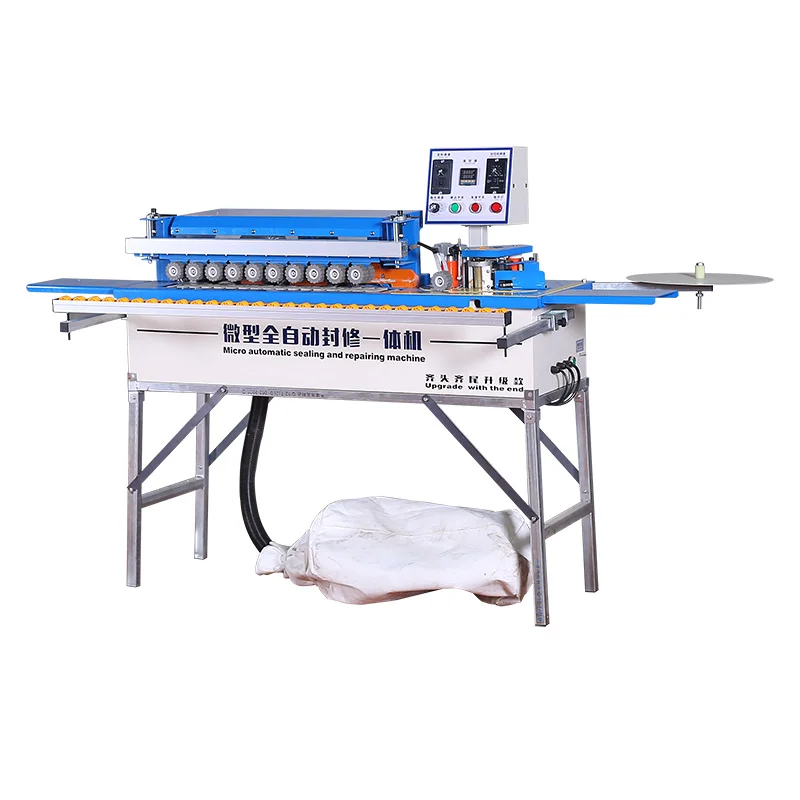
Description
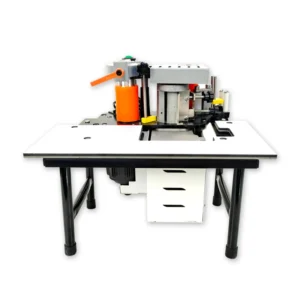
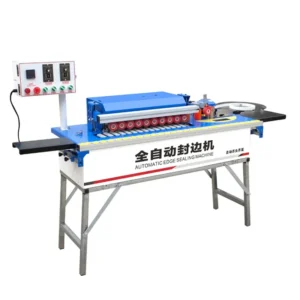
Voltage-Verified Dispatch — every ZDS160 portable edge bander is tested at its rated 220V single-phase supply and photographed before leaving the Ningjin facility, so the machine you receive matches the power standard confirmed at order.
Technical Specifications
| Parameter | Value |
|---|---|
| Product Type | Portable Edge Banding Machine |
| Voltage | 220V Single-Phase |
| Suction Power | 1200 W |
| Belt Power | 25 W |
| Transmission Power | 60 W |
| Polishing Power | 180 W × 2 |
| Trimming Power | 800 W × 2 |
| Conveying Speed | 0–15 m/min |
| Edging Speed | 0–6 m/min |
| Edge Height Range | 10–60 mm |
| Edge Thickness Range | 0.3–3 mm |
| Gluing Type | Double-Sided Adhesive |
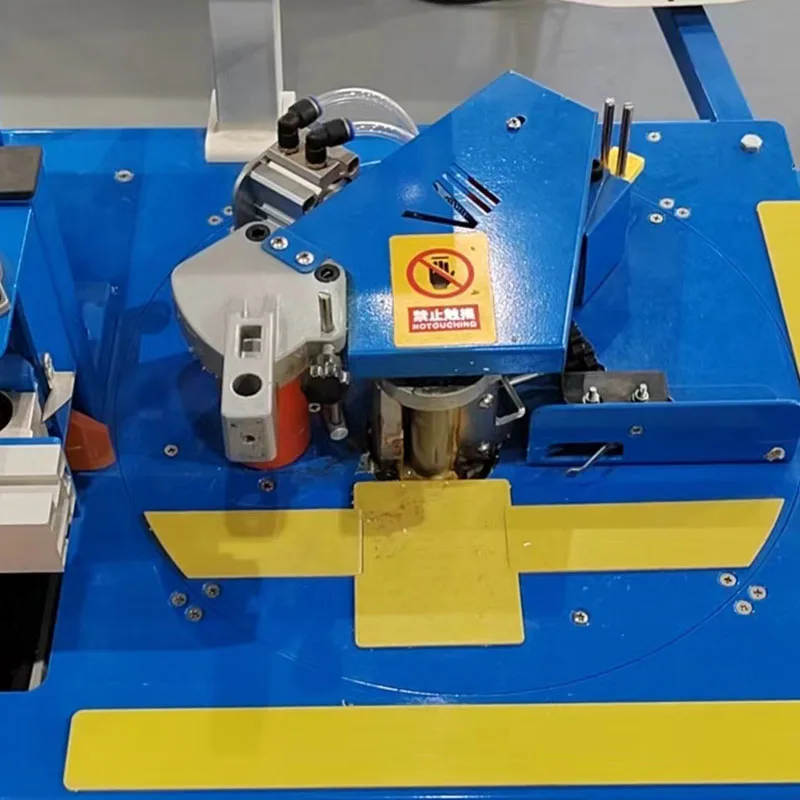
| Gluing Device Rotation | 180° for Curved Profiles |
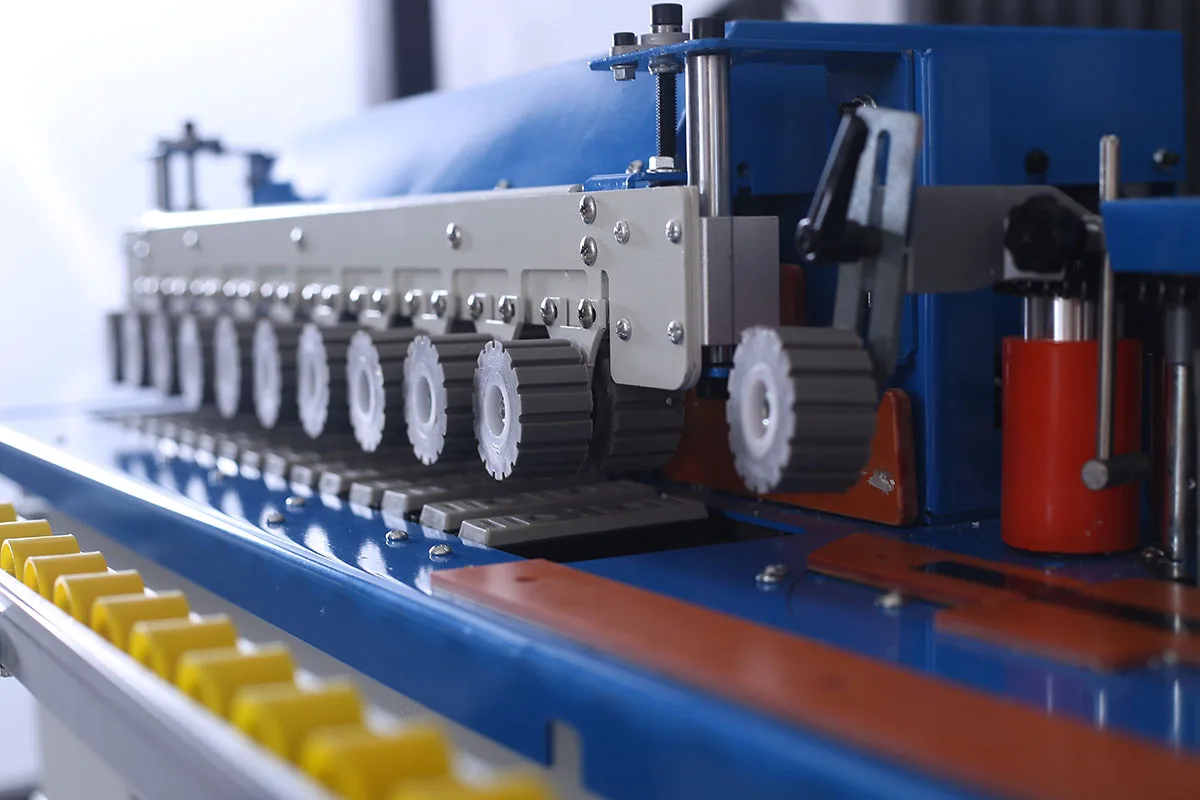
| Feed Mechanism | Double-Row Rubber Pressure Wheels |
| Trimming Stations | Up and Down with Integrated Dust Suction |
| Polishing Stations | Cross Polishing, Dual 180 W Motors |
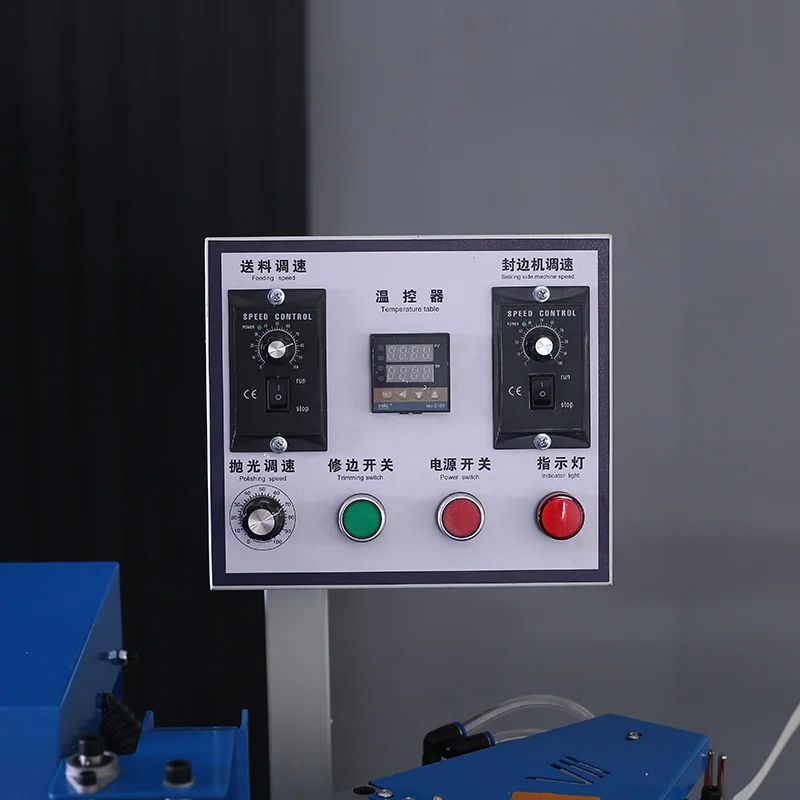
| Control System | Independent Function Control Panel |
| Overall Dimensions | 120 × 54 × 72 cm |
| Net Weight | 81 kg (source value — verify against manufacturer catalog) |
| Assembly State | Partially Assembled, KD Packing for Small Parts |
Application Suitability
| Application | Material or Output |
|---|---|
| Straight edge banding on cabinet panels | MDF and particleboard with PVC or melamine edge tape |
| Curved profile banding for custom furniture | Plywood and shaped MDF with veneer or PVC banding |
| On-site repair and field trimming | Solid wood panels and pre-laminated board stock |
| Small-batch workshop production | Mixed panel substrates, thickness 0.3–3 mm edge tape |
| Joinery shop transitioning from manual finishing | Furniture-grade boards requiring double-sided adhesive bond |
Why the Voltage Question Must Come Before the Click
A portable edge banding machine in stock fast delivery is useless if it arrives wired for a supply your workshop does not have.
I once watched a customer’s entire custom cabinet line sit idle for three weeks. They had ordered a 380V unit that arrived at a 220V workshop, burned the motor on first start-up, and then waited for a replacement across two continents. The ZDS160 ships at 220V single-phase by default, which fits many small workshops and field sites. But if your local grid runs at a different voltage or frequency, the adaptation must happen before the crate is nailed shut — not after the machine is unboxed and plugged in [NEED_CITE: voltage and frequency standards by export market]. Confirming the electrical specification at the quotation stage costs nothing. Discovering a mismatch on arrival costs weeks.
Dispatch Timeline Without the Guesswork
When a joinery shop or custom furniture maker searches for a portable edge banding machine in stock fast delivery, the real question underneath is whether the machine will arrive before the next production deadline. The ZDS160 is stocked in standard 220V configuration, meaning the unit can be crated and dispatched on a compressed timeline once the electrical and language specifications are confirmed. For workshops running tight installation schedules or replacing a failed unit mid-project, this eliminates the typical multi-week lead times associated with built-to-order machines.
Compact Footprint Meets Dual-Profile Capability
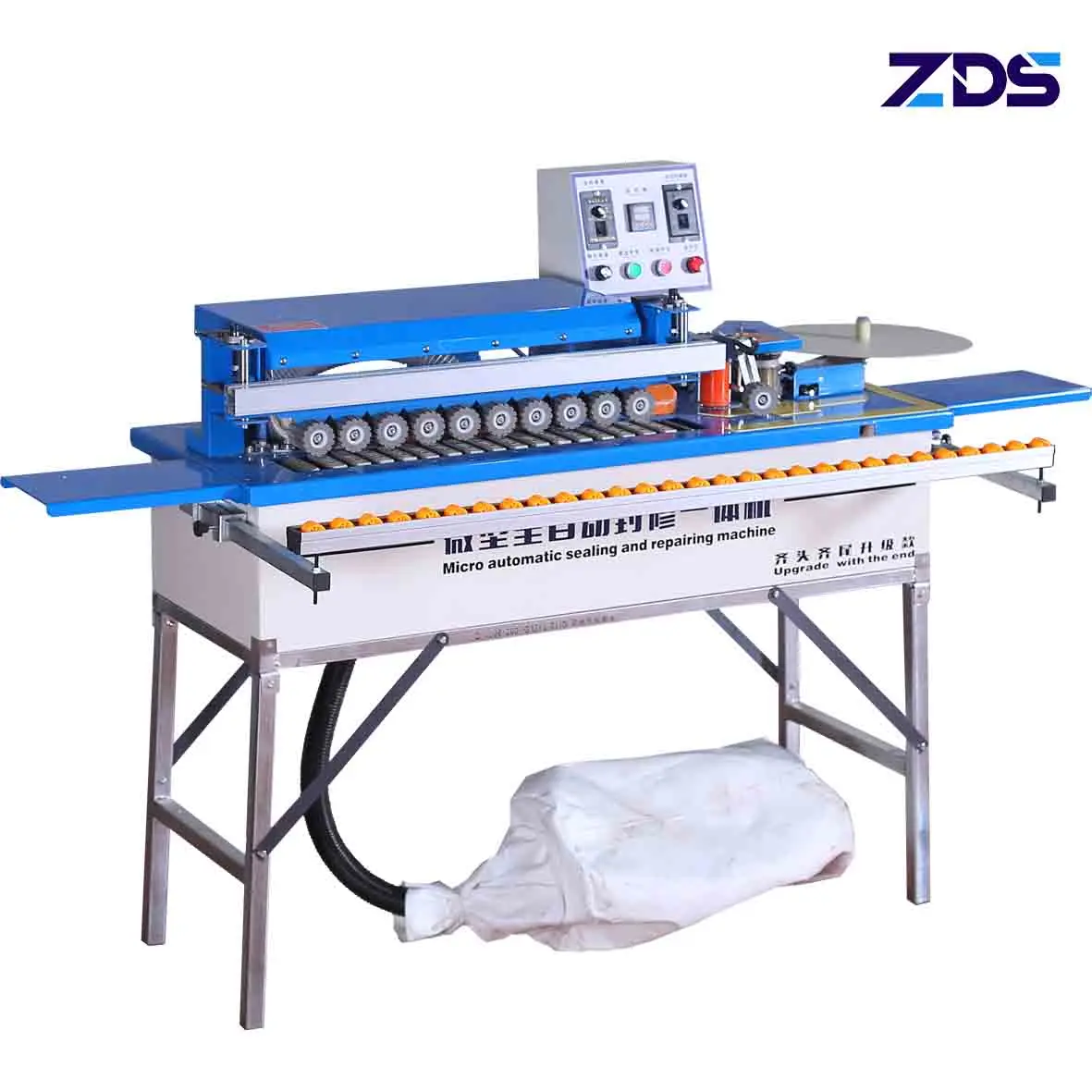
What separates this machine from a basic hand-held router is the 180° rotatable gluing device. Most portable banders handle straight edges only, forcing the operator to switch to a separate fixture or hand method for any curved panel. The ZDS160 rotates its gluing head to follow curved profiles without fixture changes, keeping double-sided adhesive application consistent across both geometries. For a small workshop processing mixed orders — some square cabinet carcases, some shaped shelf fronts — this means one machine covers both profiles within a single production run [NEED_CITE: CE machinery directive requirements for edge banding equipment].
Reading the Specifications That Actually Matter on the Shop Floor
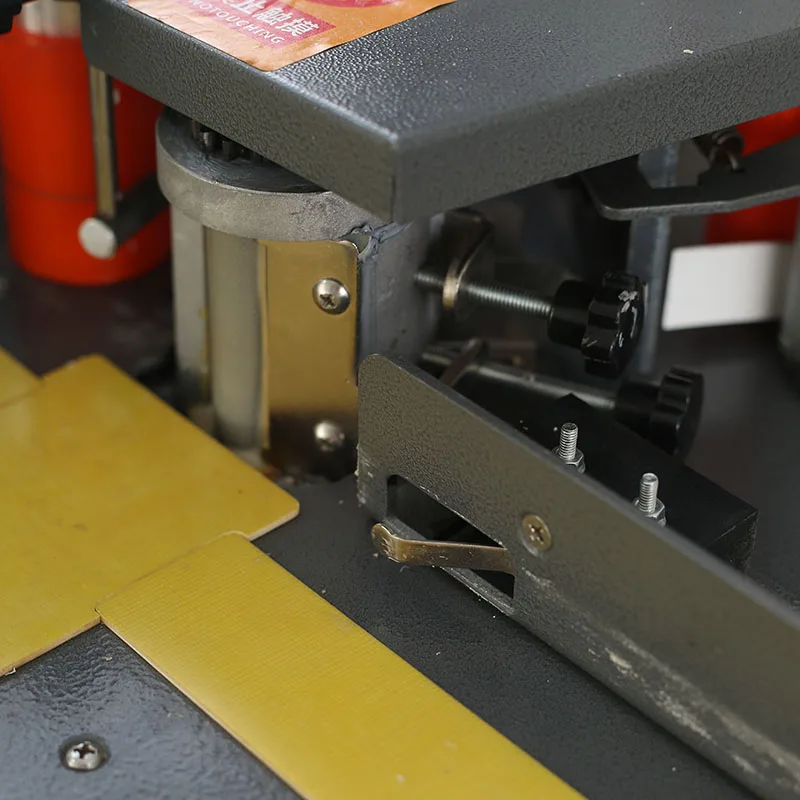
The 0–6 m/min edging speed range matters because different substrates demand different feed rates. Feeding MDF too fast through the trimming station risks chipping the core, while slowing down for plywood allows the dual 800 W trimming motors to clean the edge without tear-out. The double-row rubber pressure wheels hold panels against the feed belt with enough grip to prevent slippage on laminated surfaces, yet gentle enough not to mar pre-finished veneers. The integrated 1200 W dust suction at the trimming station captures shavings at the cut point, which matters in small workshops where airborne PVC and MDF dust accumulates on nearby assemblies and finishes. The edge height range of 10–60 mm and thickness range of 0.3–3 mm cover the majority of standard furniture tape dimensions, from thin veneer wraps to thicker PVC impact protection on cabinet fronts.
What Happens When Spec Verification Gets Skipped
Ordering a portable edge bander on availability alone — without confirming voltage, control language, or consumable compatibility — creates downstream failures that stop production entirely. A control panel printed in a language the operator cannot read means commissioning stalls until a translation is sourced. A spare parts list that does not match the consumables stocked locally means a worn trimming blade or pressure wheel becomes a multi-week outage. For a small custom furniture shop running one or two machines, there is no backup line to absorb the delay [NEED_CITE: impact of spare part lead times on small workshop downtime].
Why Sourcing This Unit Here Reduces Arrival-Side Surprises
The ZDS160 is manufactured in-house with patented cutting mechanisms and verified trimming tolerances, not relabeled from a trading desk. Voltage confirmation is treated as a required step in the order process, not an optional checkbox. Pre-shipment testing includes a documented run on actual panel stock, with photographs taken before the crate closes. The four-stage QC process — incoming material, in-process, finished product, and pre-shipment verification — catches motor winding and wiring mismatches before they reach a port. Engineer-led configuration ensures the unit matches the buyer’s stated electrical supply, language preference, and panel processing requirement before production is scheduled.
Documentation & Verification
- CE declaration of conformity specific to the portable edge banding machine category
- Machine specification sheet confirming 220V rating and 0.3–3 mm tape thickness range
- Electrical schematic with voltage and frequency confirmation matched to buyer’s grid
- Factory test record on buyer’s panel material and edge tape before dispatch
- Operation and maintenance manual in the operator’s confirmed language
- Packing photographs showing the actual unit before crate closure
Installation, Commissioning & Support
- Requires a dedicated 220V single-phase circuit rated for the combined 1200 W suction and trimming motor loads
- Arrives partially assembled; small spare parts in KD packing require bench-top fitting on arrival
- Initial commissioning includes trimming motor calibration for the buyer’s specific edge tape thickness range
- Independent function control panel allows station-by-station testing before full-speed production runs
- Double-row rubber pressure wheels should be inspected for alignment before first curved-profile job
- Integrated dust suction port connects to a standard workshop extraction system or standalone collector
What to Confirm Before Placing the Order
To ensure the ZDS160 arrives ready for your workshop, share your local voltage and frequency standard, the primary panel materials and edge tape types you process, and the language required for the operation manual. If you are replacing an existing machine, note its feed height and any upstream or downstream equipment it must align with. Specifying these details at inquiry stage prevents rework after dispatch.
Frequently Asked Questions
Q: Is the ZDS160 in stock and what is the typical dispatch lead time?
A: The standard 220V configuration is stocked for faster dispatch compared to built-to-order units. Lead time depends on the destination port and any specification adaptations requested. Confirming voltage, language, and edge tape compatibility at the inquiry stage ensures the unit ships without delay.
Q: Does the 220V rating match my local power supply, and can the voltage be adapted?
A: The ZDS160 ships at 220V single-phase as standard. If your local grid operates at a different voltage or frequency, adaptation must be specified at the quotation stage. Request electrical confirmation in writing before the order enters production to avoid motor damage on arrival.
Q: Can I order a single unit, or is there a minimum order quantity?
A: Single-unit orders are accepted. The ZDS160 is packaged for individual shipment with KD-packed small parts. There is no minimum order quantity, making it suitable for workshops adding one portable edge bander to an existing setup.
Q: What shipping options are available, and is door-to-door delivery supported?
A: Shipping options depend on destination and urgency. Door-to-door delivery can be arranged based on the buyer’s location and local logistics infrastructure. Confirm delivery terms and any import documentation requirements at the order stage to avoid port-side delays.
Q: How is the machine packed, and do I need to assemble anything on arrival?
A: The ZDS160 arrives partially assembled with small spare parts in KD packing. Bench-top fitting of minor components is required on arrival. The operation manual in your confirmed language covers assembly steps, and packing photographs are provided pre-dispatch for reference.