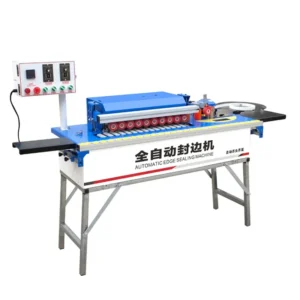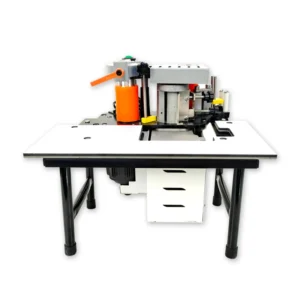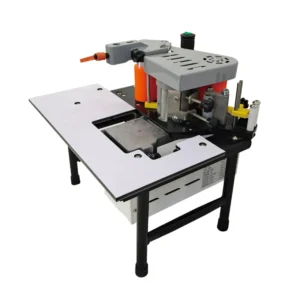
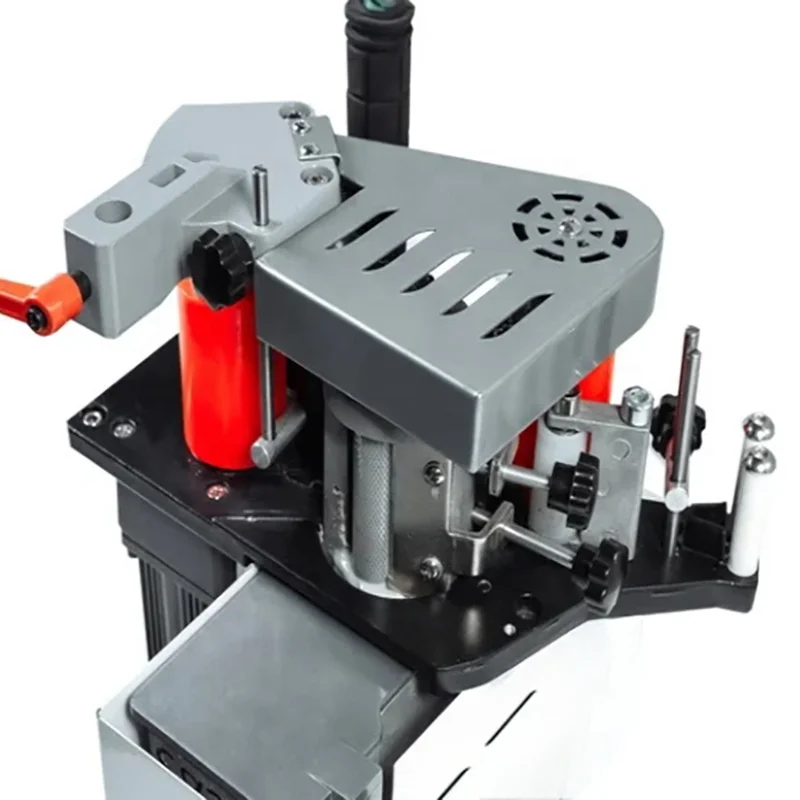
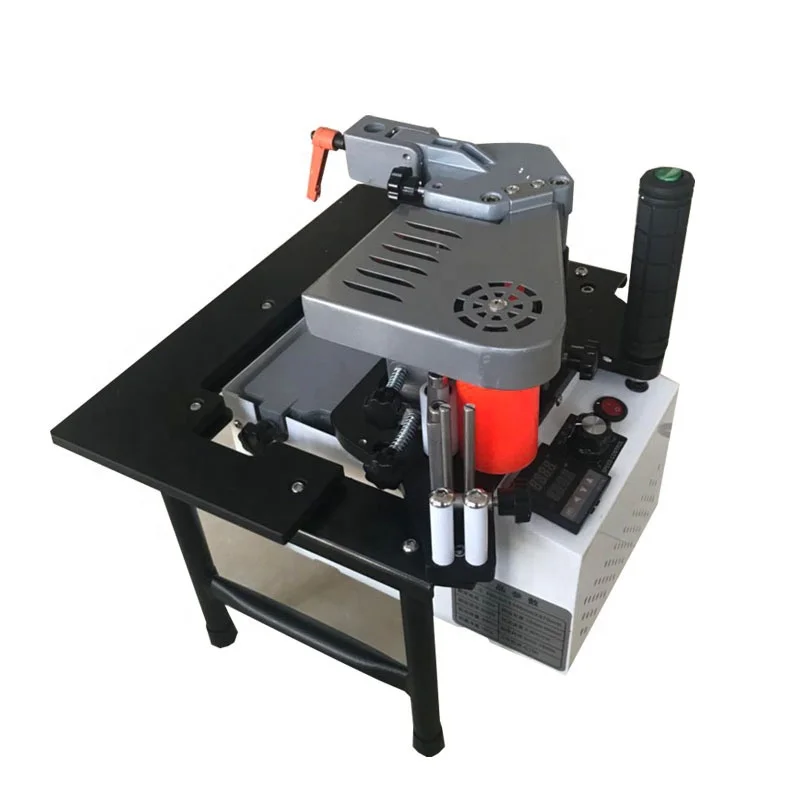
Description
Dispatch-ready configuration — Voltage and plug type confirmed per destination before any Portable Edge Banding Machine in stock leaves the warehouse, eliminating the dead-on-arrival surprise that stalls commissioning.
Technical Specifications
| Parameter | Value |
|---|---|
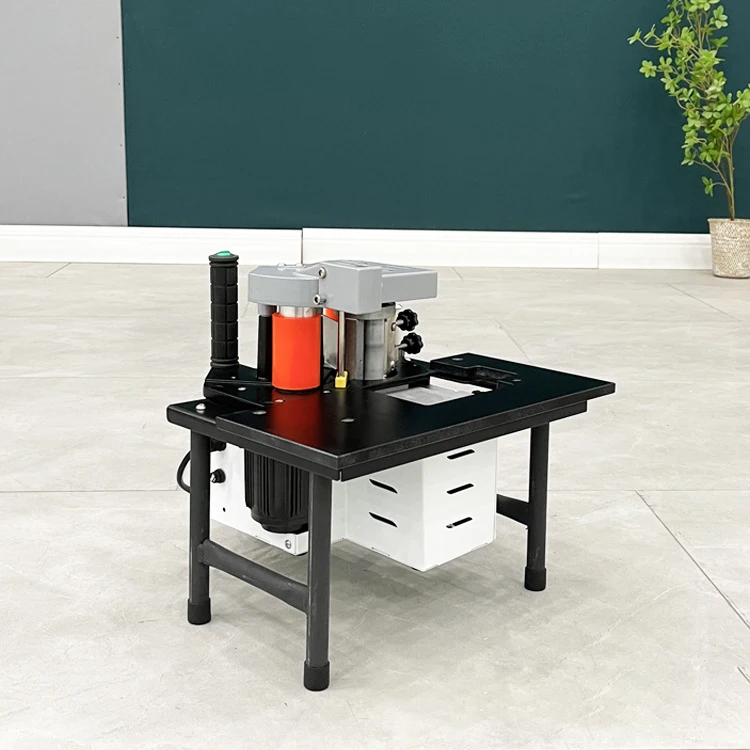
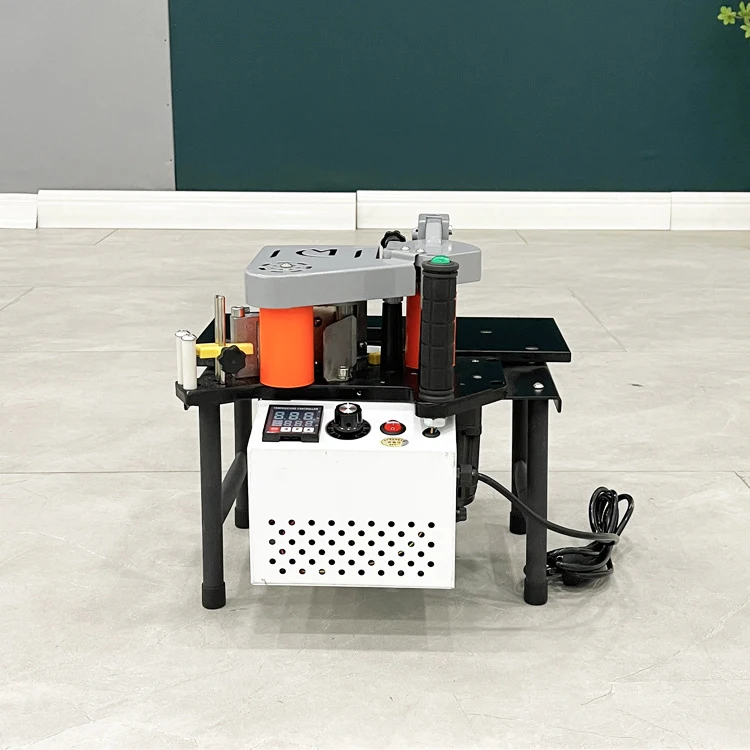
| Product Type | Manual Portable Edge Banding Machine |
| Shape of Edge-Banding Plates | Curved, Straight and Special-shaped Sheet |
| Edge Thickness Range | 0.3–3 mm |
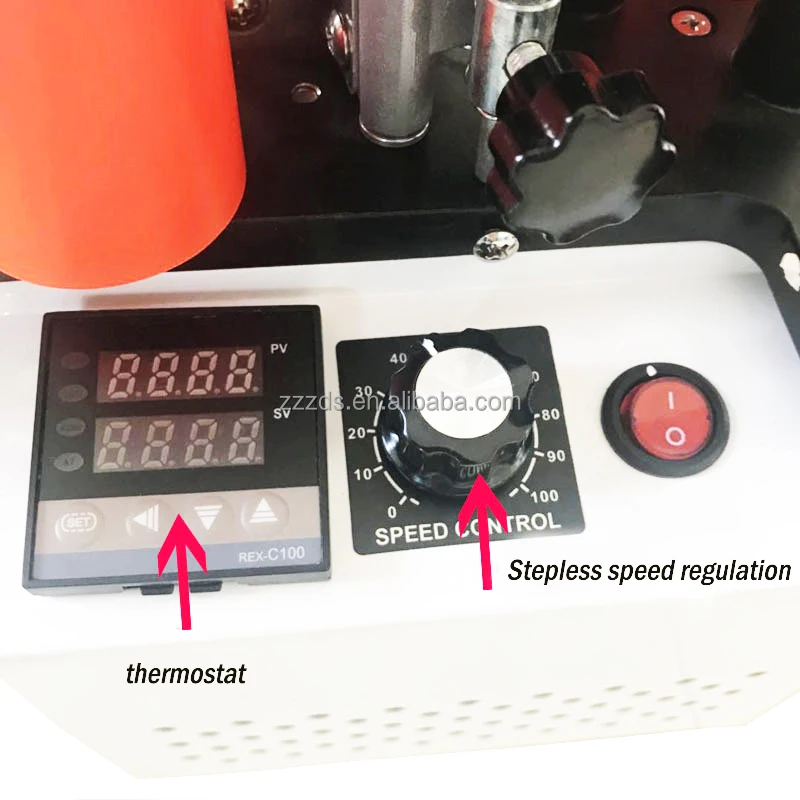
| Edge Sealing Speed | 0–6 m/min |
| Edge Sealing Height Range | 7–60 mm |
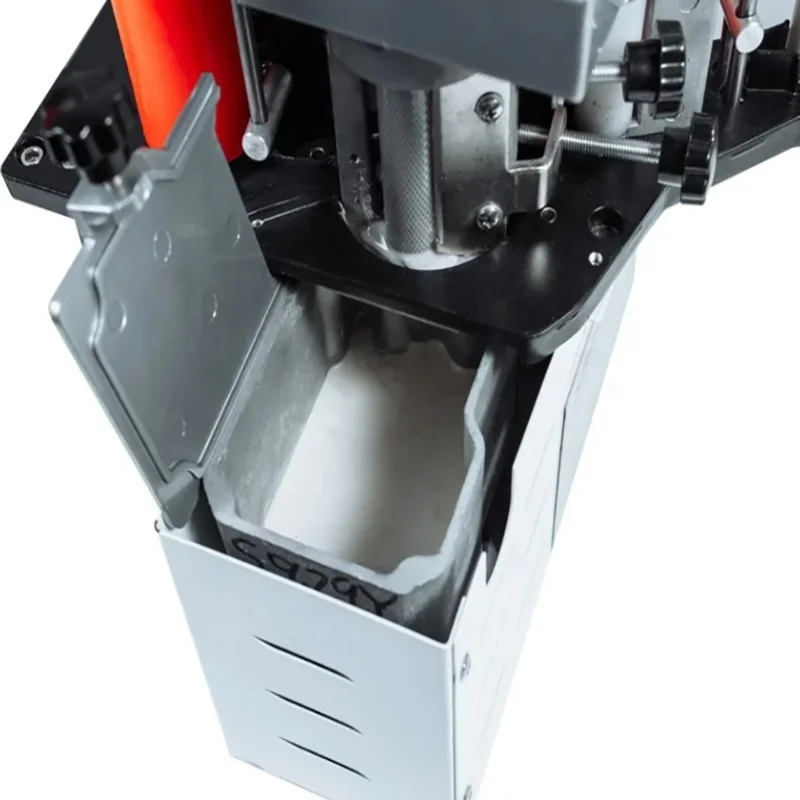
| Gluing Method | Double-sided gluing |
| Glue Pot Volume | 1000 ml |
| Machine Weight | 14 kg |
| Plug Options | EU / AU / UK / USA / CN plug available |
| Assembly State | Portable, hand-held operation |
| Control System | Manual |
| Logo Customization | Available |
Application Suitability
| Application | Material or Output |
|---|---|
| Small cabinet shop edge finishing | MDF, plywood and particleboard panels with PVC or veneer banding |
| On-site joinery and curved panel work | Solid wood and shaped boards requiring hand-guided banding |
| Startup workshop transitioning from manual trimming | Melamine-faced boards in low-volume custom furniture runs |
Why the Plug Question Matters Before You Click "Order"
A Portable Edge Banding Machine in stock is only useful if it actually powers on when it reaches your bench. I have watched a German cabinet maker lose three weeks of production because the machine arrived with a plug and voltage rating that did not match his workshop supply, forcing a transformer retrofit while partially finished orders sat in the queue. [NEED_CITE: voltage and frequency standards by export market]
The gap between a warehouse listing and a working machine on your shop floor is almost always a conversation that did not happen. Buyers compare feed speed and glue pot volume but forget to ask whether the motor winding matches local frequency. A unit rated for 50 Hz running on 60 Hz mains will spin faster, overheat, and fail in ways that look like a manufacturing defect but are really a specification mismatch. That is why every dispatch from our stock includes a written voltage and plug confirmation matched to the destination country before the crate is sealed.
What Ships When You Order From Stock
The appeal of a ready-warehouse unit is speed, and speed only works if the configuration is already right. Each Portable Edge Banding Machine in stock is held with a defined plug option — EU, AU, UK, USA or CN — so the lead time you see is the lead time you get, not a starting point for a negotiation about rewiring.
The Difference Between "In Stock" and "Ready For You"
Inventory sitting on a shelf becomes useful only when someone verifies that the electrical specification matches your facility. Our dispatch process pairs the stock unit with a pre-shipment test record and packing photographs so you can confirm the machine ran correctly under the exact voltage it will see in your workshop. [NEED_CITE: CE machinery directive requirements for industrial equipment] This is the step that separates a fast delivery from a fast problem.
Reading the Numbers That Actually Matter on a Hand-Held Bander
The 0.3–3 mm edge thickness range covers the banding stock most small workshops use daily, from thin PVC on melamine shelving to thicker veneer on solid wood cabinet doors. The 7–60 mm sealing height range accommodates standard panel thicknesses without requiring fixture changes mid-job. Double-sided gluing through a 1000 ml pot means adhesive reaches both the panel edge and the banding backing simultaneously, which is what keeps the bond consistent when you guide the machine around a curve by hand. The 0–6 m/min feed speed is operator-controlled*ong straight runs without fighting a fixed feed rate. At 14 kg the unit sits on a bench or travels to a job site without a dedicated trolley, which matters when the workpiece is too large to bring to the machine.
What Happens When Voltage Gets Ignored
The cost of a mismatched electrical setup is never just a replacement fuse. Operators force machines into service with step-down transformers that introduce voltage sag under load, causing the glue pot heater to run below temperature and produce weak bonds that only show up when a customer pulls a cabinet door off its hinges. [NEED_CITE: electrical supply stability and heating element performance in edge banding] That is a warranty conversation nobody wants to have, and it starts with a five-minute question that never got asked.
Why Buyers Keep Coming Back to This Stock Channel
You get a confirmed electrical match documented before dispatch, not a hope that the standard configuration will work. The Portable Edge Banding Machine in stock ships with an operation manual in the language your operator reads, so commissioning day does not turn into a translation exercise. Single-unit orders move through the same verification process as larger batches, meaning a small joinery shop receives the same pre-shipment test record and packing photographs a distributor would expect. Engineer configuration support is available within one working day if you need to confirm whether this unit fits your panel range or whether a different tier in the product family suits your throughput.
Documentation & Verification
- Pre-shipment test record run on panel thickness within your specified range
- Electrical schematic confirming voltage, frequency and plug type for destination country
- Operation and maintenance manual in your agreed language at delivery
- Packing photographs showing machine condition before crate sealing
- CE declaration of conformity included with shipping documents
Installation, Commissioning & Support
- Benchtop placement on any stable surface rated for 14 kg plus workpiece load
- Single-phase power connection matching confirmed voltage and plug option
- Hand-held unit arrives fully assembled with glue pot ready for first fill
- Manual feed speed calibration guided by included operation documentation
- Spare parts list covering glue pot seals, feed rollers and heating elements
- Routine glue pot cleaning cycle documented to prevent adhesive buildup
What to Tell Us Before We Dispatch
Send the panel materials and thicknesses you run most often so we can confirm the 7–60 mm sealing height range covers your stock. Share your workshop voltage and frequency so the correct motor winding and plug option are allocated from inventory rather than guessed. If you work with curved or special-shaped panels, describe the typical radius so we can advise whether this portable unit or a bench-top automatic model better fits your output profile.
Frequently Asked Questions
Q: What plug and voltage options are available for my country?
A: The unit ships with EU, AU, UK, USA or CN plug options. We confirm your local voltage and frequency before allocation so the motor winding and heater element match your supply. This verification is documented in the pre-shipment test record you receive with the machine.
Q: How quickly can this machine be dispatched from stock?
A: Stock units dispatch after the electrical specification is confirmed and the pre-shipment test is completed. The Portable Edge Banding Machine in stock does not require a production lead time, so the timeline depends on the verification step and your chosen shipping method.
Q: What edge banding materials and thicknesses does it handle?
A: The machine accepts PVC, veneer and melamine banding from 0.3 mm to 3 mm thick. The double-sided gluing system and 1000 ml glue pot provide consistent adhesive coverage across this full range, and the manual feed lets you adjust speed to suit each material.
Q: Is it suitable for both straight and curved panel edges?
A: Yes. The machine is designed for curved, straight and special-shaped sheet profiles. The portable hand-held format lets you guide the unit along contours that a fixed automatic feed cannot reach, which is valuable for custom joinery and shaped cabinet components.
Q: What is included in the package and how do I get started?
A: You receive the machine, an operation manual in your agreed language, a spare parts list and a pre-shipment test record. Fill the glue pot with the appropriate adhesive for your banding material, connect to your confirmed power supply, and run a test piece before starting production.