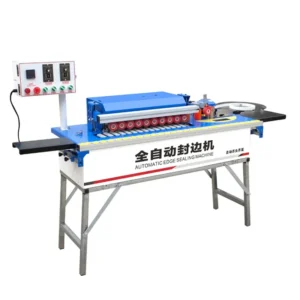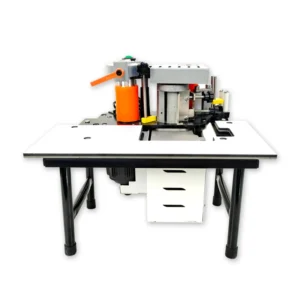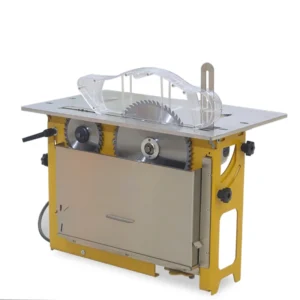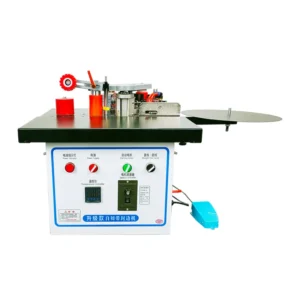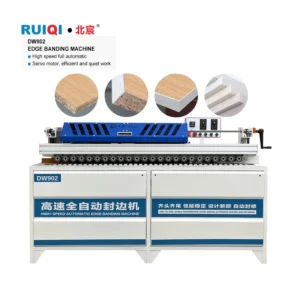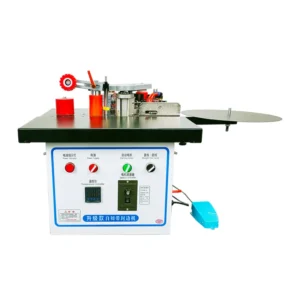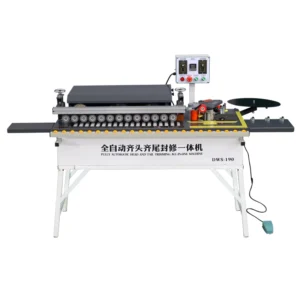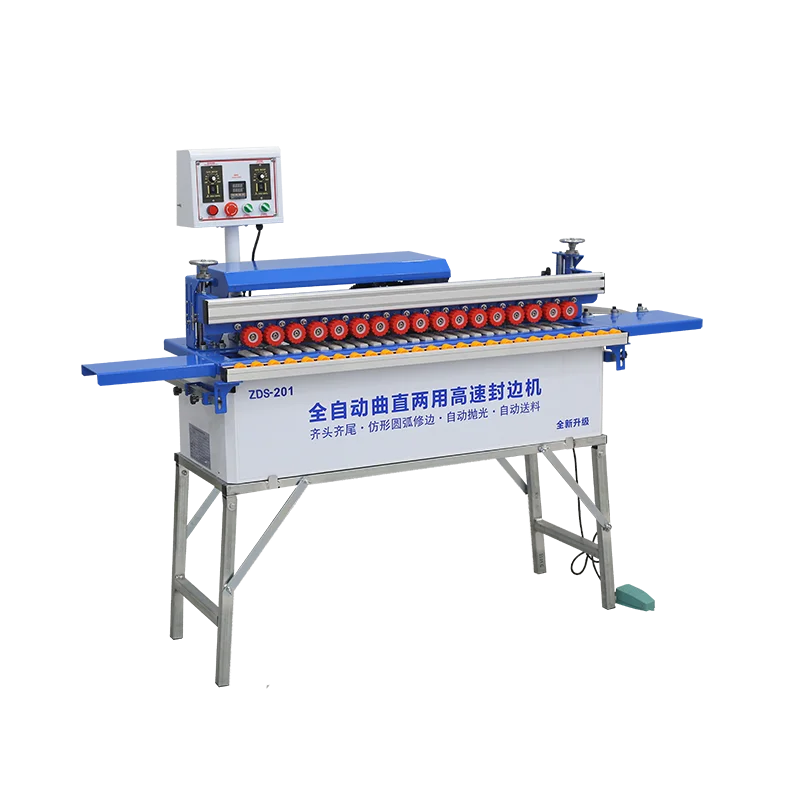
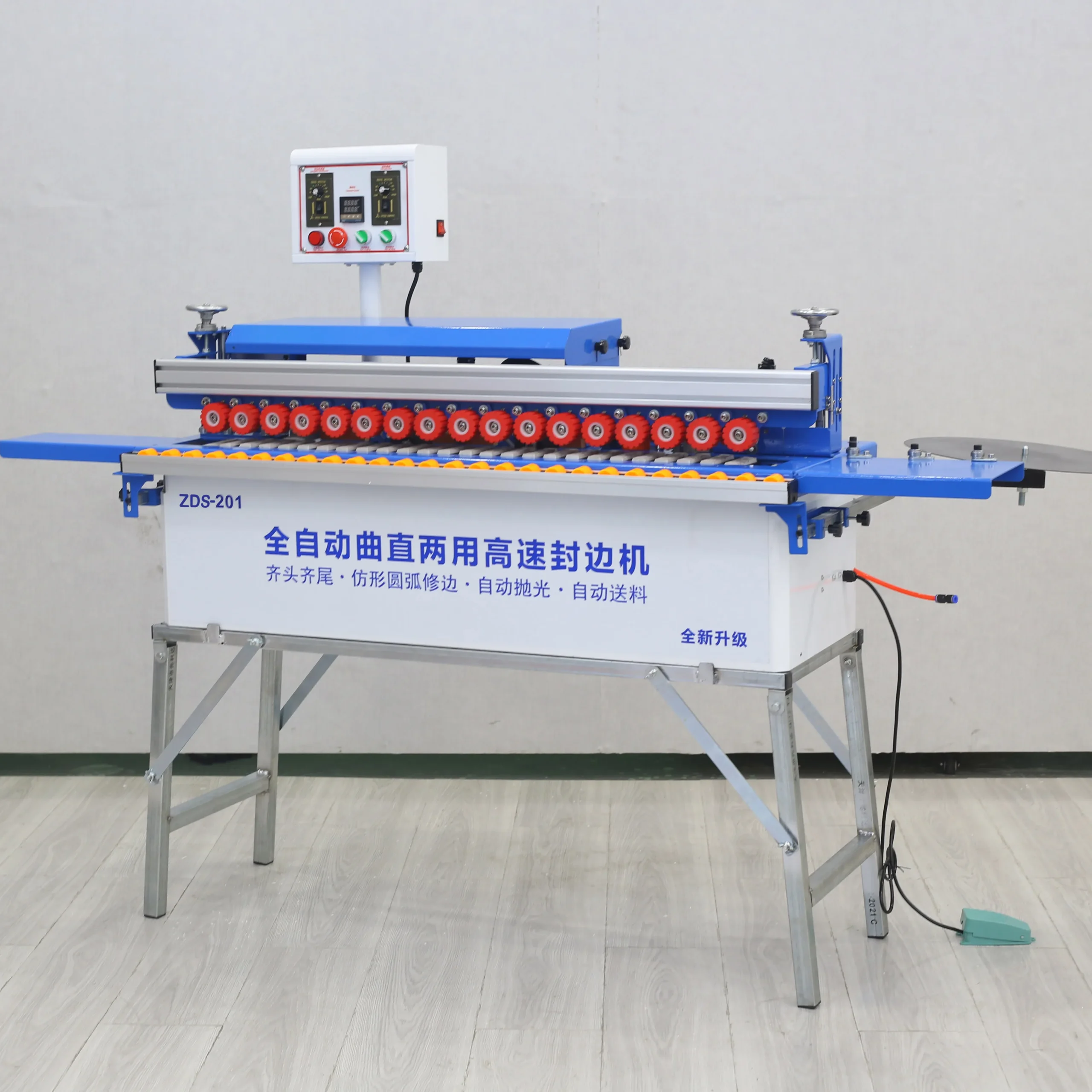
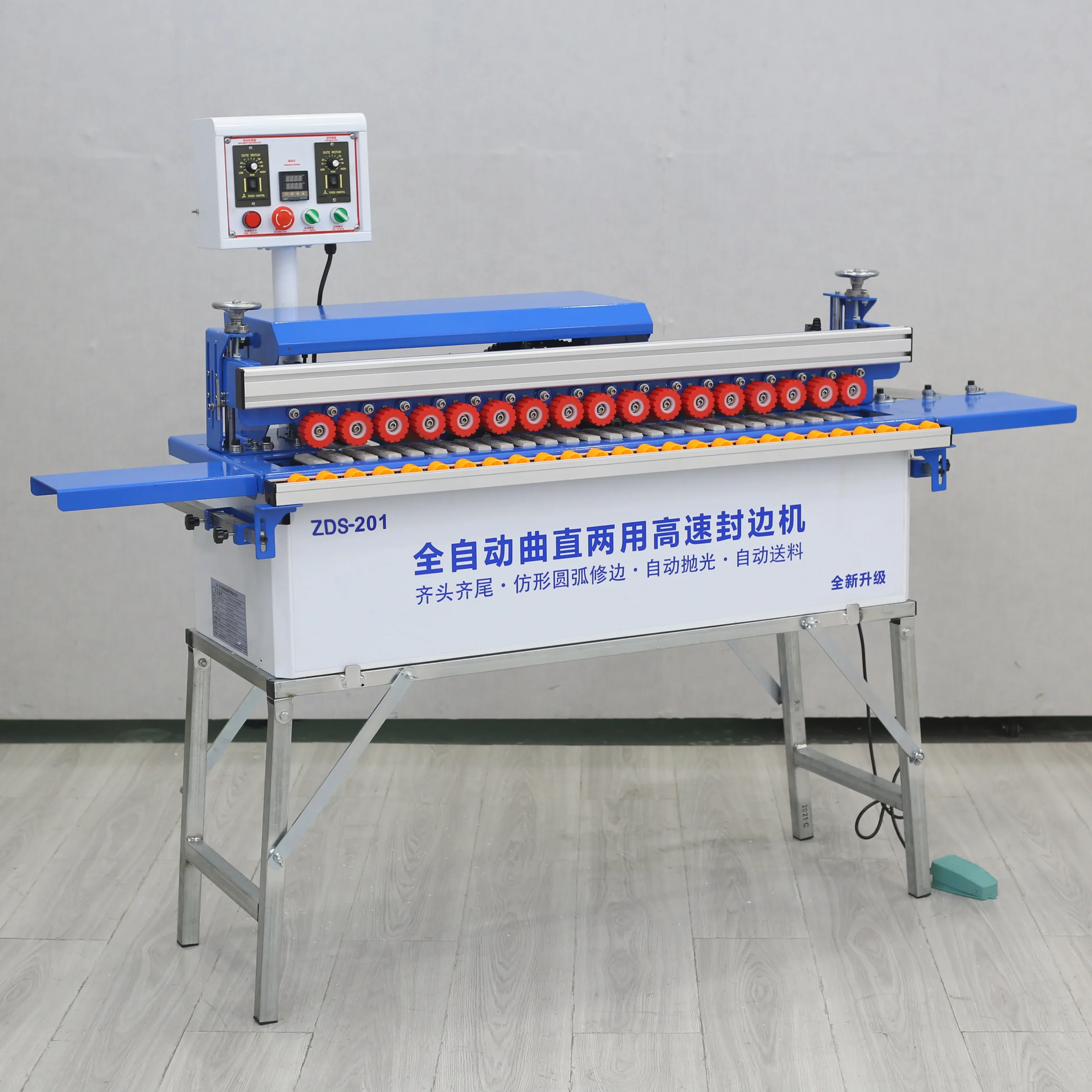
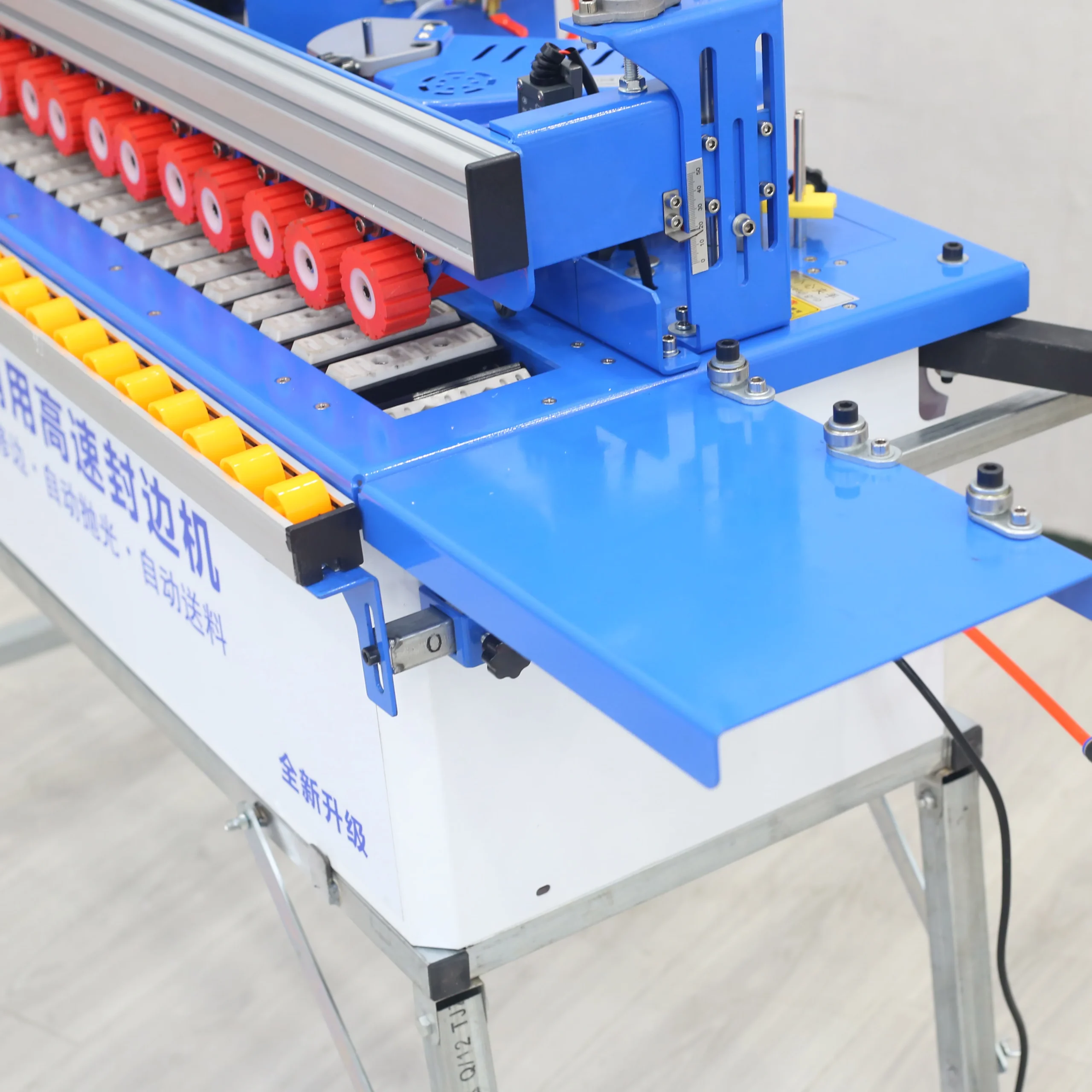
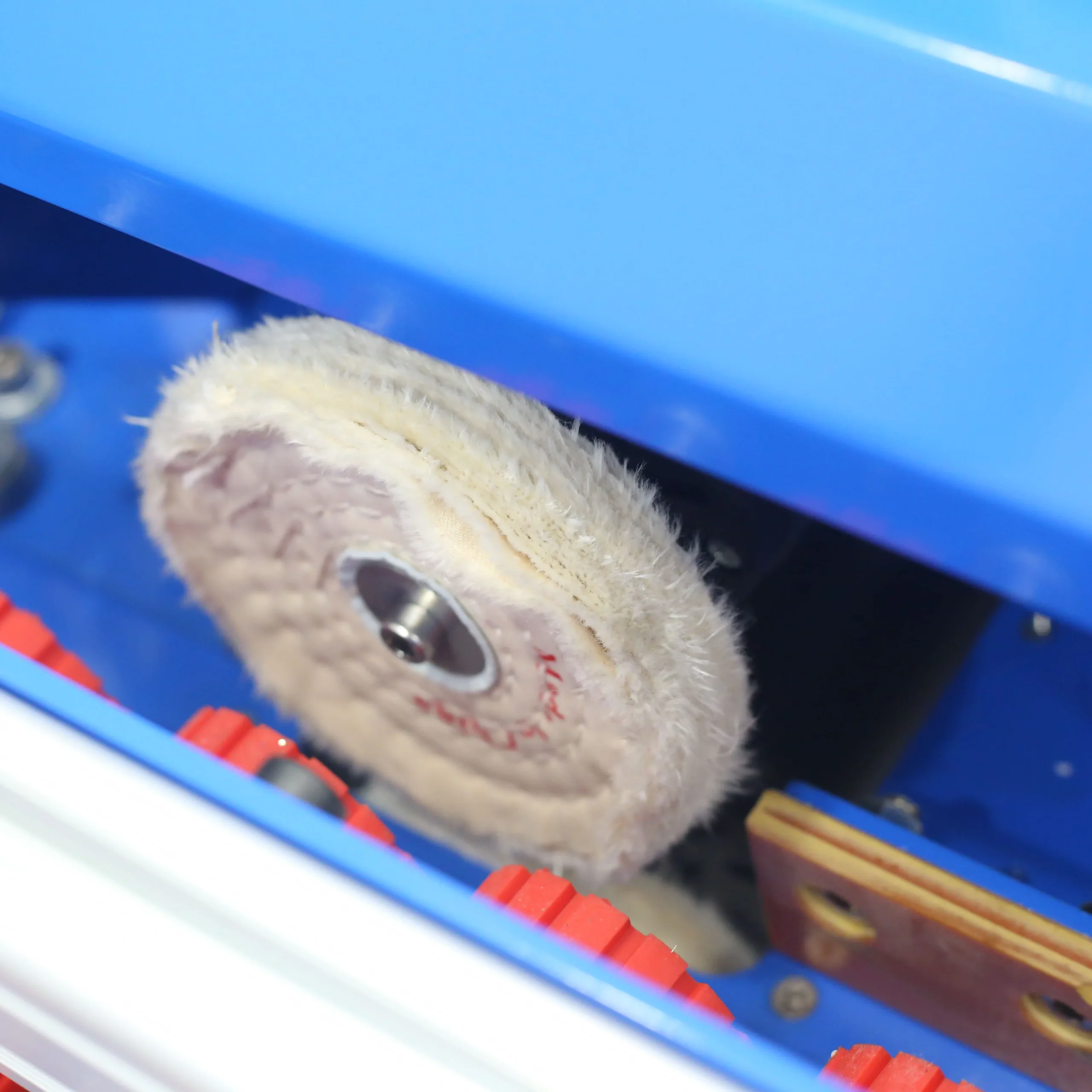
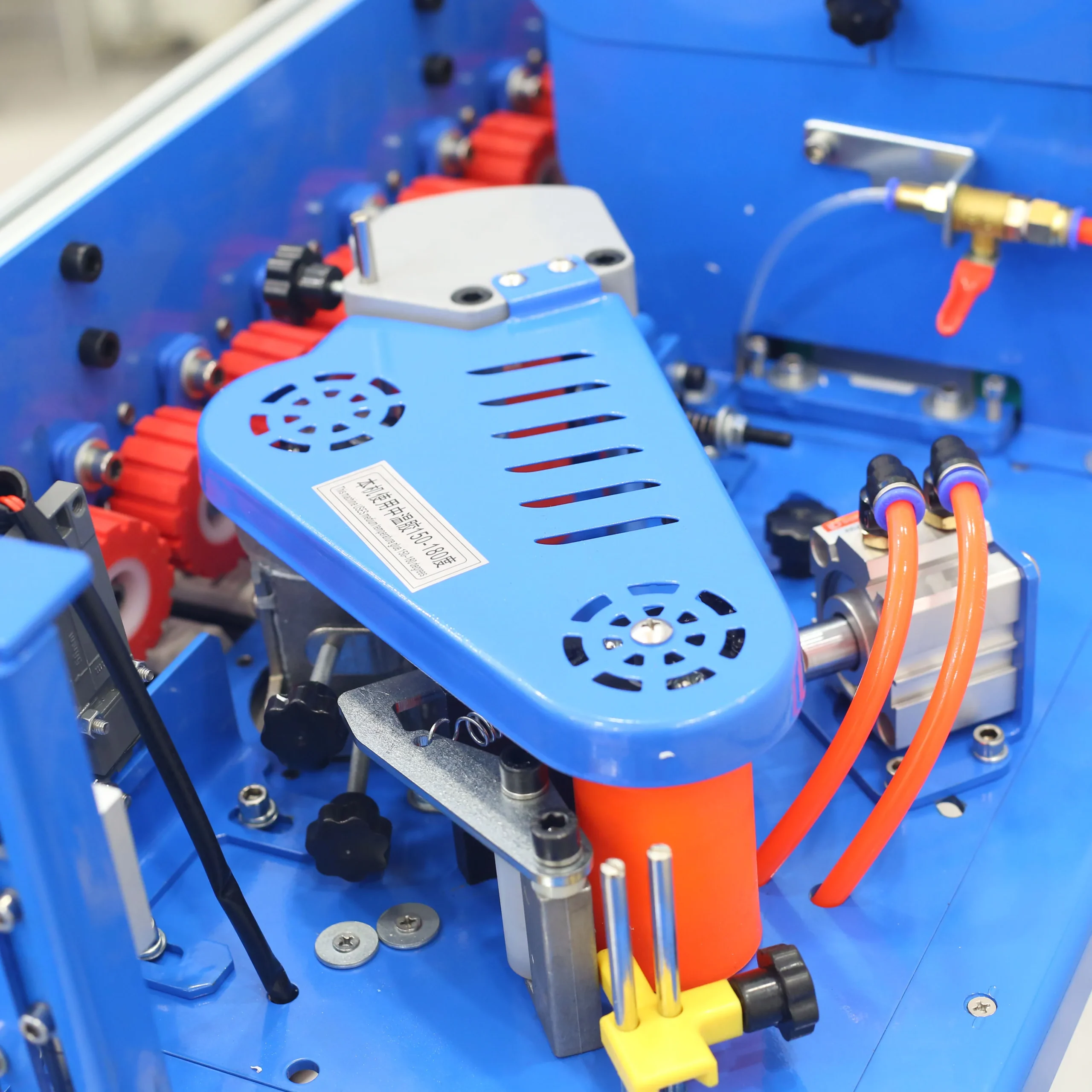
Description
Stocked for Dispatch — Every automatic edge banding machine leaves our Shandong floor only after the voltage and frequency match your workshop’s grid in writing, not guesswork.
Technical Specifications
| Parameter | Value |
|---|---|
| Product Type | Automatic Curved and Straight Edge Banding Machine |
| Total Power | 3 kW |
| Heating Power | 1.2 kW |
| Transport Power | 180 W |
| Feeding Speed | 0–15 m/min |
| Edge Banding Speed | 0–26 cm/s |
| Panel Thickness Range | 8–50 mm |
| Edge Banding Thickness Range | 0.3–3 mm |
| Trimming Mechanism | Square slide rail profiling with 4-blade alloy arc cutter |
| Conveyance | Steel rod slide rail crawler transmission |
| Pressure Beam | Adjustable aluminum alloy |
| Edge Strip Cutting | Pneumatically controlled |
| Polishing | Cross polishing up and down |
| Dust Extraction | Dual large-diameter dust collectors |
| Control Panel | Multi-function button operation |
| Overall Dimensions (L×W×H) | 1200×450×750 mm |
| Net Weight | 85 kg |
| Function | Automatic Trimming and Buffing, Curved and Straight Edge Banding |
Application Suitability
| Application | Material or Output |
|---|---|
| Custom cabinet door edging | MDF and particleboard with PVC or melamine banding |
| Curved furniture components | Plywood and shaped MDF panels requiring profiled edge finishing |
| Small-batch joinery production | Solid wood panels and substrate boards in workshop environments |
| Startup furniture operations | Mixed panel materials transitioning from manual to machine-based edge finishing |
Why the Voltage Question Must Come Before the Dispatch Date
A ready-stock automatic edge banding machine is only ready if it can actually power on when it reaches your floor.
I once watched a cabinet line in Lagos sit dead for three weeks because nobody confirmed whether the local supply was 220V single-phase or 380V three-phase before the crate left China. The machine was fine. The transformer they had to source locally was not in the budget or the timeline. That stalled commissioning is the reason I now verify every electrical spec on a stocked unit before it ships [NEED_CITE: voltage and frequency standards by export market]. An Automatic Edge Banding Machine in stock means nothing if the operator cannot plug it into the workshop supply and run a test panel the same afternoon.
From Crate to First Panel in a Single Shift
The value of this Automatic Edge Banding Machine in stock is not just availability — it is the reduction of dead time between payment and production. Workshops that order a compact unit like this are usually filling a gap in an existing line or replacing a manual trimming station that has become a bottleneck. The 1200×450×750 mm footprint means it fits beside a sliding table saw or a panel divider without rearranging the floor plan. Once the voltage is confirmed and the correct plug or hardwire termination is fitted, the machine runs a test panel within hours of uncrating.
Dual-Mode Edge Work Without a Second Machine
Curved and straight edge banding on a single unit matters for joinery shops that produce both flat cabinet carcasses and shaped components like rounded shelf ends or curved reception desk fronts. The 180-degree rotation capability and the 4-blade alloy arc cutter head handle the transition without swapping tooling or moving the panel to a separate profiling station. For a small workshop running varied orders, that flexibility removes the need to justify a second dedicated machine for curved work that may only account for a portion of weekly output [NEED_CITE: typical workshop configuration for mixed straight and curved panel production].
Reading the Numbers That Actually Matter
The 8–50 mm panel thickness range covers the majority of furniture-grade MDF, particleboard, and plywood used in cabinet and shelving production. Thinner stock below 8 mm tends to flex under the pressure beam, while boards above 50 mm exceed the crawler clearance and require a heavier industrial class of edge bander. The 0–15 m/min feeding speed is adjustable, letting operators slow the feed for curved sections where the trimming mechanism needs more dwell time on the profile, then open it up for long straight runs on standard carcass panels.
The 4-blade alloy arc cutter on the square slide rail produces a smooth radius on curved edges that typically eliminates the need for hand-sanding before final assembly. Pneumatically controlled edge strip cutting delivers a clean end-cut at the panel boundary, which directly affects how tight the joint appears once the cabinet is assembled. The dual dust collectors capture trimming debris at the source — important in enclosed workshops where airborne MDF dust accumulates on glue pots and control surfaces [NEED_CITE: MDF dust extraction requirements in enclosed joinery workshops].
What Happens When Configuration Is Skipped
Buying a stocked edge bander without confirming the pressure beam adjustment range against your actual panel thickness leads to feed slippage on thin stock and surface crushing on thicker boards. Operators compensate by slowing the feed rate, which negates the throughput advantage of having a powered machine in the first place. Equally, skipping the language confirmation on the control panel means the person setting glue temperature and feed speed is guessing at labels they cannot read. That guesswork produces inconsistent edge adhesion and trimming faults that only show up during assembly [NEED_CITE: common commissioning failures in exported woodworking machinery].
Why This Stock Channel Exists
Every unit in this inventory has its voltage and frequency locked to the destination market before dispatch, eliminating the transformer delay that stalls workshop startups. The 3 kW total power requirement means this machine runs on a standard workshop circuit without a dedicated high-amperage supply line. Pre-shipment testing records travel with the crate, documenting performance on the panel thickness range specified in the order. Spare parts lists and packing photographs are included so that customs inspection and receiving verification happen without email delays. The multi-function button control panel is specified in the operator’s working language before the machine leaves the floor.
Documentation & Verification
- CE declaration of conformity specific to this edge banding model and power rating
- Factory test record documenting trimming finish on your specified panel thickness range
- Electrical schematic confirming voltage and frequency matched to your local supply standard
- Operation and maintenance manual in the agreed operator language
- Spare parts list with part numbers for trimmer blades, feed rollers, and dust collector filters
- Packing photographs for receiving inspection and customs clearance
Installation, Commissioning & Support
- Requires a level concrete floor section within the 1200×450 mm footprint with clearance for panel infeed and outfeed
- Dedicated 3 kW circuit with correct voltage and frequency as confirmed on the electrical schematic
- Arrives assembled — connect power and compressed air supply for pneumatic edge strip cutting
- First-run parameter setup covers glue pot temperature, feed speed, and pressure beam adjustment for your panel stock
- Trimmer blade alignment checked against curved and straight test panels included in pre-shipment record
- Dust collector ducting connected to the dual large-diameter ports before operation begins
Before You Request a Quote
Send us the panel materials you run most often — MDF, particleboard, plywood, or solid wood — along with the thickness range and edge banding material type. Confirm your workshop voltage and frequency so the electrical configuration is correct before the unit is pulled from stock. Let us know whether curved edge profiling is a regular requirement or an occasional job, as that determines the trimming setup we prepare before dispatch.
Frequently Asked Questions
Q: What stock models are available for immediate dispatch and what is the typical lead time?
A: This automatic curved and straight edge banding machine is held in ready stock for single-unit orders. Dispatch lead time covers the pre-shipment electrical verification, test run on your specified panel material, and crating. Once the voltage and language configuration are confirmed in writing, the unit typically ships within days rather than the multi-week production cycle required for built-to-order machinery.
Q: How is voltage and frequency confirmed before shipment to avoid unusable equipment on arrival?
A: Before any stocked unit is released, we obtain written confirmation of your workshop supply voltage and frequency. The motor wiring, heating element, and control transformer are then configured or verified to match. An electrical schematic reflecting the confirmed specification travels with the machine so your electrician can verify the connection at installation without ambiguity.
Q: Can this machine handle my panel thickness and edge banding material combination?
A: The machine covers panel thickness from 8 to 50 mm and edge banding thickness from 0.3 to 3 mm, which includes standard PVC, melamine, and veneer strips used in furniture production. Send us your specific material combination and we will run a compatibility check and, where needed, a sample trimming test before dispatch to confirm the finish quality on your actual stock.
Q: What is the footprint and power requirement for workshop installation?
A: The overall dimensions are 1200×450×750 mm with a net weight of 85 kg, fitting into compact joinery workshops alongside existing saws or boring machines. Total power draw is 3 kW, which includes the 1.2 kW heating element for the glue pot and the 180 W transport motor. A standard workshop circuit with the confirmed voltage is sufficient — no dedicated high-capacity supply line is required.
Q: How are spare parts and consumables supplied after delivery?
A: Every shipment includes a spare parts list with numbered references for wear items such as the 4-blade alloy arc cutter heads, feed crawler components, and dust collector filters. Consumable replacement parts are ordered against that list and shipped separately. The operation manual specifies maintenance intervals so you can plan reorder timing before critical components reach end of service life.