

Description
Voltage-first dispatch protocol — Every ZDSF190 unit is verified for local 220V 50Hz compatibility before release, preventing the two-week transformer delays I once saw strand an entire production line overseas.
Technical Specifications
| Parameter | Value |
|---|---|
| Model | ZDSF190 |
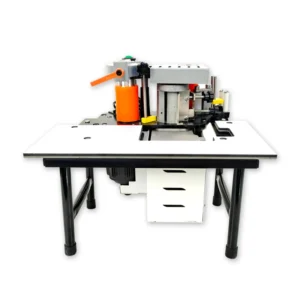
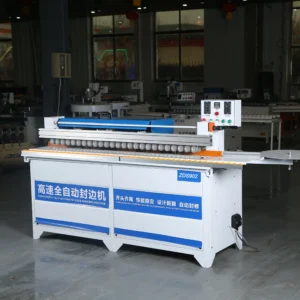
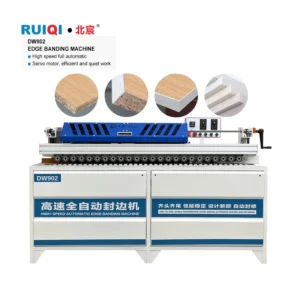
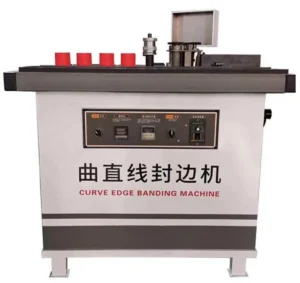
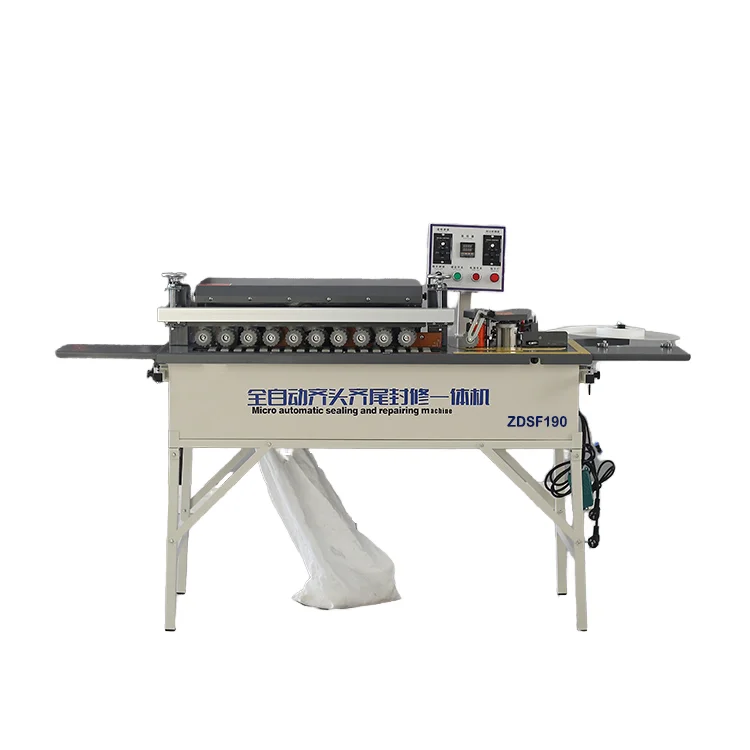
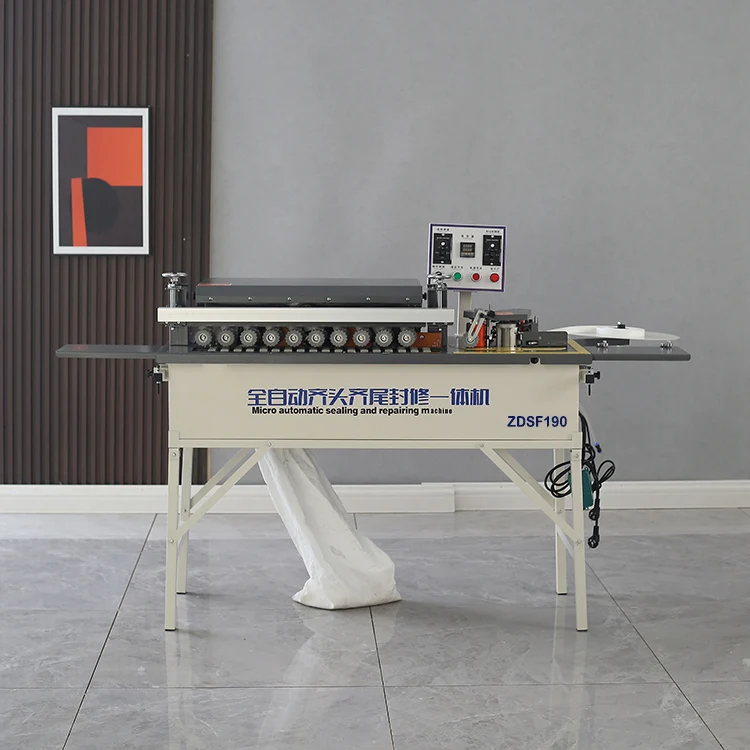
| Product Type | Miniature Fully Automatic Curved and Straight Dual-purpose Edge Banding Machine |
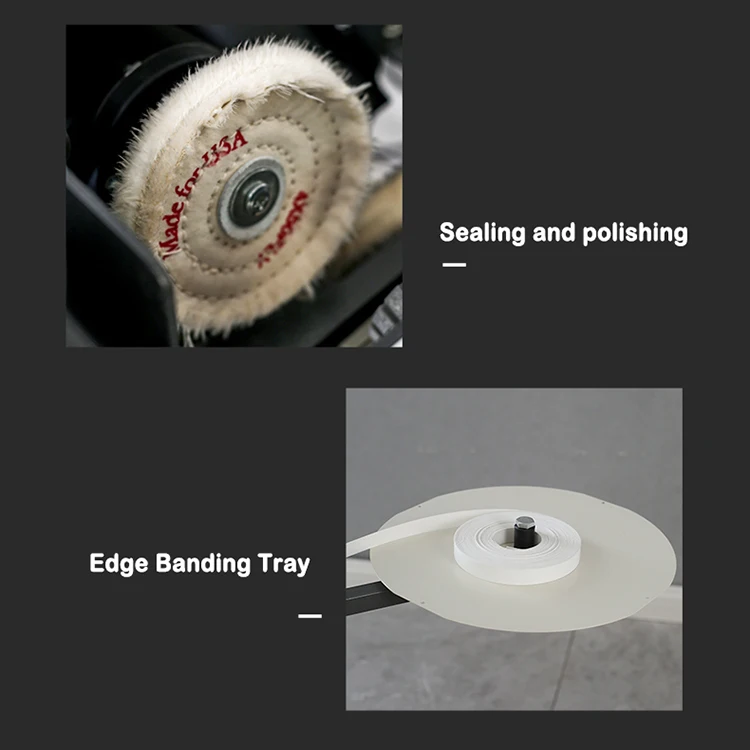
| Function | Automatic plate feeding, automatic belt breaking, double-sided gluing, upper and lower trimming, curved and straight edge banding |
| Voltage | 220V 50Hz |
| Rated Power | 4 kW |
| Trimming Power | 800W × 2 |
| Polishing Power | 180W × 2 |
| Heating Power | 800W |
| Suction Power | 1200W |
| Transmission Power | 120W |
| Belt Power | 25W |
| Rated Air Pressure | 0.4–0.6 MPa |
| Feed Speed | 0–14 m/min |
| Panel Thickness Range | 10–50 mm |
| Strip Thickness Range | 0.5–2.5 mm |
| Glue Pot Capacity | 1000 ml |
| Conveyor Belt Speed | 0–14 m/min |
| Control System | Multi-function button operation panel |
| Overall Size | 1900 × 560 × 1300 mm |
| Weight | 120 kg |
| Warranty | 1 year |
Application Suitability
| Application | Material or Output |
|---|---|
| Custom cabinet door edge finishing | MDF and plywood with PVC edge banding (0.5–2.5 mm) |
| Curved furniture component banding | Shaped plywood and MDF panels with veneer or PVC strips |
| Small-batch wardrobe and shelving panels | Particleboard with straight PVC banding |
| Workshop transition from manual to machine | Solid wood panels with thin veneer edge strips |
| Joinery prototyping and sample production | Mixed substrates with both curved and straight profiles |
Why the Voltage Question Must Come Before You Click "Ship"
Confirming 220V 50Hz compatibility with your local supply before dispatch is the single most important step when ordering an Edge Banding Machine in stock fast delivery.
I spent years doing final assembly and pre-shipment testing on woodworking equipment in the Yangtze River Delta region, then moved into field technical support. One shipment I released — an edge bander bound for Southeast Asia — arrived at a facility running 440V 60Hz while the machine was configured for 380V. The breaker would not close. The entire line sat idle for two weeks while a step-down transformer was sourced locally. That incident reshaped every order I handled afterward: voltage and frequency confirmation became a non-negotiable checkpoint before any machine left the floor. [NEED_CITE: voltage and frequency standards by export market]
When you are evaluating ready-stock equipment, the speed advantage disappears entirely if the machine cannot power up on arrival. A compact unit like the ZDSF190 running on single-phase 220V 50Hz is straightforward in many markets, but regions with 60Hz grids or 110V domestic supply require advance configuration discussion.
Dispatch Readiness Without the Guesswork
The ZDSF190 is positioned for workshops that need a versatile edge bander available now rather than on a multi-week build schedule. Its 120 kg weight and 1900 × 560 × 1300 mm footprint mean it ships as a manageable single package, and the 4 kW total rated power keeps it within standard workshop circuit capacity. Stock ordering eliminates the typical production lead time, though confirming exact availability and dispatch timing at the point of inquiry remains essential. This is where an Edge Banding Machine in stock fast delivery promise must be backed by real warehouse visibility.
Single-Unit Ordering for Growing Workshops
Larger production lines usually get engineering attention and site surveys. The smaller workshop buying its first or second edge bander rarely receives the same level of pre-sale configuration support. The ZDSF190 addresses this gap by offering dual-purpose curved and straight capability in a single unit, so a cabinet maker handling both standard panels and shaped components does not need to invest in two separate machines. The multi-function button control panel keeps operation accessible without requiring PLC programming knowledge. [NEED_CITE: CE machinery directive requirements for industrial equipment]
How the Specs Translate on the Shop Floor
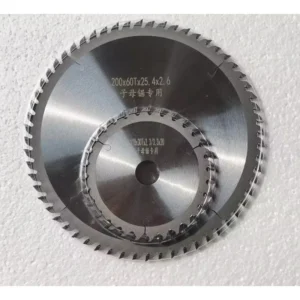
The 10–50 mm panel thickness range covers the majority of furniture-grade MDF, plywood, and particleboard stock used in custom cabinetry. Feed speed adjustable from 0 to 14 m/min gives operators control over throughput depending on edge complexity — curved profiles typically require slower feed rates to maintain consistent glue transfer and trimming accuracy. The dual trimming stations, each powered by an 800W high-speed motor, handle both upper and lower edge finishing in a single pass. The 1200W surrounding vacuum extraction connects to your existing dust collection or operates with a dedicated extractor, keeping the work area clear of trimming debris that could interfere with downstream assembly. Glue pot capacity at 1000 ml is sized for intermittent small-batch production rather than continuous high-volume runs, which is appropriate for the workshop profile this machine targets.
The Cost of Skipping Configuration Checks
Ordering a compact edge bander without confirming air pressure requirements leads to underperforming pneumatic systems — the ZDSF190 requires 0.4–0.6 MPa clean compressed air for consistent feed and trimming pressure. Workshops that connect directly to an undersized compressor experience intermittent belt breaking failures and uneven glue application. Similarly, ignoring the strip thickness specification (0.5–2.5 mm) and attempting to run 3 mm ABS banding causes feed jams and trimming motor overload. [NEED_CITE: edge banding material compatibility and thickness specifications] These are avoidable faults that show up as machine problems when they are actually specification mismatches.
Why Source This Machine Through This Channel
The ZDSF190 ships with pre-shipment verification that matches the voltage and frequency you confirmed at order — not a generic factory default setting. Assembly documentation includes both a written manual and video teaching resources, which matters when your team is operating the machine for the first time without an on-site engineer. The four-stage quality control process covers incoming material inspection through final pre-shipment testing, so the unit you receive has been run under power before crating. OEM and customization options are available for distributors who want to specify control panel language or branding for their regional market. The one-year warranty covers factory defects with spare parts replacement, and the engineer-led configuration process ensures your quotation reflects your actual workshop conditions rather than a generic price list.
Documentation & Verification
- CE declaration of conformity matched to the ZDSF190 edge bander configuration
- Factory test record confirming 220V 50Hz operation before dispatch
- Electrical schematic with confirmed voltage and frequency for your market
- Operation manual provided in your agreed language with assembly video support
- Spare parts list identifying consumable trimming cutters and feed components
Installation, Commissioning & Support
- Allocate a floor area of approximately 1900 × 560 mm with clearance for panel infeed and outfeed around the ZDSF190
- Provide a dedicated 220V 50Hz circuit rated for the 4 kW total load with appropriate breaker protection
- Machine ships requiring assembly — follow the included manual and video teaching resources for setup
- Verify compressed air supply delivers stable 0.4–0.6 MPa to the machine inlet before first run
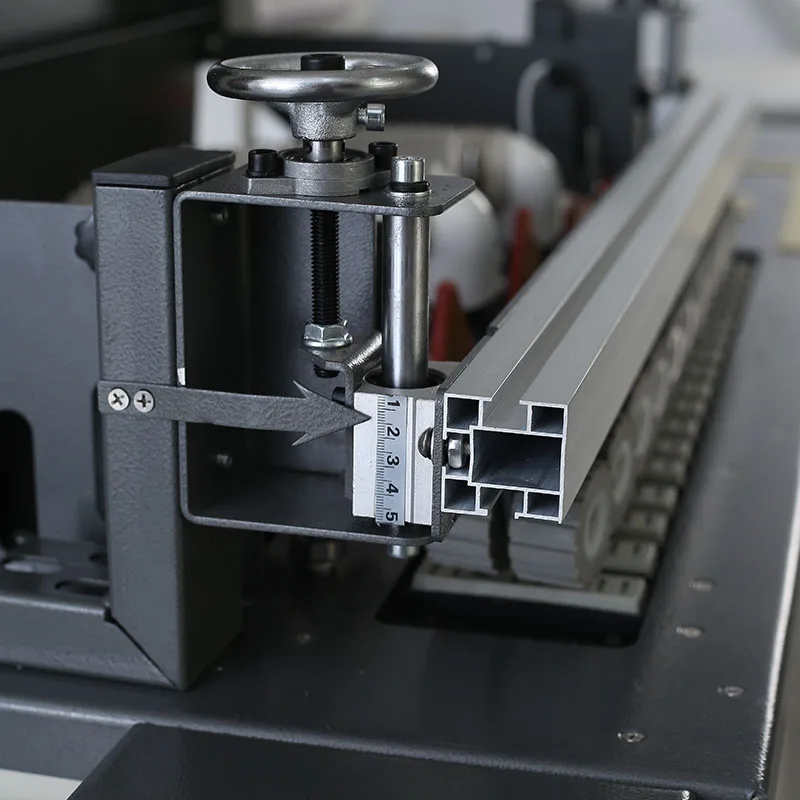
- Calibrate feed speed starting at low range and adjust the aluminum pressure beam for your panel thickness
- Schedule regular inspection of the 1200W vacuum system and trimming cutters as part of routine maintenance
What We Need to Confirm Your Order
Before releasing a ZDSF190 from stock, we need to verify three things: your local voltage and frequency supply (confirm 220V 50Hz is available at the installation point), the panel materials and edge banding thickness you plan to run, and whether your workshop compressed air system can sustain 0.4–0.6 MPa at the machine inlet. Providing these details at inquiry stage ensures the machine you receive is configured correctly and ready for productive operation on arrival.
Frequently Asked Questions
Q: Is the ZDSF190 actually available from stock or is there a production lead time?
A: Stock availability changes with order volume. The standard production cycle runs 25–30 days, but inventory units can ship faster. When you submit an inquiry, the current stock position and earliest dispatch date are confirmed within one working day, along with shipping options suited to your destination.
Q: How do I confirm 220V 50Hz is the correct voltage for my facility?
A: Check your facility electrical supply or consult a local electrician before ordering. Some regions operate on 60Hz or have 110V domestic circuits that are not compatible. If your supply differs, discuss alternative voltage configuration options during the inquiry stage — never assume the standard specification matches your site.
Q: What assembly is needed when the machine arrives at my workshop?
A: The ZDSF190 requires assembly on arrival using the included user manual and video teaching materials. The process covers mounting the pressure beam, connecting pneumatic lines to your 0.4–0.6 MPa air supply, wiring to your confirmed 220V circuit, and calibrating feed speed. Technical guidance is available remotely if needed.
Q: Can this machine handle daily production volumes or only occasional use?
A: The ZDSF190 is designed for small workshop production and joinery environments transitioning from manual processes. Its 1000 ml glue pot capacity and 0–14 m/min feed speed suit batch work rather than continuous high-volume output. Share your typical daily panel count during inquiry so we can confirm this model matches your throughput requirements.
Q: What spare parts are included and how do I order replacements?
A: A spare parts list ships with the machine identifying consumable items such as trimming cutters and feed belt components. The one-year warranty covers factory defect replacements. For ongoing consumable orders, your original sales contact arranges supply based on the same parts specification as your machine.