Description
Voltage-Verified Dispatch — Every ZDS702 and 802 unit ships only after electrical schematics are matched to your local grid standard, eliminating dead-on-arrival surprises.
Technical Specifications
| Parameter | Value |
|---|---|
| Model | ZDS702 / 802 |
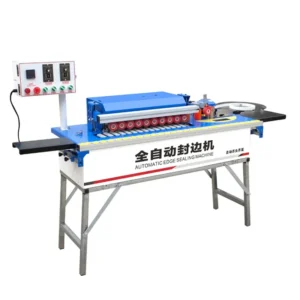
| Product Type | Automatic Edge Banding Machine |
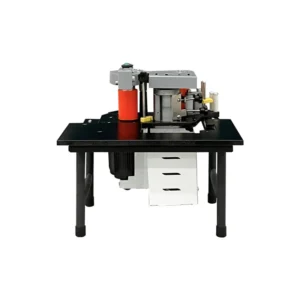
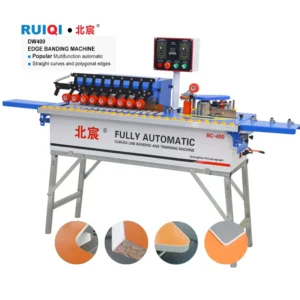
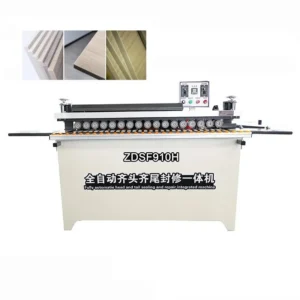
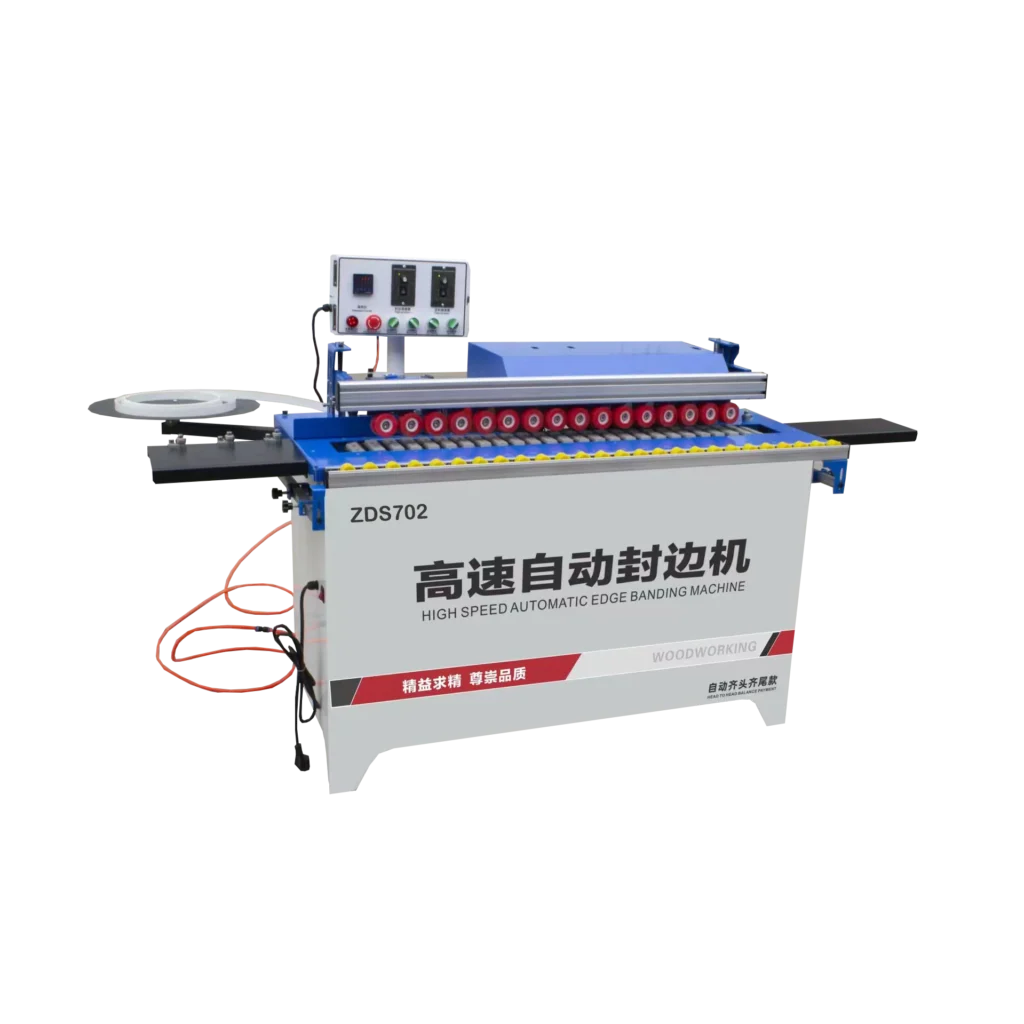
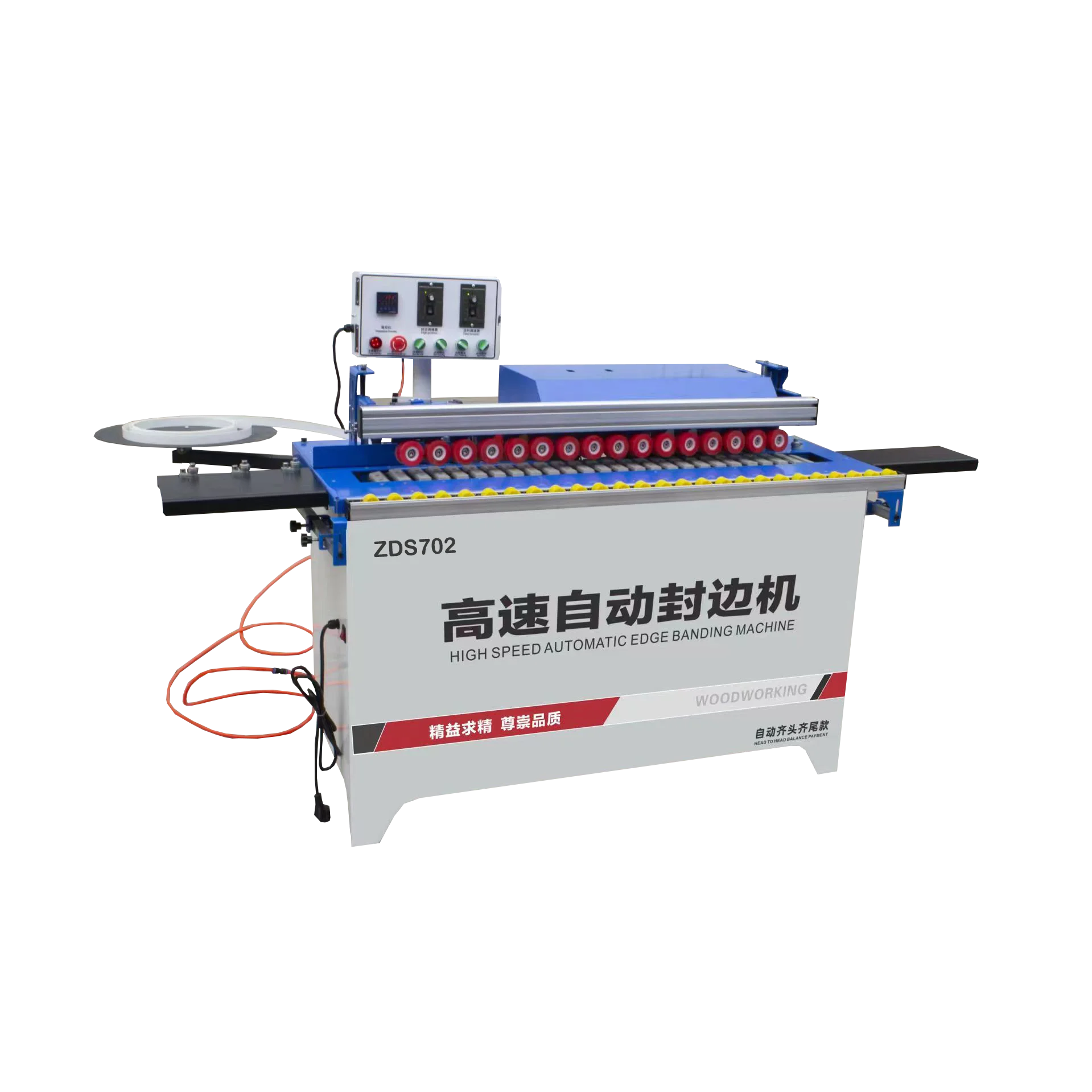
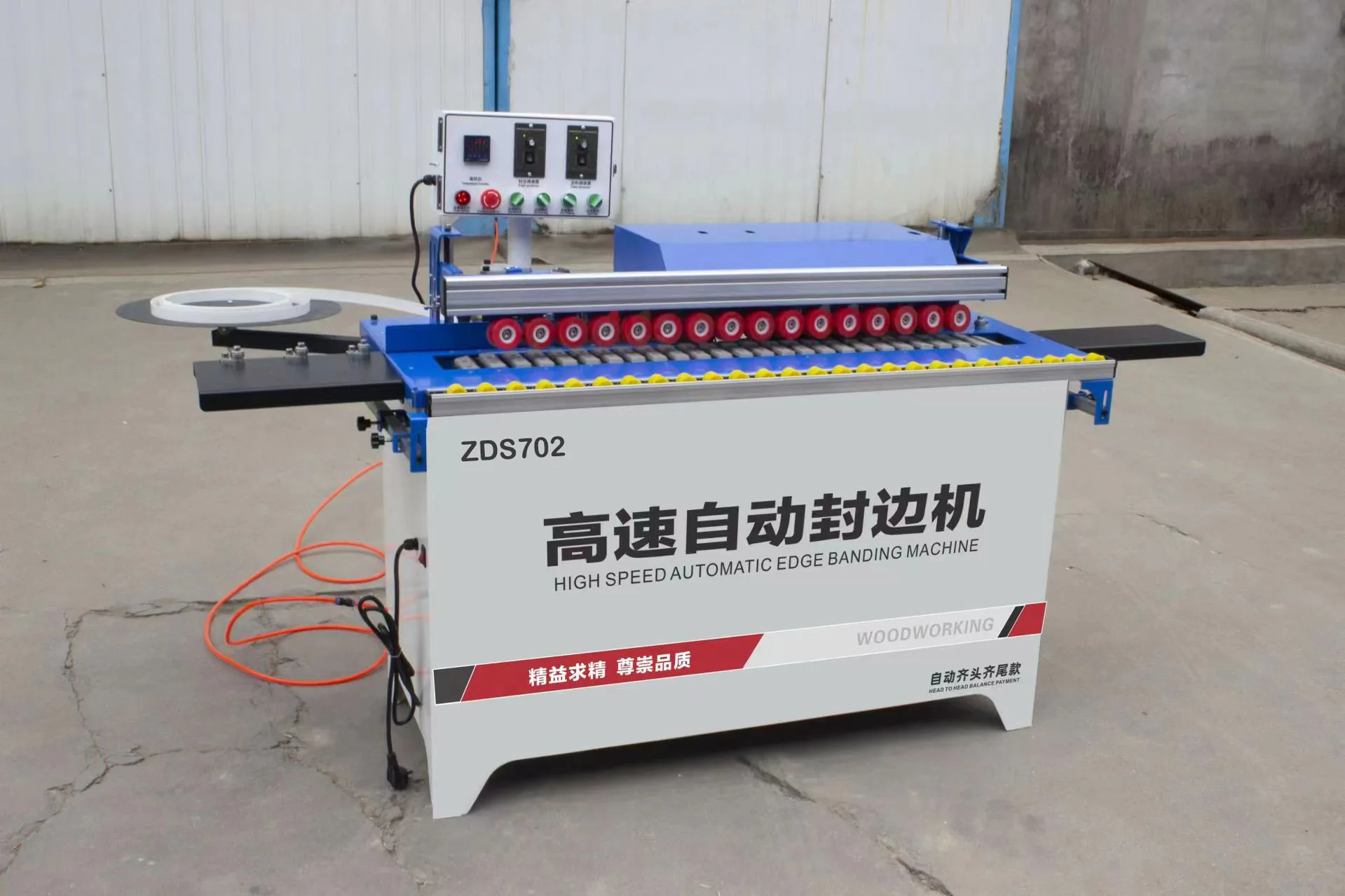
| Function | Automatic plate feeding, end cutting, upper and lower polishing, head and tail trimming, built-in dust collector |
| Edge Type | Straight line |
| Rated Voltage | 220V / 380V / customization |
| Rated Power | 3.8 kW (ZDS702) / 4 kW (802) |
| Feed Speed | 0–10 m/min |
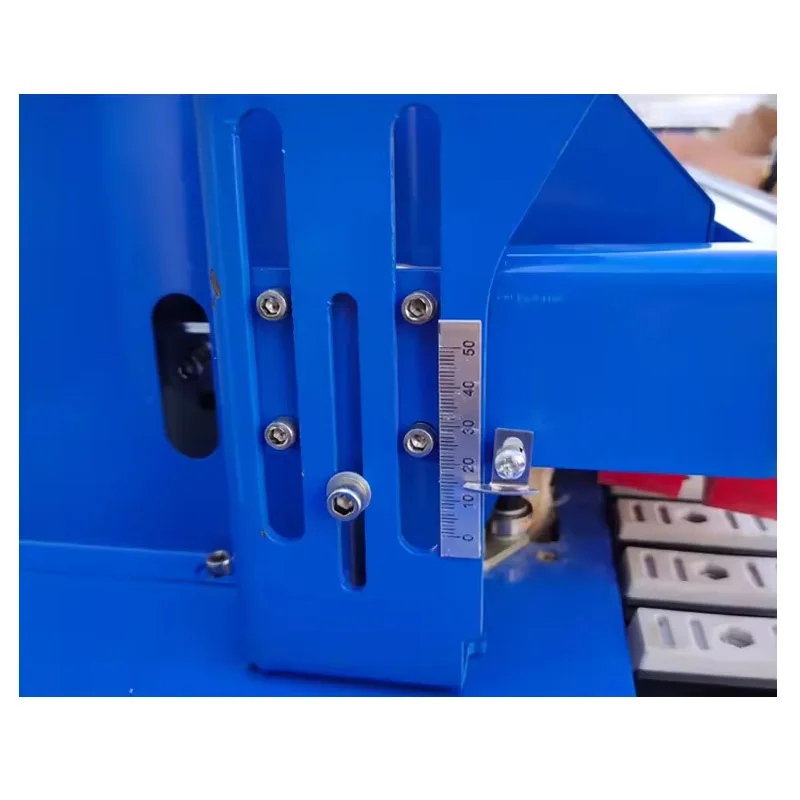
| Trimming Height (Panel Thickness Range) | 5–50 mm |
| Edge Banding Thickness | 0.3–3 mm |
| Glue Pot Capacity | 1000 ml (ZDS702) / 4000 ml (802) |
| Heating Power | 1000 W (5–10 min heat-up) |
| Rated Air Pressure | 0.4–0.6 MPa |
| Overall Dimensions | 120 × 55 × 120 cm (ZDS702) / 130 × 65 × 75 cm (802) |
| Machine Weight | 105 kg (ZDS702) / 150 kg (802) |
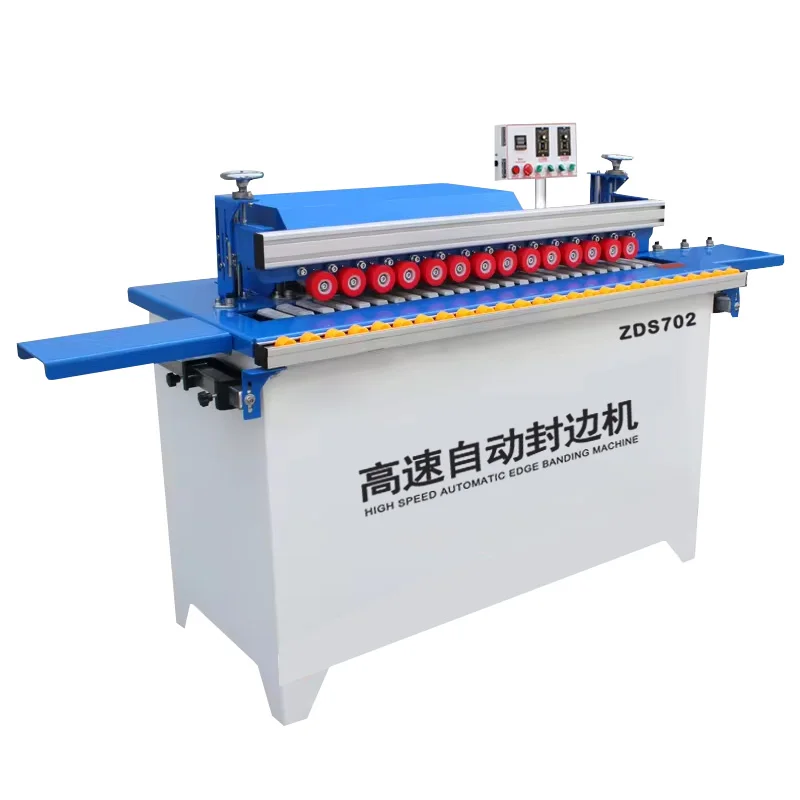
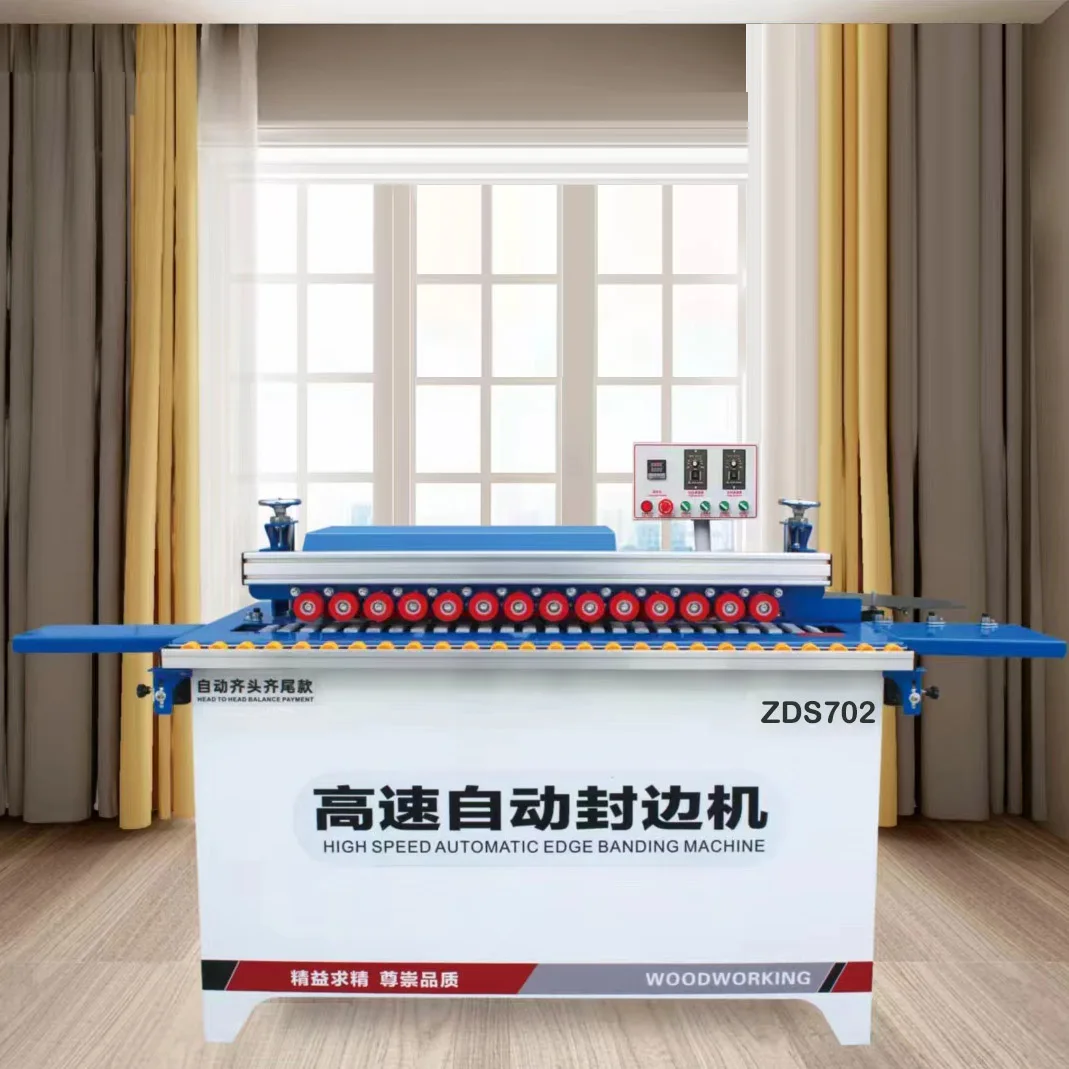
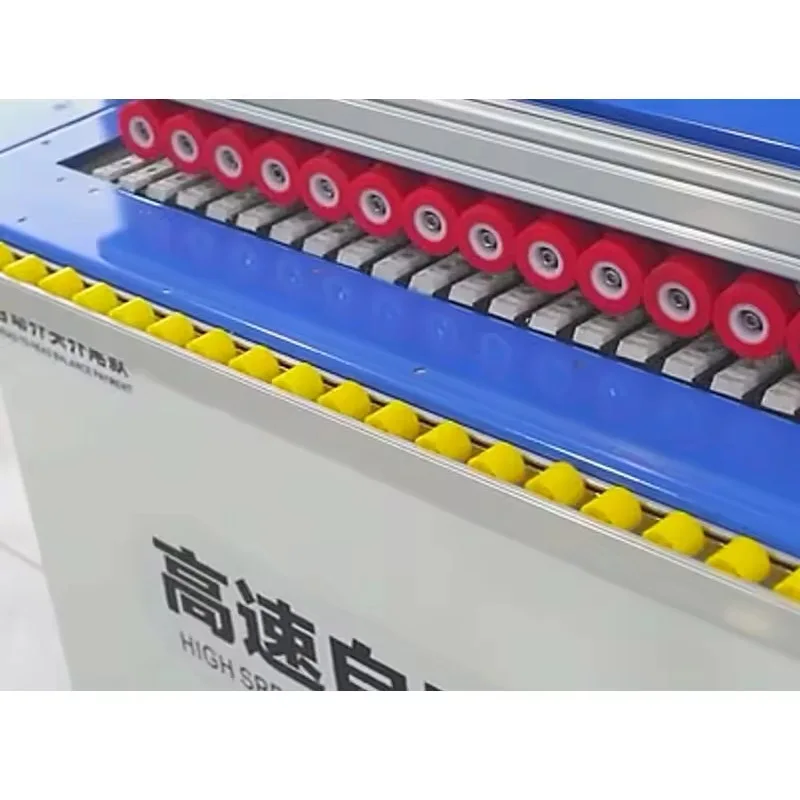
| Pressure System | One-piece pressure beam, double rows of pressure wheels, silicone material conveyor belt |
| Assembly State | Partially assembled (user manual and video teaching provided) |
| Warranty | 1 year (factory defect spare parts replacement) |
Application Suitability
| Application | Material or Output |
|---|---|
| Custom furniture panel edge banding | MDF, plywood, particleboard with PVC edge banding |
| Cabinet door and carcass production | Melamine-faced board with 0.3–3 mm PVC or veneer strips |
| Small-batch joinery components | Solid wood panels requiring straight-line edge finishing |
| Workshop automation entry point | Panel processing plants testing automated edge banding before scaling |
Why the Voltage Question Must Come Before the Shipping Quote
Confirming your local voltage and frequency before dispatch is the single most important step in ordering an Automatic Edge Banding Machine in stock.
I have watched a brand-new edge bander sit in a humid workshop for three weeks because the buyer specified 380V/50Hz while the facility ran on 220V/60Hz. The PVC edge banding piled up on the floor, the glue cooled in the pot, and the operator had nothing to do. This happens more often than anyone in the trade admits. [NEED_CITE: voltage and frequency standards by export market] When a machine arrives incompatible with the local grid, the fix is never quick — rewinding a motor or swapping a transformer on-site introduces delays that no amount of expediting can recover. That is why every stocked ZDS702 and ZDS802 unit undergoes electrical schematic verification against your confirmed supply before it leaves the floor.
Dispatch Readiness Without the Guesswork
Stocked machines eliminate the typical multi-week lead times associated with build-to-order edge banders. The ZDS702 and 802 models sit in the warehouse partially assembled, meaning the core frame, pressure beam, and conveyor belt are already aligned. What remains is final wiring to your confirmed voltage and a functional test run on sample panels. Once that test passes, the machine moves to packing. This process keeps the Automatic Edge Banding Machine in stock pathway moving from inquiry to dispatch in days rather than months.
Single-Unit Orders With Upfront Shipping Clarity
Small workshops and cabinet makers rarely need an entire container of equipment at once. Ordering a single ZDS702 or ZDS802 is straightforward — the footprint and weight are documented, and shipping options are quoted before you commit. You see the freight cost alongside the machine cost, so there are no surprises when the invoice arrives. For workshops moving from manual edge banding to their first automatic unit, this low-friction ordering path removes the hesitation that delays capacity upgrades. [NEED_CITE: CE machinery directive requirements for industrial equipment]
What the Feed Speed and Pressure System Mean for Your Panels
The 0–10 m/min variable feed speed lets operators match throughput to the edge banding material being applied. Thicker veneer strips at the upper end of the 0.3–3 mm range benefit from slower feed, giving the glue more contact time under the double rows of pressure wheels. The one-piece pressure beam distributes force evenly across the panel edge, which prevents the uneven bonding that shows up as visible glue lines on light-colored PVC. The silicone material conveyor belt grips MDF and particleboard without marring the surface — a detail that matters when finished cabinet sides go straight from the edge bander to assembly without a sanding step in between. The integrated dust collector captures trimming debris at the source, keeping the work area clear without requiring a separate extraction system.
The Cost of Skipping Configuration Verification
Choosing a glue pot size without thinking about daily volume creates friction that compounds over weeks. A workshop running continuous production on the ZDS702 with its 1000 ml pot will cycle through glue refills frequently, interrupting feed and introducing temperature inconsistency each time the pot is topped up. The 4000 ml pot on the 802 model suits higher-volume environments where uninterrupted runs matter. Similarly, specifying a machine without confirming the 5–50 mm trimming height against your actual panel range leads to problems downstream — panels outside that range simply cannot be processed, and discovering this after delivery leaves you with a machine that handles only part of your workload. [NEED_CITE: edge banding adhesion standards for wood-based panel materials]
Why Source From This Inventory
Every stocked ZDS702 and 802 unit ships with factory test records run on the panel thickness range you specify, so you can verify edge bonding quality before the machine reaches your floor. Voltage and frequency are confirmed against your electrical supply documentation, not assumed from a country code. Operation and maintenance manuals arrive in the language your operators actually read, which shortens the gap between uncrating and productive output. The patented cutting mechanism holds tolerance within ±0.02 mm, verified during the pre-shipment test rather than claimed on a brochure. Engineer-led configuration support means your inquiry receives a formal quotation with confirmed specifications within a single working day.
Documentation & Verification
- CE declaration of conformity covering the ZDS702/802 automatic edge banding machine
- Electrical schematic cross-referenced to your confirmed voltage and frequency before dispatch
- Factory test record demonstrating edge banding quality on your specified panel thickness
- Operation and maintenance manual provided in your agreed language
- Pre-shipment photographs documenting machine condition and packing integrity
- Spare parts list matching the specific model variant shipped
Installation, Commissioning & Support
- Requires a dedicated circuit matching the confirmed 220V or 380V supply with appropriate breaker rating for the 3.8–4 kW load
- Partially assembled state means pressure beam and conveyor belt arrive pre-aligned, reducing on-site setup
- Compressed air supply at 0.4–0.6 MPa must be connected before first run to activate the pressure wheel system
- Video-guided assembly instructions cover remaining setup steps for workshops without dedicated maintenance staff
- Glue pot heat-up requires 5–10 minutes at 1000W before the first panel enters the feed zone
- One-year warranty covers factory defect spare parts replacement with documented fault diagnosis
What to Include in Your Inquiry
Tell us your local voltage and frequency first — this determines whether the ZDS702 or 802 leaves the warehouse wired for your grid. Share the panel materials you work with most often and the edge banding thickness range you run daily, so the glue pot size and feed speed can be matched to your actual output. If you have existing upstream saws or downstream boring machines, mention their feed height and throughput so the edge bander integrates without bottlenecking the line.
Frequently Asked Questions
Q: What is the dispatch lead time for stocked ZDS702 and 802 models?
A: Stocked units are partially assembled and undergo final wiring and voltage confirmation once your electrical specifications are received. After the factory test run passes, the machine moves to packing. This process typically takes days rather than the multi-week timelines associated with build-to-order edge banders, depending on the complexity of your voltage requirements and any custom control panel language requests.
Q: How do I confirm voltage and frequency compatibility for my local power supply?
A: Share your facility’s rated voltage, phase configuration, and frequency with your inquiry. Our engineering team cross-references these against the ZDS702 or 802 electrical schematic before dispatch. If your local supply falls outside the standard 220V/380V options, customization is available. This verification step is documented and included with your shipping paperwork so there is no uncertainty at installation.
Q: Can I order a single unit, and what shipping options are available upfront?
A: Single-unit orders are standard for these stocked models. Shipping options are quoted before you commit, based on the machine’s documented dimensions and weight. You receive the freight cost alongside the equipment cost in a single formal quotation, so the total landed investment is clear from the start.
Q: What edge banding materials work with the 0.3–3 mm thickness range?
A: The ZDS702 and 802 handle PVC, veneer, and ABS edge banding within the 0.3–3 mm range. Thicker materials near the upper limit benefit from reduced feed speed to ensure adequate glue contact time under the double rows of pressure wheels. Specify your most common banding material and thickness when inquiring so the factory test can replicate your production conditions.
Q: Is installation guidance provided, and how complex is the assembly process?
A: Each machine ships partially assembled with the pressure beam and conveyor belt pre-aligned. Video-guided instructions and a user manual in your agreed language walk through the remaining setup steps. The compressed air connection and electrical hookup are the primary on-site tasks. For workshops without dedicated maintenance staff, the video teaching format covers each step in sequence.