Description
Ready stock dispatch — dust free mother saw blade inventory staged for quick release, avoiding the multi-week wait typical of made-to-order consumables.
Technical Specifications
| Parameter | Value |
|---|---|
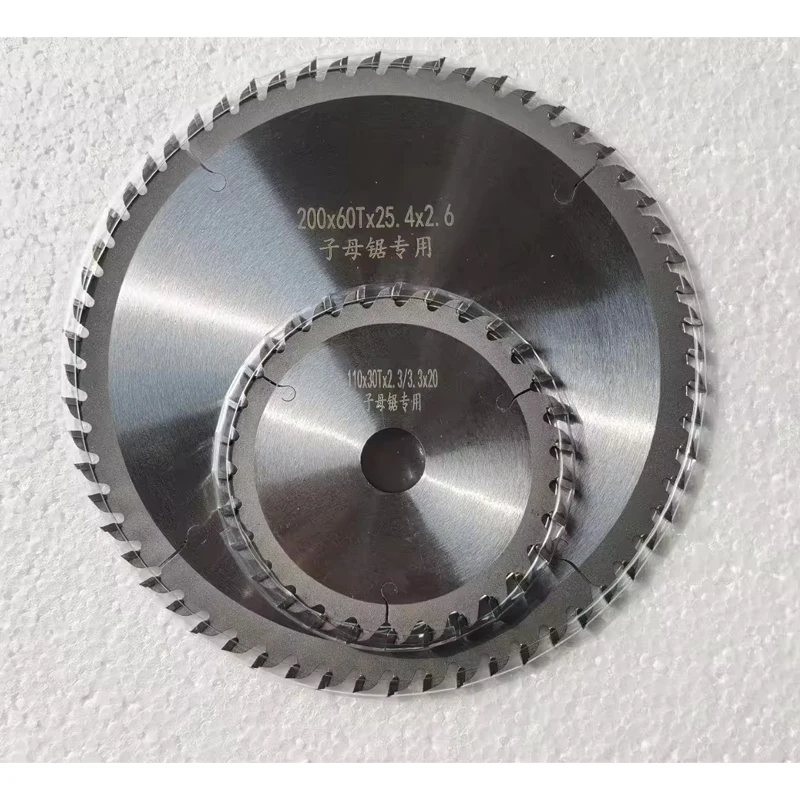
| Product Type | Dust Free Mother Saw Blade |
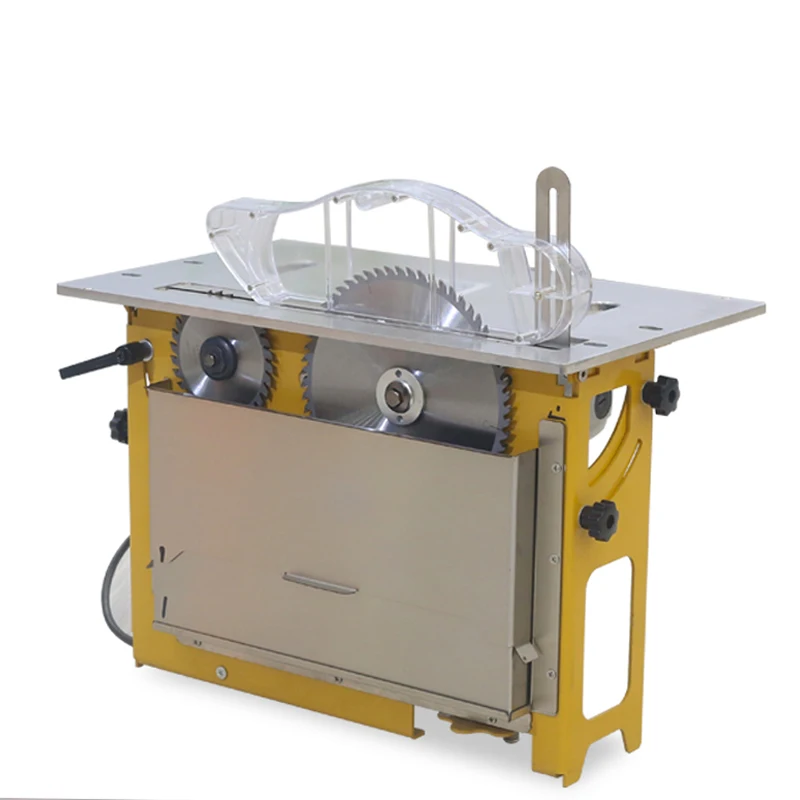
| Blade Type | Mother saw blade (main cutting blade for panel saw systems) |
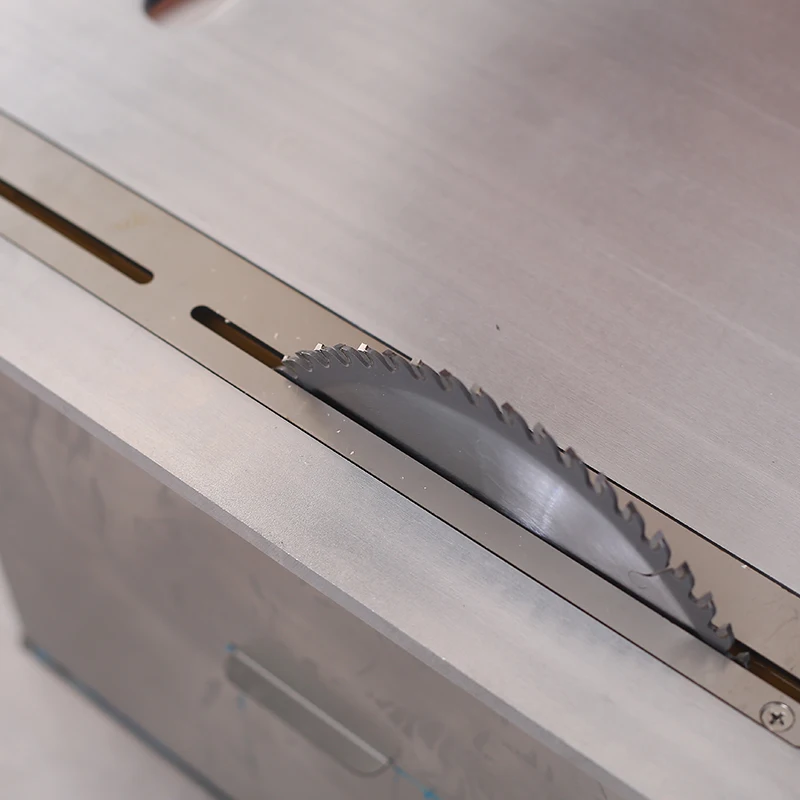
| Dust Extraction Feature | Integrated dust-free cutting geometry |
| Compatible Equipment | Sliding table saws, panel saws |
| Material Application | MDF, particleboard, plywood, solid wood panels |
| Blade Diameter | Available in multiple sizes to match saw model |
| Bore Size | Configured to arbor specification of host machine |
| Number of Teeth | Varies by blade diameter and intended panel material |
| Kerf Width | Standard and thin-kerf options depending on stock |
Application Suitability
| Application | Material or Output |
|---|---|
| Cabinet panel sizing | Melamine-faced MDF and particleboard with reduced edge chip-out |
| Plywood cross-cutting for joinery | Multi-layer plywood sheets requiring clean severance |
| Solid wood dimensioning | Hardwood and softwood panels for furniture sub-assemblies |
| Workshop air quality compliance | All panel substrates where airborne dust must be minimized |
Why the Voltage Question Should Come Before the Blade Order
A saw blade is useless if the machine it mounts on never powers up. Before I schedule any dust free mother saw blade for dispatch, the host machine’s voltage and frequency get confirmed first. I learned this the hard way — a customer urgently needed a replacement blade, but the real problem was their panel saw arriving with the wrong electrical cabinet for local mains. [NEED_CITE: voltage and frequency standards by export market] That blade sat idle for three weeks while the control panel was swapped. Now every order starts with a full compatibility check, not just blade diameter and bore size. The blade itself is straightforward inventory; the mistake is treating it as the only variable in the transaction.
Stock Availability and Dispatch Lead Time
Keeping a dust free mother saw blade in ready inventory means workshops do not wait for a production run to begin before their replacement ships. Orders placed with confirmed specifications typically move to packing within a short window, with pre-shipment photographs provided so buyers verify the blade label, tooth count, and bore size before the crate closes. Single-unit orders are standard here — there is no minimum quantity forcing a workshop to stock more than it needs.
Confirming Fit Before the Crate Closes
Every dispatch is cross-checked against the buyer’s sliding table saw or panel saw model to ensure arbor match and rotational clearance. This step catches mismatches that would otherwise surface only when the operator unboxes the blade and finds it will not seat on the spindle. [NEED_CITE: CE machinery directive requirements for industrial equipment] The confirmation loop adds a day at most but prevents the weeks-long return cycle that stalls production floors.
Reading the Specs That Actually Matter
Blade diameter governs the maximum cutting depth your panel saw can achieve — undersize it and thicker MDF panels will not sever cleanly in a single pass. Bore size must match the arbor precisely; even a slight mismatch introduces vibration that degrades edge quality on melamine surfaces. Tooth count balances feed speed against finish: more teeth produce cleaner cuts on laminate but require slower feed rates, while fewer teeth clear material faster at the cost of visible scoring on the exit face. The integrated dust-free geometry channels particulate toward the extraction port rather than letting it escape into the workshop air, which matters in enclosed facilities where air quality compliance is enforced.
The Cost of Skipping the Compatibility Check
Ordering a blade on diameter alone without confirming bore size or maximum RPM rating leads to one of two outcomes: the blade physically will not mount, or it mounts but operates outside its safe speed envelope. Either result means the machine stays down. I have seen workshops hold inventory of wrong-bore blades for months before realizing the mistake. [NEED_CITE: common causes of panel saw downtime in furniture workshops] The replacement cycle then starts over, and the original urgency is long gone.
Why Procurement Through This Channel Works
Stocked inventory means the dust free mother saw blade ships from existing supply rather than waiting for a manufacturing batch. Every order receives a factory test record confirming the blade was inspected for runout and tooth alignment before packing. Voltage and machine compatibility are verified at the inquiry stage — not after the invoice is paid. Repeat orders for consumable blades are fulfilled from the same inventory pool, keeping lead times consistent across purchases. Pre-shipment photographs of the blade and its packaging accompany every dispatch, providing a visual record before customs documentation is finalized.
Documentation & Verification
- Machine specification sheet listing compatible blade diameter and bore ranges
- Factory inspection record confirming tooth alignment and runout check
- Packing photograph showing blade label and protective packaging before crate seal
- Customs documentation support matched to destination country import codes
- Spare parts list identifying consumable blade SKUs for reorder reference
Installation, Commissioning & Support
- Arbor and flange surfaces cleaned before mounting to ensure dust free mother saw blade seats without runout
- Blade rotation direction verified against saw motor wiring to prevent reverse cutting
- Dust extraction hose diameter matched to blade shroud port for full particulate capture
- Initial test cuts on scrap MDF to confirm edge quality before production resumes
- Replacement interval guidance based on panel material abrasiveness and daily cutting volume
What to Include With Your Inquiry
Send the make and model of your sliding table saw or panel saw so bore size and maximum RPM can be matched before dispatch. Specify the panel materials you cut most frequently — MDF, particleboard, or plywood — as tooth count selection depends on substrate density. Confirm your local voltage and phase if you are also evaluating the host machine, since blade compatibility is only one part of a working system.
Frequently Asked Questions
Q: How do I confirm the blade diameter and bore size match my sliding table saw?
A: Check the nameplate or manual of your panel saw for the specified blade diameter and arbor bore. Provide that information at inquiry and we cross-reference it against stocked inventory before confirming dispatch. Never assume a blade fits based on diameter alone — bore mismatch is the most common cause of installation failure on replacement orders.
Q: What is the lead time from order to dispatch for stocked saw blades?
A: Blades held in ready stock typically move to packing and carrier handover within a short window once specifications are confirmed. The confirmation step — verifying bore size, tooth count, and RPM compatibility — adds minimal time but prevents costly mismatches. We provide pre-shipment photographs before the crate is sealed.
Q: Can I order a single replacement blade, or is there a minimum quantity?
A: Single-unit orders are fulfilled from stock without requiring bulk commitment. Workshops replacing a worn blade mid-production can order exactly what they need. Repeat orders for ongoing consumable supply are handled through the same channel, maintaining consistent lead times across purchases.
Q: Which panel materials is this dust free blade best suited for?
A: The blade is applied across MDF, particleboard, plywood, and solid wood panels. Tooth count selection depends on your primary substrate — denser materials like melamine-faced MDF benefit from higher tooth counts for cleaner edges, while plywood and solid wood can be processed effectively with fewer teeth at higher feed rates.
Q: How do I know when the blade needs replacement to avoid chip-out?
A: Visible chipping on the exit edge of melamine or MDF panels is the primary indicator. Increased cutting resistance, higher motor load, and more airborne dust despite functioning extraction also signal blade wear. Scheduling replacement before chip-out reaches reject levels keeps production quality within tolerance.