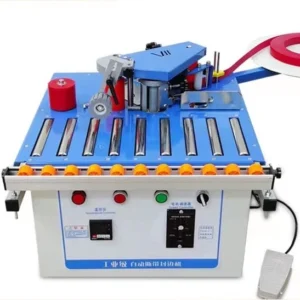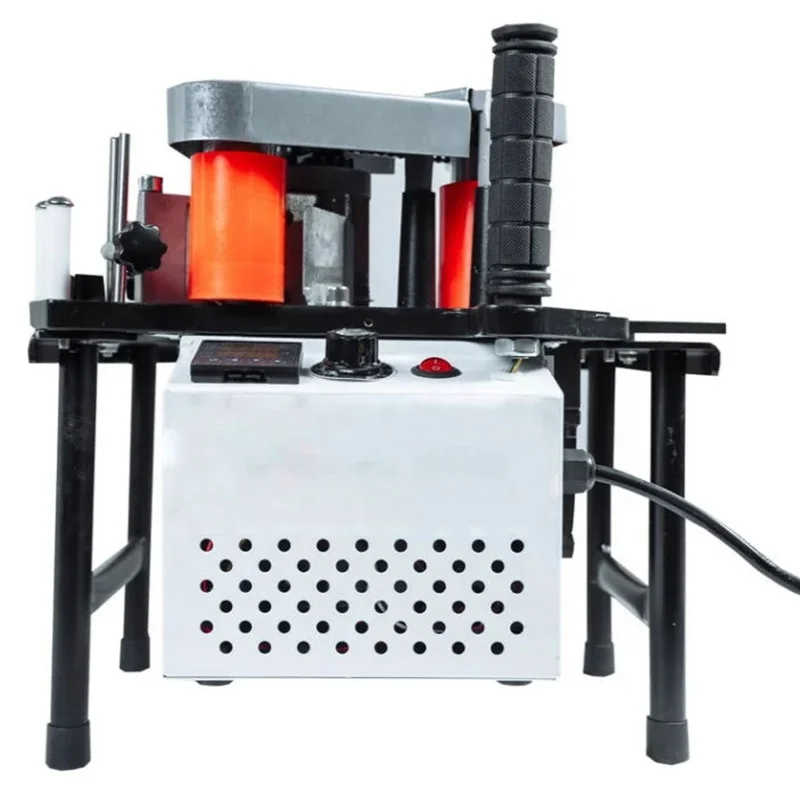
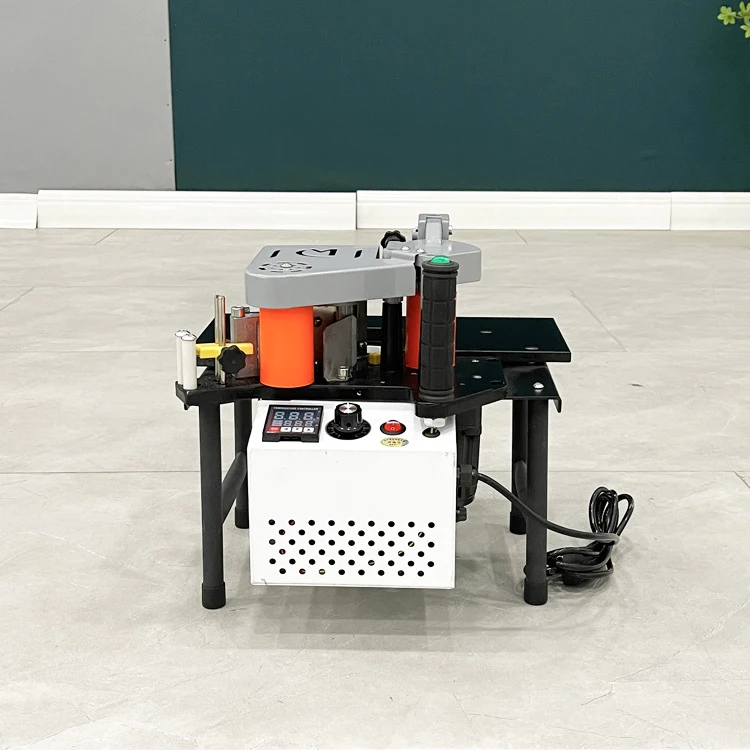
Description
Ready-stock dispatch — Voltage and plug options verified per order so a single portable edge bander arrives site-ready, not waiting on electrical rework.
Technical Specifications
| Parameter | Value |
|---|---|
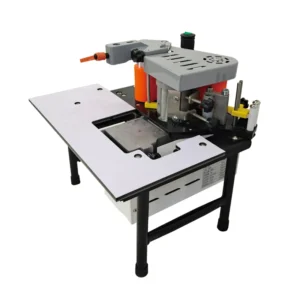
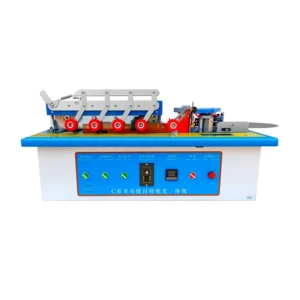
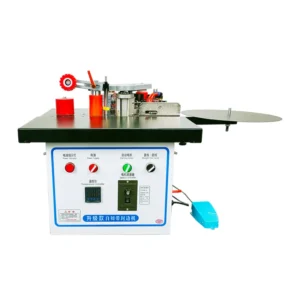
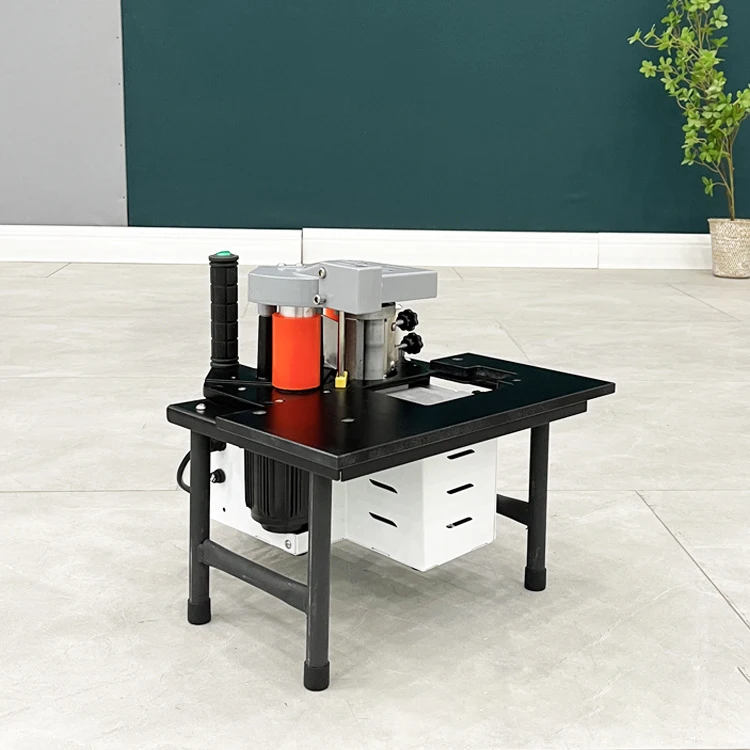
| Product Type | Portable Manual Edge Banding Machine |
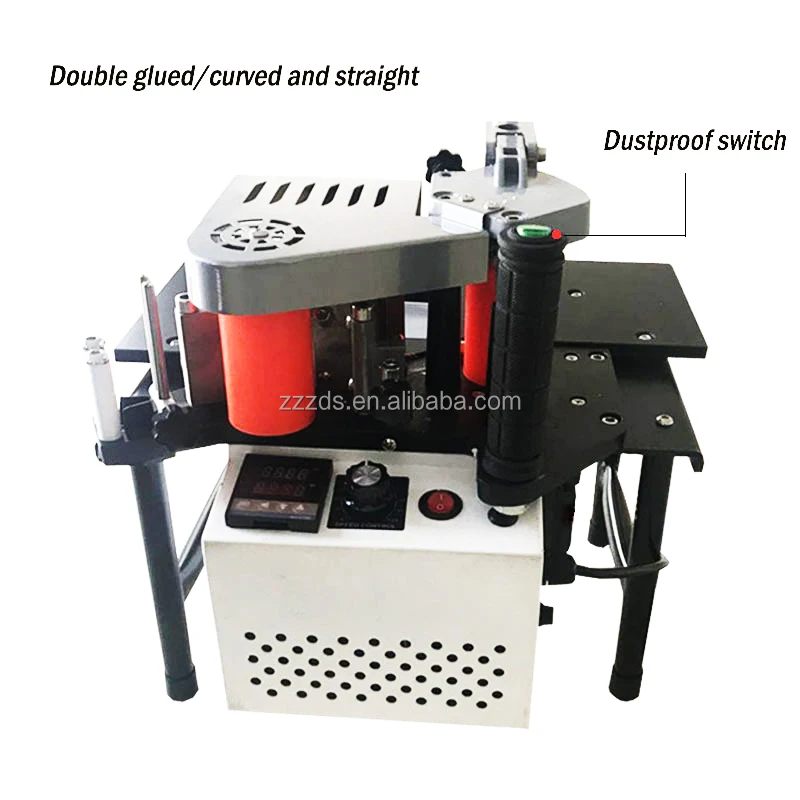
| Shape of Edge-Banding Plates | Curved, Straight, and Special-shaped Sheet |
| Edge Thickness Range | 0.3–3 mm |
| Edge Sealing Speed | 0–6 m/min |
| Edge Sealing Height (Panel Thickness) | 7–60 mm |
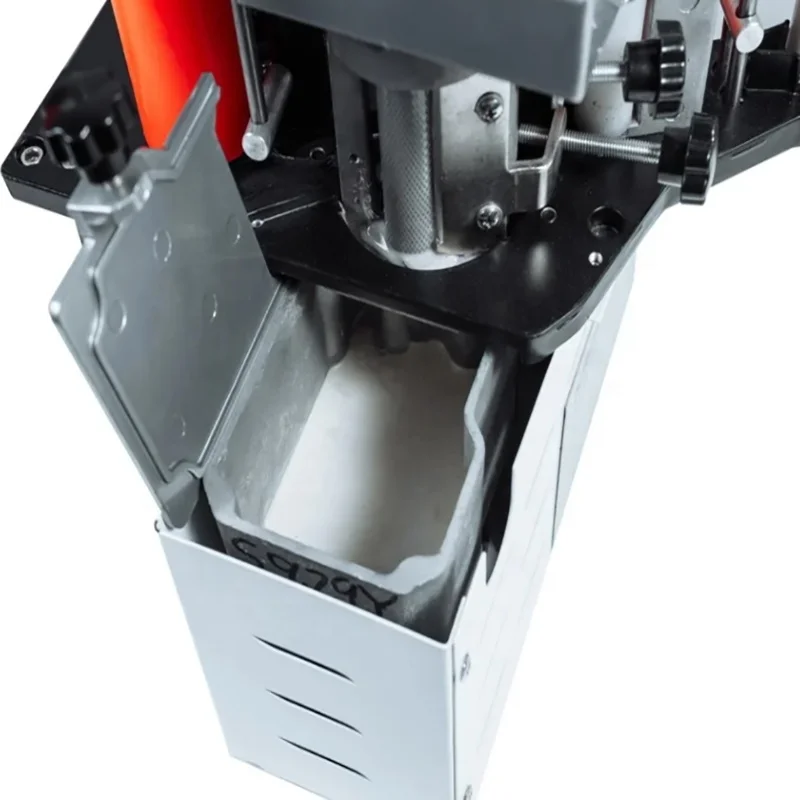
| Gluing Method | Double-sided gluing |
| Glue Pot Volume | 1000 ml |
| Net Weight | 14 kg |
| Overall Dimensions | 440 × 410 × 450 mm |
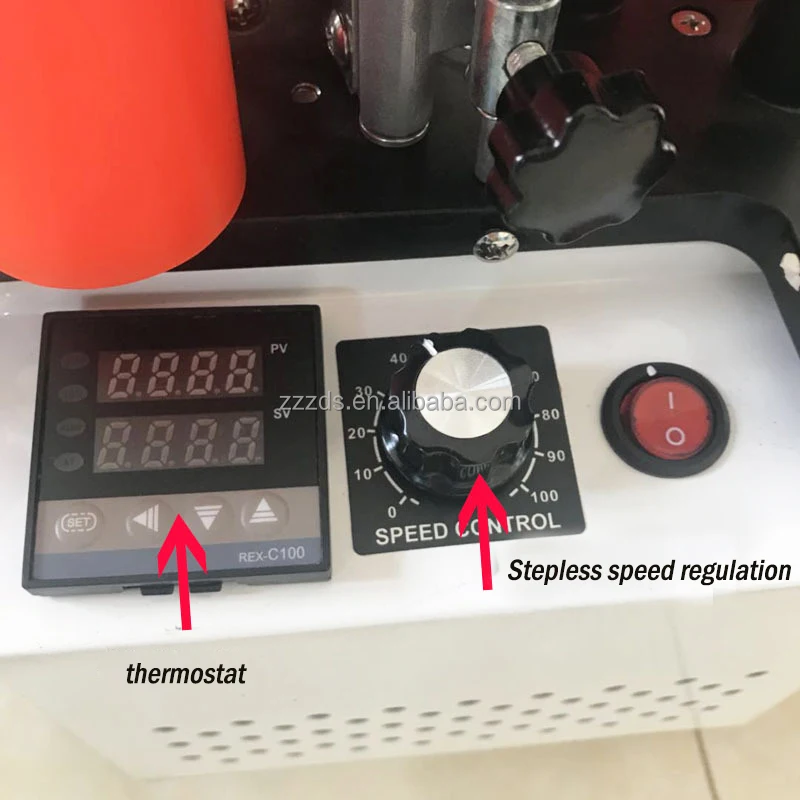
| Control System | Manual operation |
| Plug Options | EU / AU / UK / USA / CN |
| Voltage & Frequency | Confirm before order |
| Rated Power | Not stated in source (basis to be confirmed) |
Application Suitability
| Application | Material or Output |
|---|---|
| Small workshop edge finishing | MDF, plywood, and particleboard panels with PVC or veneer banding |
| On-site curved edge banding | Solid wood and composite panels shaped for custom furniture |
| Prototype and short-run cabinet work | Melamine-faced particleboard with 0.3–3 mm edge strips |
| Joinery startup semi-mechanized gluing | Standard panel stock in thicknesses from 7 to 60 mm |
Why the Plug Type Matters More Than You Think
A portable manual edge banding machine in stock ships fast, but arriving with the wrong plug or voltage rating turns a quick dispatch into weeks of downtime. Confirm your site voltage and plug standard in writing before the unit leaves the warehouse.
I once saw a custom cabinet shop take delivery of a banding unit rated for 380V three-phase, only to find their workshop ran on single-phase 220V. The machine sat idle while they sourced a transformer, and their installation schedule slipped by nearly three weeks [NEED_CITE: voltage and frequency standards by export market]. With this portable edge bander, EU, AU, UK, USA, and CN plug options are available, and the voltage must be locked down at order stage — not guessed from a catalog line. That single confirmation step eliminates the most common cause of commissioning delays for small single-unit imports.
Stock Availability and Single-Unit Ordering
Most woodworking equipment suppliers require minimum batch quantities or production-run lead times before they will quote a single unit. This portable manual edge banding machine in stock is held ready for individual dispatch, meaning a small joinery shop or a startup cabinet maker can order one unit without waiting for a container to fill. The compact 440 × 410 × 450 mm footprint and 14 kg net weight keep freight costs manageable, whether shipping by air for urgent needs or by sea for standard delivery.
Dispatch Documentation That Prevents Surprises
Every unit ships with packing photographs, a factory test record, and a spare parts list covering glue pot components and wear items. The operation manual is supplied in the language agreed at order confirmation, so the operator on the shop floor can read it without translation delays. These documents are not optional extras — they are standard with each dispatch from this facility [NEED_CITE: CE machinery directive requirements for industrial equipment]. For a small workshop receiving its first mechanized edge bander, clear documentation often matters more than the machine itself during those first two weeks of use.
What the Numbers Actually Mean on the Shop Floor
The 0.3–3 mm edge thickness range covers the two most common banding materials in custom furniture work: thin PVC for melamine cabinet components and veneer strips for solid wood assemblies. Below 0.3 mm, adhesive bleed-through becomes a risk; above 3 mm, a manual feed system struggles to maintain consistent pressure on curves. The 7–60 mm panel thickness range handles everything from thin shelving stock to heavy worktop panels, which means one machine serves multiple jobs without tooling changeovers. Double-sided gluing with a 1000 ml pot ensures adhesive coverage on both the panel edge and the banding strip simultaneously, reducing the cold spots that cause lifting on curved sections. At 0–6 m/min feed speed, the operator controls pace by hand, which is the correct approach for special-shaped workpieces where an automatic feed would force the strip off-line.
The Cost of Skipping Pre-Shipment Verification
Buying a single portable unit on price alone, without confirming local electrical standards, creates a cascade of hidden costs. A transformer purchase, a rewired outlet, or a replaced motor controller each adds expense and delay that the original savings never covered. Inconsistent glue temperature from an underpowered supply can cause banding to lift days after application, turning a finished cabinet into a warranty return [NEED_CITE: thermal adhesive bonding requirements for wood panel edge banding]. I have seen workshops blame the machine when the real issue was a voltage mismatch that left the glue pot running below its designed temperature range.
Why Source This Unit Through This Channel
Voltage and plug confirmation happens at quotation stage, not after payment. Each portable manual edge banding machine in stock undergoes a pre-shipment test using panel samples in the thickness range you specify, with the test record included in the dispatch package. The facility holds ISO 9001 and CE certifications covering the manufacturing process, and engineer-led configuration support is available within 24 hours of inquiry. For a buyer ordering a single unit, that level of pre-sale technical engagement is unusual and directly prevents the plug-and-voltage failures that plague small equipment imports.
Documentation & Verification
- Electrical schematic confirming your specified voltage and plug type before dispatch
- Factory test record run on panel thicknesses matching your production range
- Operation and maintenance manual provided in your agreed language
- Spare parts list covering glue pot seals and feed-path wear components
- Packing photographs showing crating condition before container loading
Installation, Commissioning & Support
- Place the 14 kg unit on a stable bench within reach of a dedicated power circuit matching confirmed voltage
- Verify plug type matches local socket standard before energizing the glue pot heating element
- Load adhesive into the 1000 ml pot and run a warm-up cycle before first banding pass
- Test feed path on scrap panels at your standard thickness to confirm double-sided glue coverage
- Keep spare glue pot seals from the included parts list in accessible workshop storage
What to Share With Your Inquiry
Provide your workshop voltage and frequency, the plug type used on-site, and the panel materials and thicknesses you plan to edge band. If you are replacing a manual gluing process or adding capacity alongside an existing automatic line, mention your current daily volume so the engineer can confirm this portable manual edge banding machine in stock fits your throughput or recommend the next step up. Sample panel offcuts can be sent to the factory for a pre-shipment edge banding test if you need to verify finish quality before committing.
Frequently Asked Questions
Q: What voltage and plug options are available, and how do I confirm the right one for my country?
A: This unit ships with EU, AU, UK, USA, or CN plug options. Voltage and frequency must be confirmed in writing at order stage to match your local supply. The factory verifies the electrical configuration against your specifications before dispatch, and an electrical schematic is included in the shipment documentation so your electrician can confirm compatibility on arrival.
Q: Is this portable manual edge banding machine in stock, and what is the dispatch lead time?
A: Units are held in ready-stock inventory for single-unit orders. Dispatch timing depends on plug and voltage confirmation and pre-shipment testing on your specified panel range. Once specifications are locked in, standard packing and freight handover follows. Contact the sales team with your requirements for a confirmed timeline within 24 hours.
Q: What edge banding materials and panel thicknesses does this machine handle?
A: The machine accepts PVC and veneer edge banding from 0.3 to 3 mm thick, applied to panels ranging from 7 to 60 mm in thickness. It handles straight, curved, and special-shaped edges through manual feed control. Double-sided gluing ensures adhesive coverage on both the panel edge and the banding strip for consistent bonding across all supported shapes.
Q: What is included in the shipment besides the machine itself?
A: Each dispatch includes a factory test record, operation and maintenance manual in your agreed language, a spare parts list covering glue pot seals and wear components, packing photographs, and electrical documentation. Adhesive is not included in the standard shipment but can be specified as an add-on at order stage.
Q: What is covered under the one-year warranty, and how are replacement parts supplied?
A: The warranty covers manufacturing defects in the machine body, glue pot assembly, and feed mechanism under normal workshop use. Replacement parts are supplied based on the spare parts list included with your shipment. Wear components such as glue pot seals are expected consumables and are available for reorder directly from the factory.