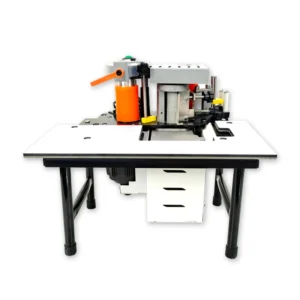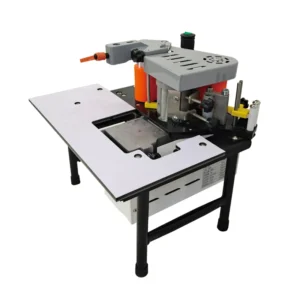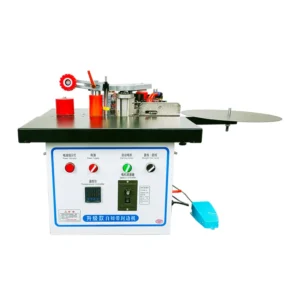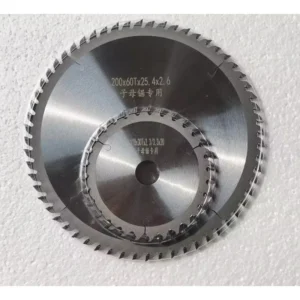
Description
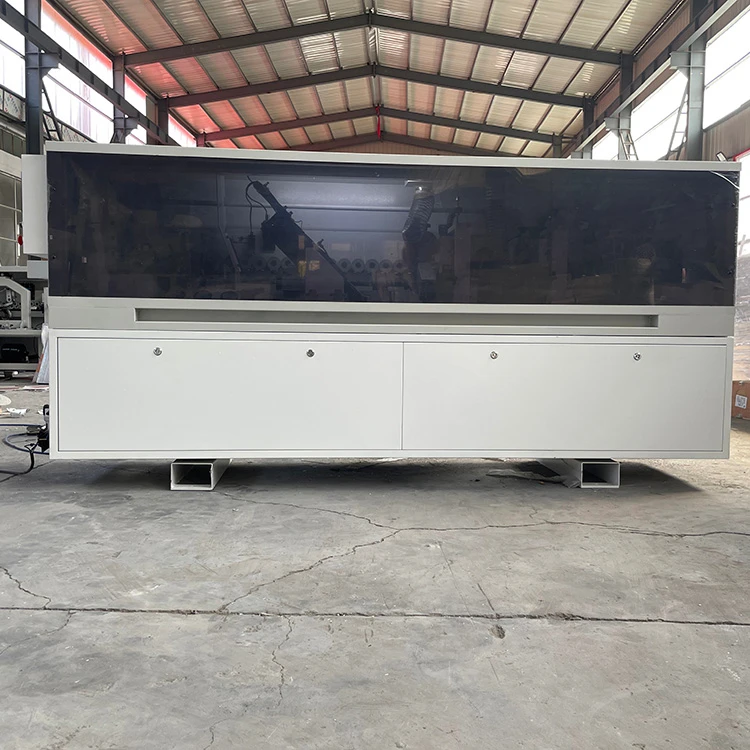
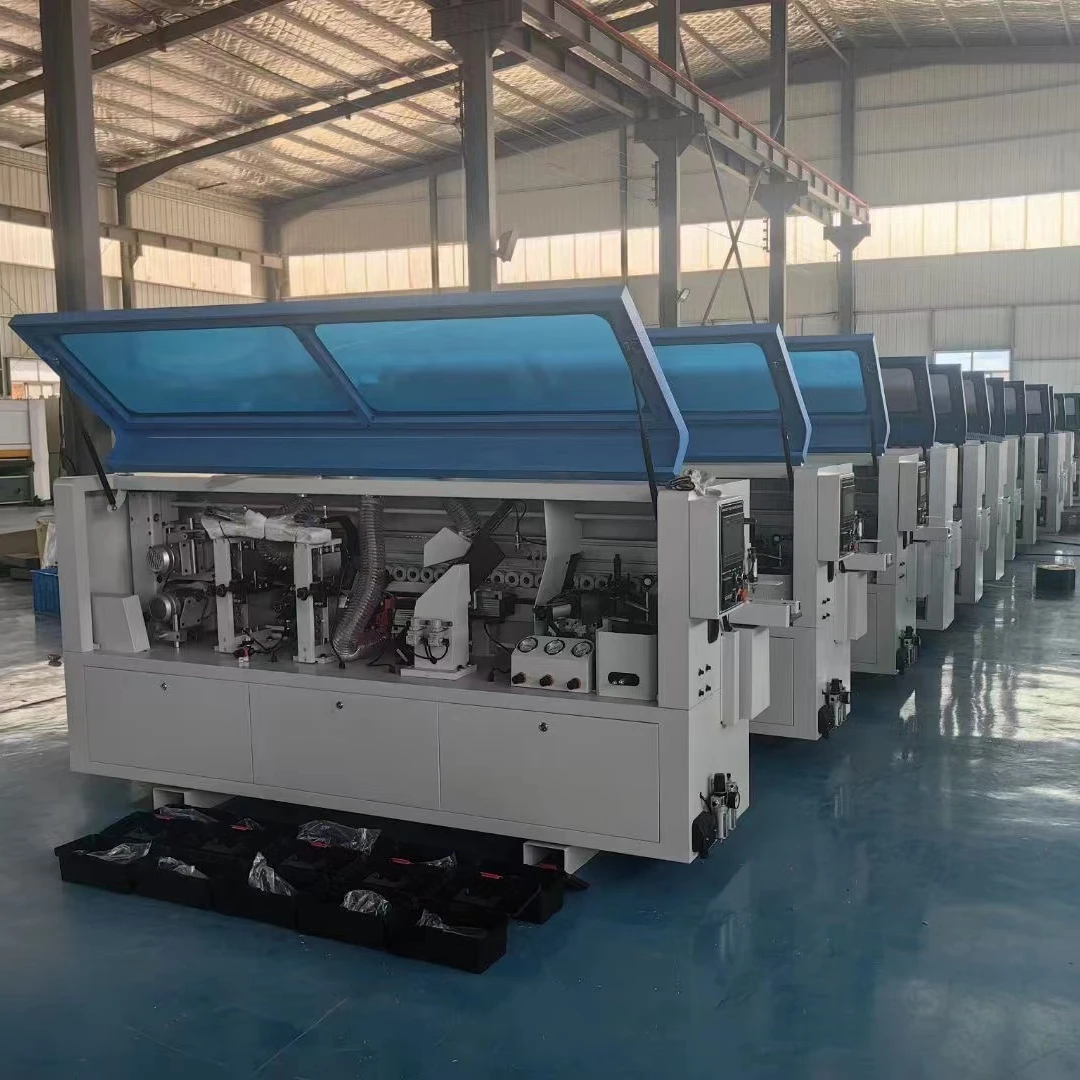
Fast Dispatch Assurance — every ZDS280B and ZDS280C automatic edge banding machine ships only after voltage and frequency are re-verified against the buyer’s local grid, preventing dead-on-arrival equipment.
Technical Specifications
| Parameter | Value |
|---|---|
| Model | ZDS280B / ZDS280C |
| Product Type | Automatic Edge Banding Machine |
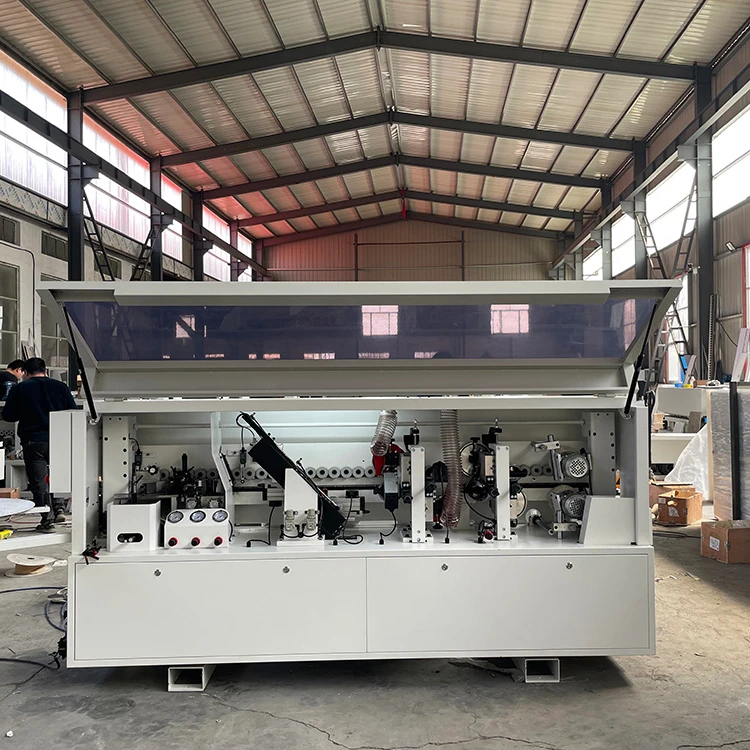
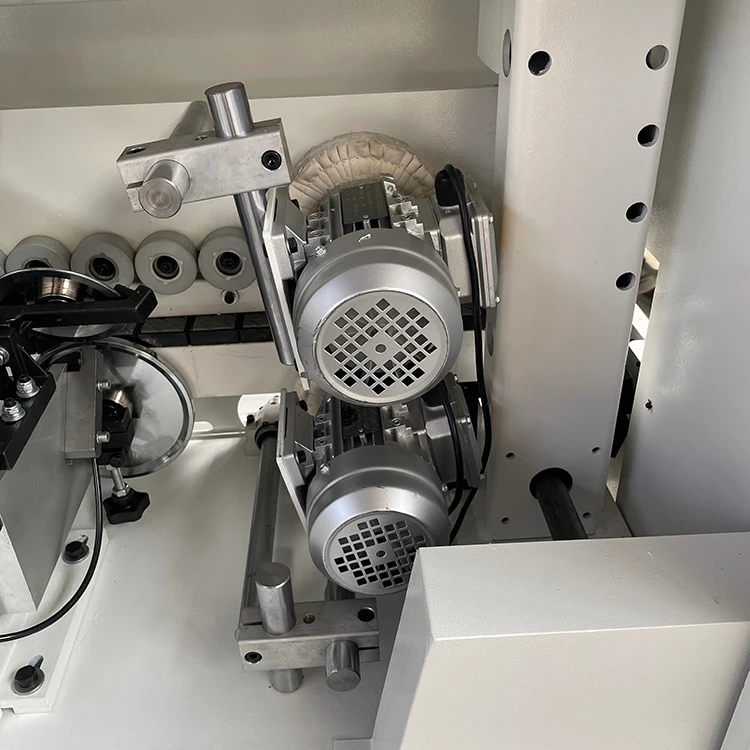
| Main Function (ZDS280B) | Gluing, End Trimming, Fine Trimming, Buffing |
| Main Function (ZDS280C) | Gluing, End Trimming, Fine Trimming, Scraping, Buffing |
| Working Pressure | 0.6-0.8 MPa |
| Panel Thickness Range | 10-55 mm |
| Edge Thickness Range | 0.4-3 mm |
| Conveyor Belt Speed | 15 m/min |
| Min. Panel Width | 45 mm |
| Min. Panel Length | 80 mm |
| Voltage & Frequency | 380V / 3-Phase (frequency to be confirmed per destination) |
| Rated Power | 7.5 kW |
| Weight (ZDS280B) | 650 kg |
| Weight (ZDS280C) | 800 kg |
| Overall Dimensions (ZDS280B) | 2300×700×1250 mm |
| Overall Dimensions (ZDS280C) | 2800×700×1250 mm |
| Fuselage Material | 14mm national standard high-strength steel plate, frame-type structure, high-temperature quenched |
| Guide Rail Material | HT260 cast iron |
| Conveying Motor | Customized Taiwan brand with thermal protection |
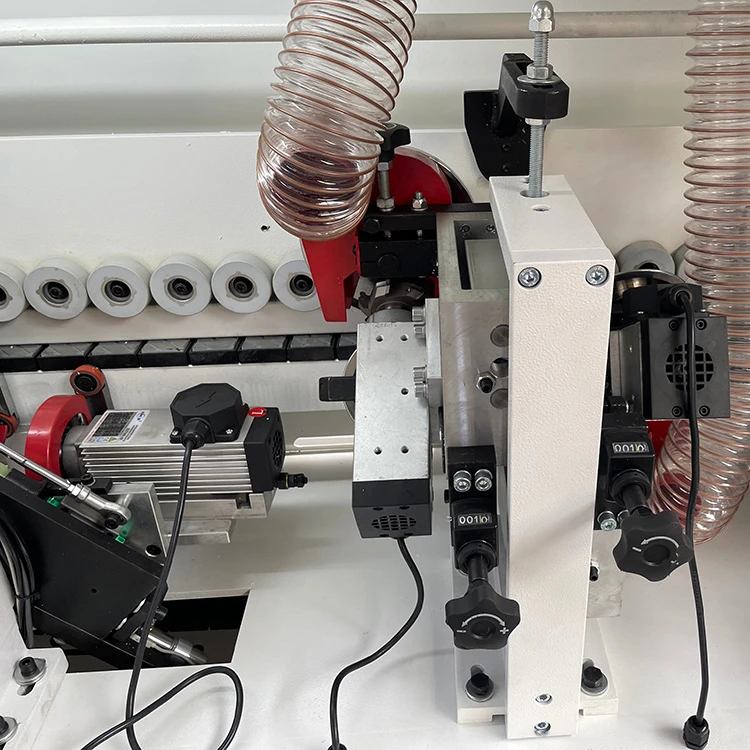
| Head Guide Rail | Taiwan brand linear guide |
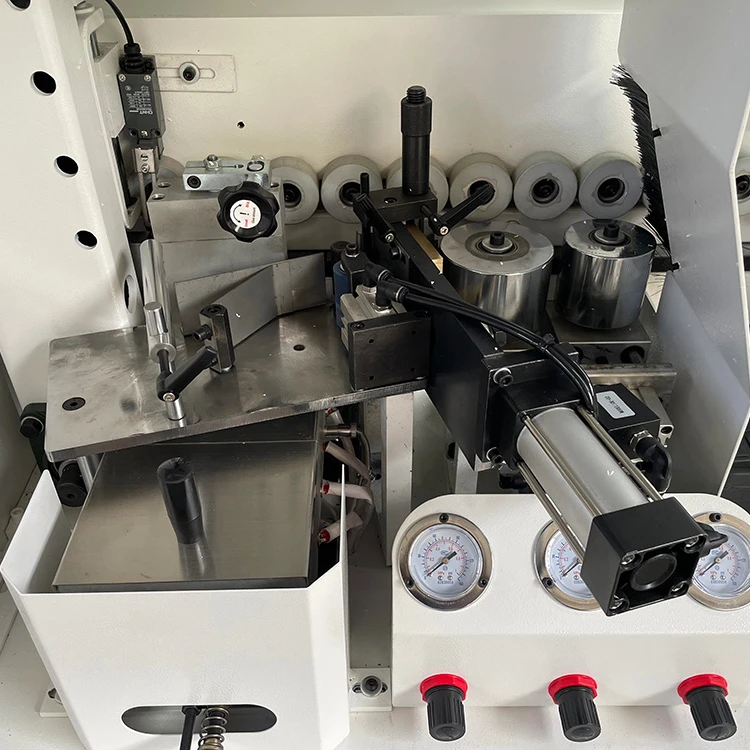
| Pneumatic System | German Festo or Taiwan AirTAC cylinder and safety valve, AirTAC magnetic switch |
| Electrical Components | Delixi/Chint air switches and contactors, Japanese Omron travel switches |
| Standards | CE compliant |
Application Suitability
| Application | Material or Output |
|---|---|
| Custom cabinet door edge finishing | MDF and particleboard with PVC or melamine edge banding |
| Small-batch furniture production | Plywood panels with solid wood veneer or ABS banding |
| Workshop panel processing | Chipboard shelving and partition boards up to 55 mm thick |
| Joinery startup operations | Transition from manual edge banding to semi-automated finishing |
| Replacement or add-on capacity | Single-unit procurement for immediate line integration |
Why the Voltage Question Must Come Before the Order
A machine that cannot start on arrival halts an entire workshop, not just one station.
When an edge bander arrives with 380V wiring but the destination country runs on 415V or 440V three-phase, the contactor trips immediately, and production stops until a transformer is sourced locally — sometimes taking several weeks [NEED_CITE: voltage and frequency standards by export market]. I have coordinated shipments where this single oversight delayed a cabinet factory’s commissioning by nearly a month. Before any automatic edge banding machine in stock leaves the floor, we document the buyer’s confirmed supply voltage and frequency in writing, ensuring the electrical configuration matches the grid it will plug into.
Dual Configurations for Varying Edge Quality Demands
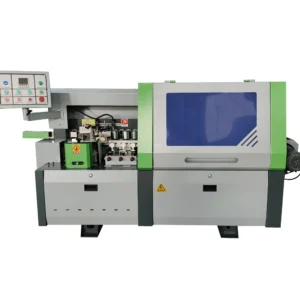
The ZDS280B handles the core sequence — gluing, end trimming, fine trimming, and buffing — covering most PVC and melamine applications where a clean, burr-free edge is the standard requirement. The ZDS280C adds a dedicated scraping station between fine trimming and buffing, removing residual adhesive film and producing a smoother transition between band and panel face. Workshops handling solid wood veneer or high-gloss PVC typically benefit from this extra station, as scraping eliminates the fine chatter marks that fine trimming alone can leave. Both models feed at 15 m/min, so throughput remains identical across configurations.
Speed and Simplicity from Ready Inventory
Ordering an automatic edge banding machine in stock eliminates the multi-week production queue that standard builds require. Once the voltage, control panel language, and edge material compatibility are confirmed, the unit moves directly to pre-shipment testing and packing. Single-unit orders ship on the same terms as larger batches, which matters for small workshops adding their first automated edge bander or established factories replacing a failed machine mid-season [NEED_CITE: CE machinery directive requirements for industrial equipment]. The streamlined path from inquiry to dispatch keeps downtime short and avoids the coordination overhead of phased deliveries.
How Component Choices Shape Daily Output
The 14mm high-strength steel fuselage, quenched after welding, resists the vibration that accumulates over thousands of panel passes — a lighter frame would develop play at the guide rail mounts, degrading trim accuracy over time. HT260 cast iron guide rails absorb micro-vibration and maintain alignment with the Taiwan linear head guides, keeping end trimming square to the panel face. The Festo or AirTAC pneumatic cylinders drive the pressure roller and trimming heads with consistent force across the full 10-55 mm panel thickness range; weaker cylinders lose responsiveness at the upper end of that range, producing uneven glue lines on thick stock. Japanese Omron travel switches control station activation points, ensuring each trimming head engages and retracts at the correct position regardless of panel length down to 80 mm.
The Hidden Cost of Skipping Configuration Checks
Buying a machine without confirming the feed height against your conveyor line, or the electrical supply against local standards, creates a cascade of problems that surface only after installation [NEED_CITE: common causes of woodworking machinery commissioning failure]. An edge bander that feeds at the wrong height relative to an upstream panel saw forces operators to lift or lower panels manually, introducing edge damage and slowing throughput. Voltage mismatch damages contactors and motors before the warranty period ends. Control panels in an unfamiliar language delay operator training and increase setup errors. These are not defects in the machine — they are failures in the specification conversation, and they cost more to fix on-site than to prevent before shipment.
Why Source This Edge Bander from Our Ready Stock
Every unit undergoes a four-stage quality check — incoming material, in-process, finished product, and pre-shipment verification — with a documented test record generated on actual panels before packing. Engineers confirm voltage, frequency, and language requirements against the buyer’s written specification, not an assumption. In-house manufacturing with patented cutting mechanisms means replacement parts and technical guidance originate from the same facility that built the machine. Factory visits are open to buyers who want to see the ZDS280B or ZDS280C run their own material before committing to an order. Single-unit and large-batch orders follow the same verification protocol, ensuring consistency regardless of order size.
Documentation & Verification
- Factory test record run on your specified panel thickness and edge material before dispatch
- Electrical schematic reflecting confirmed voltage and frequency for your installation site
- Operation and maintenance manual in the language your operators read
- CE declaration of conformity included with customs documentation set
- Pre-shipment packing photographs provided before the crate leaves the facility
Installation, Commissioning & Support
- 7.5 kW rated power requires a dedicated three-phase circuit with proper earth bonding at the installation point
- 2300×700 mm footprint (ZDS280B) or 2800×700 mm (ZDS280C) requires a level floor with clearance on both ends for panel infeed and outfeed
- 0.6-0.8 MPa compressed air supply must be regulated and filtered at the machine inlet
- HT260 guide rails and Taiwan linear guides should be checked for alignment after transport and before first production run
- Spare parts list included identifies wear items such as trimming cutters, buffing wheels, and pneumatic seals for local stocking
What to Include in Your Inquiry
Share the panel materials you process most frequently, including substrate type and typical thickness range, so we can confirm the ZDS280B or ZDS280C configuration that matches your output requirements. Provide your workshop’s confirmed supply voltage and frequency, along with the preferred control panel language. If this machine will sit within an existing line, let us know the feed height of your upstream and downstream conveyors to ensure compatibility.
Frequently Asked Questions
Q: Which models are currently available for immediate dispatch and what is the lead time?
A: Both the ZDS280B and ZDS280C are held in ready stock. Once voltage confirmation and language requirements are finalized, the machine moves to pre-shipment testing and packing. Dispatch timing depends on destination and shipping method, which we quote at the order stage.
Q: What voltage does the machine require and can it be adapted for my region?
A: The standard configuration is 380V three-phase. We confirm your local voltage and frequency in writing before dispatch and adapt the electrical components accordingly. A formal voltage confirmation document is signed by both parties to prevent mismatch on arrival.
Q: What is the difference between ZDS280B and ZDS280C?
A: The ZDS280B includes gluing, end trimming, fine trimming, and buffing. The ZDS280C adds a scraping station that removes residual adhesive film for a smoother edge finish. Workshops processing high-gloss PVC or wood veneer typically choose the ZDS280C for the additional surface quality.
Q: Can I order a single unit and what shipping options are available?
A: Single-unit orders are accepted on the same terms as larger batches. Shipping options are quoted based on your destination port or door address. We provide packing photographs and full customs documentation to support clearance at your end.
Q: What spare parts come with the machine and how do I order replacements?
A: A spare parts list is included with every shipment, identifying wear items such as trimming cutters and pneumatic seals. Replacement parts are available directly from the manufacturing facility and can be shipped separately as needed after delivery.