Description
Voltage-verified dispatch — every unit leaves the dock with confirmed electrical schematics and a factory run test matched to your workshop’s supply standard.
Technical Specifications
| Parameter | Value |
|---|---|
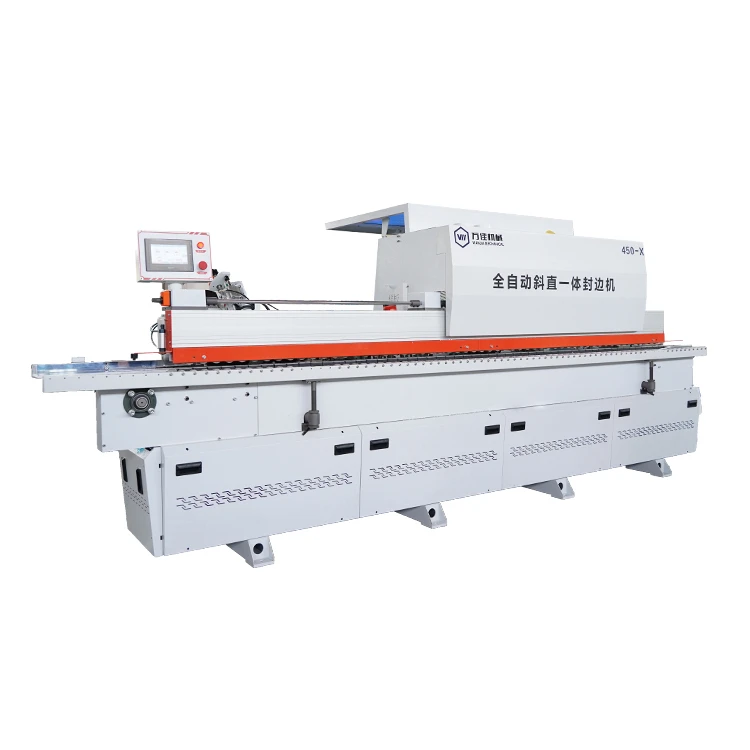
| Product Type | Automatic Edge Banding Machine with Pre-Milling and Curve/Slant Capability |
| Overall Dimensions (L×W×H) | 4350 × 920 × 1650 mm |
| Total Power | 17.5 kW |
| Voltage & Frequency | 380V / three-phase five-wire / 50Hz (configurable from 110V to 440V) |
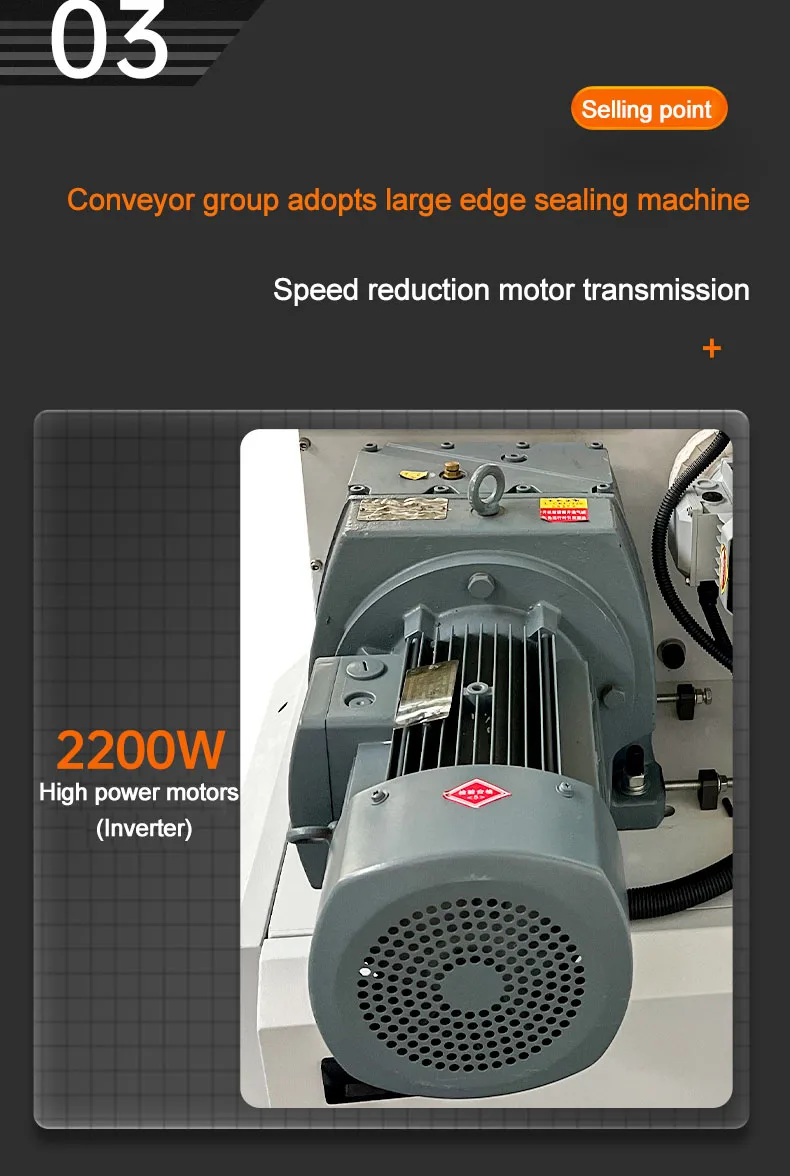
| Conveying Motor | 380V / 2.2 kW with frequency converter |
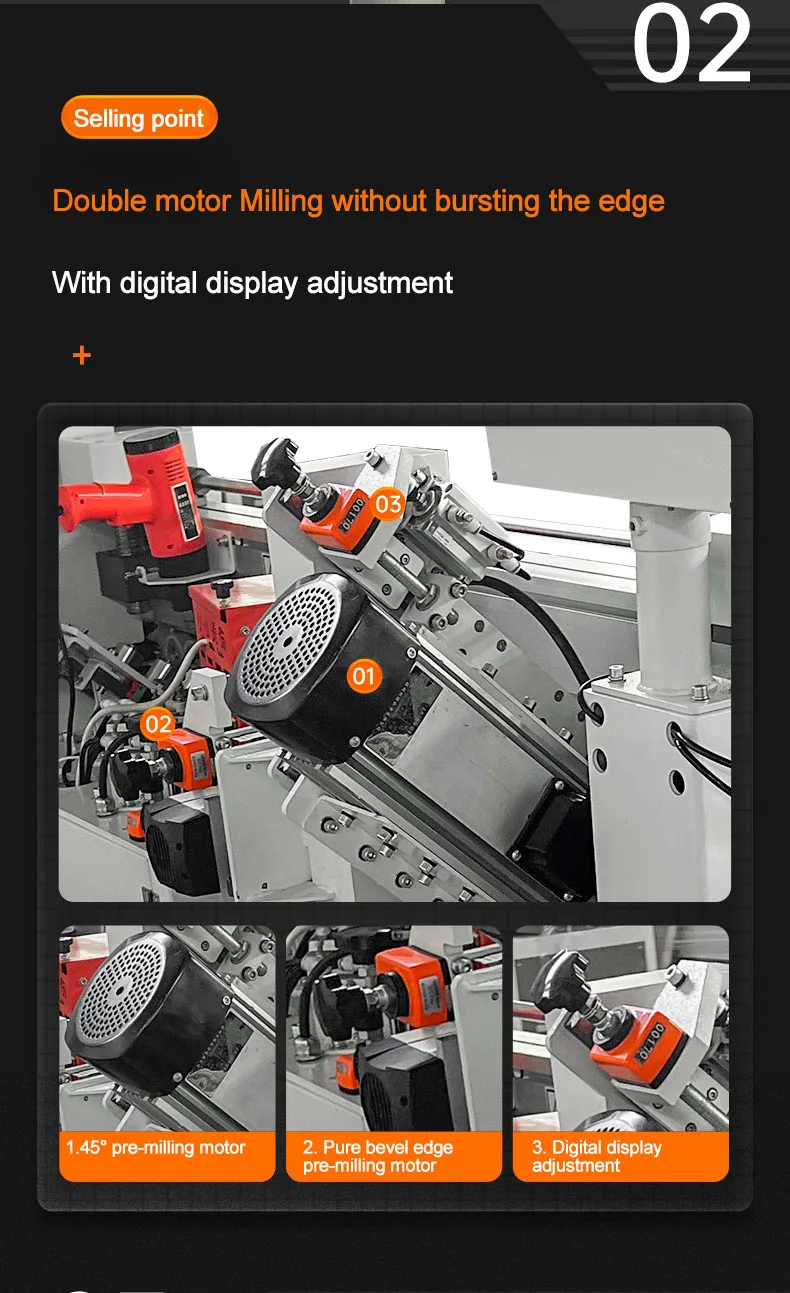
| Pre-Milling Motor | 380V / 3.5 kW |
| Selection Motor | 380V / 4 kW |
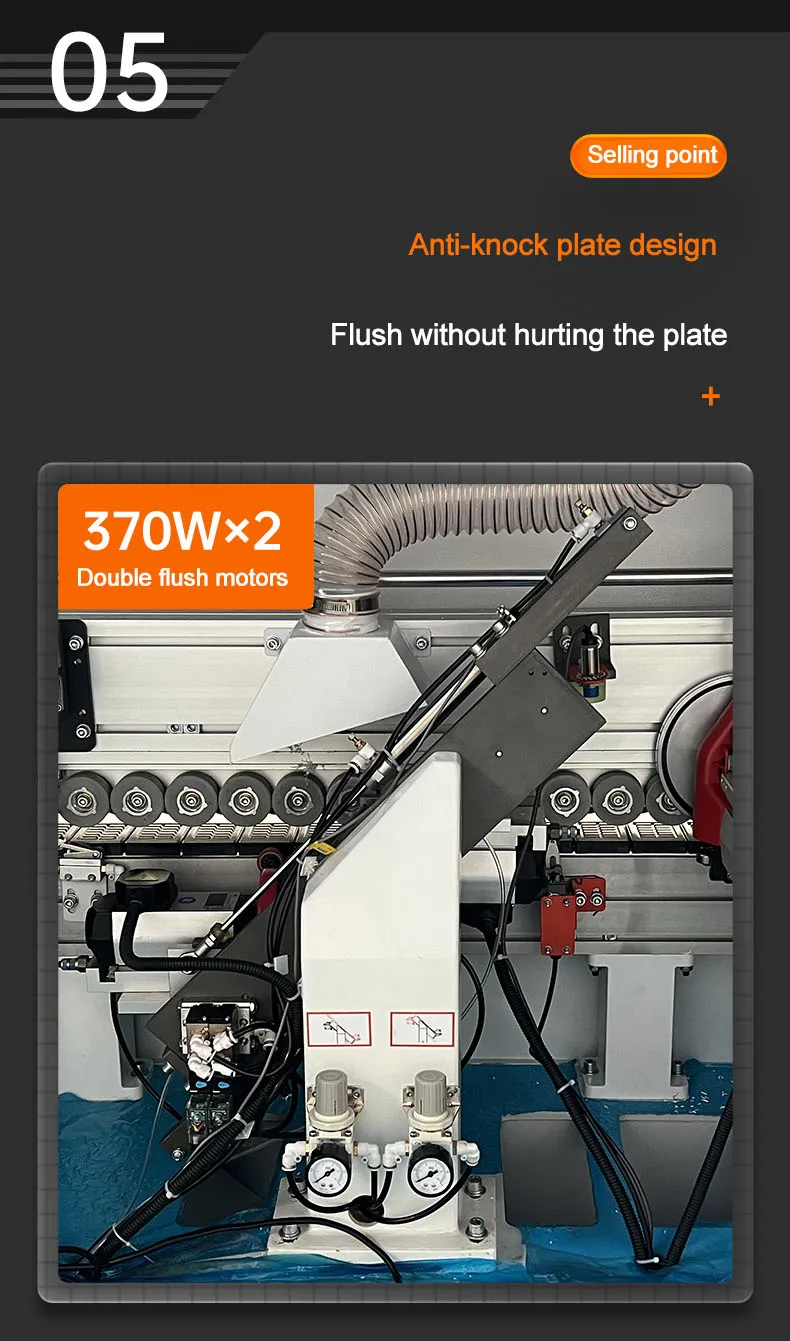
| Trimming Motor | 380V / 0.75 kW × 2 |
| End Trimming Motor | 380V / 0.37 kW × 2 |
| Edge Scraping Motor | 380V / 0.18 kW with inverter |
| Polishing Motor | 380V / 0.37 kW × 2 |
| Slotted Motor | 220V / 0.8 kW |
| Glue Pot Heating | 1.2 kW |
| Heat Gun | 2 kW |
| Glue Pot Temperature Range | 150–170°C |
| Glue Pot Capacity | 2000 mL |
| Edge Banding Thickness | Up to 1.2 mm (PVC, material dependent) |
| Edge Strip Width | 20–50 mm |
| Panel Thickness Range | 18 / 22 / 25 mm |
| Minimum Panel Width | >100 mm |
| Minimum Panel Length | >250 mm |
| Feed Speed | 0–12 m/min (variable, frequency converter controlled) |
| Air Source Pressure | 0.6–0.8 MPa |
| External Dust Extraction Port | 100 mm diameter |
| Control System | Xinjie industrial touch screen with Xinjie industrial inverter |
| Assembly State | Fully assembled, ready for commissioning |
Application Suitability
| Application | Material or Output |
|---|---|
| Custom furniture panel edge finishing | MDF and particleboard with PVC edge banding at 18–25 mm thickness |
| Cabinet door and carcass edge processing | Plywood panels with straight and curve/slant edge profiles |
| Small-to-mid workshop automated edge banding | Boards ≥100 mm wide and ≥250 mm long at feed speeds up to 12 m/min |
| Joinery shops transitioning from manual to machine banding | PVC banded panels for residential and commercial furniture |
Why the Voltage Question Should Come Before Everything Else
Confirming local supply before dispatch eliminates the most common on-site failure: a machine that simply will not power on.
I once watched an edge bander sit idle for three weeks on a job site because the local grid ran 415V/60Hz while the machine arrived wired for 380V/50Hz. The transformer retrofit cost more than the shipping. That experience reshaped how every automatic edge banding machine in stock is handled here — electrical drawings and nameplate photos go out before the crate closes. [NEED_CITE: voltage and frequency standards by export market]
Single machines bought without electrical confirmation create cascading delays. The operator stands by, the project stalls, and trust erodes before the first panel runs through the feed.
Stock Configuration That Ships Without Guesswork
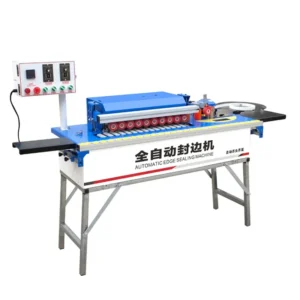
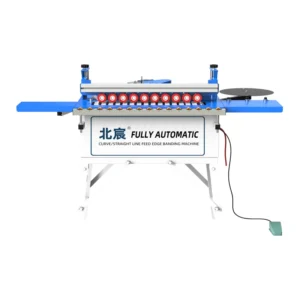
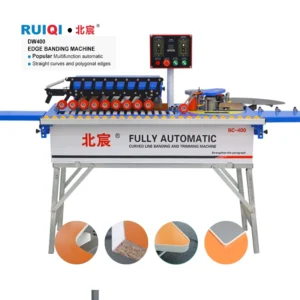
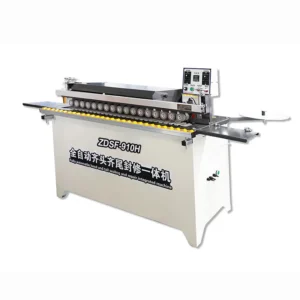
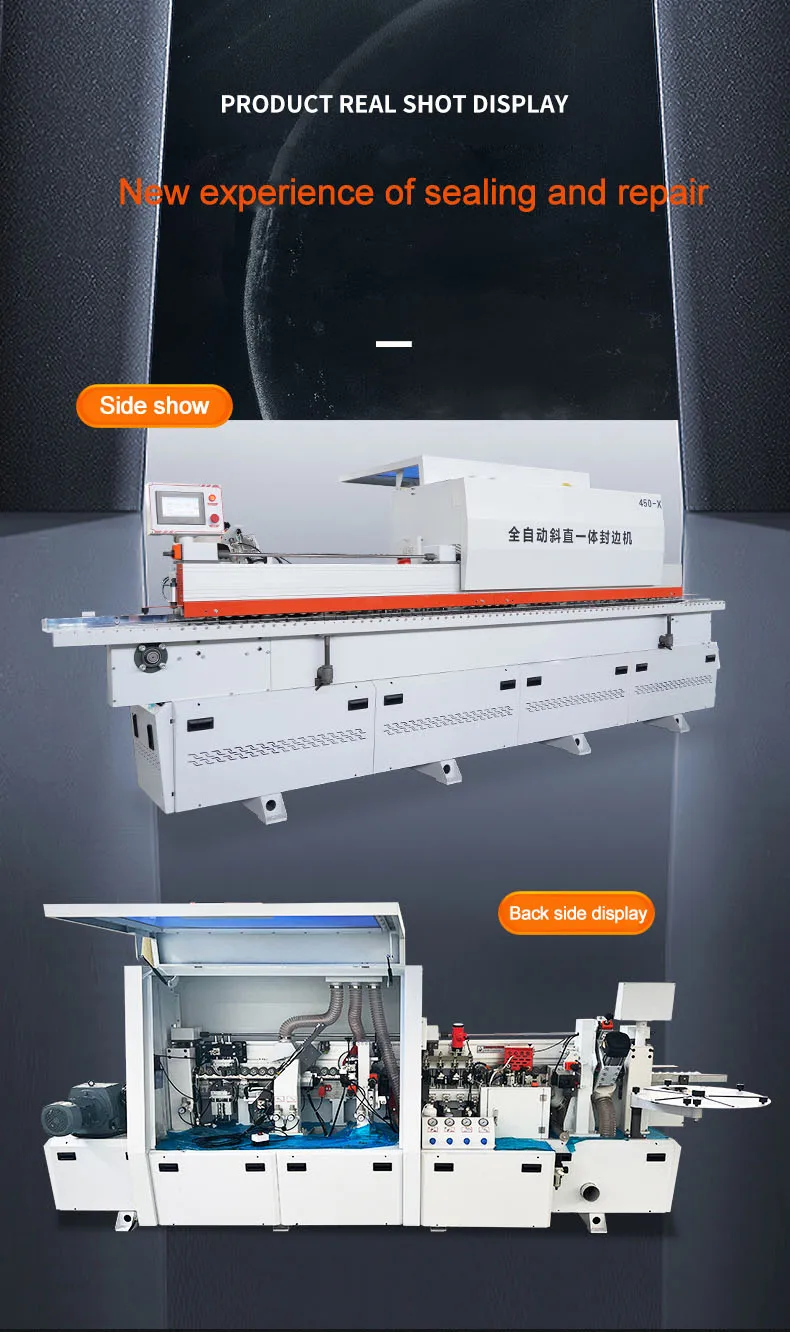
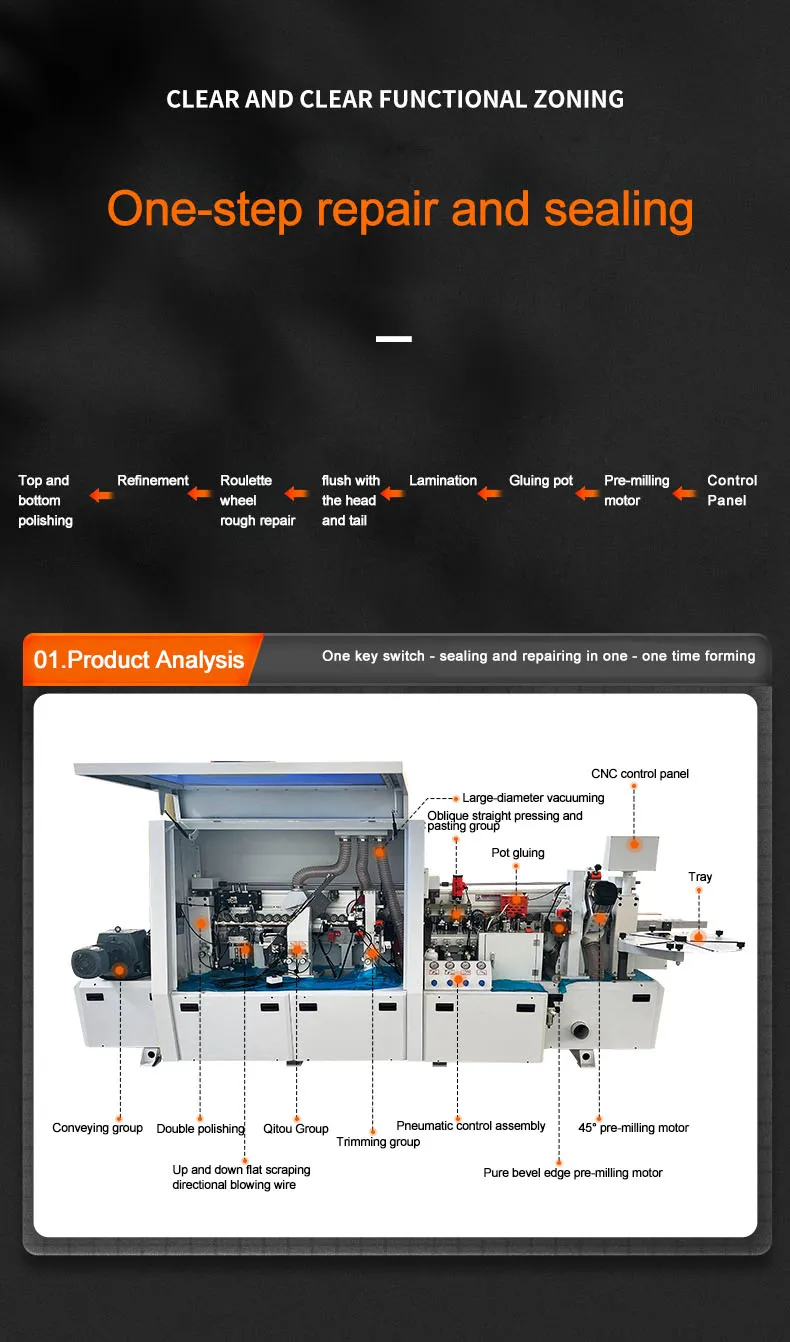
This automatic edge banding machine in stock arrives with a full station lineup — pre-milling, gluing, end trimming, edge scraping, and polishing — configured and tested as a complete unit before it leaves the floor. You are not assembling a puzzle of mismatched components. The Xinjie industrial touch screen controls every station from a single interface, so the operator learns one system rather than troubleshooting separate modules.
Dispatch Readiness vs. Build-to-Order Delays
Workshops that need capacity now cannot wait through a production cycle. Stocked units move from the warehouse to your dock within a typical multi-week lead time, not the months a custom build requires. Each unit undergoes a pre-shipment run on panel material matching your specification, and the test record ships with the documentation package. [NEED_CITE: pre-shipment inspection standards for woodworking machinery exports]
How Pre-Milling Changes Edge Quality Downstream
The 3.5 kW pre-milling motor removes a thin layer from the panel edge before the glue station, eliminating saw marks and minor chip-out left by the panel saw. On MDF and particleboard, this directly affects how cleanly the PVC banding seats against the substrate. Without pre-milling, visible glue lines appear more frequently on porous cores, and the trimming station has to work harder to achieve a flush finish.
Feed speed variability from 0 to 12 m/min via frequency converter lets you match throughput to the job. Slower speeds on curve and slant profiles give the glue more open time and keep the banding tracking accurately. Straight runs on standard cabinet panels can push toward the upper range without sacrificing edge adhesion.
The 2000 mL glue pot maintains temperature between 150°C and 170°C, which covers the working range for standard EVA hot-melt adhesives used with PVC banding. Temperature stability at the pot directly influences glue viscosity and, ultimately, how much squeeze-out the scraping station must clean.
When a Machine Arrives Wrong for the Shop
A banding machine wired for the wrong frequency will run its motors at incorrect RPM, which shifts feed speed and can damage the conveyor drive over time. Panels that should edge-band cleanly come back with chatter marks, and the operator has no way to diagnose the root cause without an electrician on site. [NEED_CITE: effects of frequency mismatch on induction motor performance]
Buying a single station and adding others later often leads to feed height mismatches between units. This machine ships as a complete line — pre-milling through polishing — so every station is mechanically aligned at the factory rather than bolted together in the field.
What Ships With the Machine
In-house manufacturing with patented cutting mechanisms means replacement parts are not sourced from third-party catalogs. Voltage customization from 110V to 440V is confirmed against your electrical drawing before production or dispatch. The four-stage QC process covers incoming material, in-process assembly, finished product testing, and a final pre-shipment verification with your panel sample. An engineer reviews your factory layout and processing requirements, then issues a formal quotation within 24 hours. Factory visits are available if you want to see the machine run before it crated.
Documentation & Verification
- CE declaration of conformity specific to this edge banding machine model
- Electrical schematic confirming your workshop’s voltage and frequency before dispatch
- Factory test record using your specified panel thickness and PVC banding material
- Operation and maintenance manual translated into the agreed operator language
- Spare parts list with part numbers matching the as-shipped configuration
- Packing photographs documenting the unit condition at the time of crating
Installation, Commissioning & Support
- 4350 mm length requires a clear floor span with level concrete and anchor points
- 17.5 kW total load needs a dedicated three-phase circuit with proper breaker sizing
- Fully assembled arrival means no station alignment or mechanical rebuild on site
- Xinjie touch screen parameter setup calibrated to your PVC thickness and panel type
- Dust extraction port at 100 mm diameter connects directly to standard workshop collection
- Air supply at 0.6–0.8 MPa must be clean and dry to protect pneumatic cylinders
What We Need to Move Forward
Provide your local voltage and frequency so the electrical system matches your grid on arrival. Share the panel materials and thicknesses you run most often, along with your typical edge banding material and width. If you have existing upstream saws or downstream boring machines, let us know their feed heights and throughput so this unit integrates without bottlenecking the line.
Frequently Asked Questions
Q: What stock models are available and what is the dispatch lead time?
A: Stocked automatic edge banding machines with pre-milling and curve capability are ready for dispatch within typical multi-week lead times. Each unit is configured and tested before shipping. Lead time depends on your voltage and language requirements, which we confirm during the quotation stage.
Q: How do I confirm the voltage and frequency match my workshop supply?
A: We request your local electrical specification early in the inquiry. An engineer reviews the requirements against the machine’s configurable range of 110V to 440V and issues a confirmed electrical schematic before dispatch. Nameplate photos are provided for your electrician’s review prior to shipment.
Q: Which edge banding materials and panel thicknesses does this machine handle?
A: This machine processes PVC edge banding up to 1.2 mm thick and 20–50 mm wide on MDF, particleboard, and plywood panels at 18, 22, and 25 mm thickness. The pre-milling station prepares the substrate edge for clean adhesion across these materials.
Q: Can the control panel language be set before shipping?
A: Yes. The Xinjie industrial touch screen supports multilingual configuration. We confirm your operator’s preferred language during the order stage and set the interface before the pre-shipment test, so commissioning starts with readable menus and alarms.
Q: What spare parts are included and how are replacements sourced?
A: A spare parts list ships with every unit, matching the as-built configuration. Wear items such as trimming cutters and scraping blades are identified with part numbers. Replacements are available directly from the factory, and we provide sourcing guidance for consumables in your region.