
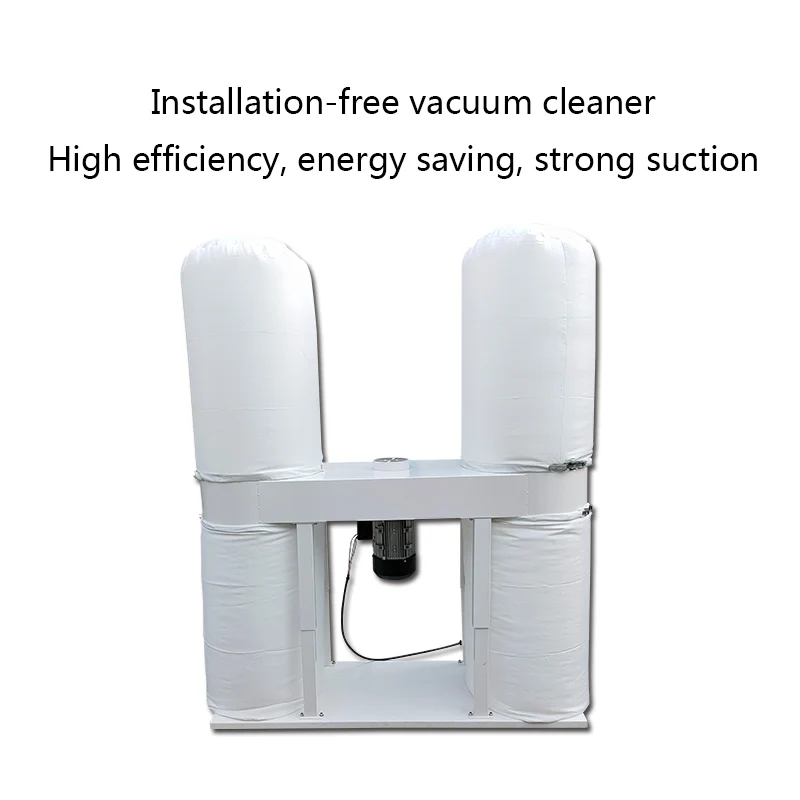
Description
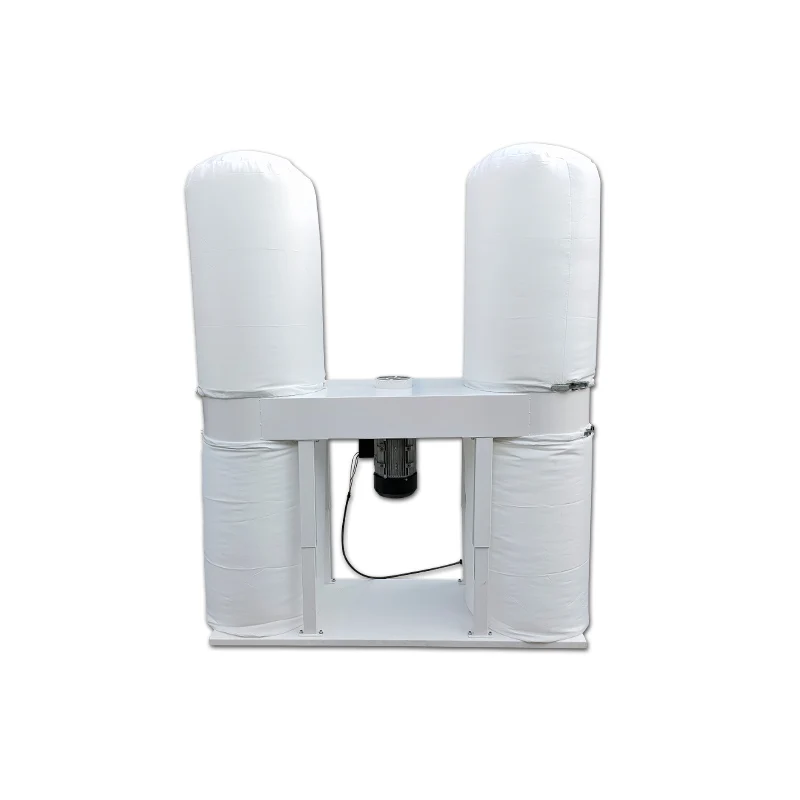
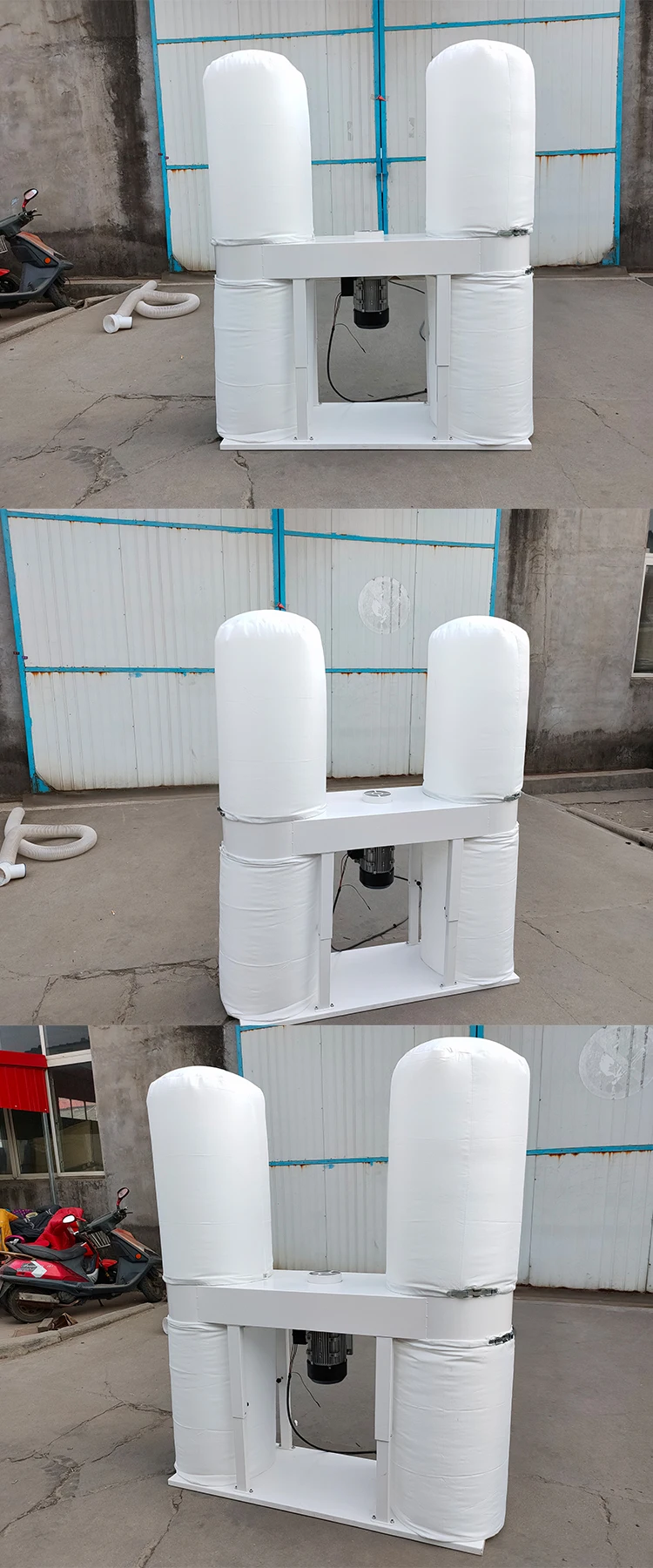
Stocked Dust Collector — Ready for dispatch with voltage and duct sizing confirmed against your CNC router or panel saw before the crate is sealed.
Technical Specifications
| Parameter | Value |
|---|---|
| Product Type | Industrial Dust Collector |
| Filtration Method | Bag filter with diversion device for large particle separation |
| Airflow Path | Mobile bag inlet → guide pipe → diversion device → dust hopper / filtration bag |
| Dust Separation | Multi-stage; large particles fall into hopper, fine dust adsorbed on filter bag |
| Compatible Machines | CNC router, sander, panel saw, other woodworking machines |
| Voltage & Frequency | Customizable (options to be confirmed) |
| Assembly State | Complete unit (modular or integrated configuration basis to be confirmed) |
Application Suitability
| Application | Material or Output |
|---|---|
| CNC routing extraction | MDF, plywood, particleboard, solid wood panels |
| Panel saw dust capture | MDF, plywood, particleboard offcuts and fine dust |
| Sanding operation filtration | Solid wood and veneered panel sanding residue |
| General workshop cleanup | Mixed wood dust and large particle debris |
Why Voltage and Duct Size Must Be Locked Before Dispatch
A stocked dust collector in stock ships fast, but only if the electrical and mechanical interfaces are confirmed first.
I have watched a workshop in Southeast Asia lose four full production days because a dust collector arrived with a duct collar that did not mate with their CNC router’s extraction port, and the fan motor was wired for a frequency their local grid could not support. The machine was technically perfect, yet it sat idle while adapters and a replacement contactor were air-freighted across two borders [NEED_CITE: common commissioning delays from voltage mismatch]. Confirming these details in writing before the unit leaves the factory costs nothing; discovering them on the shop floor costs real downtime.
Dispatch Speed Without the Guesswork
When a furniture workshop needs a dust collector fast delivery becomes the priority, and stocked units shorten the wait considerably. This unit sits in the warehouse as a complete assembly, so the lead time is measured in days for crating and transport documentation rather than weeks for build cycles. Voltage and plug configuration are set during final pre-shipment testing, meaning the unit that arrives on your dock is already matched to your facility’s supply.
Flexible Duct Connection for Mixed Machine Fleets
Many small to mid-size shops run a CNC router alongside a sliding panel saw and a wide-belt sander, each with different extraction port diameters and airflow demands. The mobile bag inlet on this dust collector in stock allows the main trunk to be positioned and angled toward whichever machine generates the heaviest load that shift. This flexibility matters when a workshop is still mapping out permanent ductwork or plans to rearrange the floor layout as production volume grows.
How the Multi-Stage Filtration Path Affects Filter Life
The diversion device inside this unit separates large particles — chunky MDF offcuts, plywood edge trimmings, solid wood shavings — before they reach the filtration bag [NEED_CITE: bag filter separation stages in woodworking extraction]. By letting heavy debris fall directly into the dust hopper, the bag surface stays available for fine dust adsorption longer. That means fewer bag-change intervals and more consistent suction at the machine hood, which is where extraction performance actually matters for operator health and cut quality.
The Hidden Cost of Skipping Interface Verification
A dust collector that arrives with the wrong duct collar diameter or an incompatible fan rotation direction does not just sit unused — it forces the entire upstream machine to run without proper extraction. Fine MDF dust accumulates on CNC router guide rails, accelerates wear on linear bearings, and drifts into electrical cabinets [NEED_CITE: wood dust impact on CNC machine component lifespan]. Panel saws running without extraction leave residue on scoring blades, degrading cut edge quality within hours. These downstream costs are never visible on the purchase order for the dust collector itself.
Why Source This Unit Through Our Stock Channel
Every stocked dust collector in stock is checked against the buyer’s confirmed voltage and frequency before crating, eliminating the most common cause of commissioning failure. The four-stage QC process covers incoming components, in-process assembly, finished unit function, and pre-shipment verification with photographic records. Custom logo and control panel language are available on request, and a single-unit order carries the same documentation package as a full container load. The engineer-led configuration recommendation ensures the unit matches the machines it will serve, not just the budget line it fills.
Documentation & Verification
- Electrical schematic reflecting your confirmed voltage and frequency before dispatch
- Factory test record showing airflow path function on your specified machine type
- Operation and maintenance manual written in the language your operators read
- Spare parts list with filter bag specifications and reorder part numbers
- Packing photographs of the crated unit before it leaves the warehouse
Installation, Commissioning & Support
- Confirm dedicated circuit rating matching the unit’s voltage before connecting power
- Verify duct collar diameter against each machine’s extraction port before final trunk routing
- Inspect bag filter seating and diversion device alignment after transport vibration
- Run each connected machine at full feed rate to confirm suction adequacy at the hood
- Schedule filter bag inspection at the interval noted in the supplied maintenance manual
What We Need to Quote the Right Configuration
Tell us which machines this dust collector will serve, their extraction port diameters, and the duct run length from each machine to the collector location. Share your facility’s voltage, phase, and frequency so the motor and control panel arrive ready to connect. If you plan to add machines later, note the future layout so the inlet configuration leaves room to grow.
Frequently Asked Questions
Q: What voltage and plug options are available, and how is compatibility confirmed?
A: Voltage is configurable across common industrial ranges, and plug type is set to match your region — EU, USA, AU, UK, or others. We confirm the exact supply in writing and provide an electrical schematic before production so there are no surprises when the unit is uncrated and wired.
Q: How quickly can a stocked unit be dispatched?
A: Stocked dust collector fast delivery units are crated and documented within days once voltage and duct specifications are confirmed. Shipping method — sea, air, or express — depends on your timeline and destination port, and options are quoted at the order stage.
Q: Which woodworking machines can this dust collector serve?
A: The unit connects to CNC routers, sanders, panel saws, and general woodworking machines through its mobile bag inlet. Multiple machines can share one collector if the combined airflow demand falls within the unit’s capacity and duct routing is balanced.
Q: Is a pre-shipment test available before dispatch?
A: Yes. Each unit undergoes a pre-shipment function test covering the airflow path, diversion device operation, and bag filter seating. Photographic records and a signed test report are supplied with the shipment documentation.
Q: What spare parts and consumables ship with the unit?
A: A spare parts list is included with every shipment, and replacement filter bags matching the unit’s specifications are available for reorder. The maintenance manual notes inspection intervals and bag change procedures for your workshop team.