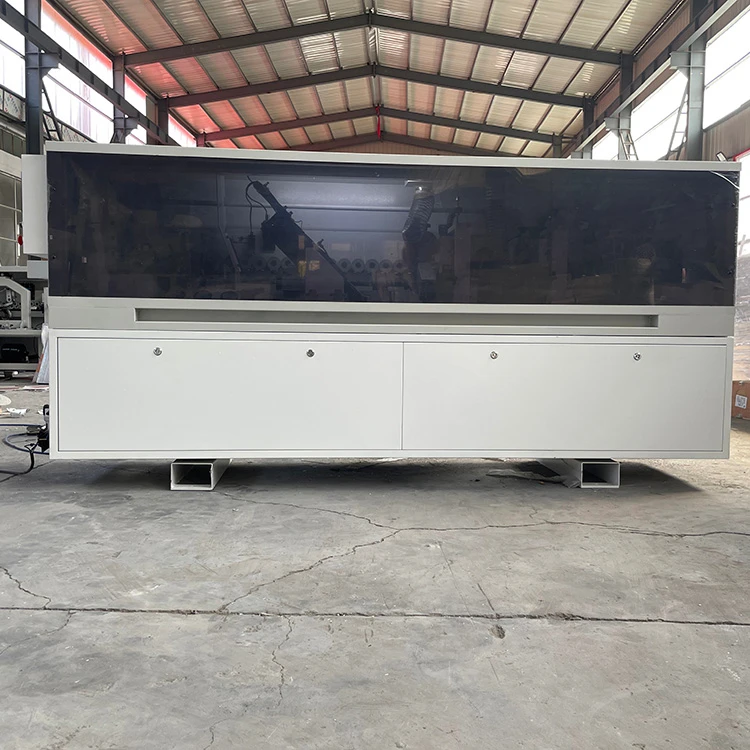
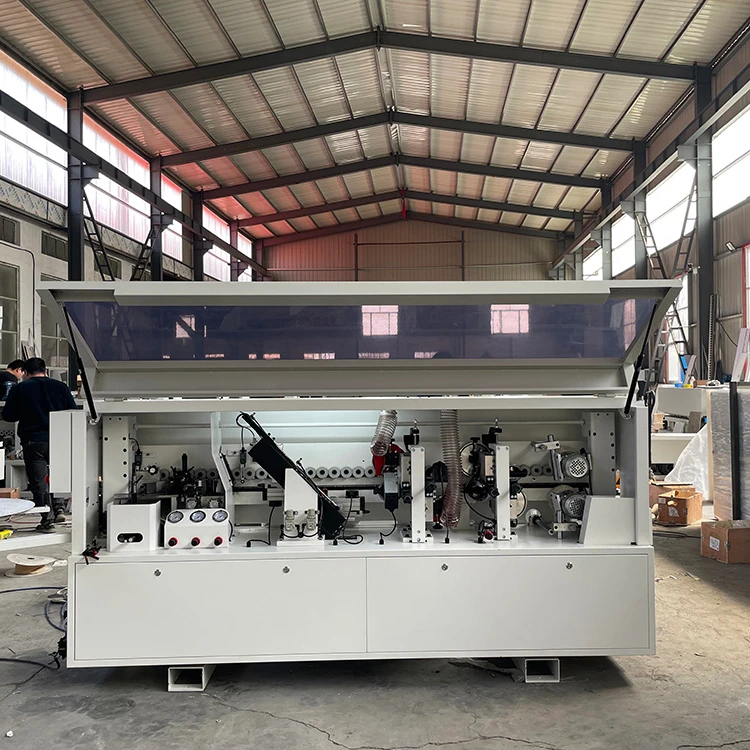
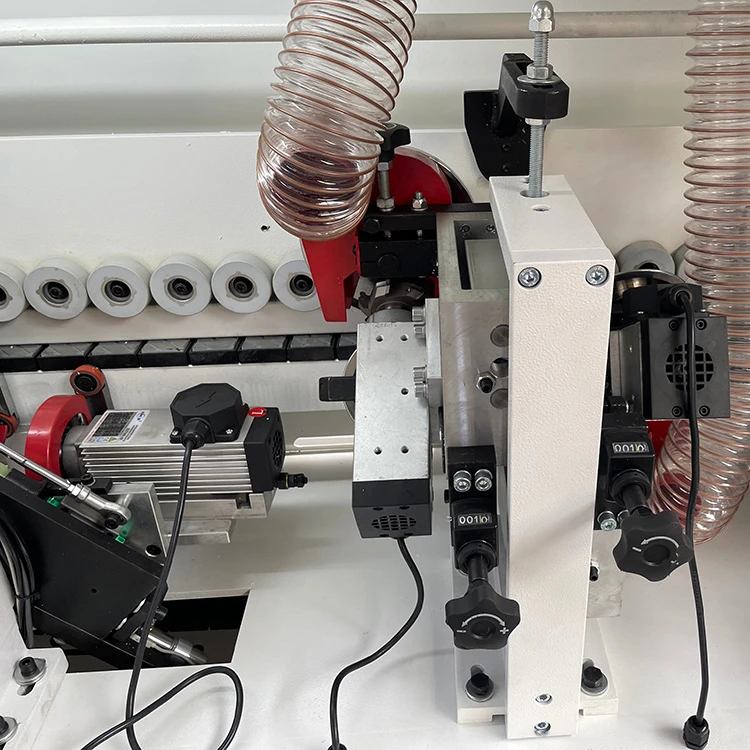
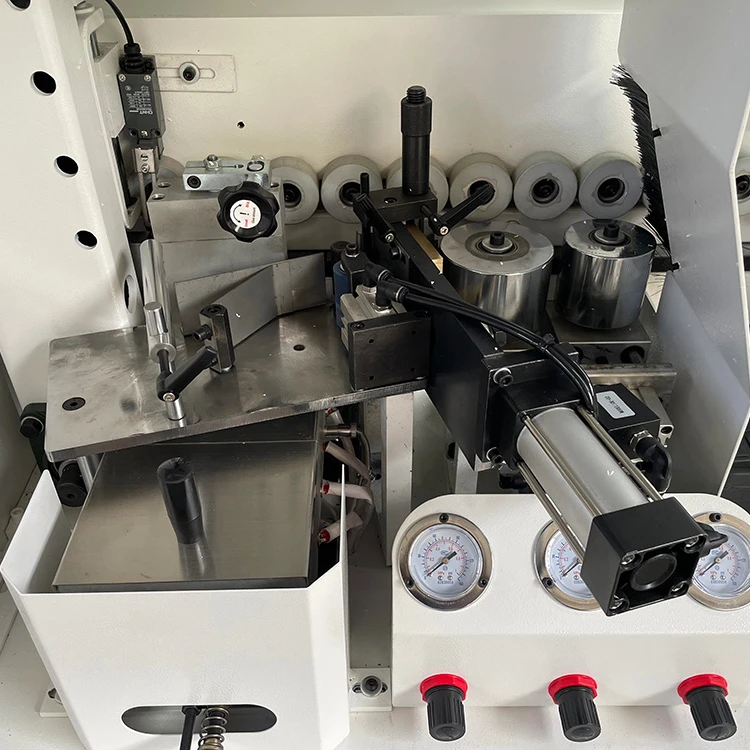
Description
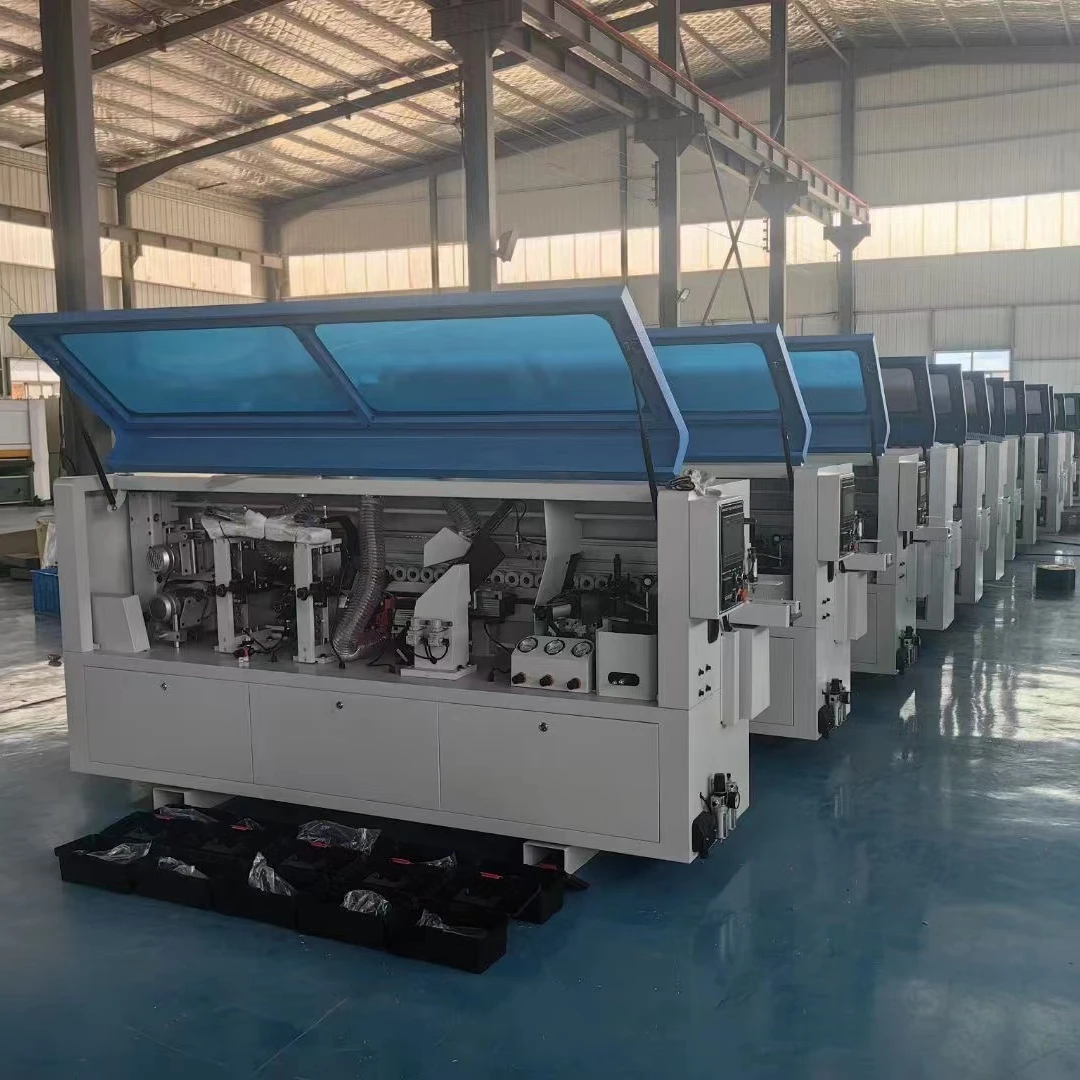
Dispatch-Ready Build — ZDS280B/ZDS280C units are tested, voltage-verified, and staged for immediate shipment, eliminating the multi-week wait typical of custom-built orders.
Technical Specifications
| Parameter | Value |
|---|---|
| Model | ZDS280B / ZDS280C |
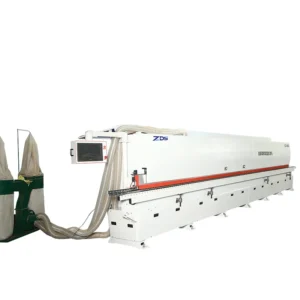
| Product Type | Automatic Edge Banding Machine |
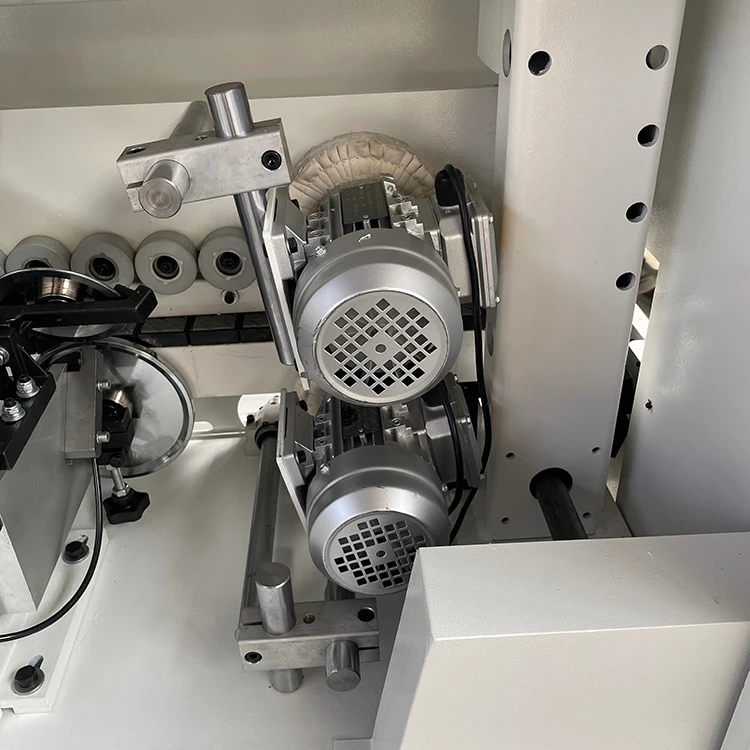
| Main Functions | Gluing, End Trimming, Fine Trimming, Buffing (ZDS280B); adds Scraping (ZDS280C) |
| Panel Thickness Range | 10–55 mm |
| Edge Thickness Range | 0.4–3 mm |
| Conveyor Belt Speed | 15 m/min |
| Min. Panel Width | 45 mm |
| Min. Panel Length | 80 mm |
| Working Pressure | 0.6–0.8 MPa |
| Voltage | 380V / 3-Phase |
| Rated Power | 7.5 kW |
| Weight | 650 kg (ZDS280B) / 800 kg (ZDS280C) |
| Overall Dimensions | 2300×700×1250 mm (ZDS280B) / 2800×700×1250 mm (ZDS280C) |
| Fuselage Construction | 14 mm high-strength steel plate, frame-type, high-temperature quenched |
| Guide Rail Material | HT260 |
| Conveying Motor | Taiwan brand, with thermal protection |
| Head Guide Rail | Taiwan brand |
| Pneumatic System | German Festo or Taiwan AirTAC cylinder and safety valve, AirTAC magnetic switch |
| Electrical Components | Delixi/Chint air switches and contactors, Japanese Omron travel switches |
| Certification | CE |
Application Suitability
| Application | Material or Output |
|---|---|
| Cabinet and wardrobe panel edging | MDF and particleboard with PVC or melamine edge banding |
| Custom furniture component finishing | Plywood panels with veneer or PVC banding up to 3 mm |
| Small workshop batch production | Solid wood panels requiring gluing, trimming, and buffing |
| Joinery starter setups transitioning from manual edging | Panel substrates 10–55 mm thick with standard edge materials |
Why Confirming Voltage Before Dispatch Matters More Than You Think
Every Automatic Edge Banding Machine in stock is matched to your site voltage and frequency before it leaves the factory floor.
I remember a Southeast Asian buyer who rushed an order for an MDF edge bander. The sample ran beautifully on PVC, but on his actual melamine substrate the glue temperature was wrong for his local voltage fluctuation, and the first week produced panels with delamination at every corner [NEED_CITE: voltage and frequency standards by export market]. A machine sitting unused because the power supply was never confirmed is a cost no workshop can absorb. That is why each stocked ZDS280 unit ships only after the buyer’s electrical specification is documented and the control panel language is set to match the operator.
Immediate Availability Without the Build Queue
Workshops scaling from manual processes or replacing a failed machine cannot wait weeks for production. The ZDS280 series sits in our dispatch-ready inventory, meaning lead time is measured in days rather than months. This Automatic Edge Banding Machine in stock configuration covers the core functions that most small to mid-size furniture operations require daily, so you are not paying for stations you will never use.
Stock Does Not Mean Unchecked
Each unit goes through pre-shipment verification before crating. The conveyor belt, pneumatic cylinders, and glue pot are run under load to confirm they meet spec. This step catches issues that only appear when the machine is operating at its rated 15 m/min feed speed [NEED_CITE: CE machinery directive requirements for industrial equipment]. What arrives at your dock is the same machine that passed testing, not a shelf unit that has been sitting idle.
Reading the Numbers That Actually Affect Your Panels
The 10–55 mm panel thickness range means you can run everything from thin shelf boards to thick worktop substrates on the same machine without changing tooling setups. At 15 m/min conveyor speed, the ZDS280C’s added scraping station removes the fine wave marks left by the trimming cutters, producing an edge surface that requires less manual cleanup before assembly. The HT260 guide rail material maintains alignment accuracy over extended production runs because it resists the wear that softer alloys develop under continuous panel contact. The 7.5 kW rated power is sufficient to drive all stations simultaneously without tripping a standard workshop circuit, but the dedicated line requirement should still be verified against your local panel board capacity.
What Happens When You Skip the Specification Check
A machine wired for 380V arriving at a 220V facility will not run at all, and rewinding the motors on site voids the original configuration. Operators facing a control panel in an unfamiliar language make setup errors that damage both the machine and the panels [NEED_CITE: operator interface language requirements for industrial machinery]. Buying a unit with only end trimming and buffing, then discovering your melamine edge material requires scraping for a clean finish, means either hand-finishing every panel or purchasing an additional machine.
Why Buyers Order This Series Through the Stock Channel
Voltage confirmation is completed before the crate is sealed, so the machine matches your facility’s power supply on arrival. The control panel language is set to your operator’s requirement, eliminating commissioning delays. Pre-shipment testing covers all stations under actual cutting and gluing conditions, not just a dry run. The 14 mm steel frame with high-temperature quenching provides dimensional stability that you can verify on your own shop floor. Documentation in your chosen language ships with the machine, not weeks later by email.
Documentation & Verification
- Factory test record covering your specified panel thickness range before dispatch
- Electrical schematic with confirmed voltage and phase notation
- Operation and maintenance manual in your selected operator language
- Spare parts list matching the ZDS280B or ZDS280C configuration shipped
- CE declaration of conformity included with shipping documents
Installation, Commissioning & Support
- Requires a level concrete floor and dedicated 380V circuit rated for the 7.5 kW load
- ZDS280C at 800 kg needs appropriate lifting equipment for positioning on arrival
- Glue pot calibration set for your edge banding material during commissioning
- Pneumatic supply must deliver 0.6–0.8 MPa clean, dry air at the connection point
- Wear parts for trimming and scraping stations included in the initial spare kit
Before You Place Your Stock Order
Confirm your primary panel substrate, edge banding material, and the thickness range you run most often. Let us know your local voltage and frequency so the correct configuration is pulled from inventory. If your operators require a specific control panel language, specify it at order time so the unit ships ready to run.
Frequently Asked Questions
Q: How quickly can a stocked ZDS280 unit ship after order confirmation?
A: Stocked units are pre-built and undergo final verification once your voltage and language requirements are confirmed. This process typically takes a few business days. Shipping method and destination determine the total transit time, and we provide tracking from the point of dispatch through to arrival at your facility.
Q: Can the voltage be changed if my workshop power supply differs from 380V?
A: The standard stock configuration is 380V three-phase, which suits most industrial workshops. If your facility runs on a different voltage, this must be confirmed before the unit is dispatched. Electrical modifications are handled during the pre-shipment preparation stage to ensure the machine operates correctly from first power-on.
Q: What is the difference between ZDS280B and ZDS280C in practical terms?
A: The ZDS280C adds a scraping station between fine trimming and buffing. This removes the subtle cutter marks that trimming alone leaves behind, producing a smoother edge surface. If you work with glossy PVC or melamine edges where surface quality is visible in finished furniture, the ZDS280C is the more appropriate choice.
Q: Is installation support provided when the machine arrives?
A: Remote installation guidance is available to walk your team through positioning, power connection, pneumatic setup, and initial parameter tuning. The operation manual in your language covers daily procedures and maintenance intervals. For on-site commissioning, availability should be discussed at the order stage to align with your delivery schedule.