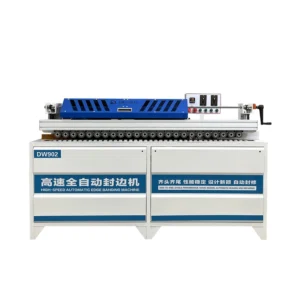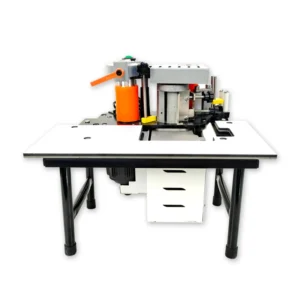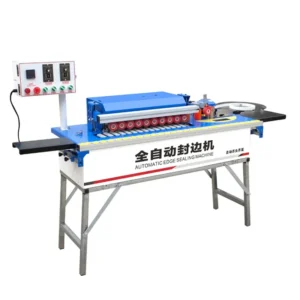
Description
Fast Dispatch Configuration — every ZDSJCX-880S in stock is verified for voltage, language and feed height against your workshop requirements before crating, so the machine runs on arrival instead of waiting for a transformer.
Technical Specifications
| Parameter | Value |
|---|---|
| Model | ZDSJCX-880S |
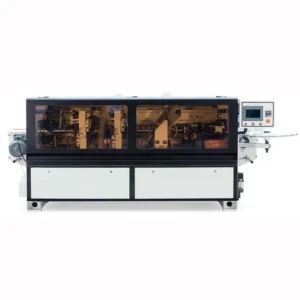
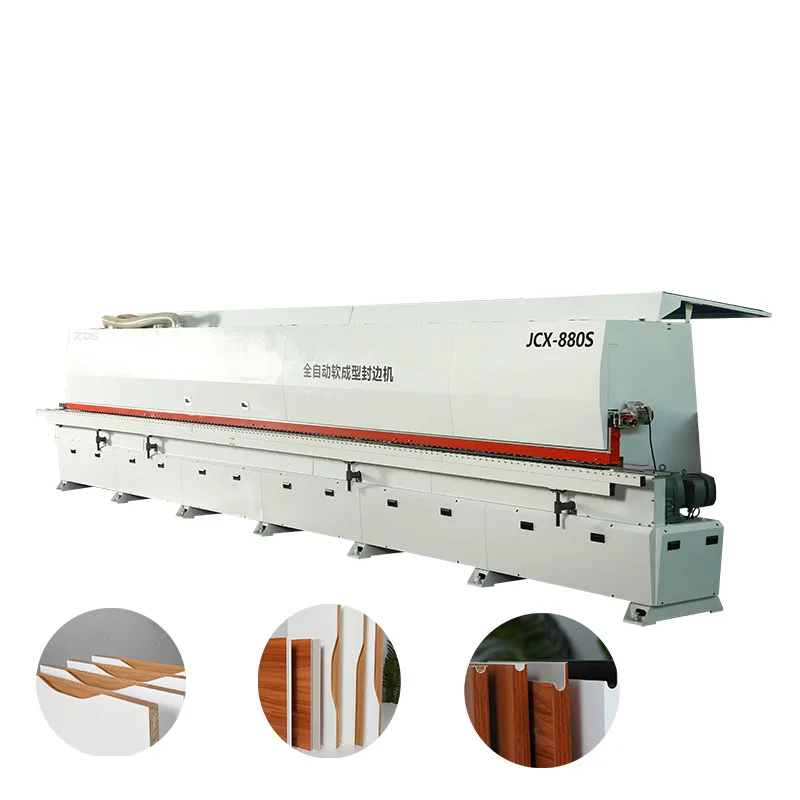
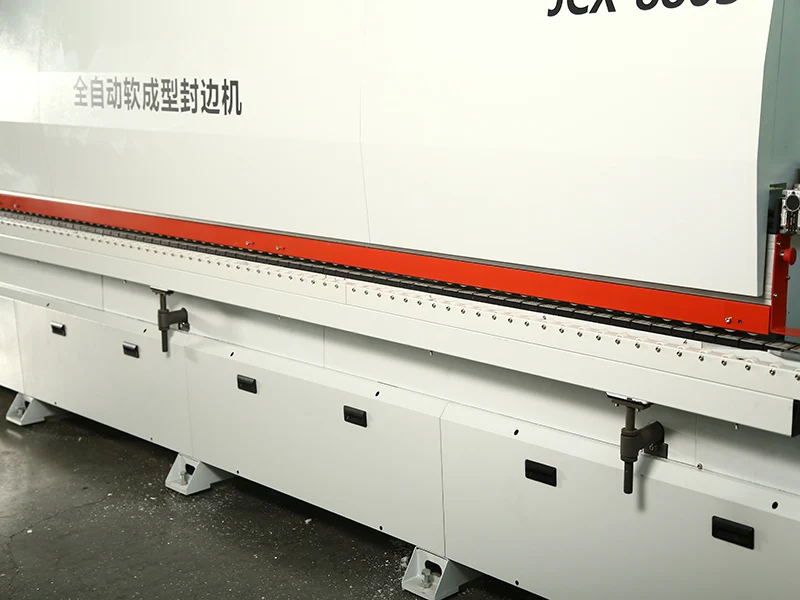
| Product Type | Automatic Edge Banding Machine |
| Rated Power | 47.1 kW |
| Voltage & Frequency | configurable 110V–440V (50Hz/60Hz to be confirmed per destination) |
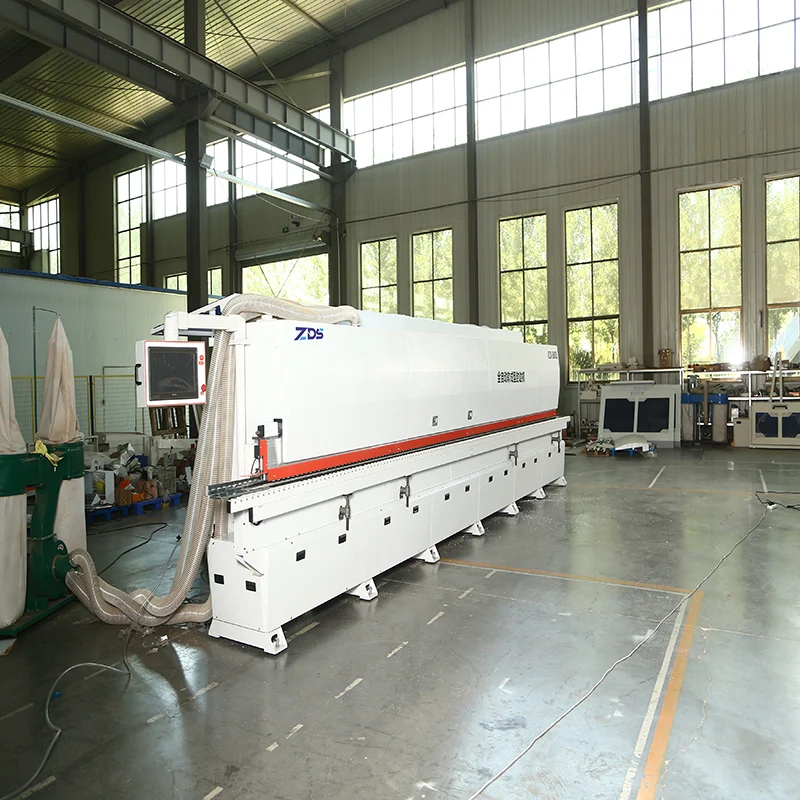
| Overall Dimensions (L×W×H) | 8.82 × 1.07 × 1.85 m |
| Net Weight | 3200 kg |
| Panel Thickness Range | 18–22 mm |
| Minimum Panel Width | 150 mm |
| Minimum Panel Length | 300 mm |
| Edge Banding Thickness | 0.5–0.8 mm |
| Edge Banding Width | 58 mm |
| Feed Speed | 6–8 m/min |
| Air Supply Requirement | 0.6–0.8 MPa |
| Dust Extraction Port | Ф100 × 6 |
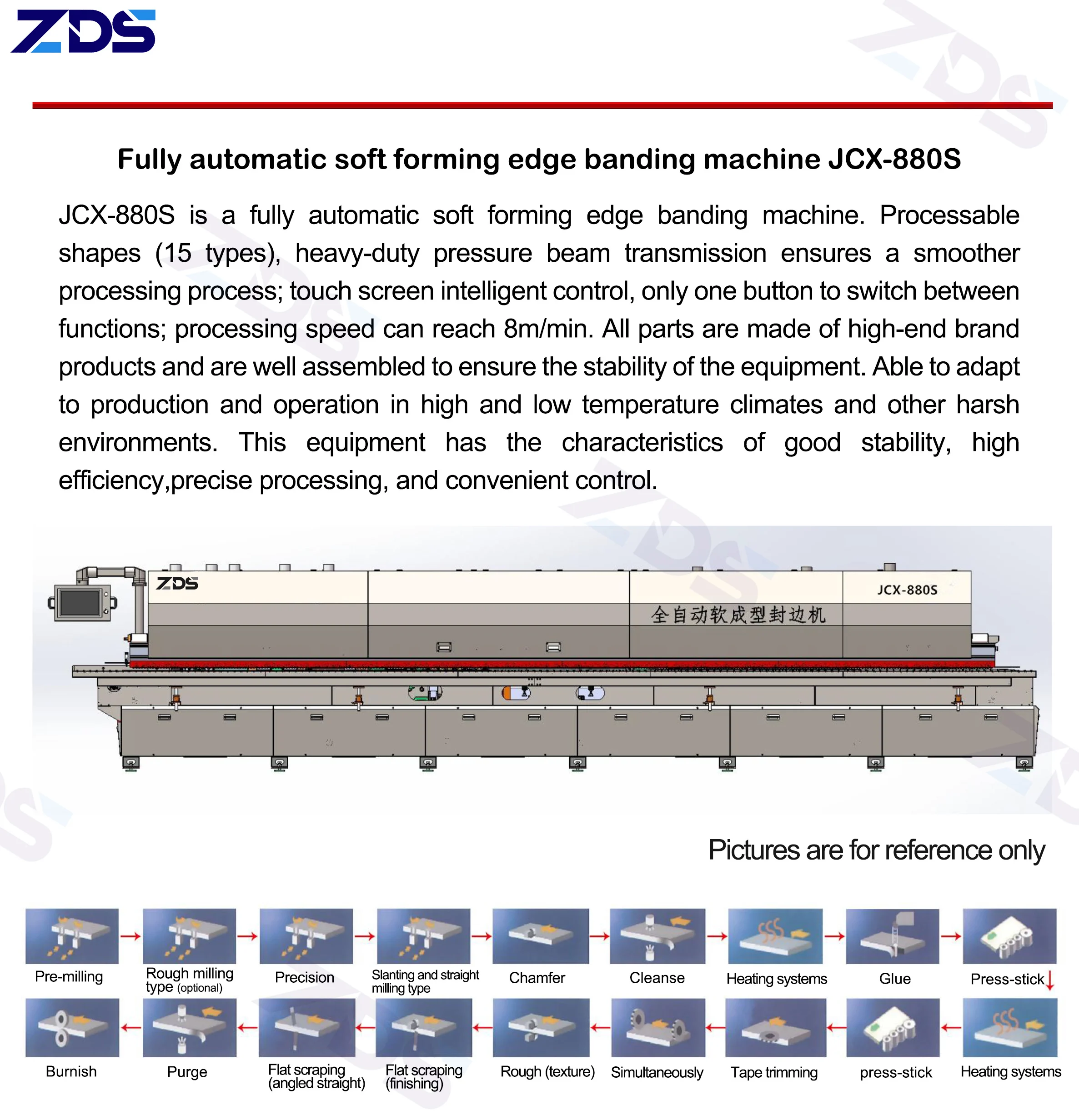
| Number of Functions | 15 |
| Function Groups | Pre-milling, corner trimming, grooving (full station list in spec sheet) |
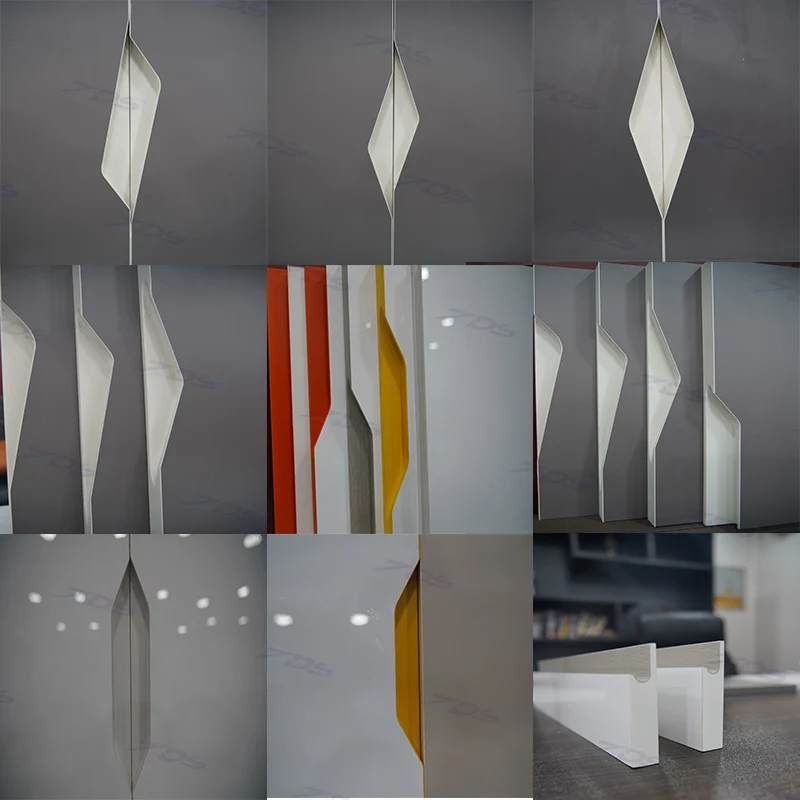
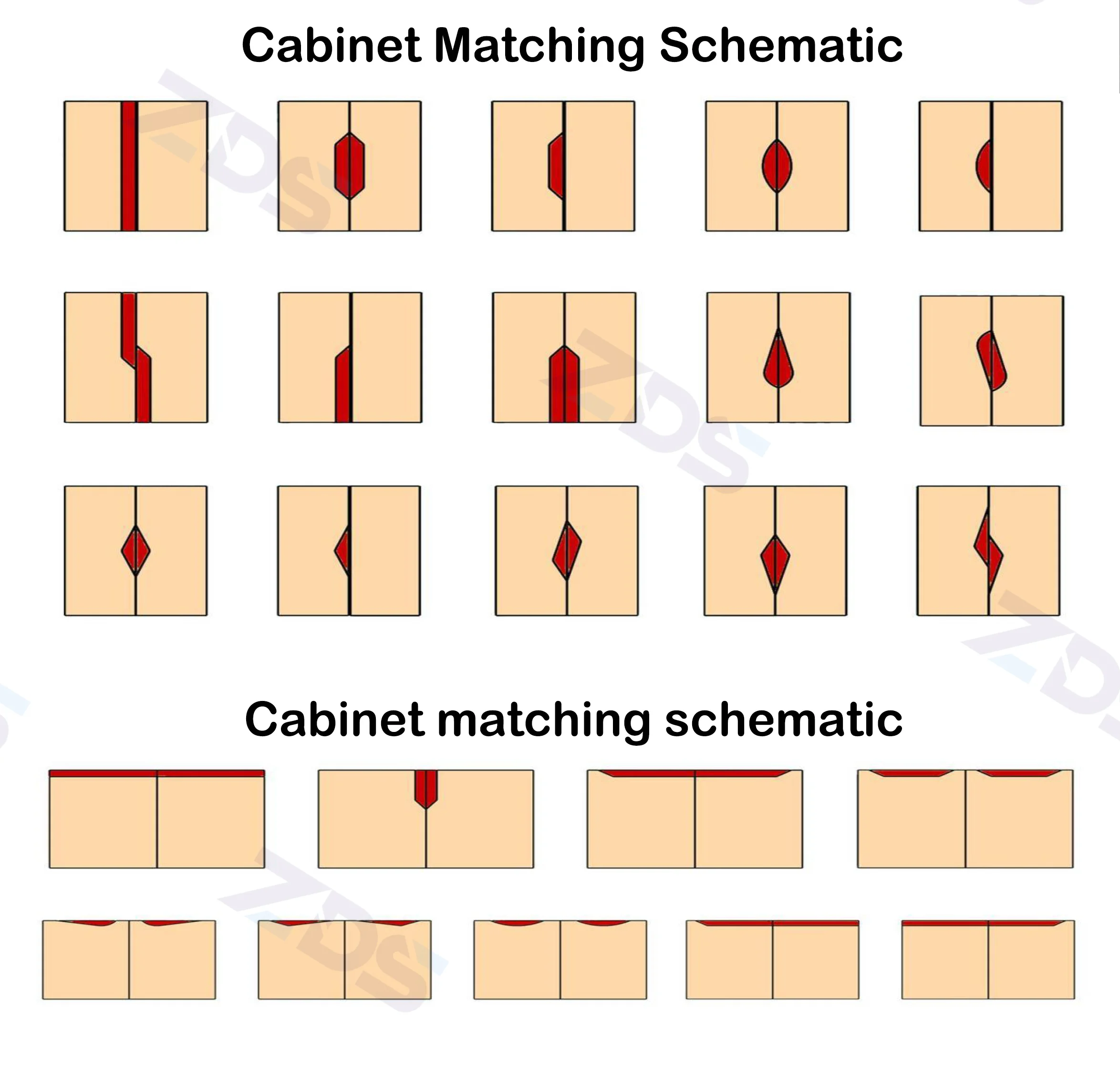
| Machining Shape Capability | J type, C type, oblique straight, left and right semi-pass, water drop, rhombus, triangle — 15+ types |
| Warranty | 1 year |
Application Suitability
| Application | Material or Output |
|---|---|
| Custom cabinet door edge finishing | PVC and wood veneer on 18 mm MDF |
| Panel furniture carcass production | Particleboard with 0.5–0.8 mm edge banding |
| Joinery workshop capacity expansion | Plywood panels requiring pre-milling and corner trimming in a single pass |
| Batch processing for contract furniture | MDF shelving and partition boards up to 22 mm thick |
Why the Voltage Question Should Come Before the Price on Every Automatic Edge Banding Machine in Stock
A machine quoted at the wrong voltage is not a bargain — it is a production delay.
I have stood in a customer’s workshop watching an entire line sit idle because an edge bander arrived wired for 380V when the facility only had 220V drops at the installation point. The transformer took days to source locally, and the crew spent that time rearranging the floor layout around a machine they could not run. When you are buying an Automatic Edge Banding Machine in stock, confirming the destination voltage and frequency before the crate closes is the single most important step in the procurement chain. The rated power on this model sits at 47.1 kW, which means it demands a dedicated supply circuit — not something you improvise with an adapter on the shop floor. [NEED_CITE: voltage and frequency standards by export market]
Dispatch Timing Without the Guesswork
Most stock listings tell you a machine is ready to ship but leave out the configuration window needed before dispatch. With the ZDSJCX-880S, the in-stock status refers to the mechanical build — pre-milling unit, corner trimming heads, grooving station, and the remaining function groups are assembled and bench-tested. What happens between that test and crating is the configuration pass: your voltage, your control panel language, and your preferred feed height setting are locked in. This means the Automatic Edge Banding Machine in stock moves from floor to container only after it matches your site conditions, not before.
Stock Availability and Lead-Time Transparency
When a workshop needs capacity now, waiting through a full build cycle is not an option. The ZDSJCX-880S sits in the ready-to-configure pool, which shortens the gap between order and dispatch compared to building from raw component inventory. The trade-off is that certain custom requests — non-standard dust extraction port routing, for example — may add time back in. Every order gets a written dispatch estimate that separates mechanical readiness from configuration and documentation work, so the date you receive is the date the crate actually moves. [NEED_CITE: typical lead-time components for industrial machine export]
What the 15-Function Layout Actually Covers on the Floor
Fifteen functions on an edge bander sounds comprehensive until you check which stations are included and which are left out. The ZDSJCX-880S covers pre-milling — which squares the panel edge before glue application — through corner trimming and grooving, handling the workpiece in a single pass at 6–8 m/min. For MDF and particleboard carcass panels running 18–22 mm thick, this station sequence addresses the most common quality complaints: visible glue lines from unsquared edges and chipped corners from trimming heads that cannot reach the panel corner cleanly. The edge banding thickness range of 0.5–0.8 mm keeps this Automatic Edge Banding Machine in stock within the PVC and veneer strip territory where most cabinet and furniture work lives.
Panel Dimensions and What They Mean for Your Batch Mix
The minimum panel width of 150 mm and minimum length of 300 mm set the lower boundary for what the feed system can grip reliably. Narrow drawer sides and small shelf brackets sit near that floor, so if your product mix includes pieces below those dimensions, you will need to batch them differently or route them to a smaller machine. The 18–22 mm thickness range covers the standard furniture board stock used in cabinet carcasses, shelving, and partition panels, but it does not extend to the thicker worktop substrates that some workshops process. Knowing where this machine sits in your panel size matrix prevents the situation where it runs well on eighty percent of your output but bottlenecks on the remaining twenty percent. [NEED_CITE: standard furniture panel thickness ranges by market]
Reading the Specs Against Your Production Reality
Feed speed at 6–8 m/min positions this machine for medium-volume runs rather than high-speed continuous production. A workshop processing several hundred panels per shift will find this pace sustainable; a plant running multiple shifts against a tight delivery schedule may need a faster feed rate. The 47.1 kW rated power draw demands attention to your facility’s electrical headroom — this is not a machine you plug into an existing shared circuit. Six dust extraction ports at Ф100 mean your central extraction system needs sufficient static pressure and volume to pull from all points simultaneously, otherwise fine MDF dust accumulates inside the station housings and accelerates wear on the trimming bearings. The air supply requirement of 0.6–0.8 MPa is standard for pneumatic clamping and actuator cycling, but the compressor must deliver clean, dry air to avoid moisture damage to the solenoid valves over time.
The Hidden Cost of Skipping Configuration Before Dispatch
When an edge bander arrives with control panel labels in a language your operators cannot read, commissioning stalls. The crew spends the first days guessing at alarm codes and parameter screens instead of running production panels. Mismatched feed height settings cause the pressure beam to mark thin stock or fail to grip thick panels, generating scrap before the issue is diagnosed. These problems are not mechanical failures — they are configuration oversights that compound into lost production days and eroded trust in the equipment supplier. [NEED_CITE: common commissioning failures in imported woodworking machinery]
Why Sourcing This Automatic Edge Banding Machine in Stock Here Reduces Risk
The ZDSJCX-880S ships from a facility with patented cutting mechanisms and verified tolerance records, so the pre-milling and trimming precision you see in the factory test carries through to your floor. Voltage customization from 110V to 440V is standard practice here, not a special request that adds weeks to the timeline. The four-stage quality control process — incoming material, in-process, finished product, and pre-shipment verification — means every stocked unit has already passed inspection before your specific configuration is applied. An engineer reviews your panel requirements and feed volume before confirming the order, catching incompatibilities that a purely transactional order process would miss. Factory visit invitations extend to stock purchases, so you can inspect the exact machine that will ship to you. [NEED_CITE: CE machinery directive requirements for industrial equipment]
Documentation & Verification
- CE declaration of conformity covering the ZDSJCX-880S as configured for your market
- Electrical schematic showing confirmed voltage and circuit protection before dispatch
- Factory test record on your specified panel thickness and edge banding material
- Operation and maintenance manual in your chosen language with illustrated fault codes
- Spare parts list with part numbers matching the stations on your specific unit
- Packing photographs documenting crating condition at the point of departure
Installation, Commissioning & Support
- Dedicated 47.1 kW supply circuit with correct breaker sizing for your confirmed voltage
- 8.82 m floor length plus operator clearance mapped against your workshop layout before delivery
- Compressed air line at 0.6–0.8 MPa with inline dryer to protect pneumatic actuators
- Six Ф100 dust extraction ports connected to central system with verified static pressure
- Control panel language set and feed parameters calibrated to your panel range at commissioning
- First-run panel test with operator present to confirm edge finish and trimming accuracy
What to Include in Your Inquiry
To get a dispatch date rather than a generic quotation, share your local voltage and frequency, the primary panel material and thickness range you will be running, and the control panel language your operators need. If you have upstream cutting or downstream boring equipment already in place, mention the feed height and throughput so the configuration aligns across your line. For workshops processing a wide panel mix, listing your smallest and largest standard panel dimensions helps confirm whether the ZDSJCX-880S feed envelope covers your full range.
Frequently Asked Questions
Q: Which models are currently in stock and what is the dispatch lead time?
A: The ZDSJCX-880S is held in ready-to-configure stock, meaning the mechanical build is complete and the machine awaits voltage, language, and feed height confirmation. Dispatch timing depends on how quickly those details are finalized and any documentation requirements for your destination market. A written estimate separating configuration work from shipping is provided with every order.
Q: Can you confirm and match my local voltage and frequency before shipping?
A: Yes. Voltage is configurable from 110V to 440V and frequency is set to match your local grid standard. The electrical schematic is updated to reflect your confirmed supply before the machine is crated, and the configuration is verified during the pre-shipment factory test. This prevents the situation where the machine arrives incompatible with your workshop electrical infrastructure.
Q: How do I verify the edge banding tolerance and finish quality before the machine arrives?
A: A pre-shipment factory test record is generated using panel material and edge banding specifications you provide. This record includes photographs of the finished edge, trimming quality at corners, and groove accuracy. If a factory visit is possible, you can witness the test run in person on the exact unit that will ship to you.
Q: What spare parts ship with the machine and how do I reorder consumables?
A: A spare parts list specific to your ZDSJCX-880S configuration is included in the documentation package, covering wear items for the pre-milling cutters, trimming heads, and grooving station. Reordering is done against the part numbers on that list, ensuring compatibility with the stations installed on your unit rather than a generic catalogue number.
Q: Is installation guidance or remote commissioning support included with the order?
A: Installation guidance covers floor layout, electrical connection, compressed air setup, and dust extraction routing specific to the ZDSJCX-880S dimensions and port configuration. Remote commissioning support is available to walk your team through first-run parameter settings and edge finish adjustments, reducing the time from uncrating to production-ready status.