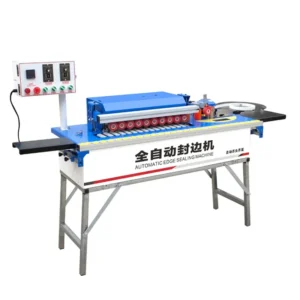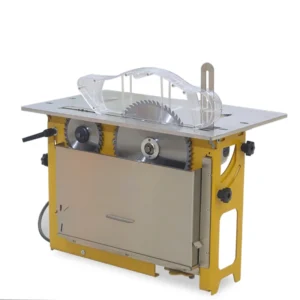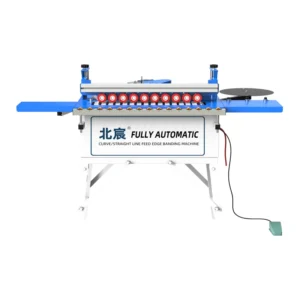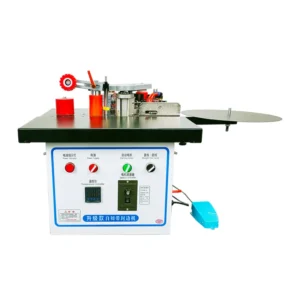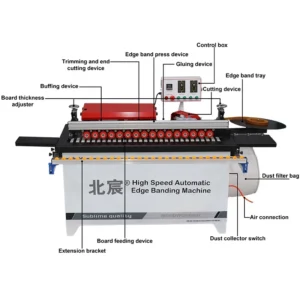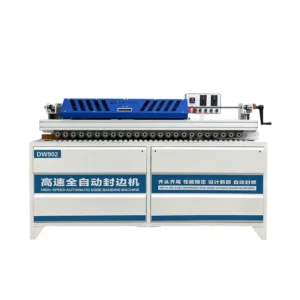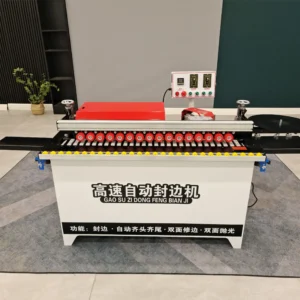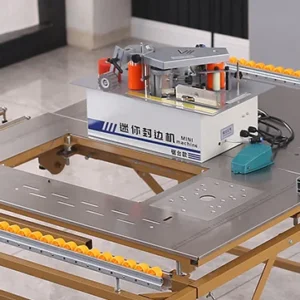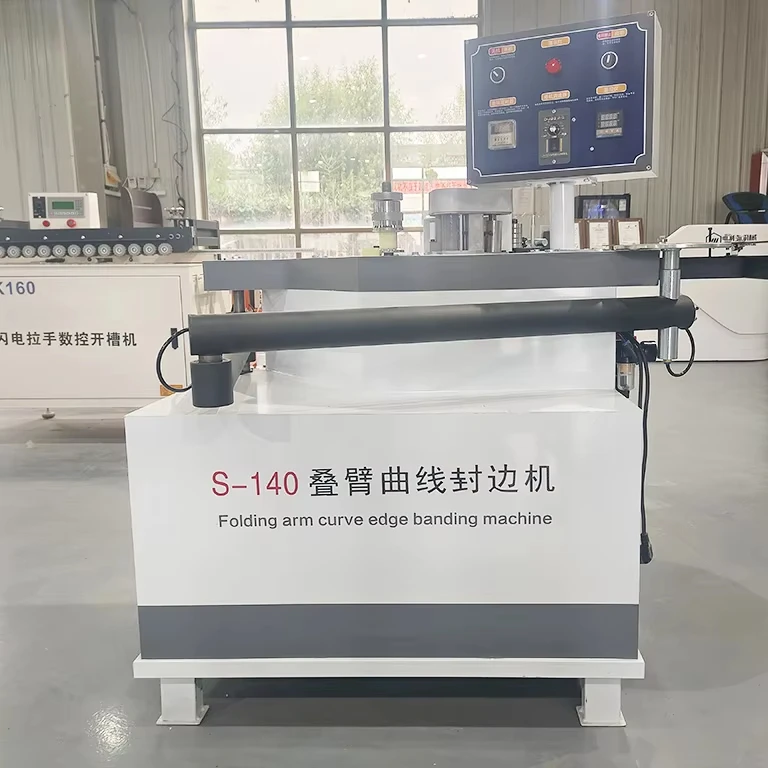
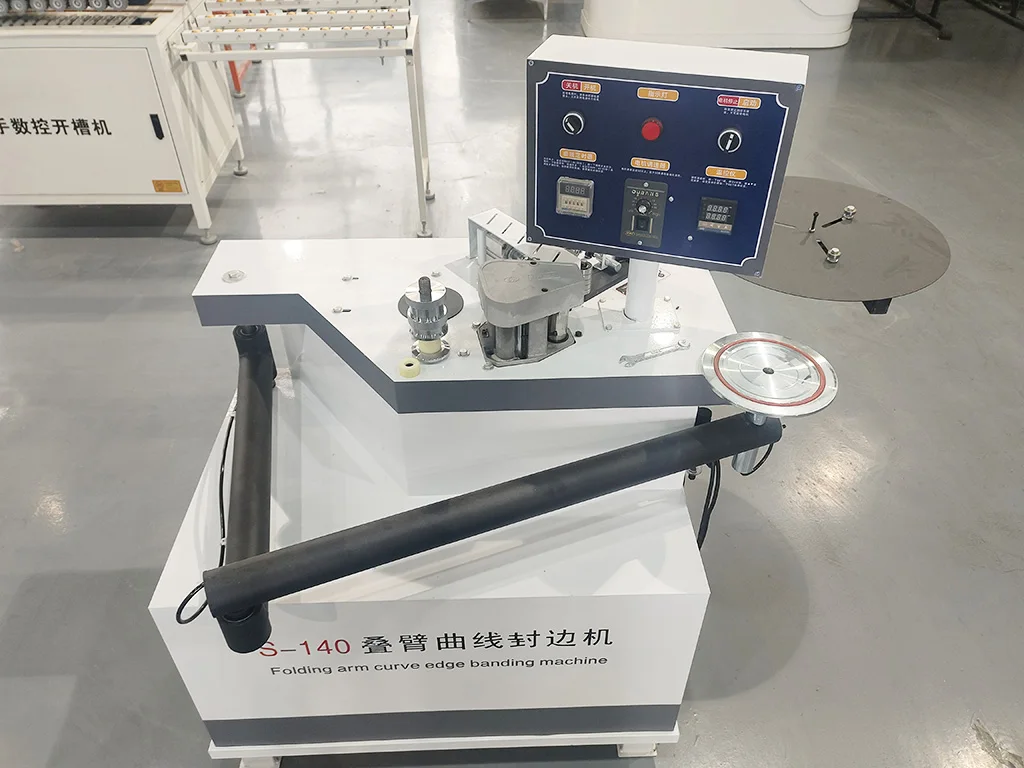
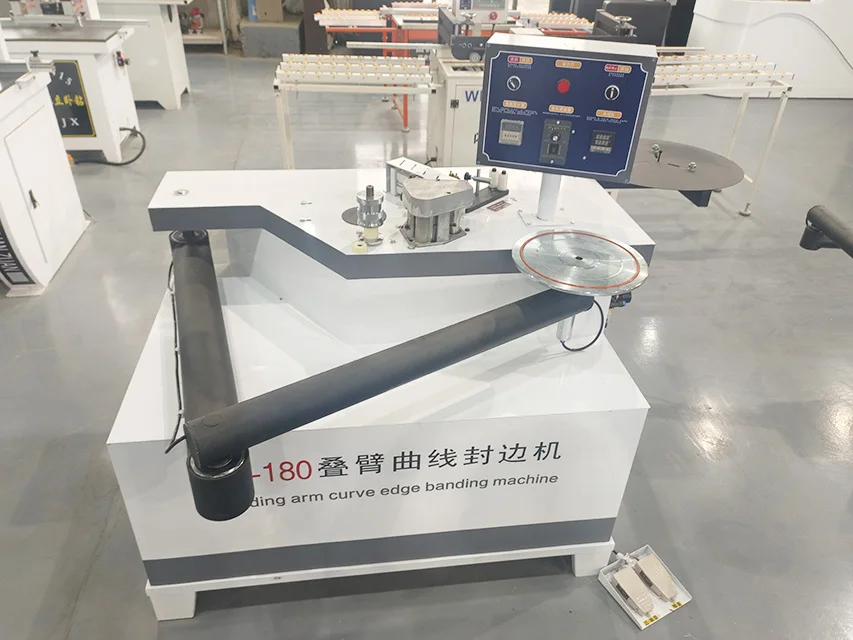
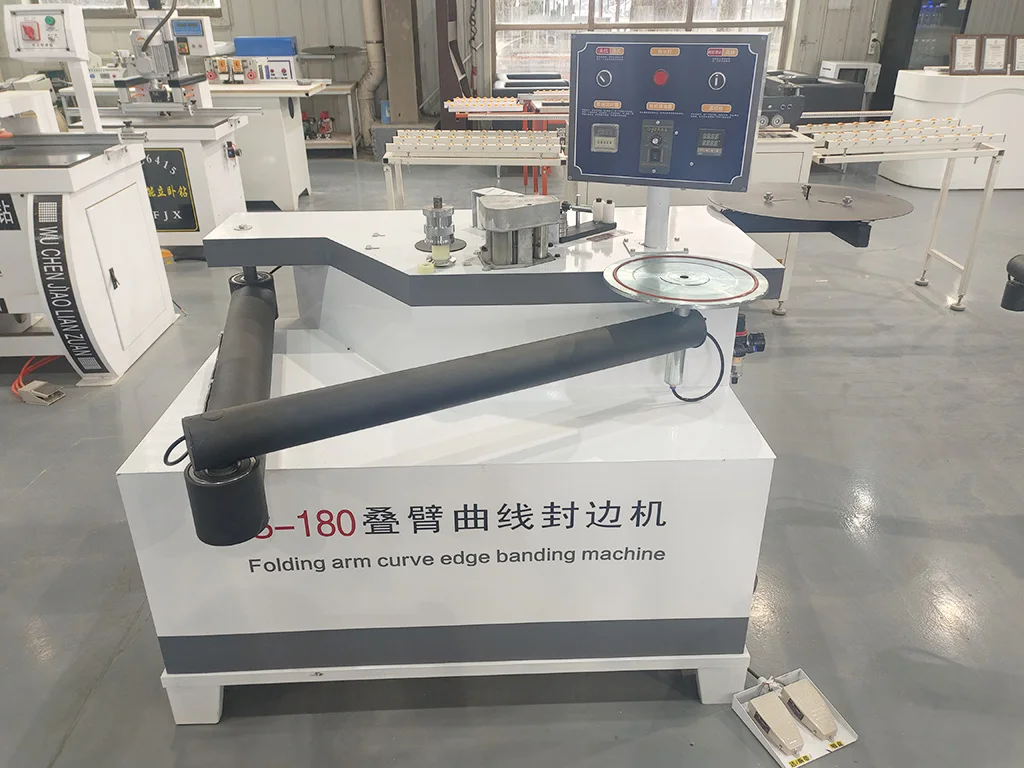
Description
Ready-stock dispatch — every S-140 / W-2 / W-3 unit leaves our warehouse only after voltage, plug type and frequency are locked to your local supply, eliminating the dead-on-arrival surprises that stall workshop commissioning.
Technical Specifications
| Parameter | Value |
|---|---|
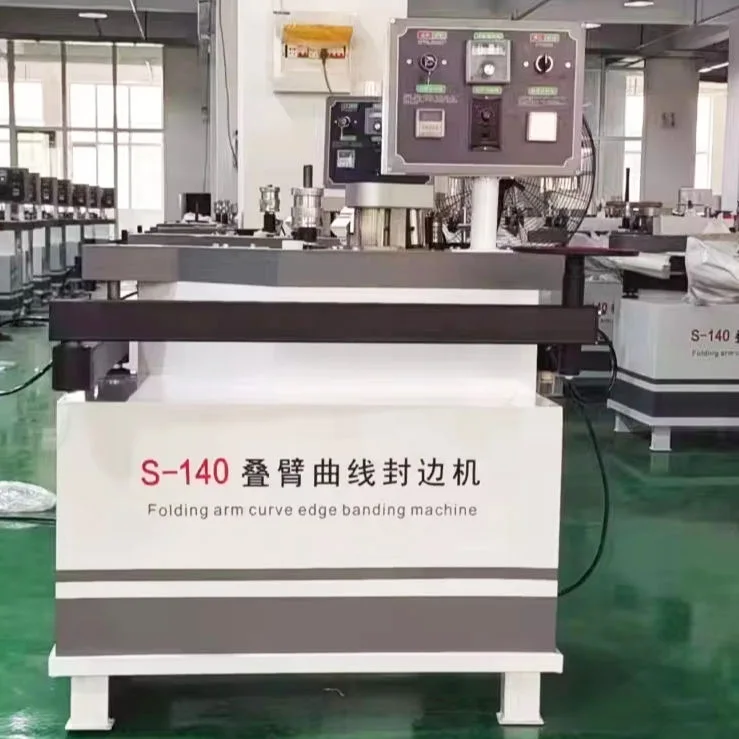
| Model | S-140 / W-2 / W-3 |
| Product Type | Curved and Straight Edge Banding Machine |
| Voltage & Frequency | 220V single-phase (S-140); 220V 50Hz (W-2, W-3) |
| Total Power | 1.4 kW (S-140, W-2); 3.4 kW (W-3) |
| Air Source Pressure | 0.5–0.8 MPa |
| Edge Banding Speed | 0–180 mm/s |
| Overall Dimensions (L×W×H) | 960×620×880 mm (S-140); 1200×800×1220 mm (W-2); 1210×1100×970 mm (W-3) |
| Net Weight | 88 kg (S-140); 152 kg (W-2, W-3) |
| Standard Suction Cup | 200×26 mm (S-140); 300×26 mm (W-2, W-3) |
| Edge Band Thickness Range | 0.4–2 mm |
| Edge Band Width Range | 8–50 mm |
| Breaking Method | Automatic tape break via double cylinders (S-140 confirmed) |
| Glue Pot Capacity | 1000 ml (S-140 confirmed) |
| Gluing Type | Double-sided gluing |
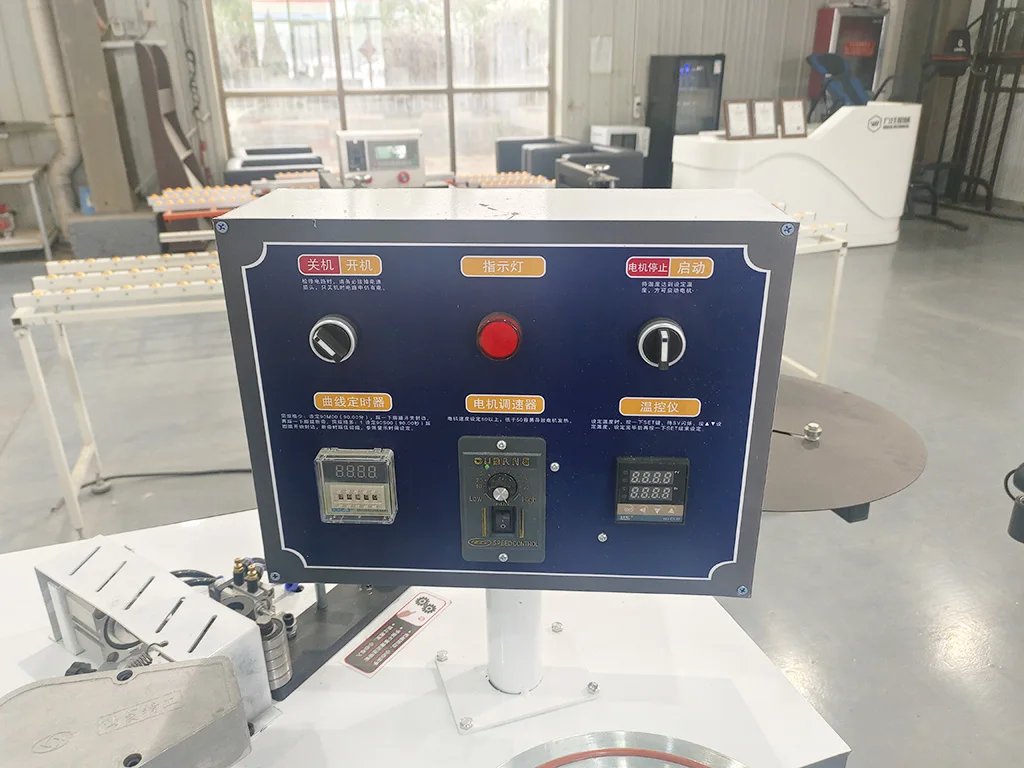
| Control Features | Intelligent temperature control, speed adjustment, timer |
| Hot Air Device | Bottom-up hot air heating |
| Motor | Pure copper motor |
| Warranty | 1 year |
Application Suitability
| Application | Material or Output |
|---|---|
| Custom curved-panel furniture | MDF and plywood with PVC or veneer edge banding |
| Cabinet door and drawer fronts | Particleboard with 0.4–2 mm PVC banding on shaped profiles |
| Wardrobe and office furniture panels | Melamine-faced board with straight and radiused edges |
| Tables, chairs and door components | Solid wood panels and plywood with veneer banding |
| Decoration and interior fit-out | Shaped MDF panels with PVC edge finishing |
Why the Voltage Question Should Come Before the Price on a Curved Edge Banding Machine in stock
Confirm your local voltage and frequency before the proforma invoice is issued, not after the crate arrives.
In the Pearl River Delta shipping lanes, I once watched a 440V curved edge bander sit idle on a customer’s floor for three weeks because nobody checked whether the workshop ran on 220V or 440V before dispatch. The machine was perfect; the power supply was not. Every Curved Edge Banding Machine in stock on our floor now ships only after the buyer’s electrical spec is written into the order confirmation [NEED_CITE: voltage and frequency standards by export market]. A single-phase 220V unit that matches your socket is worth more than a discount on a machine you cannot plug in.
Stock Availability and Dispatch Timing
Workshops adding their first edge banding capability rarely have the luxury of a multi-week production lead. The S-140, W-2 and W-3 are held as ready-stock units so that a single Curved Edge Banding Machine in stock can be crated and dispatched once voltage and plug type are confirmed. Single-unit orders ship without waiting for a container to fill, which matters when a custom furniture order is stalled at the edging stage.
Compact Footprint Options Across Three Model Tiers
The S-140 at 88 kg fits into a tight joinery bay and runs on a standard 1.4 kW single-phase supply, while the W-2 and W-3 at 152 kg offer larger suction cups and a wider base for heavier daily use. Choosing the right tier depends on available floor space and whether the workshop will run the unit intermittently for shaped panels or continuously alongside a sliding table saw. All three models handle the same 0.4–2 mm band thickness range, so moving up is a question of throughput stability rather than capability [NEED_CITE: typical workshop power supply limits for single-phase machinery].
What the Spec Sheet Means on the Shop Floor
The 0–180 mm/s feed speed range lets the operator slow down on tight radii where veneer can lift, then speed up on long straight runs. Double-sided gluing applies adhesive to both the panel edge and the band simultaneously, which is critical on porous MDF where single-sided gluing leaves starved glue lines. Bottom-up hot air heating softens PVC banding just before contact, improving wrap on curves with a radius below 150 mm. The 0.5–0.8 MPa air requirement is modest enough that a small workshop compressor can sustain it, though pulsing from undersized receivers will show up as inconsistent band pressure on the W-3’s larger suction cups.
The Hidden Cost of Ordering the Wrong Configuration
Buying a machine rated for a voltage your workshop does not supply is the most expensive mistake in woodworking equipment procurement. The unit arrives, the electrician opens the terminal box, and the conversation turns to sourcing a step-up transformer that may cost as much as the machine itself [NEED_CITE: industrial voltage mismatch consequences in imported machinery]. Control panels in a language the operator cannot read create a second layer of delay — the manual is translated but the HMI labels are not. These are not warranty claims; they are procurement oversights that no after-sales visit can fix quickly.
Why Procurement Teams Source This Range Here
Every ready-stock unit is tested against the buyer’s confirmed voltage before crating, and a pre-shipment test record with packing photographs is sent for approval. The product family spans entry-level compact to heavier continuous-duty models, so a workshop can start with the S-140 and add a W-3 later without switching supplier or retraining operators. Configuration recommendations come from engineers rather than catalog pages, with formal quotations typically returned within one working day. Factory visits to verify build quality and test runs on your own panel samples are welcomed before order commitment.
Documentation & Verification
- CE declaration of conformity covering the S-140, W-2 and W-3 range
- Factory test record run on your specified panel thickness and band material
- Electrical schematic confirming voltage and frequency matched to your supply
- Operation and maintenance manual supplied in your agreed language
- Spare parts list with part numbers for suction cups, heaters and glue pots
Installation, Commissioning & Support
- 220V single-phase supply required; S-140 draws 1.4 kW on a standard 10A circuit
- Compressed air line at 0.5–0.8 MPa with a dedicated regulator near the machine
- W-3 footprint of 1210×1100 mm requires clear access on the infeed side for long panels
- Intelligent temperature controller pre-set at factory; verify glue pot reading against your banding supplier’s spec
- Pure copper motor and hot air element covered under the 1-year warranty for factory-origin faults
- Suction cups and glue pot are consumables; spare set ships with the initial order
What to Include With Your Inquiry
Send your workshop voltage and frequency, the panel materials and edge band types you work with most often, and whether your production runs are intermittent shaped pieces or continuous straight-edge output. If you are replacing an existing machine, note its current footprint so the replacement fits the same bay. For first-time buyers, specify whether operator training in your local language is needed at commissioning.
Frequently Asked Questions
Q: Which models are currently in stock and what is the dispatch lead time?
A: The S-140, W-2 and W-3 are held as ready-stock units. Once your voltage and plug type are confirmed, a single unit can be crated and dispatched within days. Lead time depends on destination port and shipping schedule, which we quote at order confirmation.
Q: Can the machine run on my local voltage and frequency?
A: Voltage and frequency are confirmed before every shipment. The S-140, W-2 and W-3 are configured for 220V 50Hz as standard, with other voltages available on request. An electrical schematic matching your supply is included with the order documentation.
Q: What edge banding materials and thicknesses do these machines handle?
A: All three models accept PVC and veneer edge banding in the 0.4–2 mm thickness range and 8–50 mm width range. Double-sided gluing with bottom-up hot air heating ensures consistent adhesion on both straight edges and curved profiles.
Q: Is installation guidance included with delivery?
A: Each unit ships with an operation and maintenance manual in your agreed language, a spare parts list and a factory test record. Installation guidance is provided remotely, and the 1-year warranty covers factory-origin faults from the date of arrival.
Q: Can I start with the S-140 and upgrade to a larger model later?
A: Yes. The S-140, W-2 and W-3 share the same band thickness range and control logic, so operators trained on one model adapt quickly to another. Upgrading within the same product family avoids retraining and keeps spare parts compatible across your workshop.