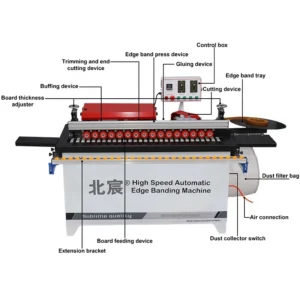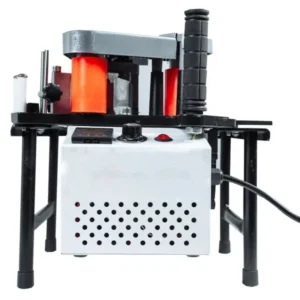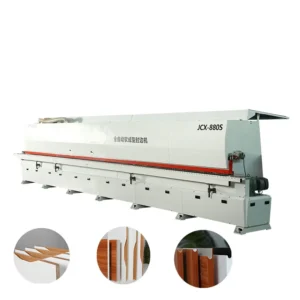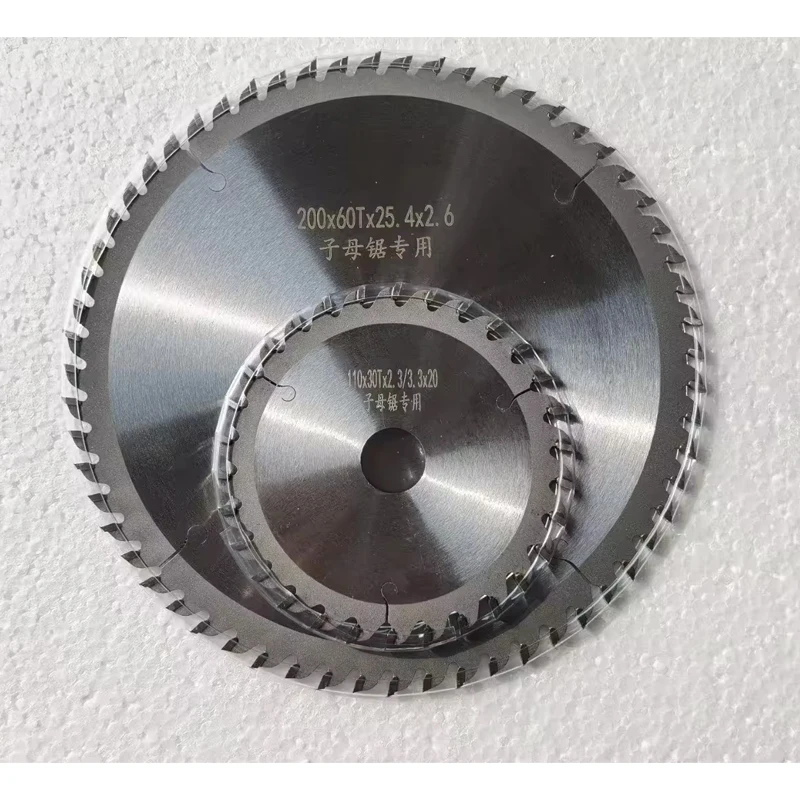
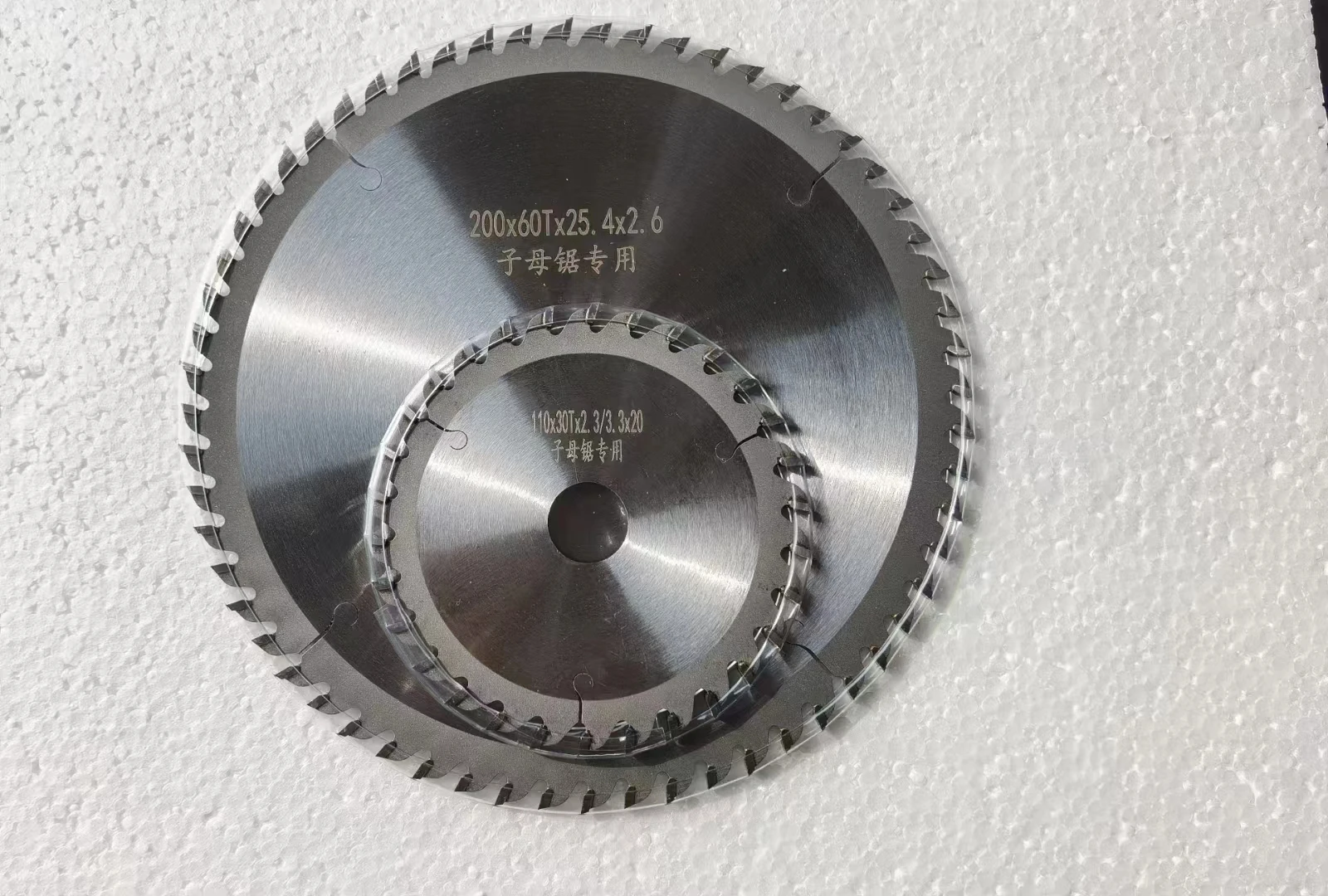

Description
In-Stock Dispatch — every dust-free mother saw ships only after voltage, frequency, and plug type are locked to your local supply.
Technical Specifications
| Parameter | Value |
|---|---|
| Product Type | Dust-Free Table Saw |
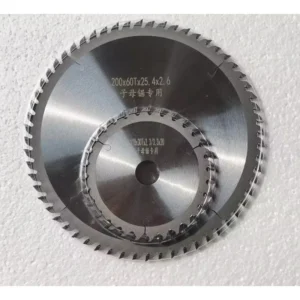
| Blade Type | Mother saw blade (dust-free cutting) |
| Service Life | Long service life (basis to be confirmed) |
| Warranty | 1 Year |
| Power Source | Electric |
| Rated Power (kW) | To be confirmed at inquiry |
| Voltage & Frequency | Configurable from 110V to 440V |
| Overall Dimensions (L×W×H) | To be confirmed at inquiry |
| Net Weight | To be confirmed at inquiry |
| Feed Speed | To be confirmed at inquiry |
| Panel Thickness Range | To be confirmed at inquiry |
| Panel Width Range | To be confirmed at inquiry |
| Tolerance | To be confirmed at inquiry |
| Dust Extraction Port | To be confirmed at inquiry |
Application Suitability
| Application | Material or Output |
|---|---|
| Furniture panel sizing | MDF, particleboard, plywood |
| Cabinet component cutting | Melamine-faced chipboard, veneered panels |
| Joinery workshop stock preparation | Solid wood panels, softwood boards |
| Small-batch production runs | Laminated sheets with dust-controlled environment |
Why the Voltage Question Should Come Before the Price
A saw that arrives but cannot run costs more than the right spec confirmed up front.
I watched a batch of dustless saws ship to Southeast Asia last year. The buyer received 380V machines wired into a 220V line. Breakers tripped immediately. Three weeks of waiting for an electrician to rewire the shop floor followed. Production stood still the entire time. When you order a dust-free table saw in stock, the first thing we confirm is your local voltage, phase count, and frequency — before the quote goes out, not after the container lands [NEED_CITE: voltage and frequency standards by export market].
What Ready Stock Actually Means for Your Workshop
A dust-free table saw in stock is only useful if it matches your electrical infrastructure and production rhythm. We hold finished units with configurable voltage settings and dispatch them once your electrical confirmation sheet is signed. That means a small joinery shop moving from hand tools to mechanized cutting can have the saw on the floor within a typical multi-week window, not a multi-month wait.
How Dust-Free Cutting Changes the Shop Floor
Conventional mother saws throw fine MDF and particleboard dust into the air continuously. Operators breathe it, surfaces collect it, and downstream edge banding adhesion suffers when dust settles on freshly cut panel edges. This saw uses a dedicated blade geometry and enclosed cutting path to reduce airborne particulate noticeably. Workshops that have upgraded report cleaner sightlines across the floor and less prep time before gluing or banding [NEED_CITE: CE machinery directive requirements for dust extraction in woodworking].
Panel Thickness, Feed Speed, and What They Mean Together
The panel thickness range determines which stock you can run without manual pre-scoring. A wider range lets a single operator handle both 6mm MDF backing boards and 25mm solid wood shelving on the same machine. Feed speed ties directly to blade engagement — pushing stock faster than the blade design allows leads to chipping on melamine faces. Matching the feed rate to the material density is where tolerance holds or drifts. The dust extraction port size determines whether your existing collector can keep up or whether you need a dedicated extraction line running alongside the saw.
What Happens When Specs Are Skipped
A dust-free table saw in stock that arrives with the wrong voltage is a heavy metal box in the corner of your shop. I have seen joinery workshops lose entire production cycles because the plug spec was not verified against the local three-phase supply. Operators stand idle while an electrician sources compatible components that may not exist locally. The cost of the rewiring work frequently exceeds what a proper pre-shipment confirmation would have taken [NEED_CITE: industrial equipment commissioning failures due to electrical mismatch].
Why Buyers Source This Saw From Here
Ready-to-ship stock means your saw is allocated and tested before the container is booked, not after a production slot opens. Voltage and frequency are confirmed against your local grid, with documentation provided before dispatch. Every unit carries a one-year warranty backed by a spare parts list specific to your configuration. Our four-stage QC includes a pre-shipment test run on the panel materials you specify, so the machine you receive has already cut stock matching your workload. Engineer-led configuration means the feed speed and dust extraction setup are matched to your actual throughput, not a generic catalog entry.
Documentation & Verification
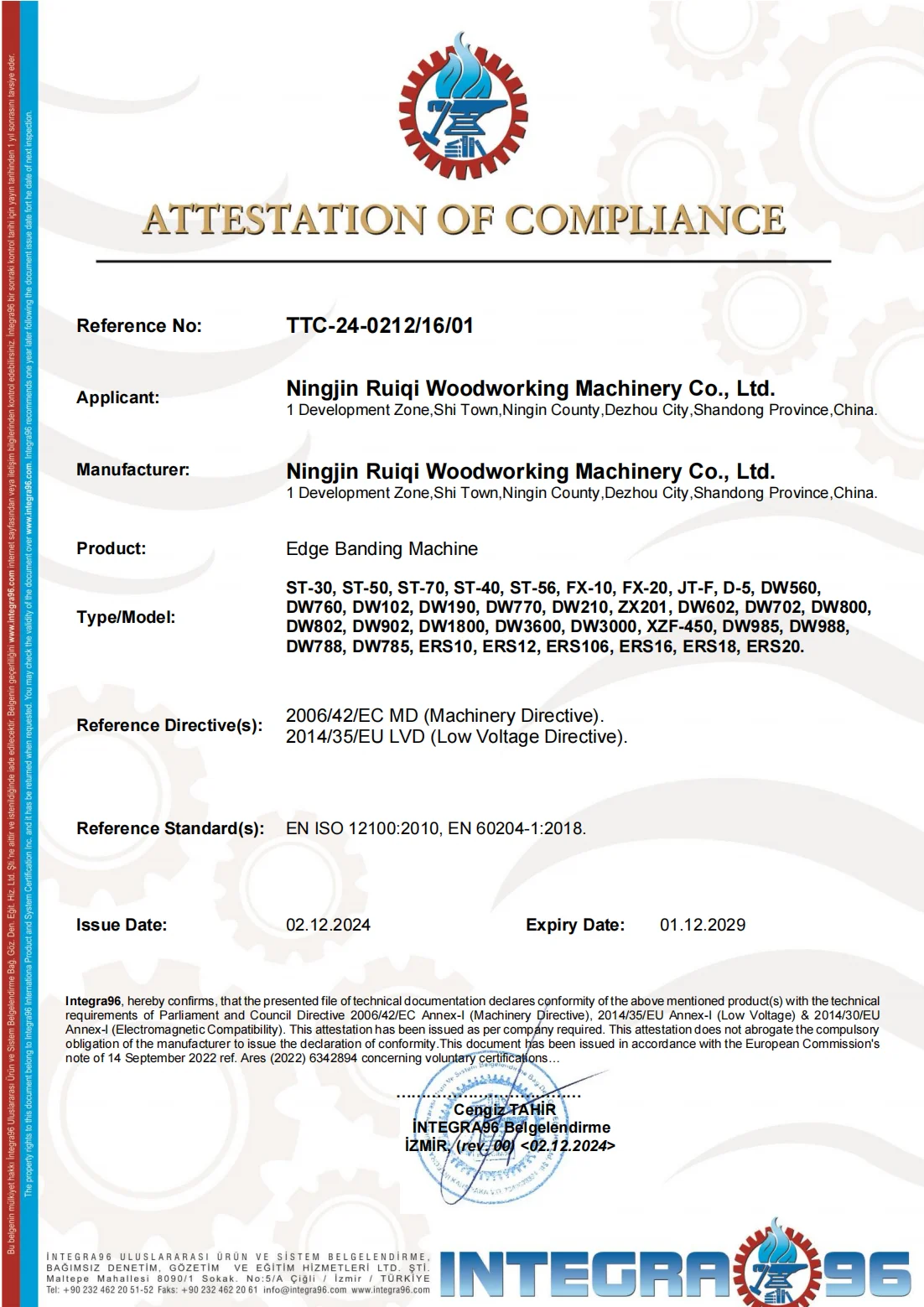
- CE declaration of conformity specific to the exported saw model
- Voltage and frequency confirmation sheet signed before production
- Factory test record on your specified panel thickness and material
- Operation and maintenance manual in your agreed language
- Spare parts list with reorder codes for blades and wear components
Installation, Commissioning & Support
- Dedicated circuit matching confirmed voltage before the saw is uncrated
- Dust extraction ducting sized to the saw’s port for effective particulate capture
- First-run parameter setting adjusted to your panel thickness range and material type
- Operator walk-through covering blade changes and daily dust path cleaning
- Wear component schedule for mother saw blade replacement intervals
Before You Send the Inquiry
Tell us the panel materials you cut most often — MDF, particleboard, plywood, or solid wood — and the thickness range you work within. Share your workshop’s voltage, phase count, and frequency so we can lock the electrical configuration before quoting. If you run an existing dust collection system, provide the port diameter and suction rating so we can confirm compatibility with the saw’s extraction port.
Frequently Asked Questions
Q: What voltage options are available and how is compatibility confirmed before shipping?
A: Voltage is configurable from 110V to 440V across single and three-phase supplies. Before any dust-free table saw in stock is allocated, we require a signed electrical confirmation sheet stating your exact voltage, frequency, and plug type. The saw is wired and tested against those parameters during the pre-shipment QC run.
Q: How quickly can this saw be dispatched from stock?
A: Ready-stock units are allocated once your voltage and specification requirements are confirmed. Dispatch timing depends on shipping method and destination port. The pre-shipment test and documentation preparation run in parallel with container booking to keep lead times tight.
Q: What panel materials and thicknesses does this mother saw handle?
A: The saw cuts MDF, particleboard, plywood, and solid wood panels. The specific panel thickness range depends on the blade configuration selected at inquiry. We recommend sharing your most common material and thickness so the correct blade is fitted before dispatch.
Q: What dust extraction setup is required or recommended?
A: The saw includes a dust extraction port sized for connection to a workshop dust collector. Effective dust-free operation depends on matching your collector’s suction capacity to the port specification. We can advise on compatible extraction setups based on your existing equipment.
Q: Are spare blades and parts available for reorder?
A: Every saw ships with a spare parts list listing reorder codes for mother saw blades and wear components. Replacement blades are available for direct reorder. The one-year warranty covers manufacturing defects, and parts support continues well beyond the warranty period.