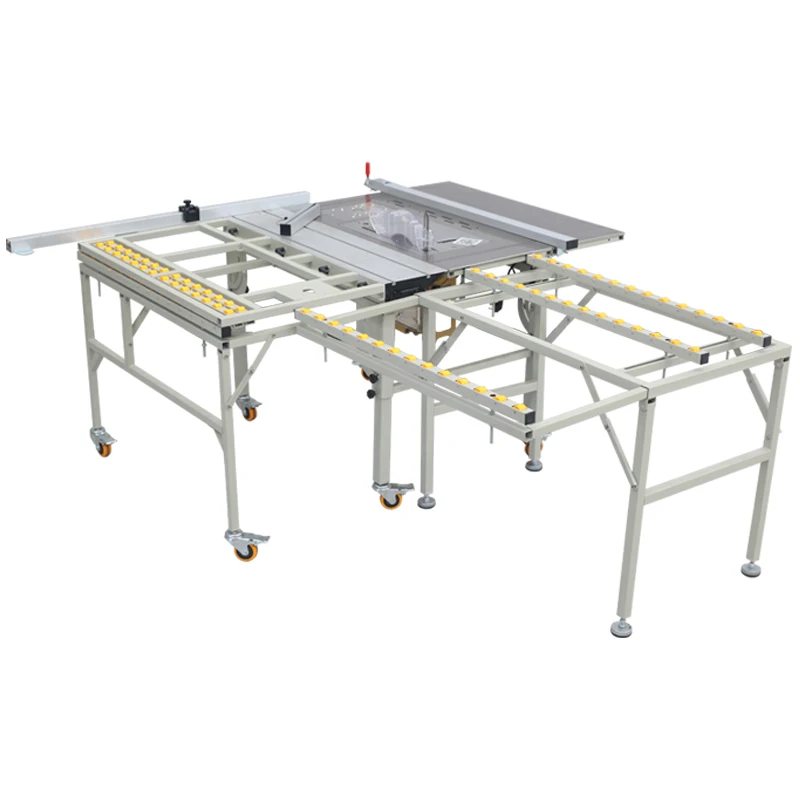
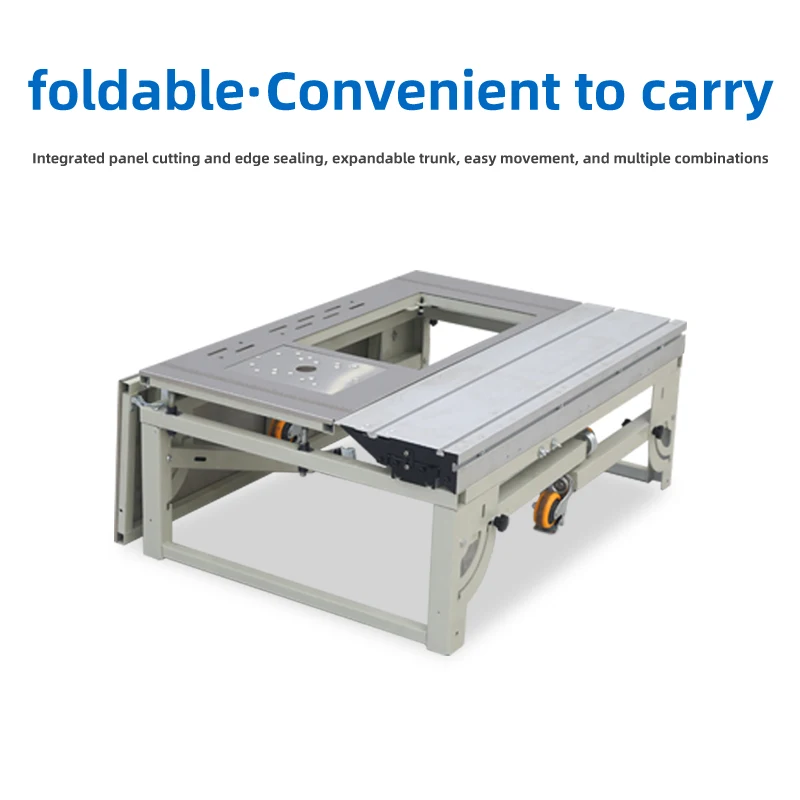
Description
Voltage-Verified Dispatch — Every JT550S sliding table saw is checked against your local electrical standards before it leaves our floor, eliminating the costly delays of mismatched power supplies.
Technical Specifications
| Parameter | Value |
|---|---|
| Model | JT550S |
| Product Type | Sliding Table Saw |
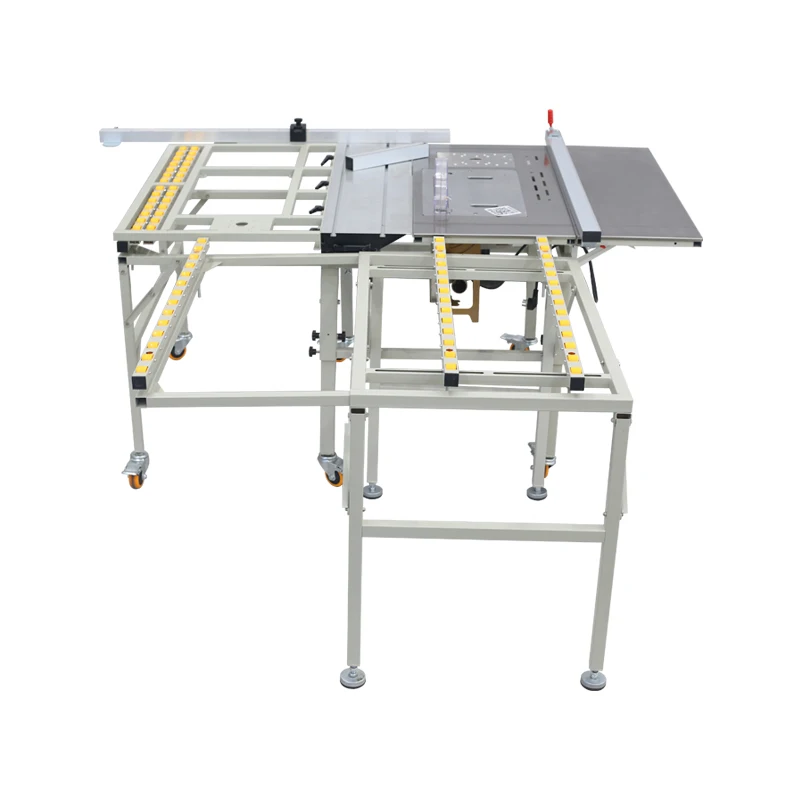
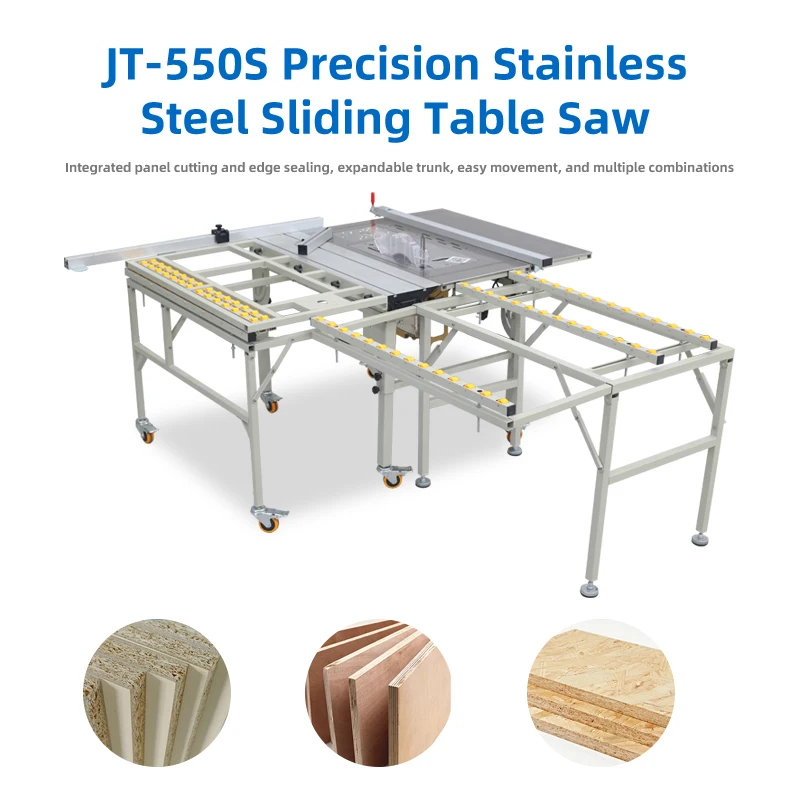
| Construction | Stainless steel and aluminum alloy |
| Saw Blade System | Integrated sub and master saw with aluminum alloy chip design |
| Tilt Adjustment | 45 / 90 degrees |
| Switch Type | Independent switch |
| Motor | Copper wire motor |
| Dust Extraction | Dust protection cover with integrated absorption |
| Operating Space | Sliding roller extension bracket |
| Plug Options | EU, USA, AU, UK |
| Language Options | Chinese, English (customizable) |
| Voltage & Frequency | Customizable (basis to be confirmed) |
| Assembly State | Fully assembled |
Application Suitability
| Application | Material or Output |
|---|---|
| Custom Furniture Panel Sizing | MDF, Plywood, Particleboard |
| Joinery and Cabinet Manufacturing | Solid Wood Panels, Blockboard |
| Small to Medium Woodworking Workshops | PVC and Veneer Edge Banding Pre-cuts |
| Door and Window Frame Production | Laminated Timber, Composite Boards |
Why Voltage Verification Must Precede Your Order
Confirming your facility’s power supply is the only way to ensure a ready-stock machine actually runs on arrival.
Many workshops assume that a machine labeled for "industrial use" will handle local grid variations. In reality, a 415V three-phase supply will trip a 380V motor instantly, and sourcing a step-down transformer in remote areas can stall commissioning for weeks. When I first started installing saws across West Africa and South Asia, I watched a brand-new unit sit idle for nearly a month because the local frequency and voltage didn’t match the factory default. That single oversight cost more than the shipping [NEED_CITE: voltage and frequency standards by export market]. Securing the correct electrical specifications before dispatch is what makes a JT550S sliding table saw in stock truly ready for your production floor.
Ready for Immediate Dispatch
We maintain the JT550S sliding table saw in stock specifically for workshops that cannot afford extended manufacturing lead times. Whether you are replacing a failed unit mid-season or outfitting a new joinery line, the availability of these machines means your cutting operations can resume or begin without waiting for a custom build. The focus here is on speed and simplicity: you confirm your electrical requirements, we verify the match on our side, and the machine moves toward dispatch.
Matching the Machine to Your Grid
A stocked machine is only useful if it communicates with your local power infrastructure. Before any JT550S leaves our facility, we cross-reference your specified voltage and frequency against the motor’s rating plate. We offer plug configurations including EU, USA, AU, and UK standards to match your workshop’s receptacles. This verification step ensures that the independent switch and copper wire motor engage properly the first time you power up, avoiding the blown fuses and damaged windings that occur when electrical mismatches go unchecked [NEED_CITE: CE machinery directive requirements for industrial equipment].
Translating the Cut Quality to Assembly
The integrated sub and master saw system is designed to eliminate tear-out on the bottom face of melamine or veneered panels. In cabinet manufacturing, a clean cut on both sides of the board means edge banding adheres flush and dowel joints align without forced clamping. The aluminum alloy chip design within the blade guard helps clear debris efficiently, which maintains cut accuracy over long production runs. When the 45/90 degree tilt mechanism locks in securely, it allows for repeatable bevel cuts that are critical for custom furniture carcases and angled joinery.
The Hidden Cost of Ignoring the Nameplate
Overlooking the voltage and frequency requirements of a sliding table saw often results in immediate motor failure or persistent overheating. A machine designed for 50Hz running on a 60Hz supply will spin faster than its bearings are rated for, leading to premature wear that voids warranties. Workshops that skip this verification step frequently face weeks of downtime while waiting for replacement motors or heavy transformers to clear customs. This is why we treat the nameplate audit as a mandatory step before any crate is sealed [NEED_CITE: common causes of motor failure in imported woodworking machinery].
Why Sourcing This Saw Here Makes Sense
Our approach to stocking the JT550S is built on eliminating the variables that typically delay equipment deployment. We verify every electrical parameter against your facility’s actual supply, so you don’t have to source transformers locally. The machines are shipped fully assembled, meaning your team only needs to secure the sliding roller extension bracket and connect power to begin cutting. We provide operation manuals in your requested language, ensuring the operator understands the independent switch logic and dust extraction setup immediately. Because we handle single-unit orders with the same verification rigor as full container loads, your procurement risk is minimized.
Documentation & Verification
- Electrical schematic confirming your specific voltage and frequency configuration
- Factory test record showing cut accuracy on your specified panel materials
- Operation and maintenance manual in your chosen language
- Pre-shipment photographs of the voltage plate and assembled machine
- CE declaration of conformity for customs clearance
Installation, Commissioning & Support
- Position the stainless steel frame on a level concrete floor to prevent sliding table drag
- Connect to a dedicated circuit matching the confirmed voltage to protect the copper wire motor
- Verify the dust protection cover is linked to your workshop’s extraction system
- Calibrate the 45/90 degree tilt stops using a digital square before production begins
- Inspect the integrated sub and master saw blades for alignment after transit vibration
Next Steps for Procurement
To ensure the JT550S sliding table saw in stock matches your workshop, please specify your local voltage, phase, and frequency. Let us know the primary panel materials you cut and the maximum thickness you process daily. We will then confirm the plug type and manual language before finalizing the dispatch schedule.
Frequently Asked Questions
Q: Is the JT550S currently in stock and what is the dispatch lead time?
A: Yes, we maintain this model in ready stock for immediate allocation. Once you confirm your voltage and plug requirements, the machine undergoes a final electrical audit and is prepared for crating. Dispatch typically follows within a few business days, depending on your chosen shipping method and destination port.
Q: Can I specify my local voltage, frequency, and plug type for an immediate order?
A: Absolutely. We configure the electrical system to match your local grid before the machine ships. You can select from EU, USA, AU, or UK plug options. This verification ensures the copper wire motor and independent switch operate safely upon arrival without requiring local transformers or adapters.
Q: What panel thickness and width can the JT550S handle?
A: The machine is designed for standard furniture panels including MDF, plywood, and particleboard. The sliding roller extension bracket provides support for larger sheets, while the integrated sub and master saw system handles typical cabinet-grade thicknesses cleanly (basis to be confirmed). Please share your specific material dimensions for a final suitability check.
Q: Is the operation panel available in English or my local language from stock?
A: The standard stock configuration includes Chinese and English interface options. If your operators require a different language for the control and safety labels, we can apply customized translations during the pre-dispatch preparation phase to ensure smooth commissioning in your workshop.