Description
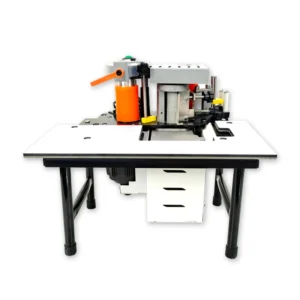
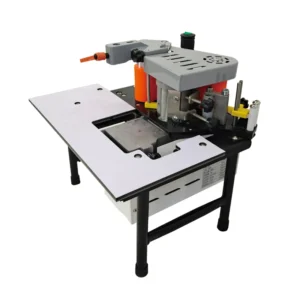
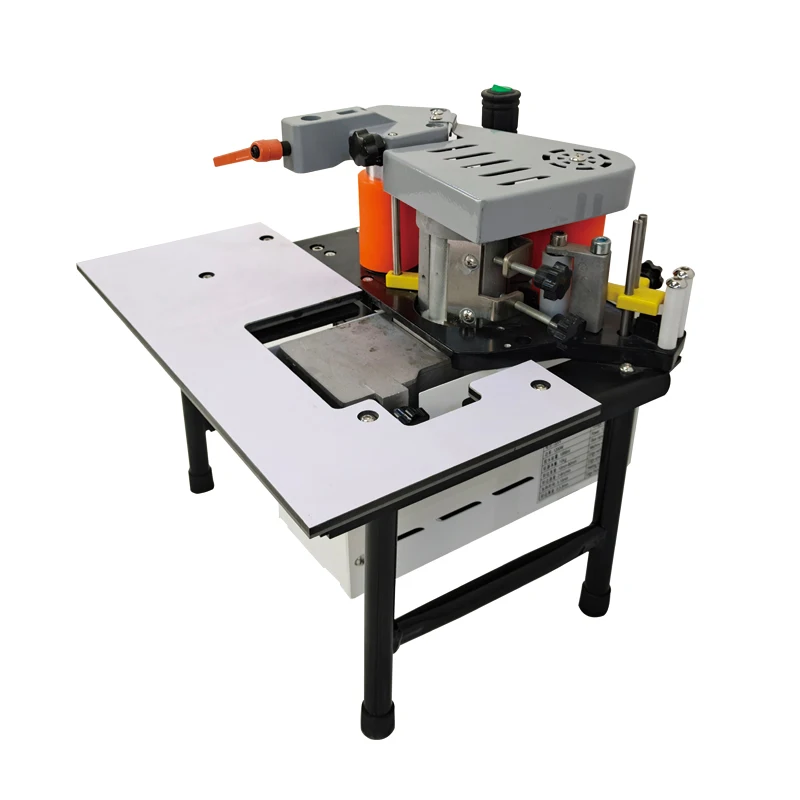
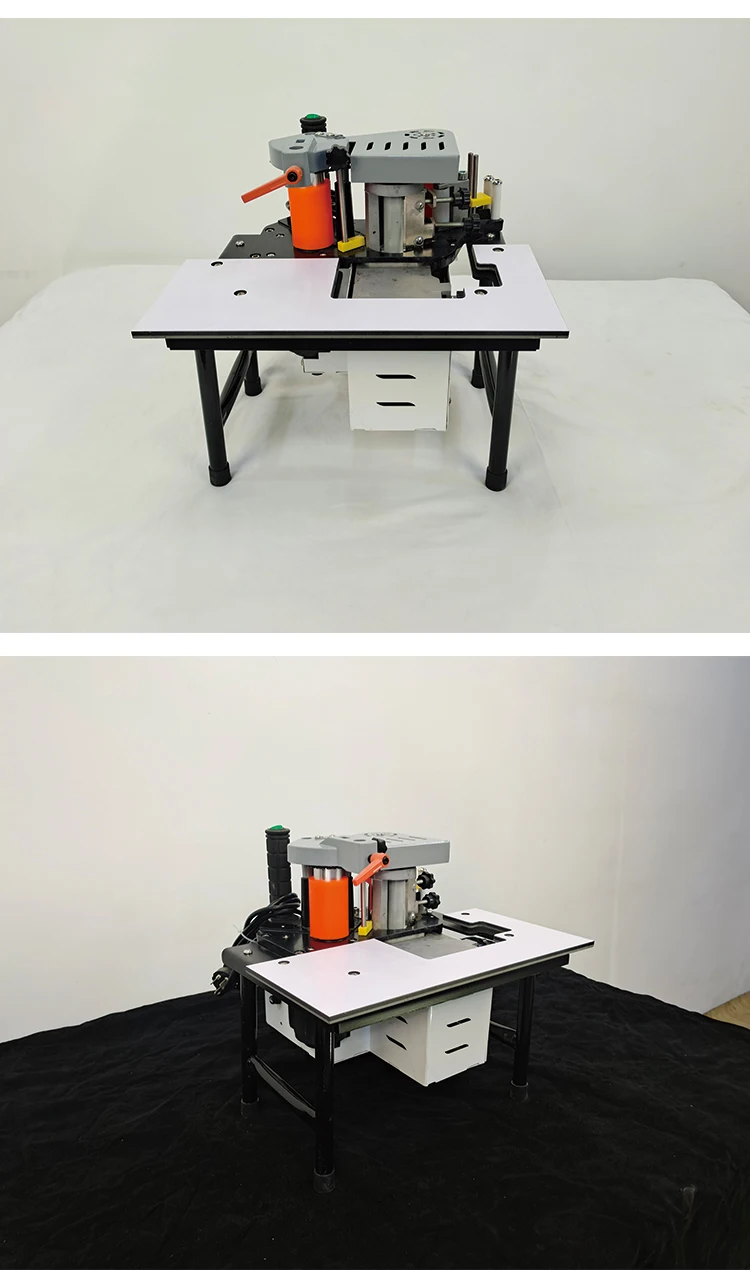
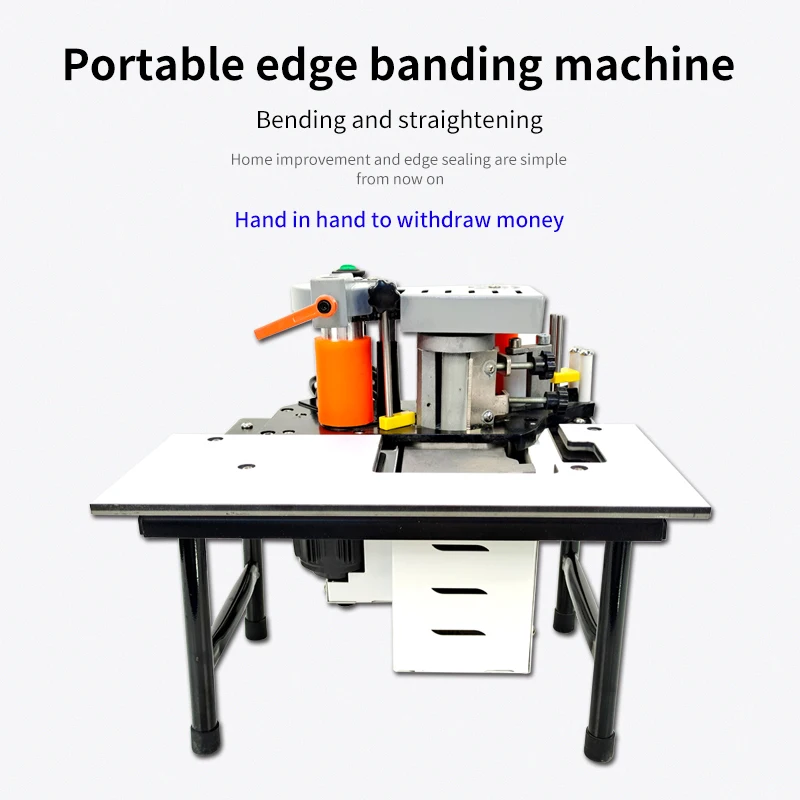
Fast-Dispatch Stock — ST-30 Portable Edge Banding Machine units verified for voltage, plug type, and panel language before leaving the warehouse, cutting typical multi-week lead times to immediate dispatch.
Technical Specifications
| Parameter | Value |
|---|---|
| Product Type | Portable Edge Banding Machine |
| Model | ST-30 |
| Rated Power | 1000W |
| Voltage & Frequency | 220V / 380V / customizable (50Hz/60Hz to be confirmed) |
| Overall Dimensions (L×W×H) | 38×35×35 cm |
| Net Weight | 12 kg |
| Working Capacity (Min. Sheet) | Length 25 cm, Width 3 cm |
| Edge Banding Height | 0–50 mm |
| Edge Banding Thickness | 0.3–3 mm |
| Compatible Edge Tapes | ABS, PVC, Melamine, Veneer |
| Edge Type | Straight and curved |
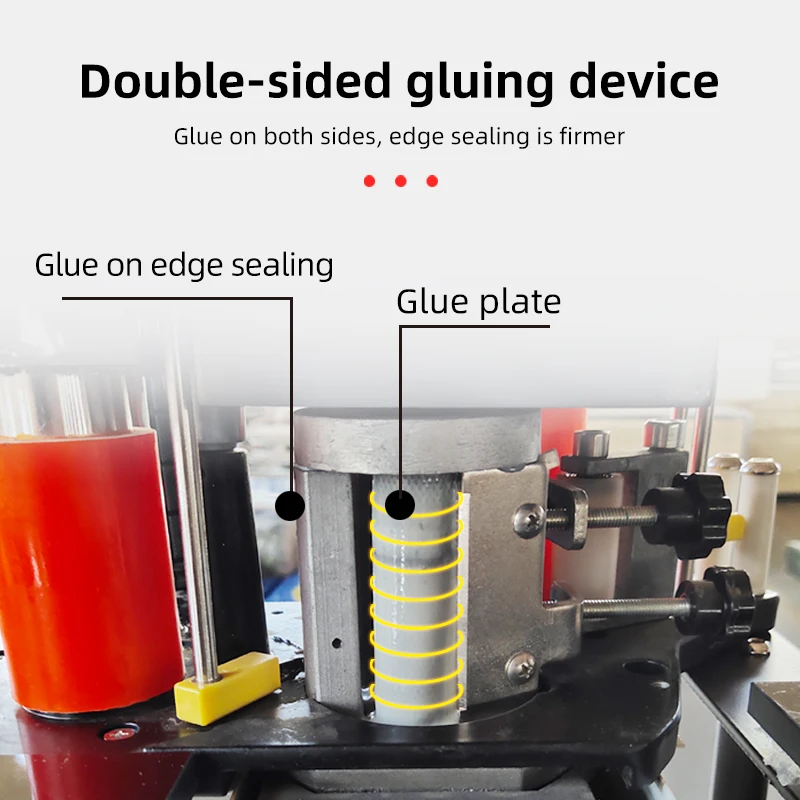
| Glue Pot Capacity | 1000 ml |
| Air Supply Requirement | 0.5–0.8 MPa |
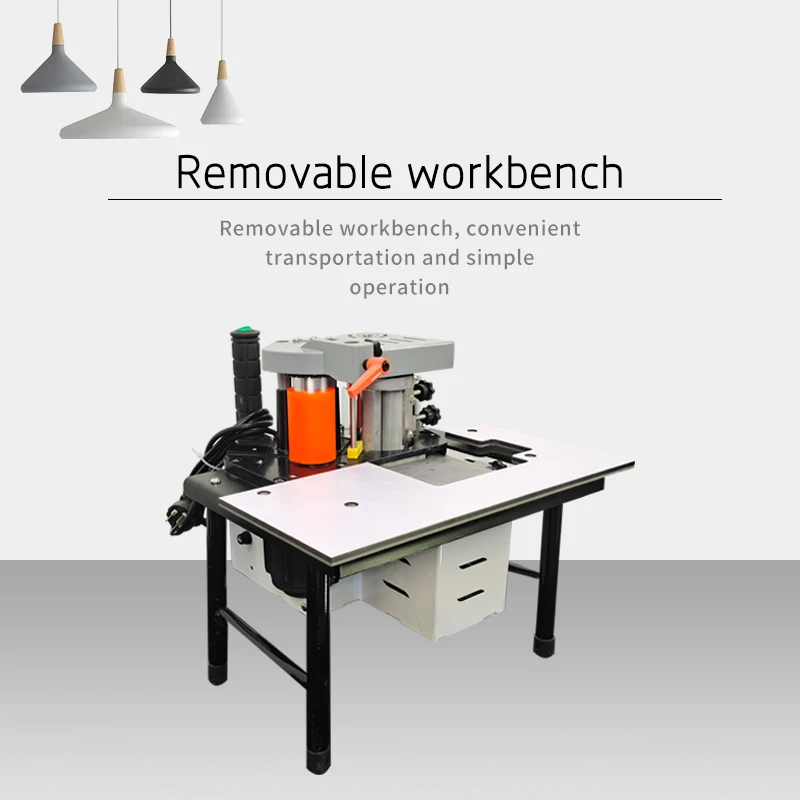
| Key Features | Compact portable assembly, multi-language control options, interchangeable plug types |
Application Suitability
| Application | Material or Output |
|---|---|
| Furniture manufacturing edge banding | MDF, particleboard, plywood panels |
| Interior decoration on-site edging | Fitted cabinetry and built-in joinery |
| Small workshop straight and curved processing | Custom batch production runs |
| Edge tape application | PVC, ABS, melamine, and wood veneer |
Why the Voltage Question Should Come Before the Price
When sourcing a Portable Edge Bander in Stock, confirming electrical compatibility prevents machines from arriving as dead weight. Every ST-30 unit undergoes voltage and frequency verification matched to the destination country before the crate is sealed.
Buying woodworking equipment across borders often means dealing with mismatched electrical standards. A machine wired for a 50Hz grid will overheat and fail prematurely on a 60Hz supply, while incorrect plug types halt installation entirely. Resolving these issues locally requires expensive custom transformers and weeks of downtime [NEED_CITE: voltage and frequency standards by export market]. Dispatching a fully configured unit eliminates these post-arrival delays.
Ready Stock Means Immediate Configuration Checks
Holding inventory of the ST-30 Portable Edge Bander in Stock allows the dispatch team to perform final electrical and language adjustments without delaying the production schedule. Instead of waiting for a new build cycle, the machine is reconfigured from existing stock, tested under the specified local parameters, and prepared for immediate freight forwarding. This approach removes the typical multi-week manufacturing queue.
Verifying Air and Power Requirements Pre-Dispatch
A portable edge bander relies on consistent pneumatic pressure to maintain glue application and tape feeding. The 0.5–0.8 MPa air requirement must be matched with a suitable workshop compressor. By reviewing the buyer’s existing compressor capacity before shipping, the machine arrives ready to integrate without requiring emergency pneumatic upgrades [NEED_CITE: pneumatic pressure standards for woodworking machinery]. The 1000W rated power also ensures compatibility with standard single-phase workshop circuits.
How Glue Pot Capacity and Thickness Range Dictate Use
The 1000 ml glue pot provides enough adhesive volume for sustained small-batch operations without constant refilling, which is critical for jobbing shops handling varied panel sizes. The 0.3–3 mm edge thickness range covers everything from thin melamine foils to thicker PVC and veneer tapes. When working with curved edges on custom furniture components, this thickness flexibility allows operators to switch materials mid-shift without changing the glue formulation or adjusting the heating profile significantly. The 0–50 mm banding height accommodates standard 18 mm and 25 mm panel thicknesses with room for oversize boards.
The Cost of Skipping Pre-Shipment Configuration
Shipping a portable edge banding machine without confirming local voltage frequency results in motor burnout or erratic control panel behavior. Operators facing unreadable control interfaces cannot adjust glue temperature or feed speed, leading to inconsistent edge adhesion and wasted edge tape [NEED_CITE: machinery control panel language requirements]. These errors force buyers to source local electricians and translators, turning a fast-dispatch purchase into a prolonged commissioning ordeal.
Securing a Reliable Fast-Dispatch Supply Chain
- Stock verification: ST-30 units are physically present in the warehouse, allowing immediate visual inspection and pre-shipment testing rather than relying on factory build schedules.
- Electrical matching: 220V, 380V, or custom voltage configurations are wired and tested against the buyer’s exact frequency requirement prior to crating.
- Plug standardization: EU, USA, AU, or UK plugs are installed based on the destination market, preventing the need for local adapters or rewiring.
- Language alignment: Control panels are set to English, Spanish, or other requested languages so the operator can navigate menus immediately upon uncrating.
- Component sourcing traceability: Precision-ground parts and proprietary mechanisms are tracked from assembly to dispatch, ensuring the machine you inspect matches the machine you receive.
Documentation & Verification
- Electrical schematic confirming your specific voltage and plug configuration before dispatch
- CE declaration of conformity referencing applicable machinery directive standards
- Factory test record showing glue temperature and feed speed on your tape material
- Operation and maintenance manual translated into your requested language
- Pre-shipment packing photographs documenting the crated unit and included spare parts
Installation, Commissioning & Support
- Place the 12 kg unit on any stable 38×35×35 cm workbench surface; no dedicated floor anchoring required.
- Connect to a dedicated 220V/380V circuit matching the confirmed frequency to protect the 1000W motor.
- Attach an air hose delivering 0.5–0.8 MPa to the pneumatic inlet for consistent tape feeding pressure.
- Load the 1000 ml glue pot and run a test cycle on scrap MDF to verify edge adhesion before production.
- Adjust the 0–50 mm height guide and 0.3–3 mm thickness rollers to match your specific panel and tape profile.
What We Need to Finalize Your Dispatch
To prepare the ST-30 for immediate shipment, provide your local voltage and frequency (e.g., 220V 60Hz), the required plug type, and the primary edge tape material you will run (PVC, ABS, or veneer). Specify the control panel language needed for your operators and the delivery port or address.
Frequently Asked Questions
Q: Is the ST-30 currently in stock and what is the dispatch lead time?
A: Yes, the ST-30 Portable Edge Bander in Stock is held in the warehouse for immediate processing. Once your voltage, plug type, and language requirements are confirmed, the unit undergoes a final pre-shipment test and is crated for dispatch, typically leaving the dock much faster than a custom build order.
Q: Can voltage, frequency, and plug type be matched to my country before shipping?
A: The machine supports 220V and 380V configurations, with custom voltage available on request. The frequency (50Hz or 60Hz) and plug type (EU, USA, AU, UK) are verified and installed before the machine is packed, ensuring it powers up correctly upon arrival.
Q: What compressor specification is needed to meet the air requirement?
A: The ST-30 requires a compressed air supply delivering 0.5–0.8 MPa. Your workshop compressor must maintain this pressure consistently during operation to ensure proper tape feeding and glue application, especially when processing curved edges.
Q: Is the operation panel available in languages other than English?
A: The standard control panel includes Chinese and English. Other languages, including Spanish, are available upon request and are configured before the machine leaves the warehouse, so operators can navigate settings immediately.
Q: What spare parts are included and how do I reorder consumables?
A: A standard spare parts list is included with the shipment, covering common wear items. The 1000 ml glue pot and edge tape feed components use standard consumables that can be sourced locally or reordered through our supply chain.