
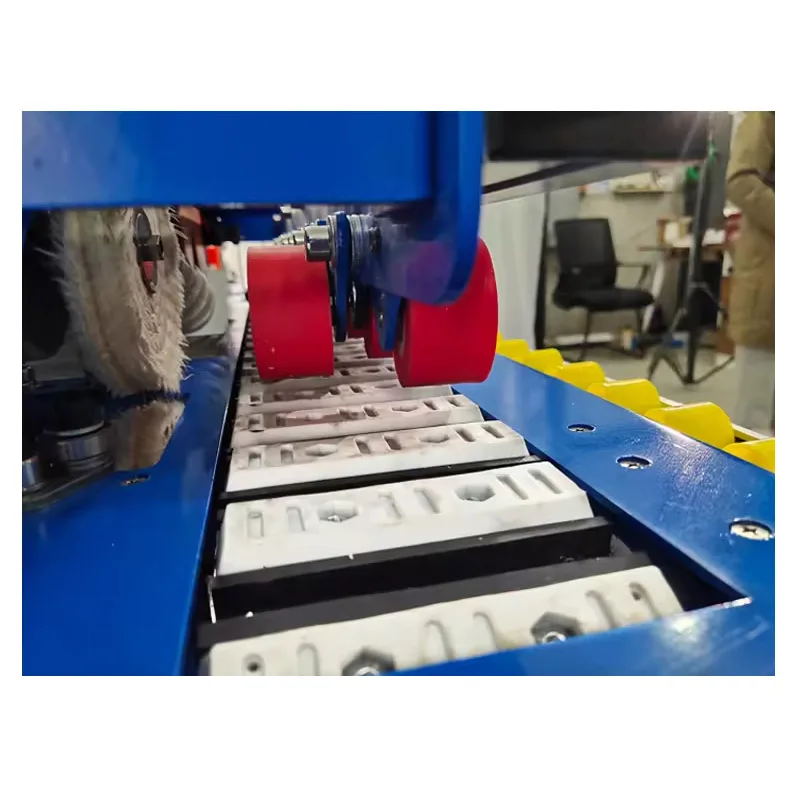

Description
Ready-stock configuration — every ZDS702 ships only after voltage and frequency are confirmed to match your facility’s electrical standard, eliminating the most common commissioning delay in cross-border machinery orders.
Technical Specifications
| Parameter | Value |
|---|---|
| Model | ZDS702 |
| Product Type | Semi-Automatic Edge Banding Machine |
| Edge Type | Straight line |
| Rated Voltage | 220V / 380V / customizable (110V–440V) |
| Rated Power | 3.8 kW |
| Heating Power | 1000 W (heat-up time 5–10 min) |
| Rated Air Pressure | 0.4–0.6 MPa |
| Feed Speed | 0–10 m/min |
| Panel Thickness Range | 5–50 mm |
| Edge Banding Thickness | 0.3–3 mm |
| Glue Pot Capacity | 1000 ml |
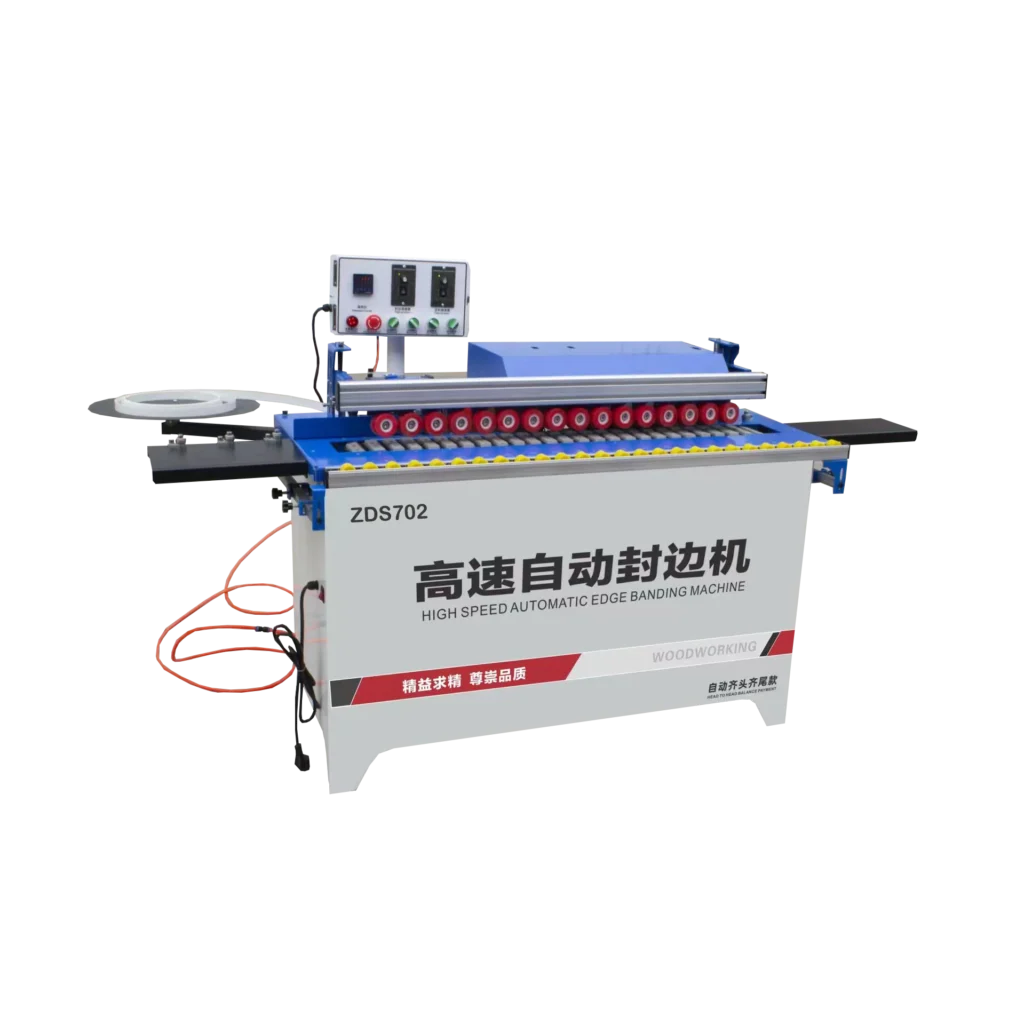
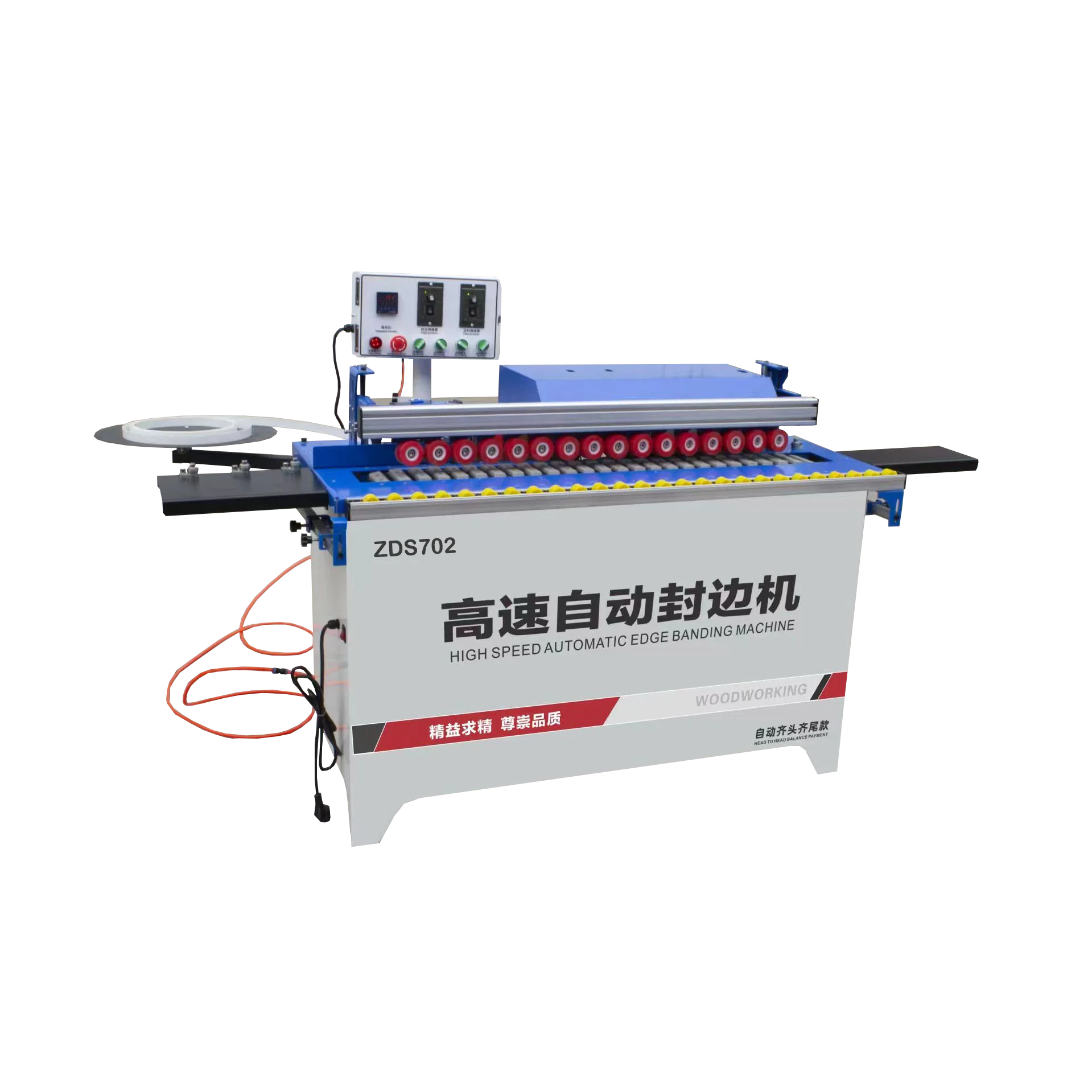
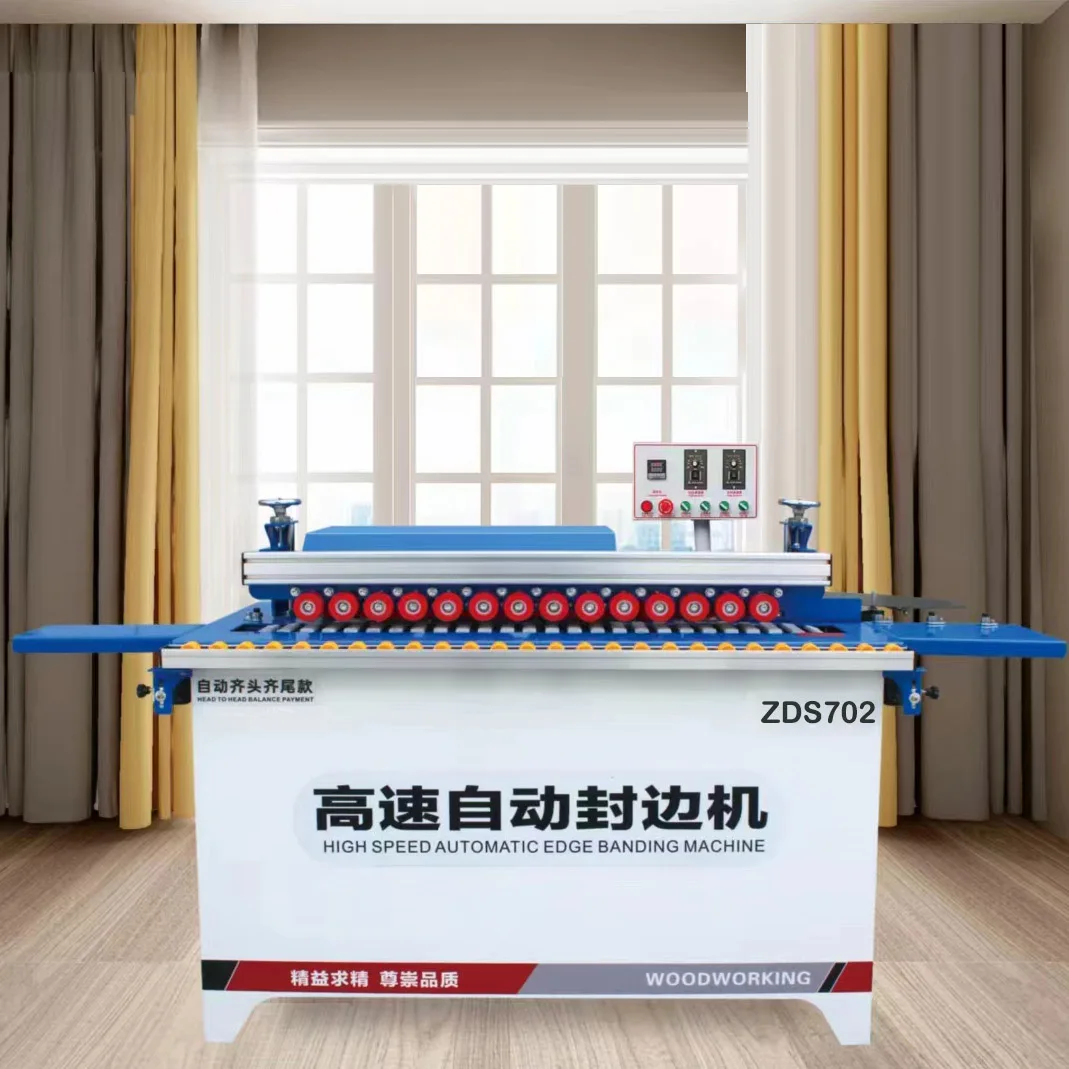
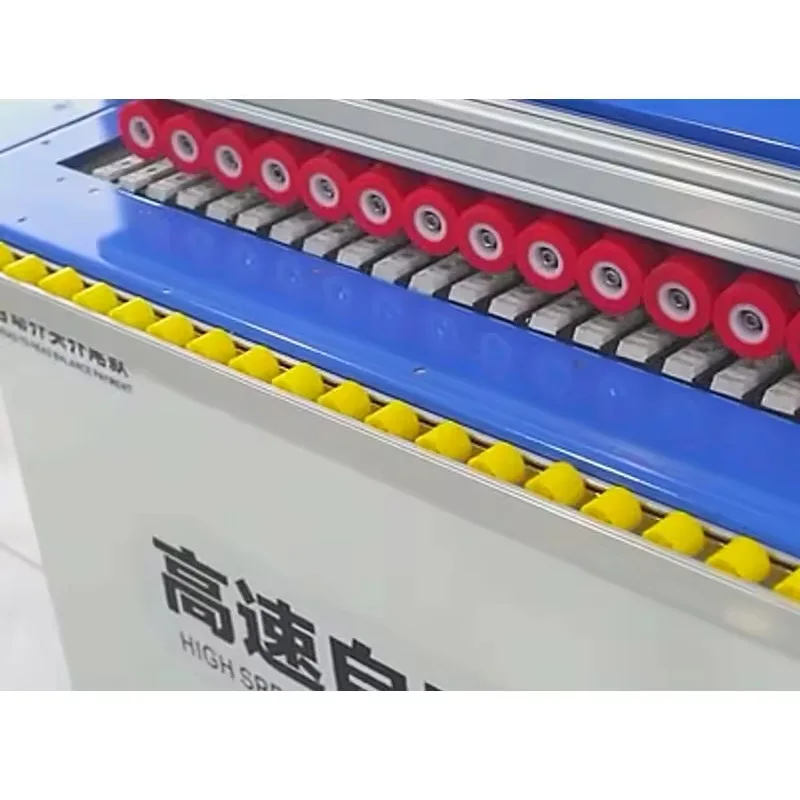
| Pressure System | One-piece pressure beam, double rows of pressure wheels |
| Conveyor Belt | Silicone material (scratch-resistant) |
| Adjustment | Hand crank wheel with integrated precision scale |
| Overall Dimensions | 120 × 55 × 120 cm |
| Net Weight | 105 kg |
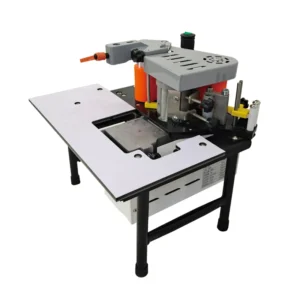
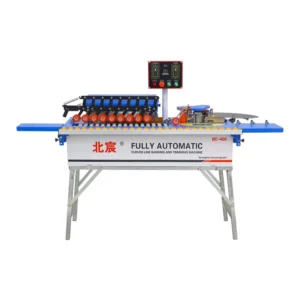
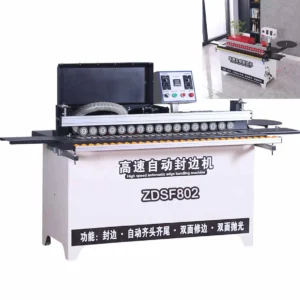
| Functions | Automatic plate feeding, end cutting, head/tail trimming, upper/lower polishing, integrated dust collector |
| Assembly State | Partially assembled; some components require on-site assembly |
| Warranty | 1 year |
Application Suitability
| Application | Material or Output |
|---|---|
| Custom cabinet door edge finishing | MDF and particleboard with PVC or melamine edge banding |
| Small-batch wardrobe panel production | Plywood panels with veneer or ABS edge strips |
| Joinery workshop straight-line edging | Solid wood panels up to 50 mm thickness |
| Furniture component trimming and polishing | Laminated board with 0.3–3 mm banding material |
| Startup workshop initial production runs | Mixed panel substrates in batch sizes suited to 0–10 m/min feed speed |
Why Confirming Voltage Before Dispatch Saves Your Production Schedule
A semi-automatic edge banding machine in stock means nothing if it trips the breaker the moment you power it on.
Early in my career, I shipped a bander to a Southeast Asian furniture factory without double-checking their local supply frequency. The machine arrived, the electrician connected it, and the main breaker tripped immediately. That workshop sat idle for three weeks while we sorted out a transformer solution. The order nearly collapsed. Since that incident, I treat voltage and frequency confirmation as a non-negotiable step before any machine leaves the floor. When you source a semi-automatic edge banding machine in stock from a supplier who skips this conversation, you inherit the same risk [NEED_CITE: voltage and frequency standards by export market].
Dispatch Speed Without the Usual Guesswork
Ordering a semi-automatic edge banding machine in stock should mean exactly that — the unit is built, tested, and waiting on the floor rather than sitting in a production queue. The ZDS702 is held as a complete, partially assembled unit so that once your voltage and control preferences are locked in, final configuration and pre-shipment testing can proceed without the typical multi-week lead times associated with custom-built orders.
What Fast Ordering Actually Requires from You
Quick dispatch only works when the buyer and seller align on electrical specifications and panel processing requirements up front. Before we release a ZDS702 from stock, we confirm your local supply voltage, frequency, and the primary panel materials you intend to run. This brief exchange prevents the scenario where a machine arrives configured for 380V/50Hz and your workshop runs on 220V/60Hz — a mismatch that stalls commissioning and frustrates operators who are ready to produce [NEED_CITE: common electrical mismatches in exported machinery].
How Feed Speed and Panel Thickness Interact on the Shop Floor
The ZDS702 covers a panel thickness range of 5–50 mm, which spans the common stock found in most custom furniture and cabinet operations. At the lower end — thin MDF or particleboard around 5–10 mm — operators typically run the feed speed toward the upper range to maintain throughput on lighter panels. Heavier panels near the 50 mm limit require slower feed rates so the pressure beam and double-row pressure wheels maintain consistent contact with the edge banding material. The hand crank adjustment with its integrated precision scale lets a single operator dial in the pressure beam height between jobs without tools. The silicone conveyor belt resists scratching on finished laminate surfaces, which matters when the panel face quality is already sanded or pre-finished before edging. The 1000 ml glue pot with its 1000 W heater reaches working temperature in roughly five to ten minutes, meaning short production runs do not waste time waiting for the adhesive to stabilize.
The Hidden Cost of Skipping Configuration Checks
Piecemeal equipment purchases often lead to feed height mismatches between a bander and the panel saw upstream. When a workshop buys a semi-automatic edge banding machine in stock without confirming that its panel thickness range aligns with what the saw actually produces, the result is constant manual adjustment and inconsistent edge adhesion. Entry-level machines pushed beyond their intended daily volume develop wear patterns in the pressure wheels and conveyor that show up as visible glue lines on finished panels — defects that only surface once the furniture reaches assembly or, worse, the customer’s showroom [NEED_CITE: edge banding adhesion failure modes in small workshop environments].
Why Sourcing This Model Through a Stock-Oriented Supplier Matters
In-house manufacturing means the ZDS702 is built on the same floor where it is tested, so pre-shipment verification reflects actual machine performance rather than a paper checklist. Voltage customization from 110V to 440V is handled as a standard configuration step, not a special request that adds weeks to delivery. Single-unit orders ship with the same documentation package — electrical schematics, operation manuals, and spare parts lists — that larger production runs receive. The four-stage quality control process covers incoming material inspection through pre-shipment verification, so stock units have passed the same checks as machines built to order. Engineer-led configuration ensures that the unit released from stock matches your stated panel materials and workshop electrical supply before it is crated.
Documentation & Verification
- Factory test record run on your specified panel thickness and edge banding material before dispatch
- Electrical schematic and voltage confirmation sheet matching your facility’s supply standard
- Operation and maintenance manual supplied in your agreed language
- Spare parts list with part numbers for consumables and wear items
- Packing photographs provided before the crate leaves the factory floor
- CE declaration of conformity and ISO 9001 certificate applicable to this model line
Installation, Commissioning & Support
- Requires a dedicated circuit matching the confirmed voltage (220V or 380V) and rated power of 3.8 kW
- Compressed air supply at 0.4–0.6 MPa needed for pressure beam and pneumatic trimmers
- Partially assembled on arrival; pressure beam, dust collector, and conveyor require on-site assembly per manual
- First-run calibration of feed speed and glue temperature using included precision scale and heater controls
- Silicone conveyor belt inspection and tension check recommended after the initial 40 hours of operation
- Replacement pressure wheels and trimming blades listed in the spare parts package for routine maintenance
Before You Request a Quote
To move from stock inquiry to confirmed dispatch, share your workshop’s local voltage and frequency, the primary panel substrates you process, and your typical daily run volume. If you have existing upstream equipment such as a panel saw or sliding table saw, note its maximum cut thickness so we can verify feed-height compatibility with the ZDS702.
Frequently Asked Questions
Q: Is the ZDS702 currently in stock, and what is the dispatch lead time?
A: The ZDS702 is held as ready stock in partially assembled form. Once your voltage, frequency, and control language preferences are confirmed, final configuration and pre-shipment testing are completed before dispatch. Typical turnaround from confirmed specification to crate release is measured in days rather than weeks, though exact timing depends on current stock levels and the complexity of your customization request.
Q: Can the voltage and frequency be configured for my country before shipping?
A: Yes. The ZDS702 supports voltage customization across a 110V to 440V range. Before any machine leaves the factory, we confirm your facility’s exact voltage and frequency — including single-phase or three-phase supply — and configure the electrical system accordingly. An electrical schematic and voltage confirmation sheet ship with the machine so your local electrician can verify the connection on arrival.
Q: What does the assembly process look like when the machine arrives?
A: The ZDS702 ships partially assembled. Major sub-assemblies including the pressure beam, dust collector housing, and conveyor frame require on-site installation. The operation manual and supplementary video guidance walk through each step. Most workshops with basic mechanical tools complete assembly within a single working session before proceeding to first-run calibration.
Q: Which edge banding materials does this machine handle?
A: The ZDS702 processes PVC, melamine, ABS, and wood veneer edge banding in thicknesses from 0.3 mm to 3 mm. The glue pot and pressure system accommodate both standard hot-melt adhesives and lower-temperature formulations used with thin veneer. Confirming your primary banding material at the ordering stage ensures the glue pot temperature range is set appropriately before dispatch.
Q: What spare parts are included, and how quickly can replacements be shipped?
A: Each ZDS702 ships with a spare parts list covering common wear items such as trimming blades, pressure wheel sets, and conveyor belt sections. Replacement parts are dispatched individually on request. Lead times for standard consumables are typically shorter than for complete machines, and parts are packed with the same pre-shipment verification applied to full units.