Description
Voltage-Verified Dispatch — every unit ships only after signed voltage and frequency confirmation, preventing the transformer failures that stall workshop startups.
Technical Specifications
| Parameter | Value |
|---|---|
| Model | DW400 |
| Product Type | Edge Banding Machine |
| Rated Power | 3800W |
| Voltage & Frequency | 220V / 380V / customization |
| Overall Dimensions (L×W×H) | 116 × 47 × 69 cm |
| Net Weight | 70 kg |
| Edge Banding Height | 0–50 mm |
| Edge Banding Thickness | 0.3–3 mm |
| Minimum Panel Length | 25 cm |
| Minimum Panel Width | 10 cm |
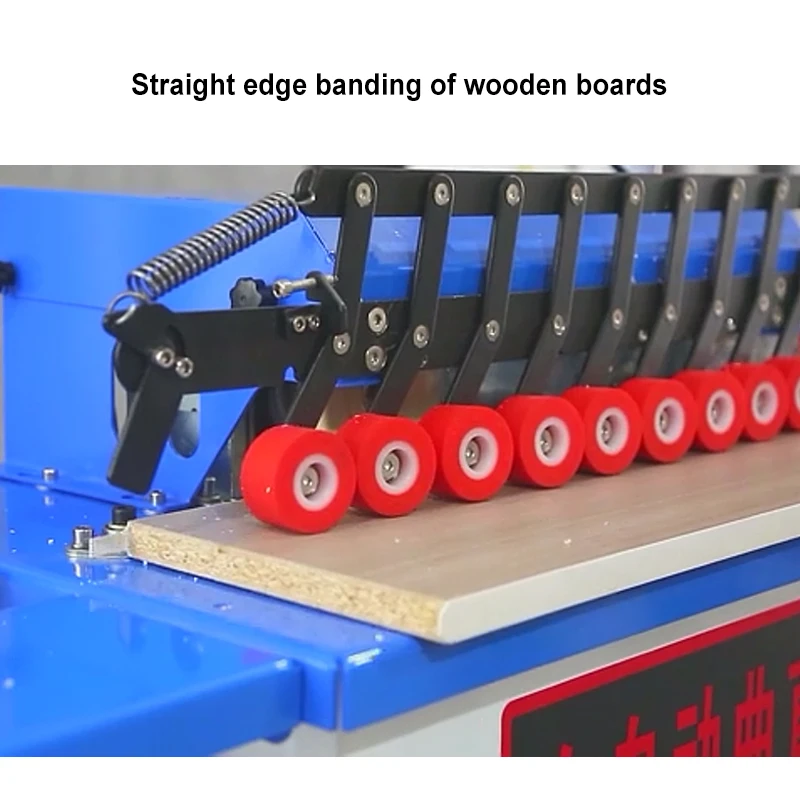
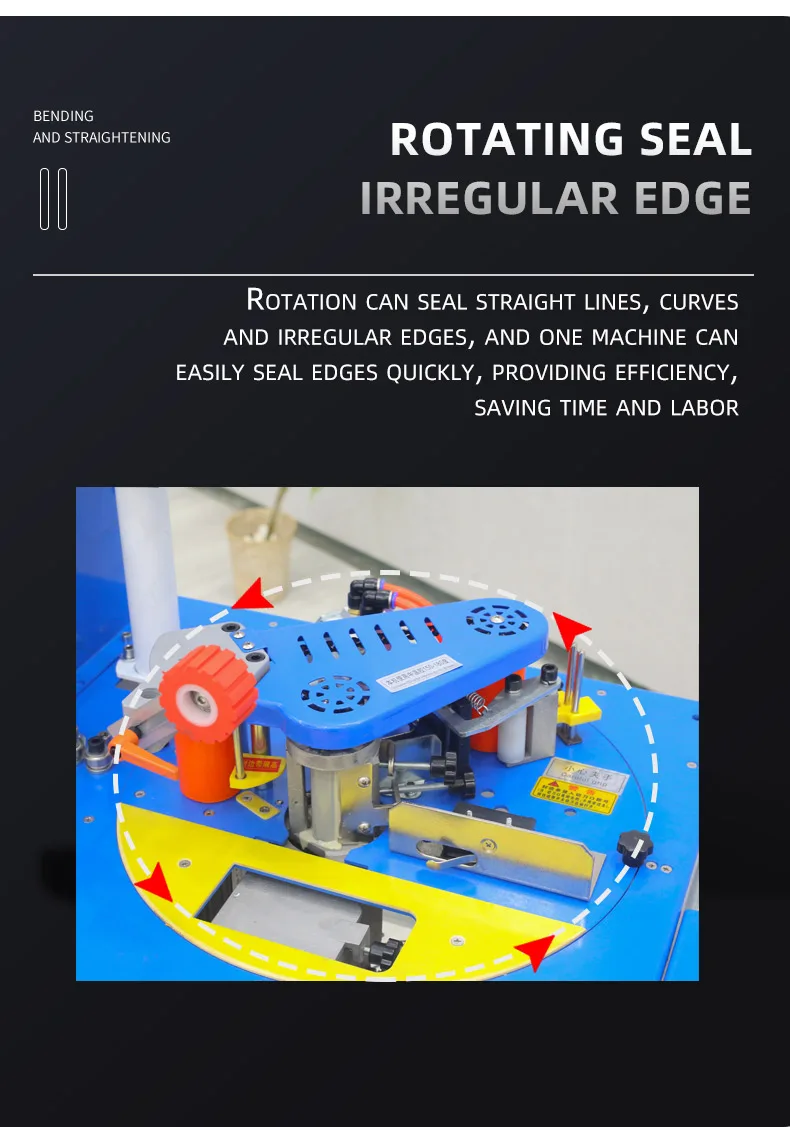
| Standard Functions | Straight edge banding, trimming, polishing |
| Trimming Power | 650W × 2 |
| Polishing Power | 180W × 2 |
| Transmission Power | 60W |
| Edge Feed Power | 20W |
| Vacuum Power | 1200W |
| Glue Pot Capacity | 1000 ml |
| Air Source Pressure | 0.5–0.8 MPa |
| Assembly State | Fully assembled |
| Language Options | Chinese / English standard; other languages customizable |
| Key Features | CE certified, ISO 9001 facility, pre-shipment tested |
Application Suitability
| Application | Material or Output |
|---|---|
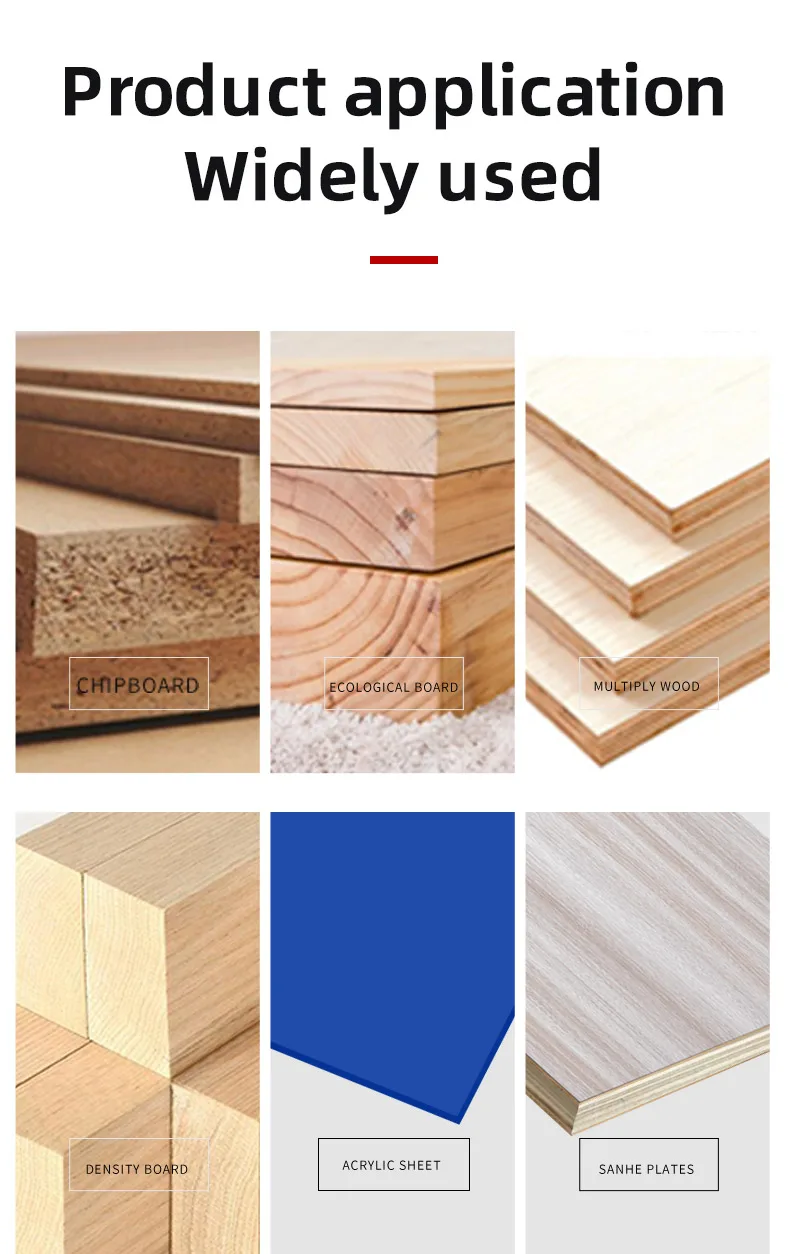
| Cabinet door edge finishing | MDF and particleboard with PVC or melamine edge banding |
| Custom furniture panel processing | Plywood and blockboard up to 50 mm edge height |
| Small-batch joinery production | Solid wood panels with veneer banding, 0.3–3 mm thickness |
| Polymer door manufacturing | Polymer substrates compatible with standard hot-melt adhesive |
| Workshop scale-up from manual banding | Straight-edge components for medium-density fiberboard assemblies |
Why the Voltage Question Must Come Before the Shipping Date
We confirm your local voltage, frequency, and plug type before any edge banding machine in stock leaves the warehouse.
I remember a PVC bander that went out to South America a few years back. The order moved fast, the crate was on the truck within days, and everyone felt good about the turnaround. Then the customer plugged it in. The local supply was 220V at 60Hz, but the machine had been wired for 380V three-phase. The transformer burned on first contact, and the workshop sat idle for three weeks waiting for replacement parts and a rewinding shop. That delay cost the customer more than the machine itself. [NEED_CITE: voltage and frequency standards by export market]
An edge banding machine in stock is only useful if it actually runs when it arrives. Every unit we dispatch now goes through a signed voltage confirmation step. Your electrical schematic is checked against your facility supply, and the wiring is verified before crating. It adds a day or two to paperwork, but it eliminates the kind of failure that no amount of speed can fix.
Speed Without the Arrival-Day Surprise
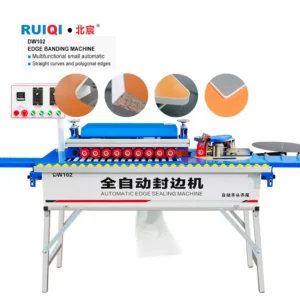
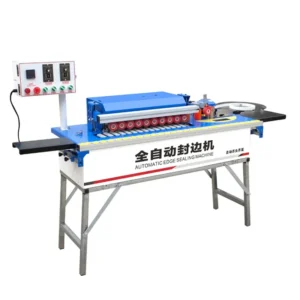
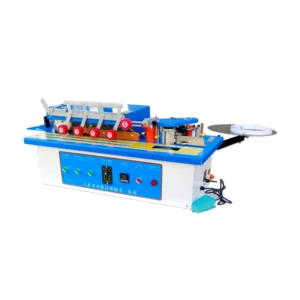
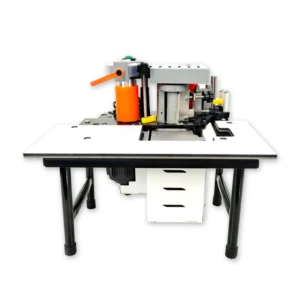
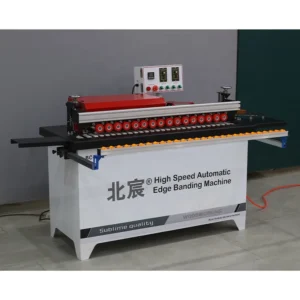
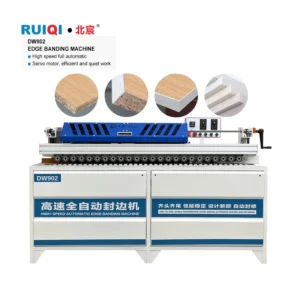
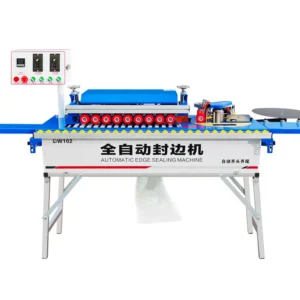
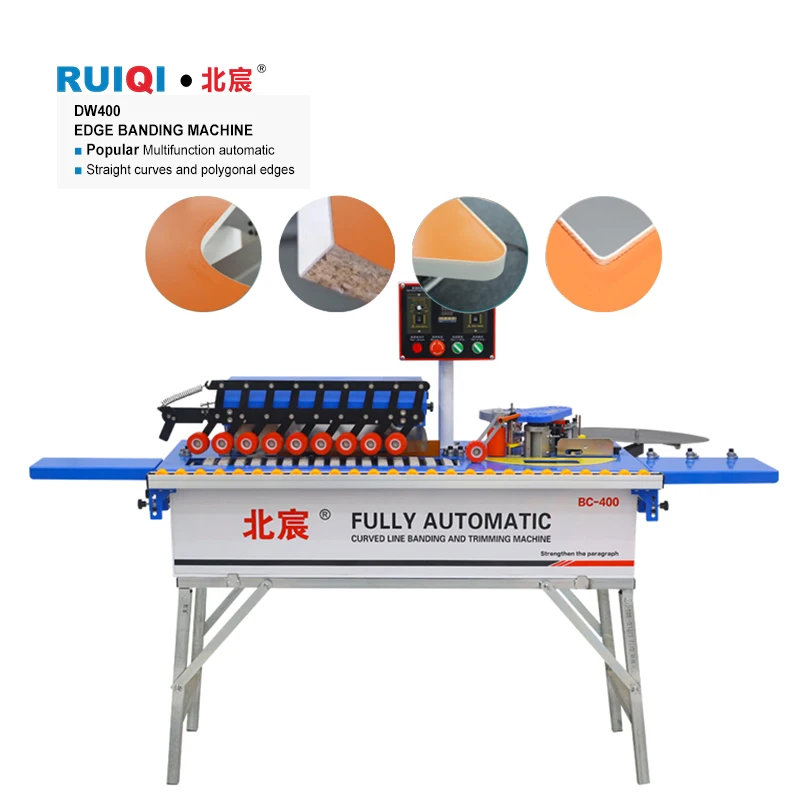
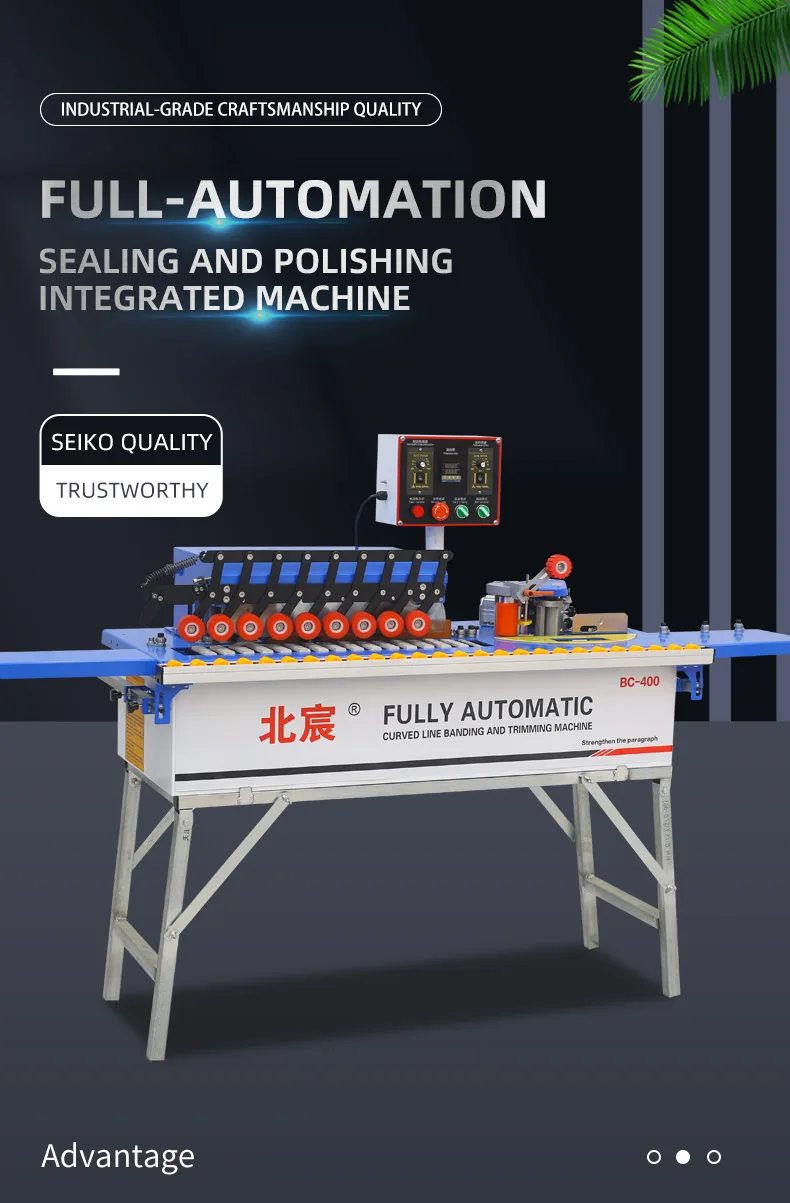
Fast dispatch means little if the machine sits unpowered on the shop floor. The DW400 edge banding machine in stock ships fully assembled, so there is no field wiring of major components. The unit arrives with glue pot, trimming motors, and polishing heads already mounted and tested. Your team needs only to connect the main power supply, attach the air line, and load the edge banding material to begin the first test run.
We keep this model stocked because workshops that need an edge bander quickly usually cannot afford a six-week build cycle. The compact 116 × 47 × 69 cm footprint means it can be positioned in an existing production area without rearranging the floor plan. The 70 kg weight allows two people to move it into place with a standard pallet jack.
What "Ready Stock" Actually Covers
Stock availability applies to the base machine configuration with standard straight edge banding, dual trimming, and dual polishing functions. When you need a specific voltage such as 220V single-phase or a control panel in Spanish, we pull the unit from stock and complete the customization before dispatch. This typically means the machine is reconfigured and re-tested within a short window, not held up in a production queue. [NEED_CITE: CE machinery directive requirements for industrial equipment]
The 1000 ml glue pot is standard across all stocked units, providing enough adhesive capacity for continuous runs on cabinet and door components without frequent refills. Air supply at 0.5–0.8 MPa is a fixed requirement, and we specify this clearly at the order stage so your compressor setup is ready before the crate arrives.
Reading the Specs That Matter in the Workshop
The edge banding thickness range of 0.3–3 mm covers the materials most small and medium workshops handle daily. Thin PVC at 0.3 mm is common for cabinet carcass work where a minimal visible edge is preferred, while 3 mm ABS or PVC suits countertop and shelf edges that take impact. The dual trimming motors at 650W each provide sufficient cutting force for clean end-trimming on particleboard and MDF without tear-out.
The 0–50 mm edge banding height range determines which panel thicknesses the machine can process. Standard 18 mm cabinet panels fall well within this envelope, as do thicker blockboard and polymer door blanks up to 50 mm. The minimum panel dimensions of 25 cm length and 10 cm width define the smallest workpiece the feed system can grip reliably, which matters for drawer sides and narrow shelf supports.
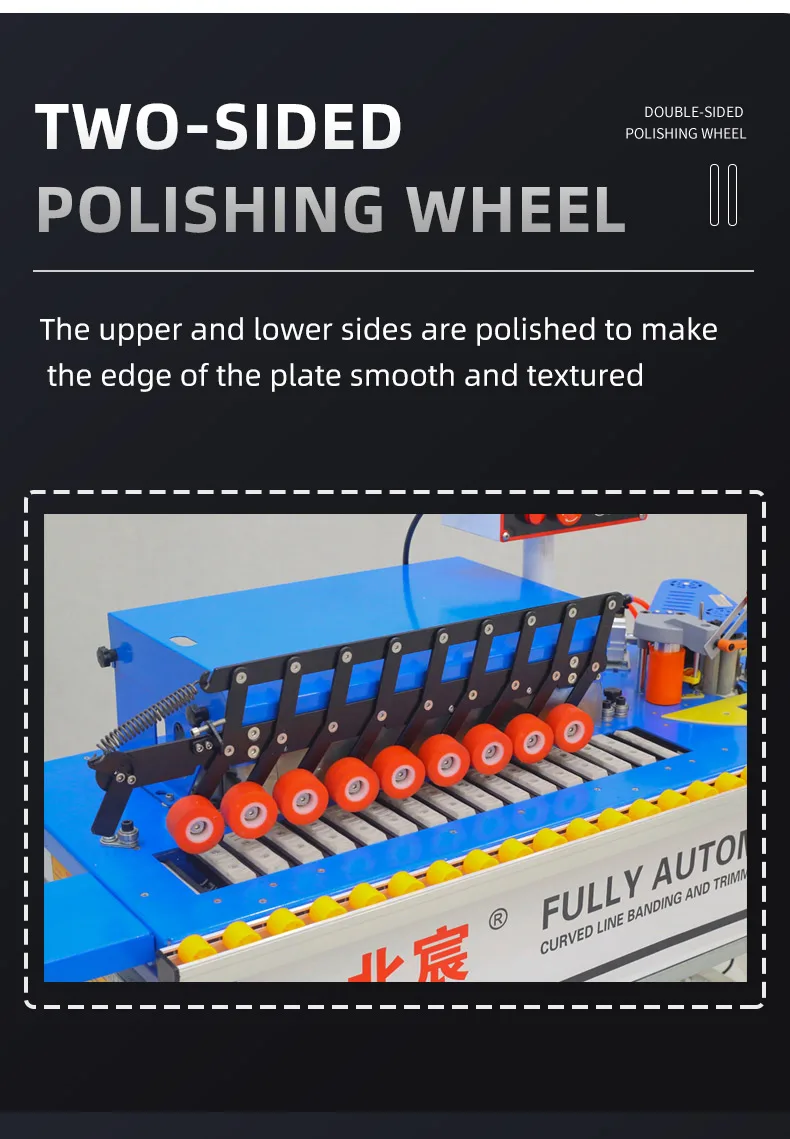
The 1200W vacuum system handles dust extraction at the trimming and polishing stations. Without adequate vacuum, fine MDF particles accumulate around the polishing wheels and degrade edge finish over a production run. Connecting a properly sized dust collector before the first run keeps the workspace clean and the finish consistent.
The Hidden Cost of Skipping Configuration Checks
When a workshop orders a machine on speed alone without confirming specifications, the problems do not appear until day one. A control panel in a language the operator cannot read means setup parameters are guessed at, not selected. Glue temperature too high scorches the adhesive and leaves brown streaks on light PVC. Feed speed too fast for thin veneer causes the band to slip before the pressure roller bonds it. [NEED_CITE: common edge banding defects from incorrect machine setup]
Voltage mismatches are the most expensive version of this problem. A 380V machine connected to a 220V supply will not start, and repeated attempts can damage the motor windings. A 220V machine on a 380V line destroys components instantly. Either scenario turns a fast delivery into a multi-week delay, which is exactly what buying from ready stock was supposed to prevent.
What Purchasing From This Stock Channel Provides
Every stocked DW400 unit goes through a four-stage quality check before crating: incoming material inspection, in-process assembly verification, finished product testing, and pre-shipment run-off on actual panel stock. The test record travels with the machine so you can see how it performed on MDF and particleboard before it left our facility.
Voltage and language customization is handled in-house before dispatch, not left as a field modification. The electrical schematic you receive matches the machine as built, not a generic template. Spare parts lists are included with every shipment, covering trimming blades, polishing wheels, and glue pot components that workshops typically consume first.
Engineer-led configuration means we ask about your panel materials and edge banding types before confirming the order. This prevents the situation where a machine arrives configured for PVC only to find the workshop primarily runs wood veneer. The recommendation is based on your actual production mix, not on which configuration ships fastest.
Documentation & Verification
- CE declaration of conformity covering mechanical and electrical safety of this edge bander
- Factory test record showing trimming and polishing results on your specified panel material
- Electrical schematic matched to your confirmed voltage and frequency before dispatch
- Operation and maintenance manual in your agreed language with illustrated adjustment points
- Packing photographs documenting machine condition and crate sealing prior to collection
Installation, Commissioning & Support
- Position the 116 × 47 × 69 cm unit on a level floor with clearance for panel infeed and outfeed
- Connect to confirmed 220V or 380V supply on a dedicated circuit matching the 3800W rated power
- Attach air supply at 0.5–0.8 MPa using the provided fitting; verify pressure before first run
- Load edge banding material and run test panels to set trimming depth and polishing pressure
- Replace trimming blades and polishing wheels per the spare parts list included with shipment
- Clean the 1000 ml glue pot after each production run to prevent adhesive carbonization
What to Share When Requesting a Quote
Tell us the panel materials you process most often — MDF, particleboard, plywood, or solid wood — along with typical panel thickness and the edge banding type you use. Confirm your workshop voltage and frequency so we match the wiring before dispatch. Let us know if you need the control panel in a specific language or if your operators have worked with similar equipment before.
Frequently Asked Questions
Q: Is this edge banding machine in stock and how fast can it ship?
A: The DW400 is held in ready stock at our Shandong facility for fast dispatch. Standard units with English panels and default voltage ship quickly after order confirmation. Custom voltage or language requests require a short reconfiguration period for rewiring, panel setup, and re-testing before the machine is crated. We confirm the dispatch date at the time of order based on current stock levels.
Q: What voltage and plug options are available for my country?
A: The machine supports 220V, 380V, and custom voltage configurations. We confirm your local supply voltage, frequency, and plug type before dispatch to prevent electrical mismatches on arrival. The electrical schematic provided with your order matches the machine as built, so your electrician can verify the connection without guessing at internal wiring.
Q: Can the control panel be in English or another language?
A: Chinese and English are standard options on stocked units. Spanish and other languages are available through our customization process, which is completed before the machine ships. We confirm the language at the order stage so the panel labels and display menus match what your operators can read, avoiding setup errors during commissioning.
Q: What air compressor specifications do I need before delivery?
A: The machine requires a stable air supply at 0.5–0.8 MPa. Your compressor should deliver clean, dry air within this pressure range to the machine inlet. We recommend checking your compressor capacity against this requirement before the machine arrives so the air line is connected and pressure-verified on delivery day, with no waiting for additional equipment.
Q: How do I handle installation once the machine arrives?
A: The DW400 ships fully assembled, so no major component installation is needed. Connect the confirmed power supply, attach the air line, load adhesive into the 1000 ml glue pot, and run test panels. The included operation manual covers initial parameter settings for trimming depth, polishing pressure, and feed adjustment based on your edge banding material and panel thickness.