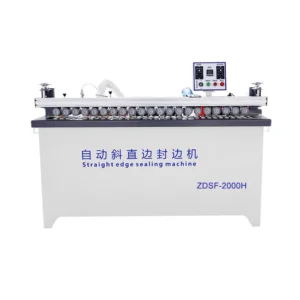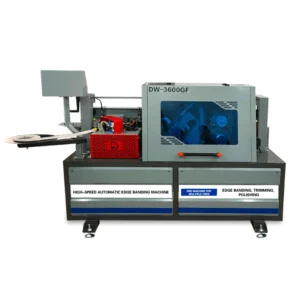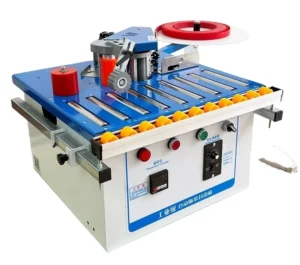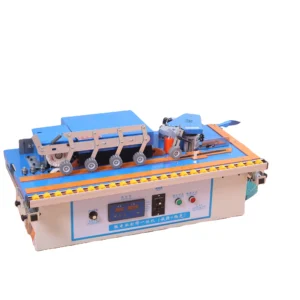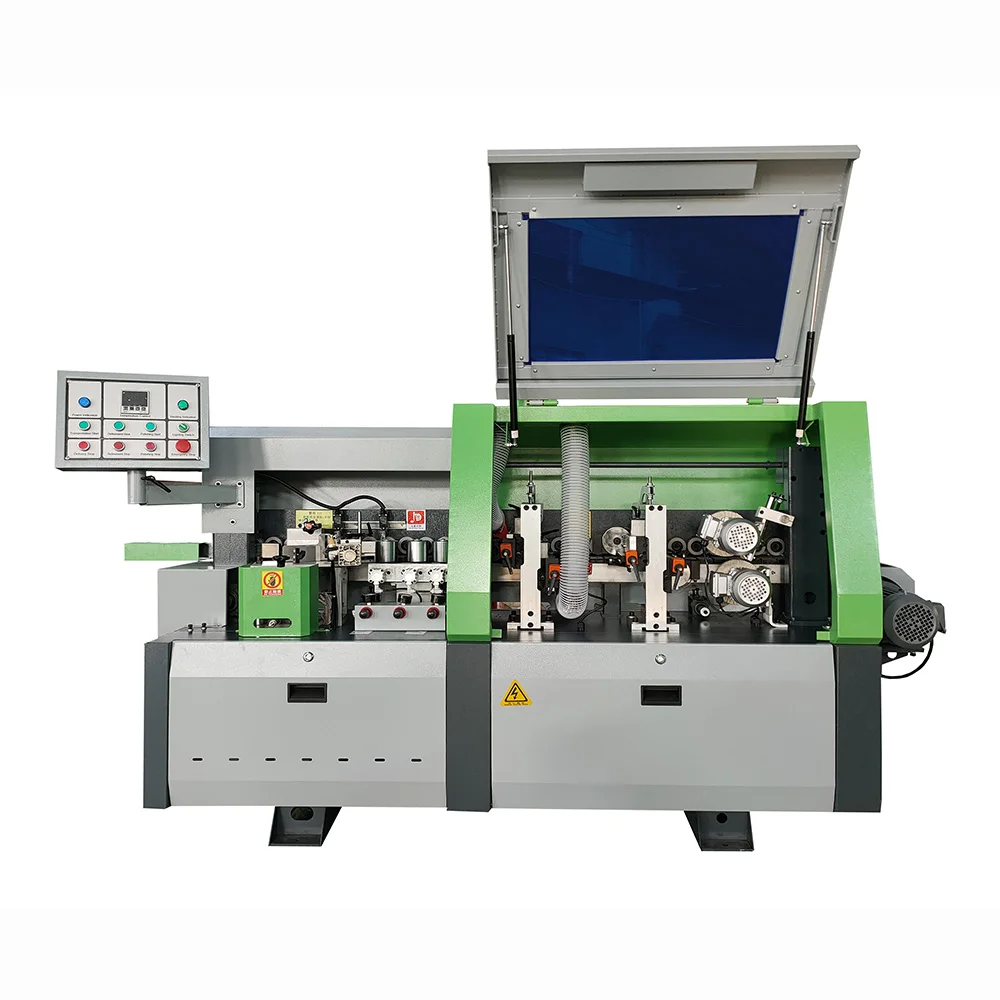
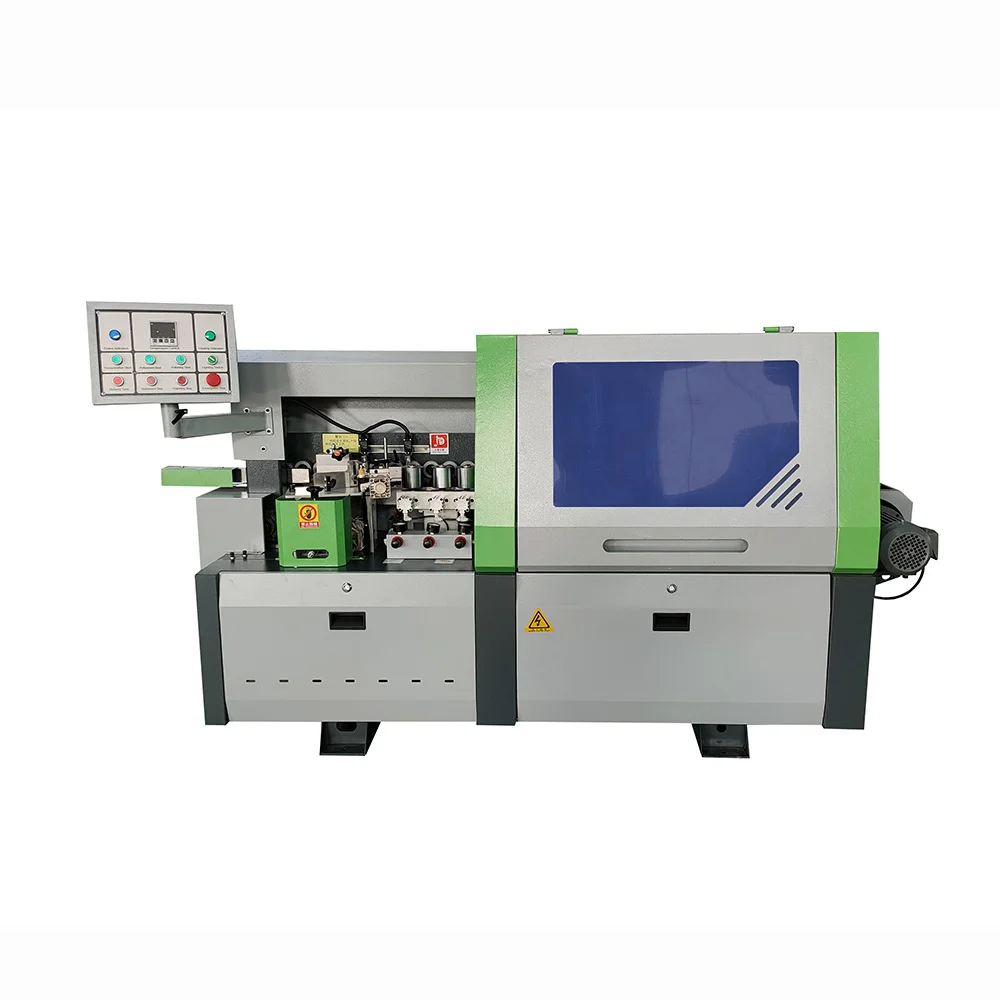
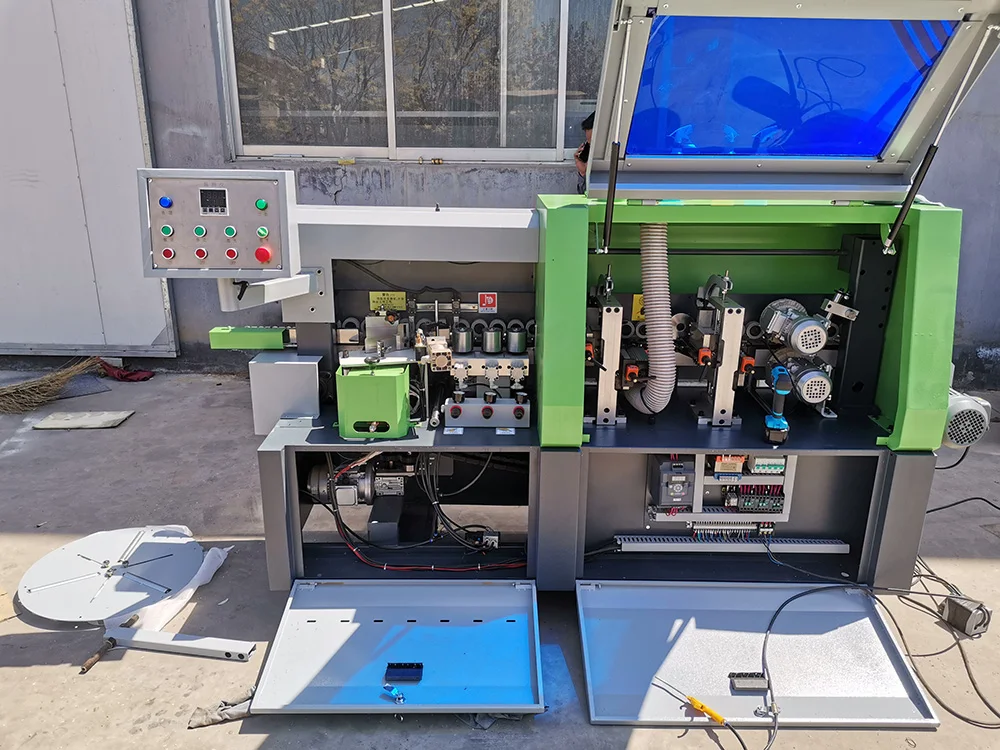
Description
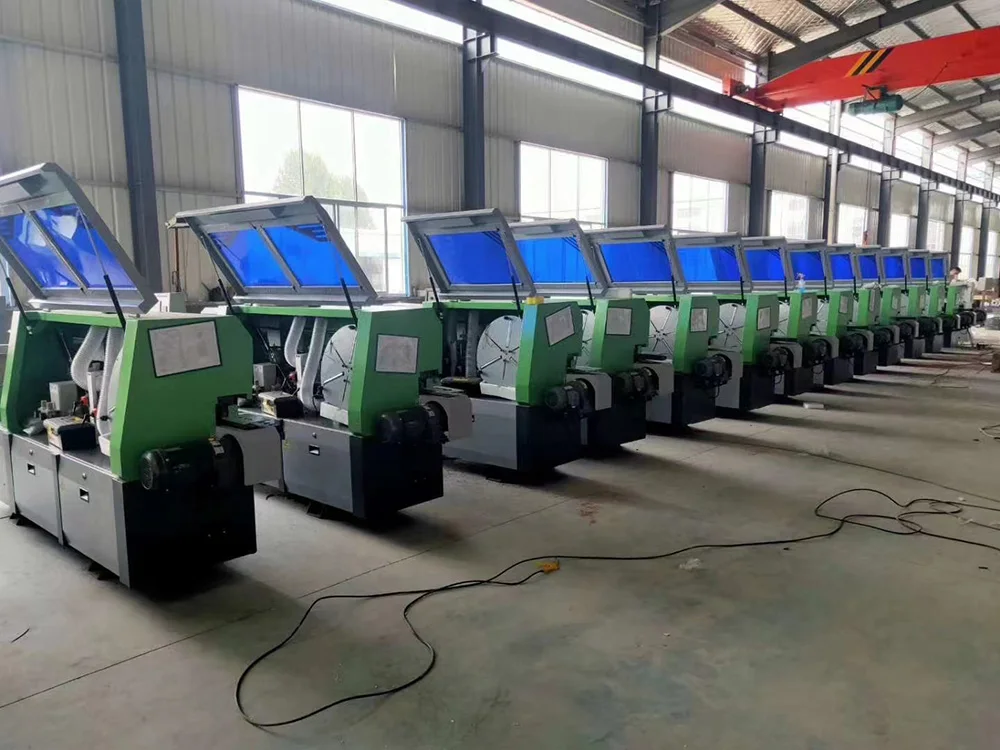
Ready-Stock Dispatch — Single-unit ZDSF515 units ship within standard lead times from our Shandong facility, each verified through pre-shipment testing before crating.
Technical Specifications
| Parameter | Value |
|---|---|
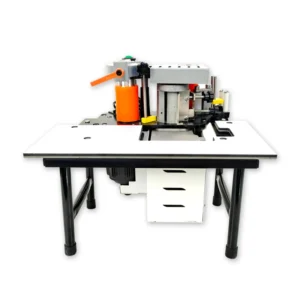
| Model | ZDSF515 |
| Product Type | Manual Edge Bander |
| Main Function | Gluing, Fine Trimming, Scraping, Buffing |
| Rated Power | 4KW |
| Voltage & Frequency | 380V-3hp |
| Working Pressure | 0.65Mpa |
| Conveyor Belt Speed | 0-16m/min |
| Min. Panel Width | 60mm |
| Min. Panel Length | 150mm |
| Panel Thickness Range | 10-60mm |
| Edge Thickness Range | 0.4-3mm |
| Overall Dimensions (L×W×H) | 2480×700×1400mm |
| Net Weight | 600kg |
Application Suitability
| Application | Material or Output |
|---|---|
| Custom furniture edge finishing | MDF, plywood, and particleboard with PVC edge banding |
| Small-batch cabinet production | Particleboard and MDF panels with 0.4-3mm edge thickness |
| Joinery workshop prototyping | Solid wood panels with veneer edge banding |
| Low-volume bespoke furniture | Mixed panel substrates up to 60mm thickness |
Why the Voltage Question Should Come Before the Machine Price
Confirm your local supply matches 380V-3hp before committing to any manual edge bander in stock order.
I have watched European workshops uncrate edge banders only to find the motor hums but the conveyor never engages — the local supply delivers 400V three-phase while the machine was wound for a different market entirely. A transformer retrofit costs more than the original freight, and the delay pushes delivery commitments past the point where customers still accept excuses [NEED_CITE: voltage and frequency standards by export market]. The ZDSF515 carries a fixed 380V-3hp rating, meaning buyers in 220V or 440V territories need to arrange conversion equipment or request a factory-rewound motor before the crate leaves Shandong. Catching this mismatch at the inquiry stage avoids a machine that sits idle on the dock while an electrician sources compatible components.
Stocked Availability and Single-Unit Ordering
The ZDSF515 sits in the ready-stock pool, meaning a manual edge bander in stock can be allocated against a confirmed order without waiting for a production slot to open. Small workshops and custom furniture makers often need exactly one machine to bridge the gap between hand-held tools and a full automated line, and the ordering process reflects that reality — single-unit dispatch with the same pre-shipment verification applied to larger batches.
Dispatch Lead Time and Shipping Preparation
Once payment clears and voltage compatibility is confirmed, the ZDSF515 moves through final inspection and crating on a timeline measured in days rather than weeks. Each unit receives a factory test record documenting conveyor tracking, glue pot temperature stability, and trimming alignment before the crate closes. This pre-shipment verification matters particularly for buyers ordering a manual edge bander in stock for the first time, since there is no prior relationship history to fall back on if the machine arrives with transit damage or missing calibration [NEED_CITE: pre-shipment inspection standards for woodworking machinery exports].
Interpreting the ZDSF515 Specification Sheet for Real Workshop Conditions
The 0-16m/min adjustable conveyor speed lets operators match feed rate to edge material — slower speeds for real wood veneer that needs careful heat transfer from the glue pot, faster runs for PVC on straight MDF edges where the adhesive bonds quickly. The 10-60mm panel thickness range covers everything from thin cabinet dividers to thick solid-wood tabletops, though the practical sweet spot sits around standard 18mm particleboard where the pressure rollers maintain even contact without excessive deflection. Working pressure at 0.65Mpa requires a clean, dry compressed air supply with a regulator and moisture trap installed upstream; workshops that skip the filtration step often see pneumatic cylinders stutter during the trimming and scraping stations, leaving visible chatter marks on the finished edge. The 4KW rated power draws roughly 6 amps at 380V three-phase, which most industrial panels can accommodate without a dedicated circuit upgrade, but confirming available capacity at the breaker prevents nuisance trips when the glue pot heater and conveyor motor engage simultaneously.
The Cost of Skipping Throughput Verification Before Purchase
Entry-level machines sold into production volumes they were never designed for create a specific kind of workshop misery — the edge bander runs fine for the first forty panels, then the glue pot cannot recover temperature between cycles, adhesive viscosity drops, and bond lines start failing on anything wider than a shelf [NEED_CITE: thermal recovery limits in compact edge banding units]. The ZDSF515 handles low-volume production, prototyping, and joinery operations transitioning from manual tools, but a factory running continuous eight-hour shifts with hundreds of panels per day needs a different class of machine entirely. Matching daily panel volume to the machine’s thermal and mechanical envelope prevents the scenario where a shop buys twice — once for the machine that arrived, and again for the machine they actually needed.
Why Procurement Through This Channel Works for Stocked Orders
Voltage confirmation happens before the proforma invoice, not after the container ships — the ZDSF515 quotation includes an electrical specification sheet that the buyer signs off against their local supply. Factory test records are generated on panel thicknesses and edge materials matching the buyer’s stated application, so a workshop processing 18mm MDF with 2mm PVC sees a test report reflecting those exact parameters. Operation and maintenance manuals ship in the agreed language, covering glue pot calibration, conveyor belt tensioning, and trimming blade replacement intervals specific to the ZDSF515 rather than a generic template. Spare parts lists include part numbers for wear items like scraping blades and buffing wheels, enabling workshops to stock consumables before the first production run rather than discovering lead times after a blade dulls mid-job.
Documentation & Verification
- Factory test record on buyer-specified panel thickness and edge material before dispatch
- Electrical schematic confirming 380V-3hp wiring configuration and breaker requirements
- Operation manual translated into agreed language covering ZDSF515 glue pot calibration procedures
- Spare parts list with part numbers for trimming blades, scraping tools, and buffing wheels
- CE declaration of conformity for machinery directive compliance documentation
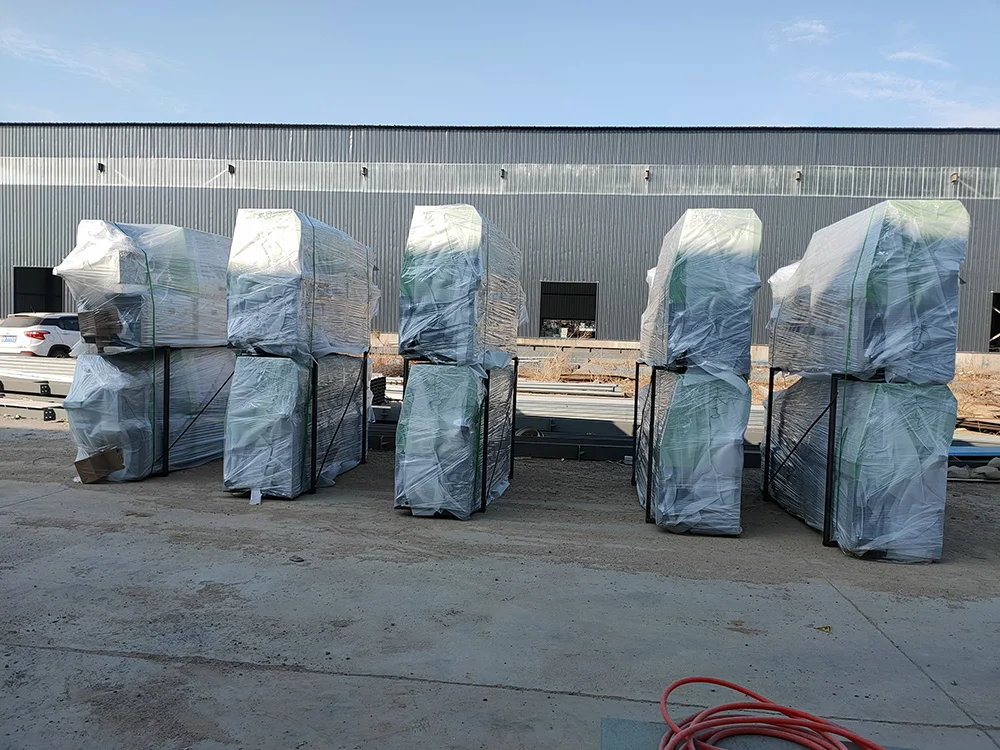
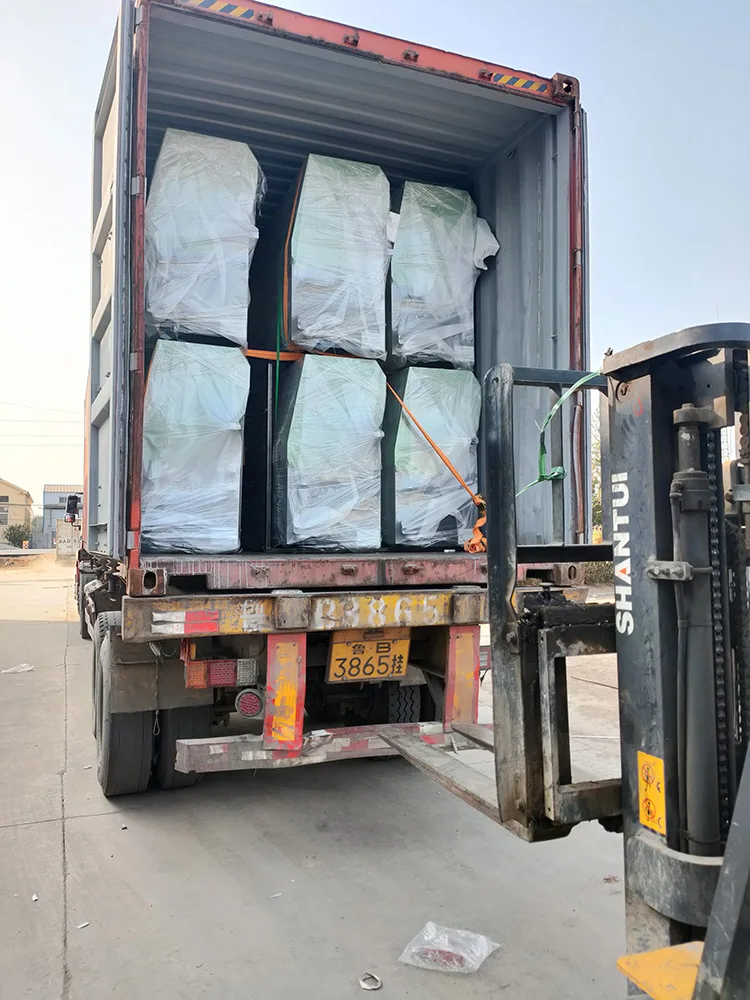
- Packing photographs showing crate condition and machine securing before container loading
Installation, Commissioning & Support
- Floor space allocation for 2480×700mm footprint with clearance on the infeed and outfeed sides for panel handling
- Dedicated 380V three-phase circuit with appropriate breaker sizing for the 4KW rated power draw
- Compressed air connection at 0.65Mpa with inline filtration and moisture separation before the machine inlet
- First-run calibration of glue pot temperature curve against buyer’s specific PVC or veneer edge material
- Conveyor belt speed adjustment across the 0-16m/min range to establish optimal feed rate for operator skill level
- Trimming and scraping station alignment verification using buyer’s actual panel stock before production begins
Information Needed to Move From Inquiry to Dispatch
Confirm your local voltage and frequency so the electrical specification matches your supply without requiring a site transformer. Share the panel materials and edge banding types you intend to process — MDF with PVC, plywood with veneer, or a mix — so the factory test replicates your actual conditions. Indicate your available floor space and compressed air capacity to verify the ZDSF515 integrates without facility modifications.
Frequently Asked Questions
Q: What is the dispatch lead time for stocked ZDSF515 units?
A: Stocked ZDSF515 units move through final inspection and crating once payment clears and voltage confirmation is signed off. The exact timeline depends on current stock levels and shipping documentation requirements for your destination port, but the process operates on a day-count basis rather than waiting for a production slot to open in the manufacturing schedule.
Q: Can voltage be customized to 220V or 440V for my market?
A: The standard ZDSF515 ships at 380V-3hp. If your facility runs on 220V or 440V, discuss motor rewinding or transformer requirements at the inquiry stage so the electrical specification matches your supply. Confirming this before the proforma invoice prevents arriving machines that cannot connect to local power without costly aftermarket conversion work.
Q: What edge materials work with this machine?
A: The ZDSF515 handles PVC, veneer, and similar edge banding materials in the 0.4-3mm thickness range. Glue pot temperature curves vary between materials — PVC bonds at different temperatures than real wood veneer — so the factory test before shipment should replicate your specific edge material to verify adhesion quality on your panel substrates.
Q: How do I verify the machine suits my daily panel volume?
A: Share your typical daily panel count and shift structure during inquiry so we can confirm whether the ZDSF515’s thermal recovery and mechanical duty cycle match your production pattern. This machine suits low-volume production and prototyping; continuous high-volume shifts require a different class of edge bander to maintain consistent glue temperature between cycles.