
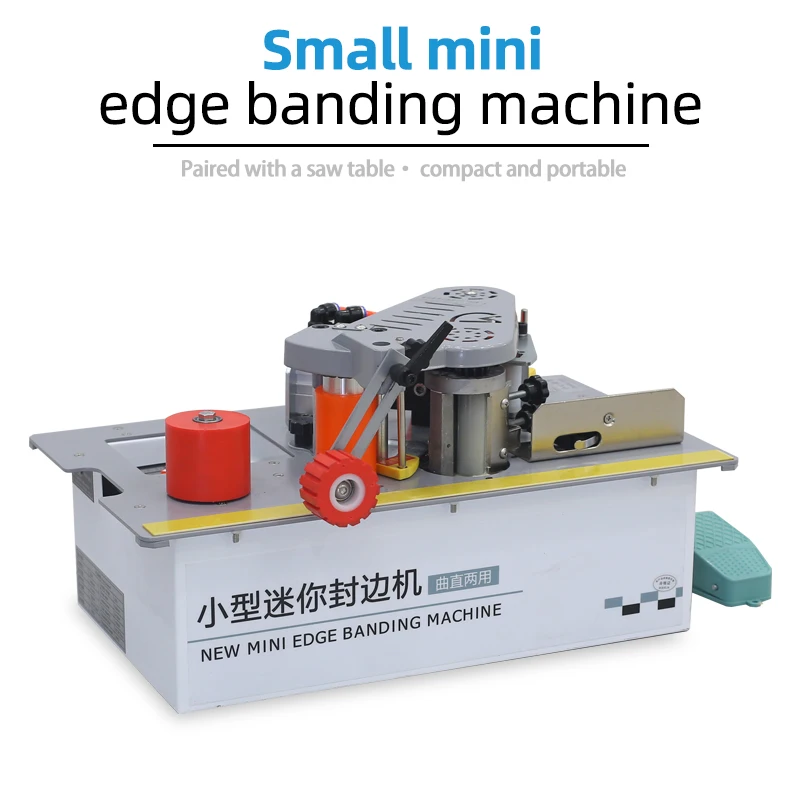
Description
Voltage-Locked Dispatch — Every JT160 unit ships only after your local voltage, frequency, and plug type are confirmed in writing, eliminating the two-week rewiring nightmare I once watched a customer endure on site.
Technical Specifications
| Parameter | Value |
|---|---|
| Model | JT160 |
| Product Type | Portable Folding Panel Saw |
| Total Power | 6200W |
| Main Saw Power | 3000W |
| Main Saw Speed | 3800 r/min |
| Main Saw Blade Diameter | 200mm |
| Sub Saw Power | 2000W |
| Sub Saw Speed | 13000 r/min |
| Vacuum Cleaner Power | 1200W |
| Voltage Options | 220V / 380V / custom configuration available |
| Maximum Cutting Length | 2.44m |
| Maximum Cutting Thickness | 40mm |
| Cutting Angles | 45° / 90° |
| Track Configuration | 80mm wide, double track, 1000mm length |
| Folded Dimensions | 1000 × 720 × 300mm |
| Expanded Dimensions | 2500 × 2050 × 750mm |
| Product Weight | 55kg (saw table) + 22kg (male and female saw unit) |
| Dust Extraction | Integrated vacuum with aluminum alloy chip collection |
| Language Options | Chinese, English; Spanish or other languages on request |
| PRO Variant Edge Banding Height | 0–50mm |
| PRO Variant Edge Banding Thickness | 0.3–3mm |
| PRO Variant Minimum Sheet Size | 250mm length × 50mm width |
| PRO Variant Glue Pot Capacity | 1000ml |
| PRO Variant Air Source Pressure | 0.5–0.8 MPa |
| Standards | CE, ISO 9001 |
Application Suitability
| Application | Material or Output |
|---|---|
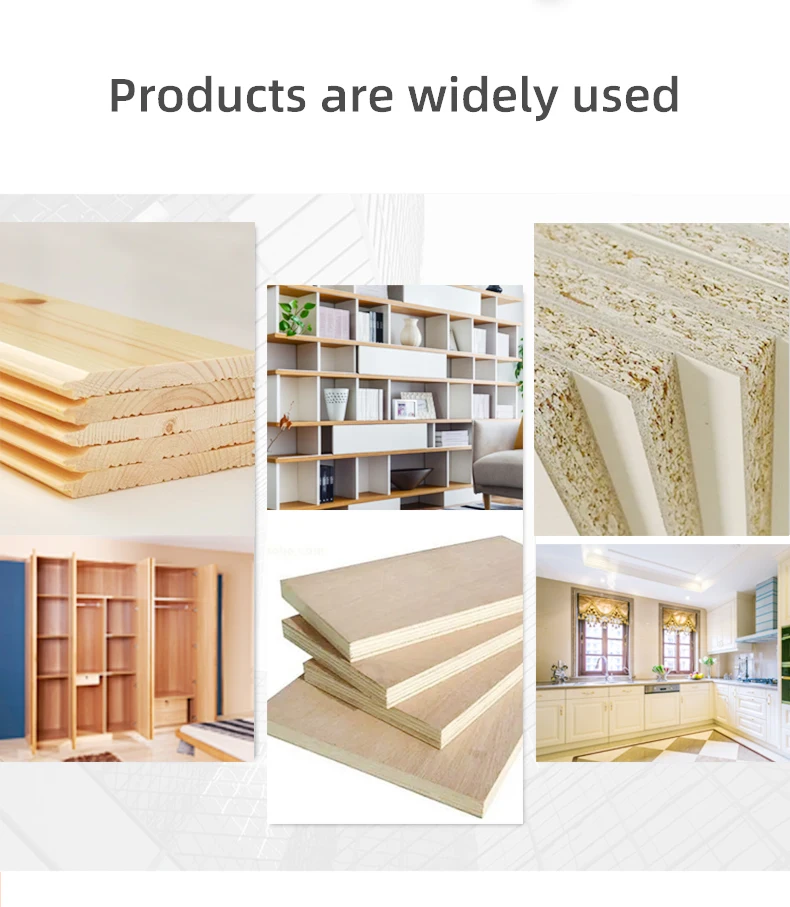
| On-site panel sizing for joinery installers | MDF, plywood, particleboard up to 40mm thick |
| Small workshop furniture cutting | Solid wood panels and veneered board |
| Portable mitring at client locations | Plywood and MDF for cabinet carcasses |
| Cut-and-finish workflow (PRO variant) | PVC and veneer edge banding on pre-cut panels |
| Compact joinery startup production | Particleboard and MDF shelving and cabinet components |
Why the Voltage Question Must Come Before the Order
Every portable folding panel saw in stock at our warehouse ships with voltage and plug type verified against your local grid — documented before dispatch, not discovered on arrival.
I remember a JT160 that landed at a customer’s workshop wired for 380V three-phase while their facility ran 440V. The local electrician spent two full weeks rerouting circuits before the saw could power on. That delay cost the installer a committed project deadline. Since then, I personally cross-check the electrical schematic against the buyer’s confirmed supply before any unit leaves the loading bay [NEED_CITE: voltage and frequency standards by export market]. A portable folding panel saw that arrives with the wrong voltage is not a machine — it is a crate of expensive metal sitting in the corner.
Ready Stock Means Confirmed Stock, Not Promised Stock
When you need a portable folding panel saw quickly, the difference between "available" and "in stock" matters. Units listed here are physically in the warehouse, not scheduled for a production run. Single-unit orders dispatch after the standard pre-shipment checks: main saw runout, sub-saw alignment, vacuum suction verification, and a full cutting test on your specified panel material. No minimum order quantity stands between you and a working machine on your shop floor.
Dispatch Speed Without Cutting Verification Corners
Fast delivery means nothing if the machine fails its first real cut. Each folding panel saw goes through track alignment verification, angle plate calibration at both 45° and 90°, and a dust extraction flow test before crating. We photograph the packing stage unit by unit so you can confirm condition before the container seals. Lead time for a single unit covers these checks plus the electrical confirmation step — quick, but never rushed [NEED_CITE: pre-shipment inspection standards for woodworking machinery].
Reading the Specs That Matter on Site
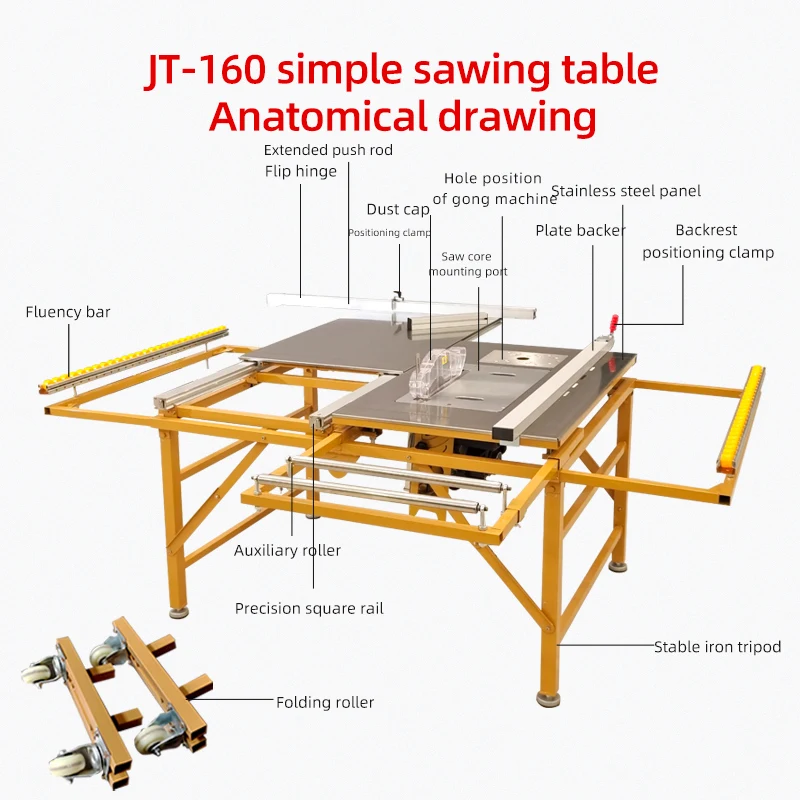
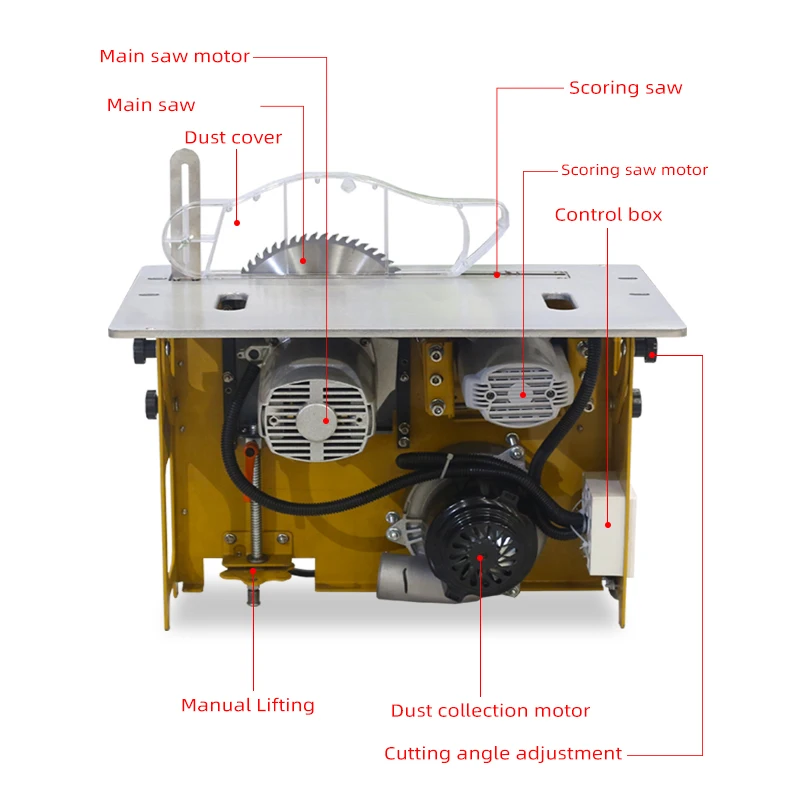
The 3000W main saw at 3800 r/min paired with a 2000W sub-saw at 13000 r/min is the configuration that prevents chip-out on melamine-faced particleboard — the high-speed sub-saw scores the laminate before the main blade cuts through. The 80mm double-track design resists deflection across the full 2.44m cutting length, which directly affects whether your cabinet sides meet square at assembly. Maximum 40mm cutting thickness handles standard panel stock while keeping the saw within its designed torque envelope. The 200mm main blade diameter is a common consumable size, so replacement blades source locally in most markets without specialty ordering.
What Happens When You Skip Configuration Confirmation
Ordering a panel saw without specifying control-panel language sounds minor until your operator stares at Chinese-only labels on the first morning of production. Buying without confirming voltage leads to transformer rentals or panel rewiring that delays commissioning by weeks. Choosing a machine rated only for light duty and running it through daily production volumes causes premature motor winding failure — the kind that shows up months in, just past the return window [NEED_CITE: common causes of premature motor failure in portable woodworking equipment]. These are not engineering flaws; they are communication gaps that a proper pre-order checklist prevents entirely.
Why Procurement Teams Source This Model Here
Voltage and language customization is standard procedure, not a special request — your specifications are locked in before production or stock allocation begins. The JT160 family scales from the base folding saw to the PRO variant with integrated edge banding, so a growing workshop adds finishing capability without changing suppliers or retraining operators on unfamiliar controls. Four-stage quality control runs through incoming material, in-process assembly, finished unit, and pre-shipment stages with documented test records for each unit. Factory test runs use your actual panel type and thickness range so cutting quality is verified before the machine leaves Shandong, not after it arrives at your dock. Engineer-led configuration ensures the quotation matches your real production requirement rather than a generic catalog price.
Documentation & Verification
- CE declaration of conformity covering the JT160 portable panel saw assembly
- Electrical schematic with your confirmed voltage and frequency annotated before dispatch
- Factory test record showing cutting results on your specified panel thickness and material
- Operation and maintenance manual printed in your agreed language at shipment
- Spare parts list with part numbers for blades, bearings, and vacuum consumables
Installation, Commissioning & Support
- Requires a dedicated circuit matching confirmed voltage for the 6200W total load
- Folded footprint of 1000 × 720 × 300mm fits standard van transport to job sites
- Track assembly and angle calibration verified at factory, field check takes under one hour
- PRO variant requires 0.5–0.8 MPa air source — confirm compressor capacity before installation
- First-run blade alignment and dust extraction flow tested during commissioning guidance call
What to Include With Your Inquiry
To get an accurate configuration and dispatch timeline, share your panel material types and typical thickness range, your local supply voltage and frequency, and your preferred control-panel language. If you are considering the PRO variant, note the edge banding materials you work with and whether your workshop already has a compressed air supply meeting the 0.5–0.8 MPa requirement. This lets us confirm the right stock unit and lock in your pre-shipment test parameters immediately.
Frequently Asked Questions
Q: Is the JT160 portable folding panel saw currently in stock and how fast can a single unit ship?
A: Units are physically warehoused and available for single-unit orders. Dispatch follows voltage confirmation, pre-shipment electrical verification, cutting test on your panel material, and packing photography. This process typically takes several business days from order confirmation, depending on customization requirements and your responsiveness in confirming electrical specifications.
Q: Can I confirm voltage, plug type, and control-panel language before the machine ships?
A: Yes — this confirmation is a mandatory step, not an optional extra. Your local voltage, frequency, and plug type are documented against the electrical schematic before dispatch. The operation manual and control-panel labels are produced in your agreed language. I personally verify these details because I have seen what happens when they are skipped.
Q: What spare parts ship with the JT160 and how do I reorder consumables?
A: Each unit ships with a spare parts list covering blades, bearings, vacuum filters, and wear items specific to your configuration. The 200mm main saw blade is a standard size available through most local industrial suppliers. For proprietary components, reorders go through our parts desk with your machine serial number for exact matching.
Q: How does the JT160 PRO edge banding attachment integrate with the saw workflow?
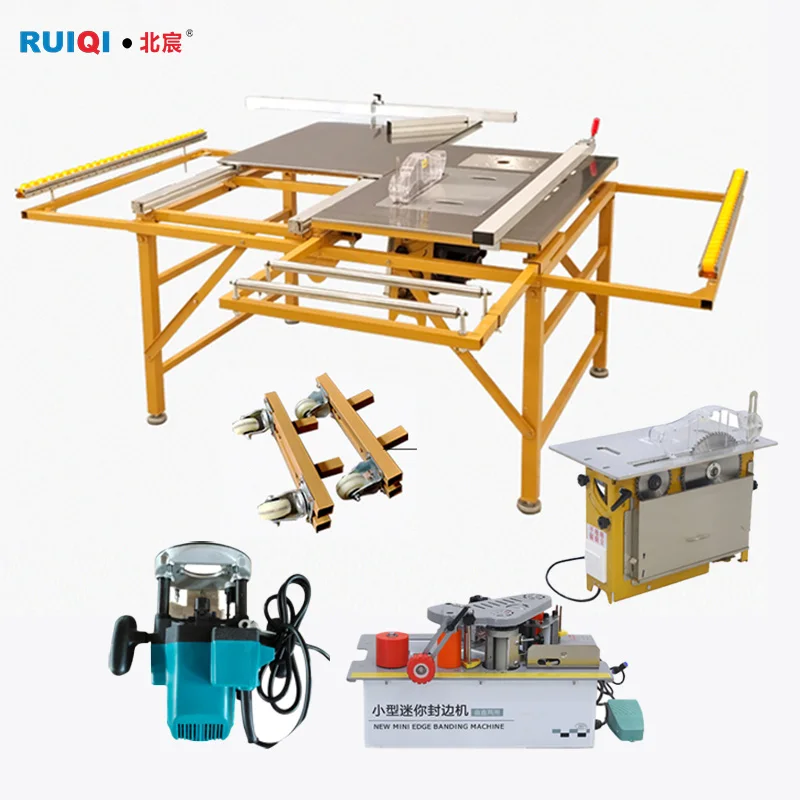
A: The PRO variant adds a compact edge banding unit handling 0.3–3mm banding on panels as small as 250 × 50mm. After cutting on the saw, operators move the panel directly to the banding station within the same foldable footprint. The 1000ml glue pot and 0.5–0.8 MPa air requirement support short production runs without a separate banding machine.
Q: Do you provide installation guidance after delivery?
A: Yes. We provide remote installation guidance covering unfolded setup, track alignment verification, and first-cut calibration. The PRO variant commissioning includes edge banding temperature and pressure adjustment for your specific banding material. Ongoing support covers troubleshooting and spare part identification through your machine documentation set.