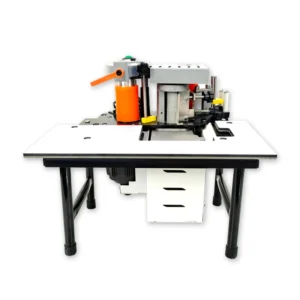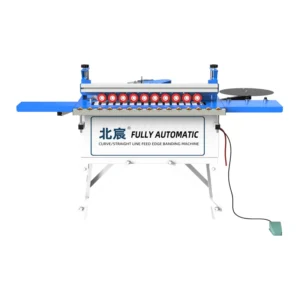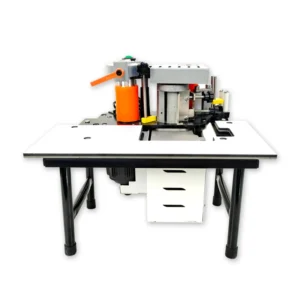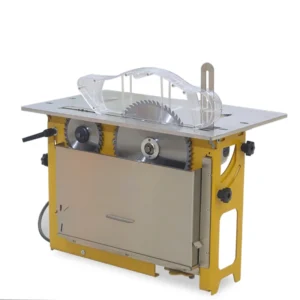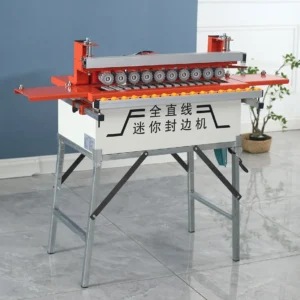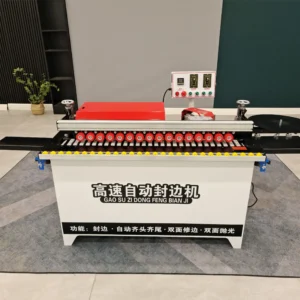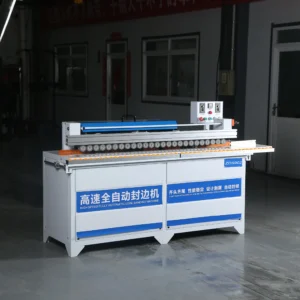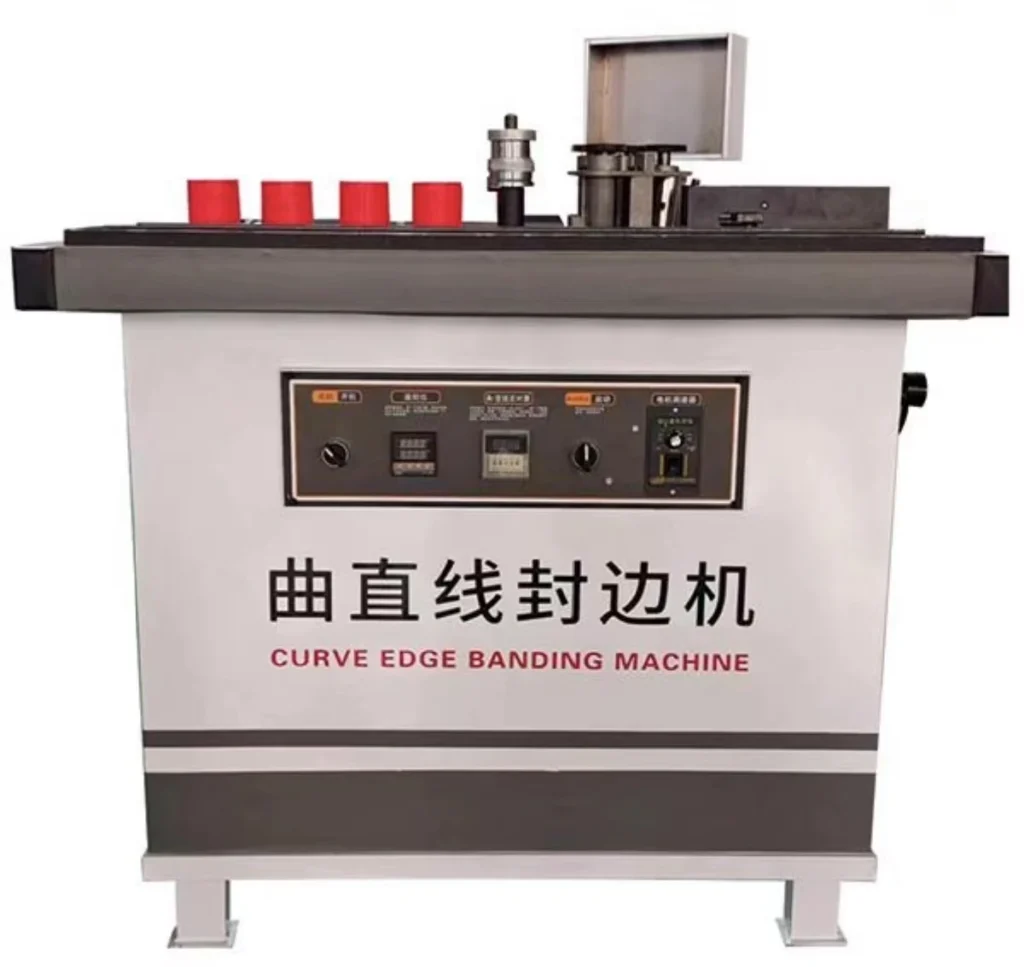
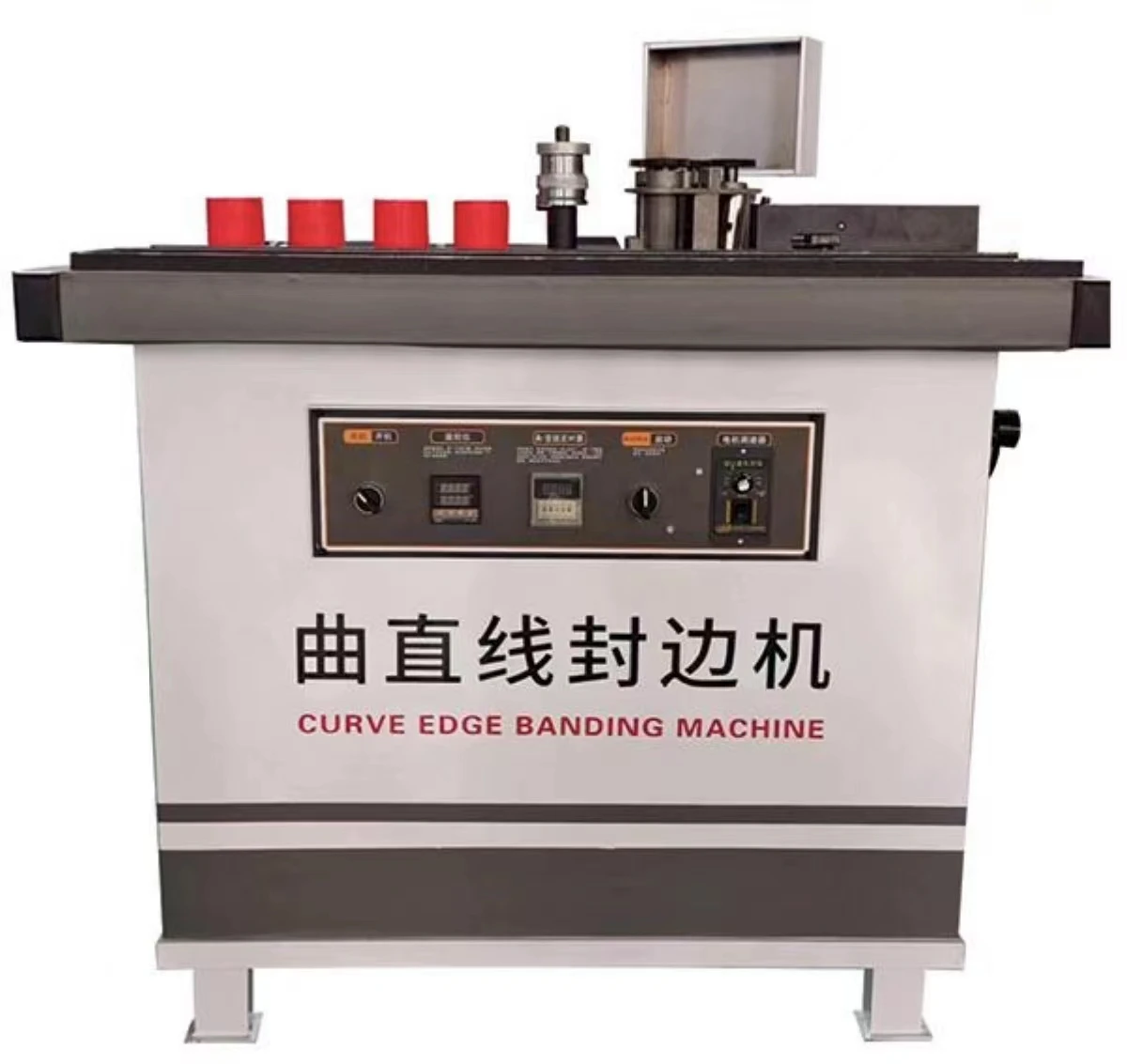
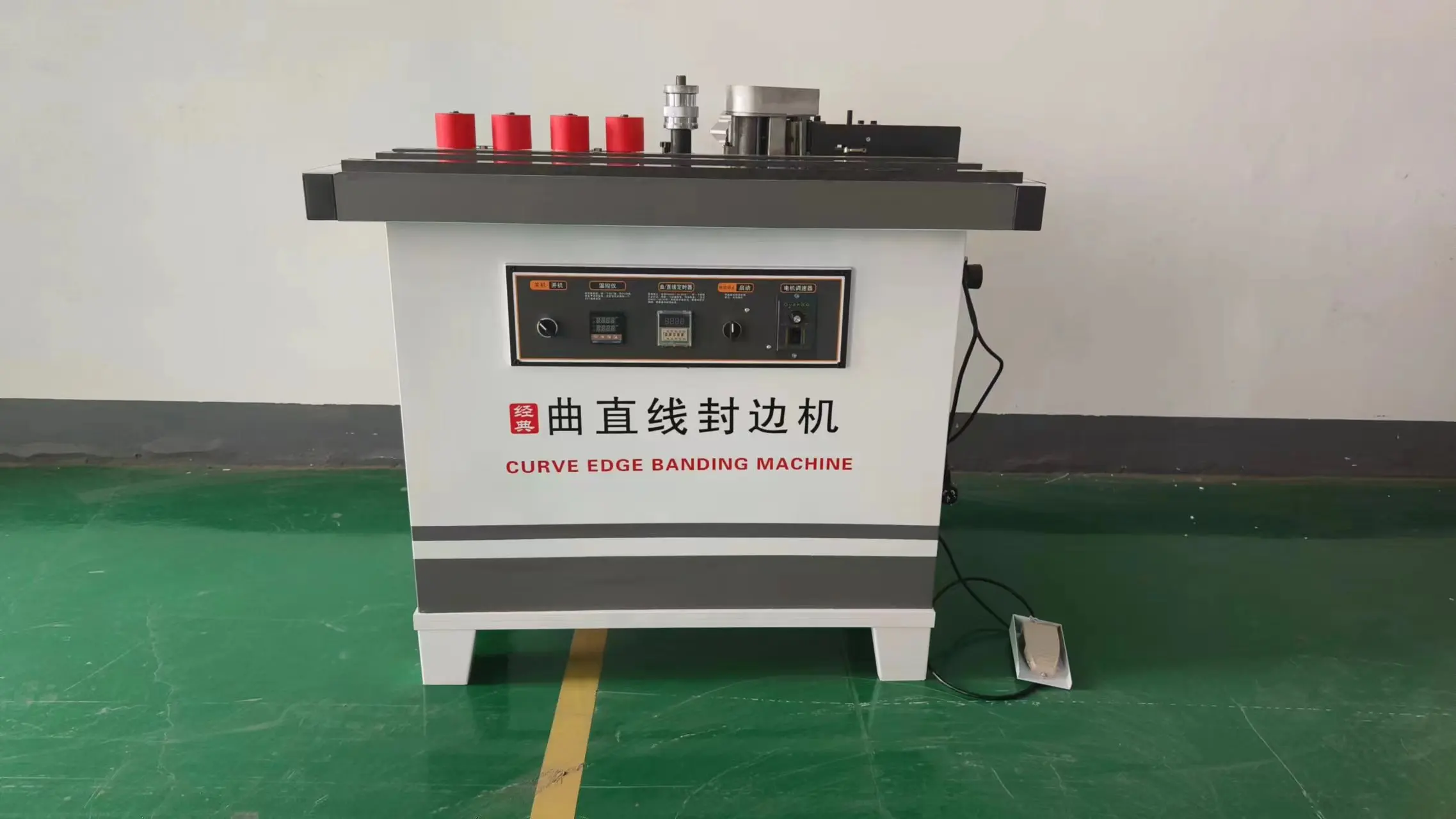
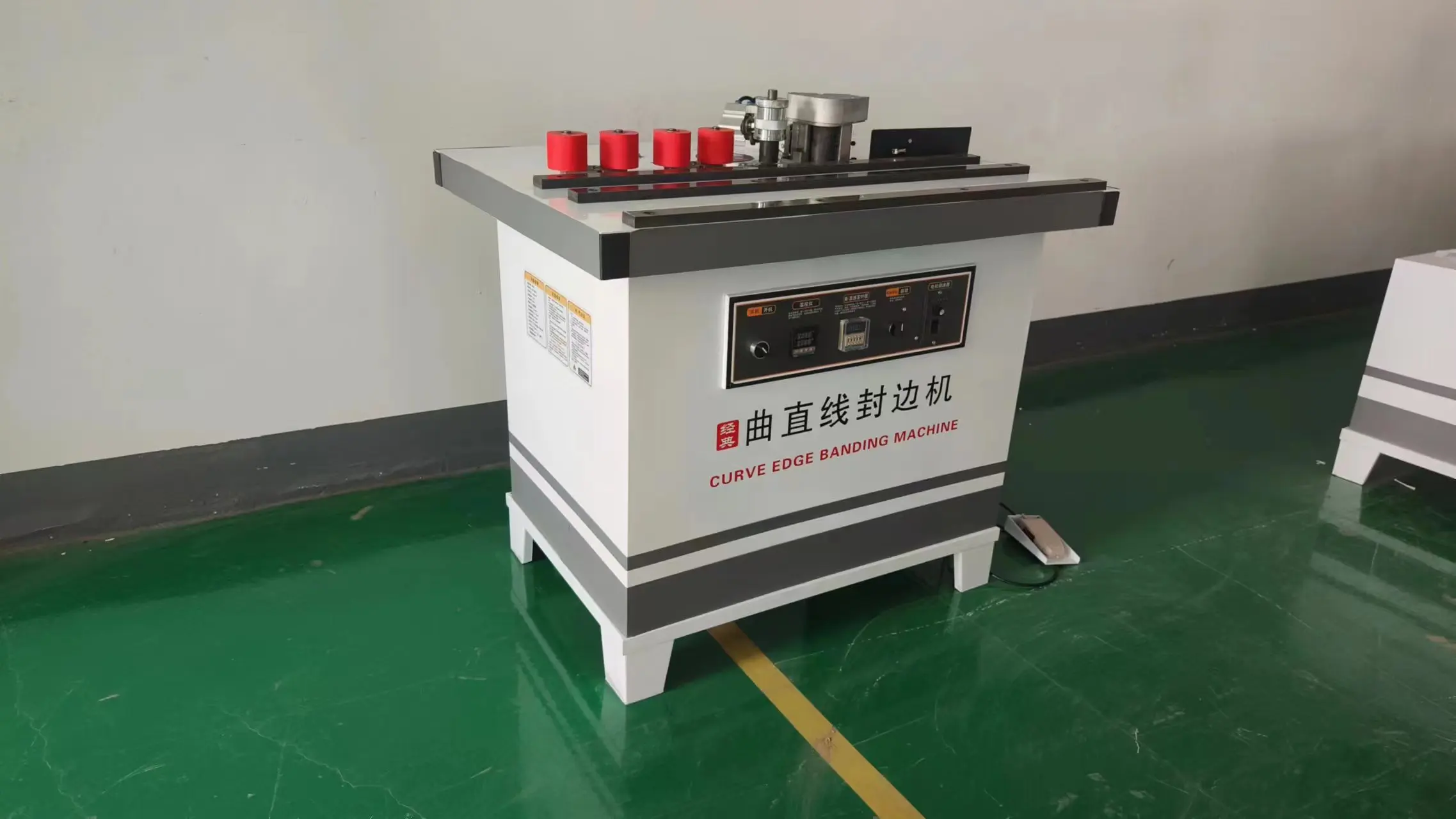
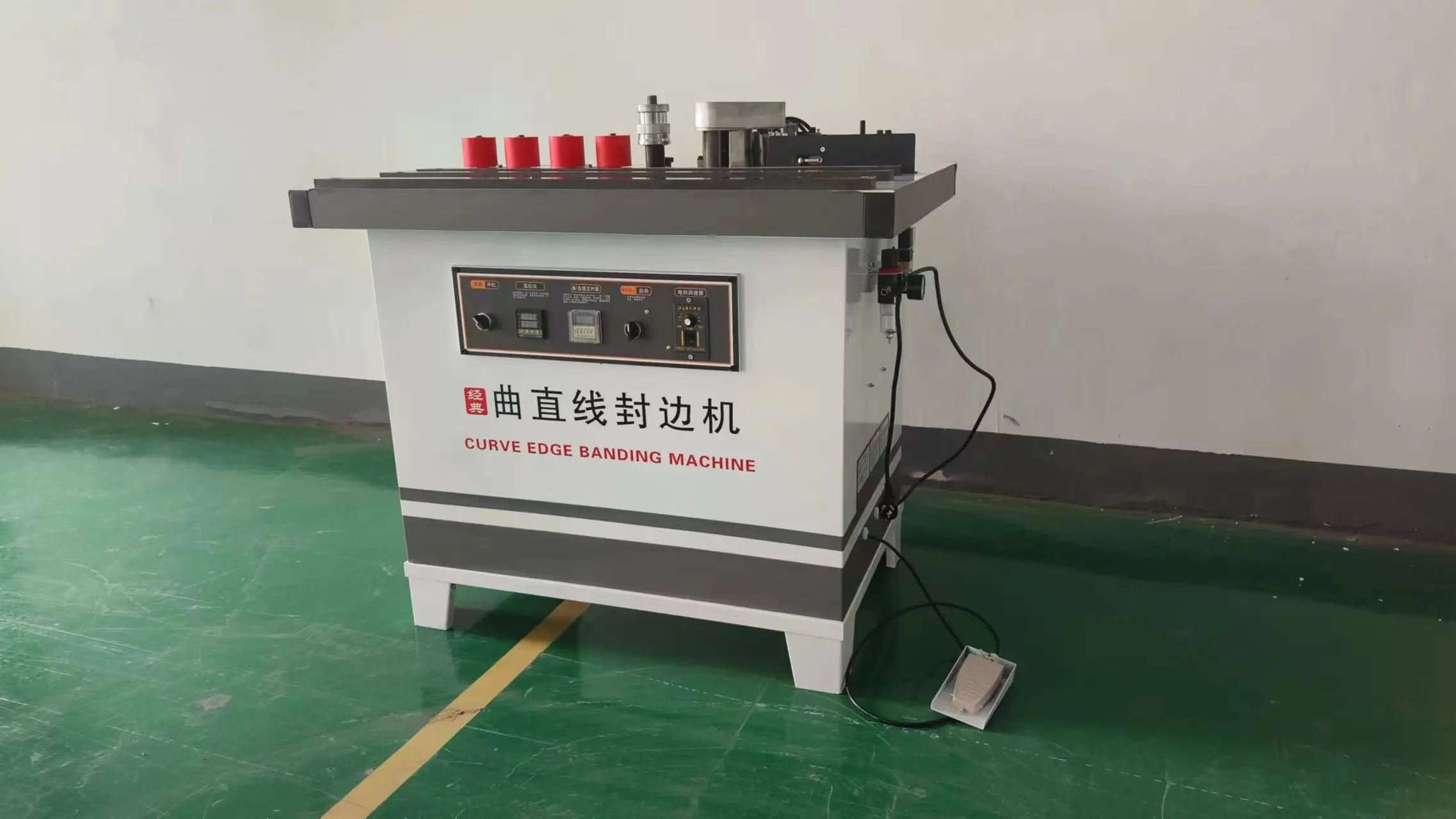
Description
In-Stock Dispatch — this 220V dual-purpose edge bander ships from ready stock with voltage confirmed before packing, avoiding the dead-on-arrival power mismatches that stall small workshops.
Technical Specifications
| Parameter | Value |
|---|---|
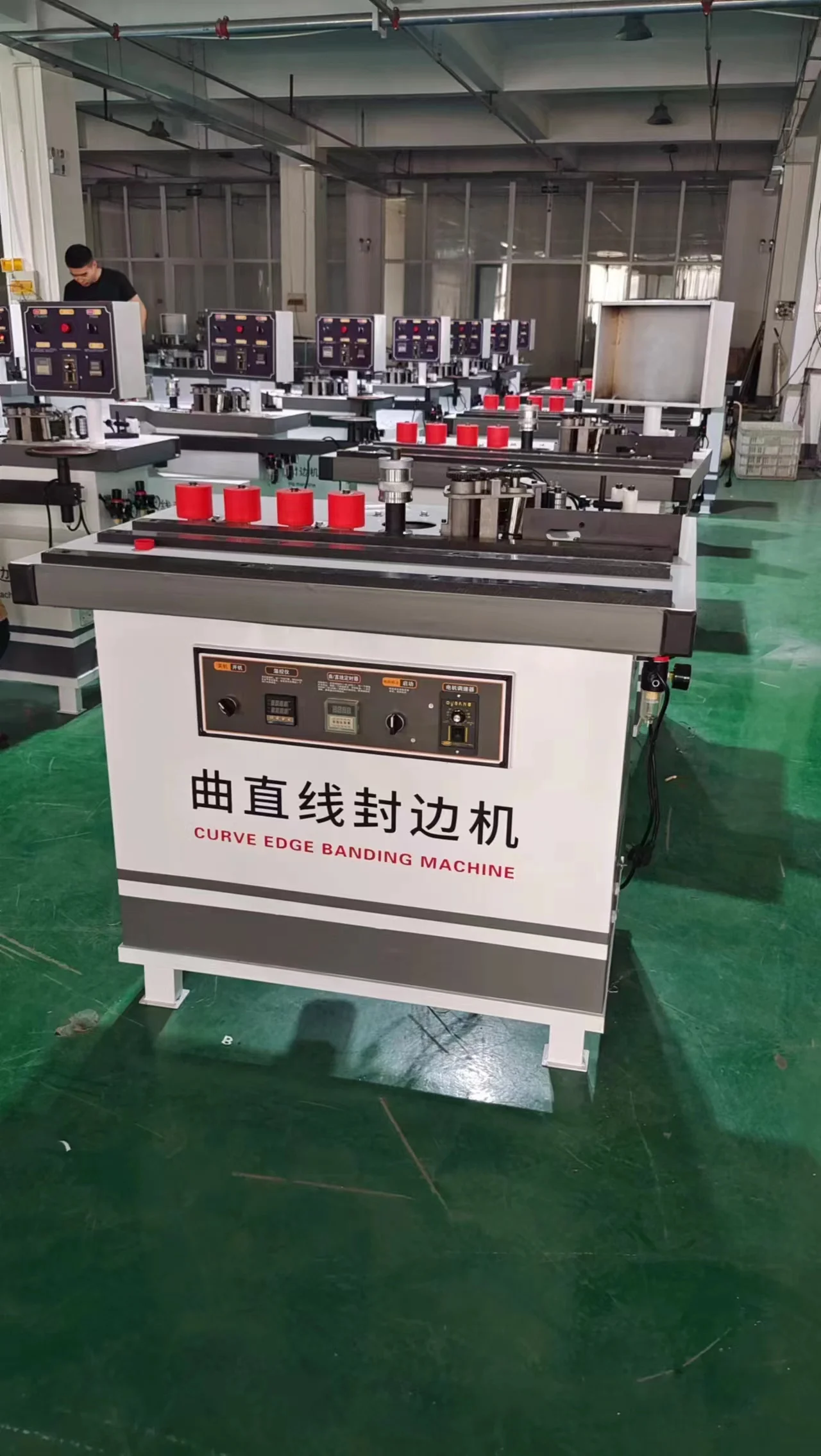
| Product Type | Manual Curved & Straight Edge Banding Machine |
| Model | ZDS702 |
| Rated Voltage | 220V |
| Rated Power | 1.4kW |
| Panel Thickness Range | 10–50mm |
| Rated Air Pressure | 0.6–0.8 MPa |
| Glue Pot Capacity | 2000ml |
| Edge Banding Type | Curved & Straight dual-purpose |
| Gluing Method | Double-sided gluing |
| Belt Breaking | Automatic |
| Molding Table | One-time molding table |
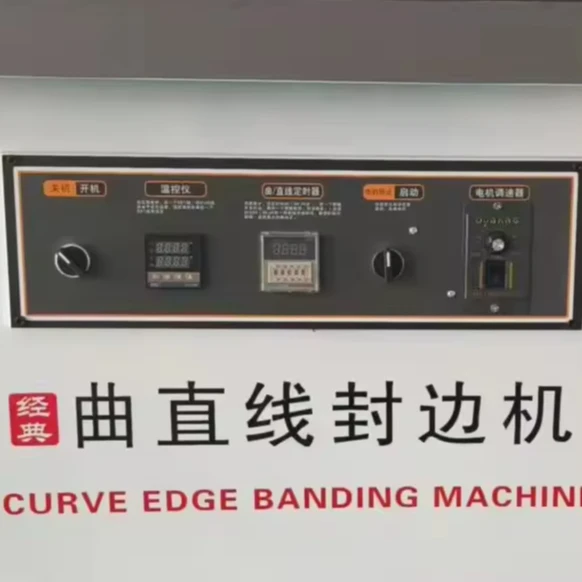
| Control System | Manual operation with time memory function |
| Compatible Materials | PVC, Wood Veneer, Melamine, Plastic |
| Overall Dimensions | 100 × 75 × 95 cm |
| Machine Weight | 120kg |
| Assembly State | Requires assembly (user manual and video provided) |
Application Suitability
| Application | Material or Output |
|---|---|
| Small joinery workshop edge finishing | MDF and particleboard panels with PVC or melamine edging |
| Custom cabinet curved door profiles | Plywood and MDF with wood veneer or plastic banding |
| Startup furniture shop transitioning from hand-applied edges | Standard 10–50mm thick board stock with PVC and melamine strips |
| Low-volume repair and rework station | Replacement edge banding on previously assembled cabinet components |
Why the Voltage Question Must Come Before You Place the Order
A 220V manual edge banding machine in stock means nothing if your workshop runs on a different supply standard.
I have watched a customer in Southeast Asia take delivery of a new edge bander, only to find the local grid ran 60 Hz while the machine was wound for 50 Hz. The motor overheated within an hour. Three weeks of downtime followed while the stator was rewound locally. Now I always verify voltage and frequency before any machine leaves the floor. When you are sourcing a manual edge banding machine in stock, the first specification to confirm is not the feed speed — it is whether 220V at the rated frequency matches the outlet on your wall. [NEED_CITE: voltage and frequency standards by export market]
Dispatch Timing Without the Guesswork
Ordering production equipment usually means a multi-week build cycle. For a small workshop that has just landed a cabinet contract and needs to start edging panels this month, that lead time is not acceptable. This ZDS702 sits in ready stock, meaning dispatch follows the confirmation steps rather than a production schedule. Once your voltage and language requirements are locked in, the machine can be packed and routed to your forwarder promptly. The emphasis here is on speed and simplicity — you need a manual edge banding machine in stock that arrives ready to commission, not a quotation that turns into a project.
Dual-Purpose Curved and Straight in One Footprint
Most entry-level edge banders handle only straight edges. When a custom cabinet job includes curved door panels or radiused shelving, the operator is left applying banding by hand or outsourcing the curved work. This machine handles both profiles on a single frame. The one-time molding table supports the workpiece, and the manual feed allows the operator to control pressure and speed on tight radii where an automated feed would stall or snap the banding. For a small shop producing mixed batches, eliminating a second machine saves floor space and capital [NEED_CITE: CE machinery directive requirements for manual woodworking equipment].
Reading the Specs That Actually Matter on the Shop Floor
The 1.4kW motor rating is modest, which is correct for a manually fed machine where the operator — not a feed chain — controls the workpiece advance. Higher power would not increase throughput here; it would increase the risk of pulling the panel from the operator’s hands. The 0.6–0.8 MPa air pressure requirement drives the automatic belt-breaking mechanism, which snips the banding strip at the end of each pass without manual cutting, keeping material waste low across a batch. The 2000ml glue pot provides enough adhesive volume for continuous small-batch runs without constant refilling, and the double-sided gluing method coats both the panel edge and the back of the banding strip simultaneously for consistent adhesion on PVC, veneer, and melamine materials. The 10–50mm panel thickness range covers standard MDF, particleboard, and plywood stock used in cabinet and furniture work.
The Hidden Cost of Skipping Pre-Dispatch Verification
I once saw a workshop receive a machine with the control panel labeled entirely in a language none of the operators could read. Commissioning stalled for days while a local translator rewrote the button functions. The machine was technically sound, but the shop lost a week of production on a job that had a tight deadline. The same risk applies to spare parts: if the glue roller, trimming blade, or pressure shoe are not identified in a parts list at the order stage, a single worn component can idle the machine while you figure out what to source locally. These are not manufacturing defects — they are specification gaps that surface only after the crate is open [NEED_CITE: typical causes of commissioning delays for imported woodworking machinery].
Why Source This Machine Through This Channel
Ready-stock availability means your order enters the packing queue, not a production schedule, so a single-unit purchase does not sit behind larger batch orders. Voltage confirmation is completed before the machine is crated, matching the 220V rating to your local supply and avoiding the rewind-or-return scenario. The ZDS702 is part of a broader edge banding range, so if your volume grows past what a manual feed can handle, the next model up in the family is available from the same supplier without re-qualifying a new vendor. A factory test video running your specified banding material on your panel thickness range is available before dispatch, giving you visual confirmation that the glue line and trim quality meet your standard. The operation manual and control markings are confirmed in your operator’s language at order stage, so commissioning starts when the machine is uncrated, not when someone finishes translating the labels.
Documentation & Verification
- Factory test record showing edge banding on your specified panel thickness and material before dispatch
- Voltage and frequency confirmation sheet matched to your local electrical supply
- Operation and maintenance manual delivered in the agreed operator language
- Spare parts list with part numbers for glue roller, trimming blade, and pressure shoe
- Electrical schematic with wiring diagram for the 1.4kW motor circuit
- Packing photographs documenting machine condition and crate contents before handover to carrier
Installation, Commissioning & Support
- The 120kg weight and 100 × 75 × 95 cm footprint allow two people to position the machine without a forklift.
- A dedicated 220V circuit with appropriate breaker rating is required — confirm before the machine arrives.
- Assembly is required on arrival; the provided manual and video guide the process step by step.
- Compressed air supply at 0.6–0.8 MPa must be connected before the automatic belt-breaking function can operate.
- First-run calibration of the 2000ml glue pot temperature should match the banding material being used.
- Request the spare parts list at order stage to keep consumable glue rollers and trimming blades on hand.
Before You Request a Quote
Send your panel material type and thickness range, the edge banding material you plan to run most often, and your local voltage and frequency so the correct configuration is confirmed before dispatch. If you have a specific cabinet component with curved profiles, share the minimum radius so we can verify the machine will handle it cleanly.
Frequently Asked Questions
Q: Is this machine in stock and what is the dispatch lead time for a single unit?
A: Yes, the ZDS702 is held in ready stock and single-unit orders are fulfilled from inventory. Once your voltage, frequency, and language requirements are confirmed, the machine enters the packing and testing queue. Dispatch follows completion of the pre-shipment test rather than a production build cycle, so lead time is measured in days rather than weeks.
Q: Does the 220V rating match my local power supply, and can a different voltage be arranged?
A: The rated voltage is 220V. Before dispatch, we confirm your local supply voltage and frequency to ensure compatibility. If your grid operates at a different voltage or frequency, this must be identified at the order stage so the correct motor winding and transformer configuration can be arranged, avoiding the dead-on-arrival scenario that stalls commissioning.
Q: What edge banding materials and panel thicknesses can this machine handle?
A: The machine processes PVC, wood veneer, melamine, and plastic banding strips on panels from 10mm to 50mm thick. This range covers standard MDF, particleboard, and plywood stock used in cabinet and furniture production. The double-sided gluing method and 2000ml glue pot support continuous runs across these material types.
Q: How is the machine shipped, and what assembly is required on arrival?
A: The machine ships partially disassembled at 120kg overall weight. Assembly is required on site, and a user manual and video guide are provided. You will need a 220V power supply and compressed air at 0.6–0.8 MPa connected before first operation. The compact 100 × 75 × 95 cm footprint allows positioning without heavy lifting equipment.
Q: What spare parts and consumables should I order with the machine to avoid downtime?
A: Request the spare parts list at the order stage. Key consumables include the glue roller, trimming blades, and pressure shoes. Ordering these with the machine ensures you have replacements on hand rather than waiting to identify and source compatible parts locally after the machine is already in production.