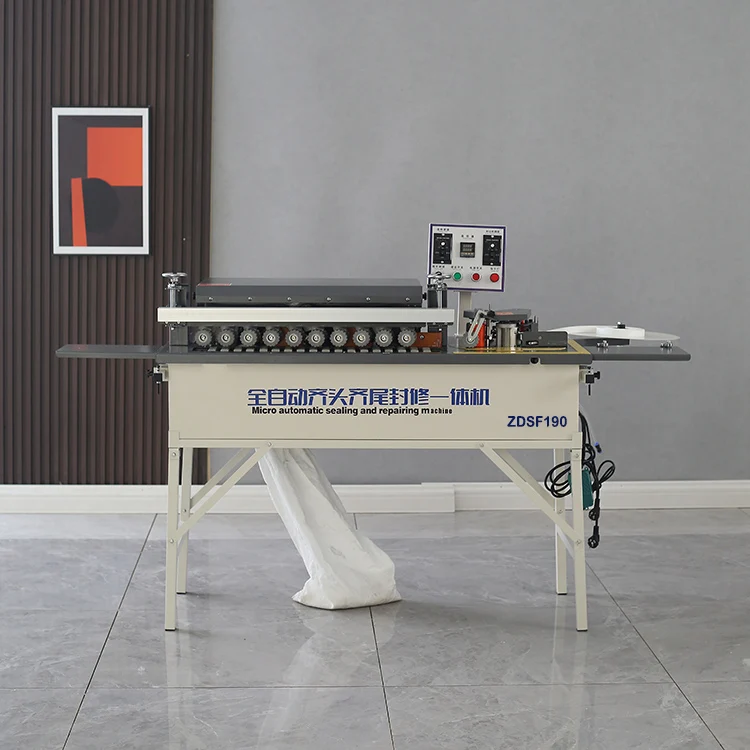
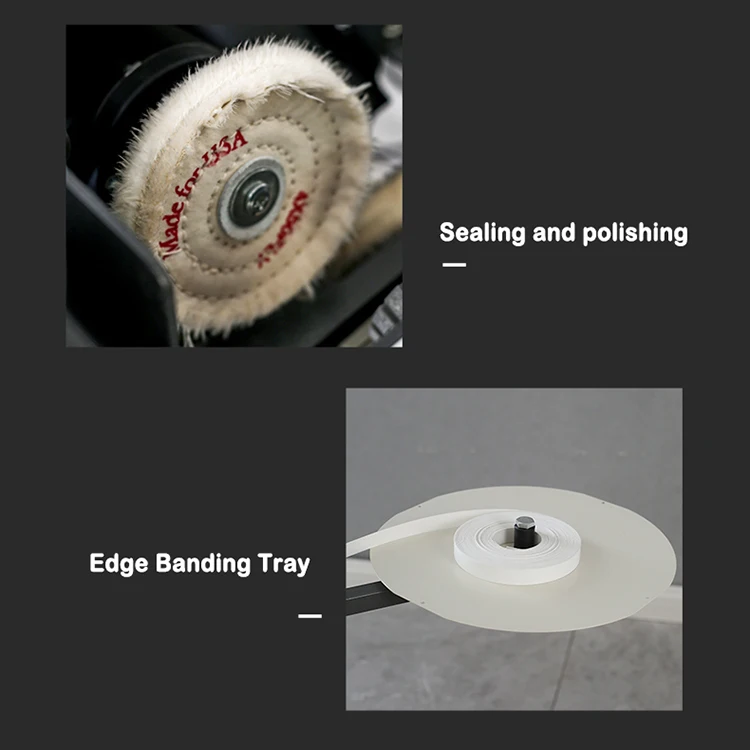
Description
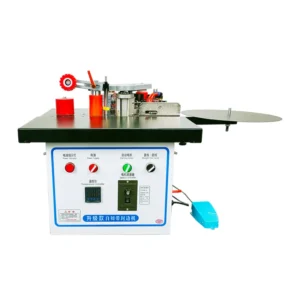
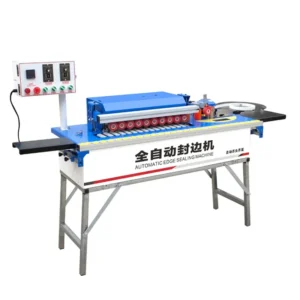
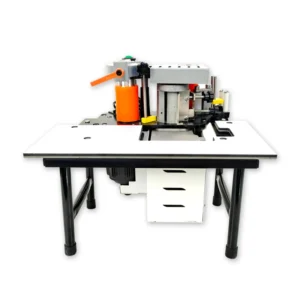
Fast Dispatch Guarantee — voltage and frequency verified against your workshop grid before this edge banding machine leaves the factory, preventing on-site electrical surprises.
Technical Specifications
| Parameter | Value |
|---|---|
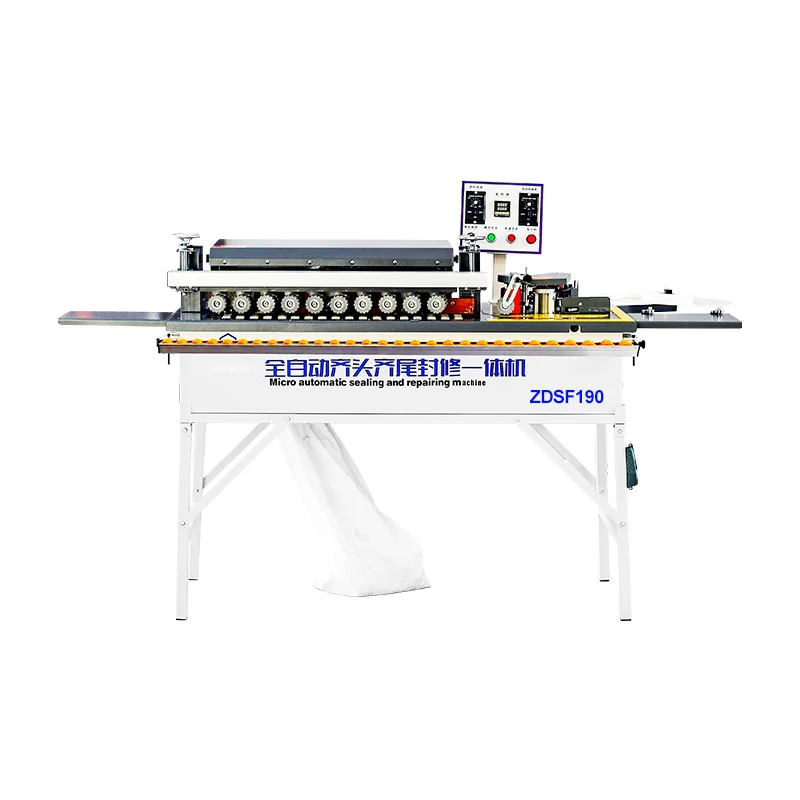
| Product Type | Edge Banding Machine |
| Type | Gluing, Rough Trimming, Scraping |
| Feed Speed | 14 m/min |
| Voltage & Frequency | 220V / 50Hz |
| Rated Power | 4 kW |
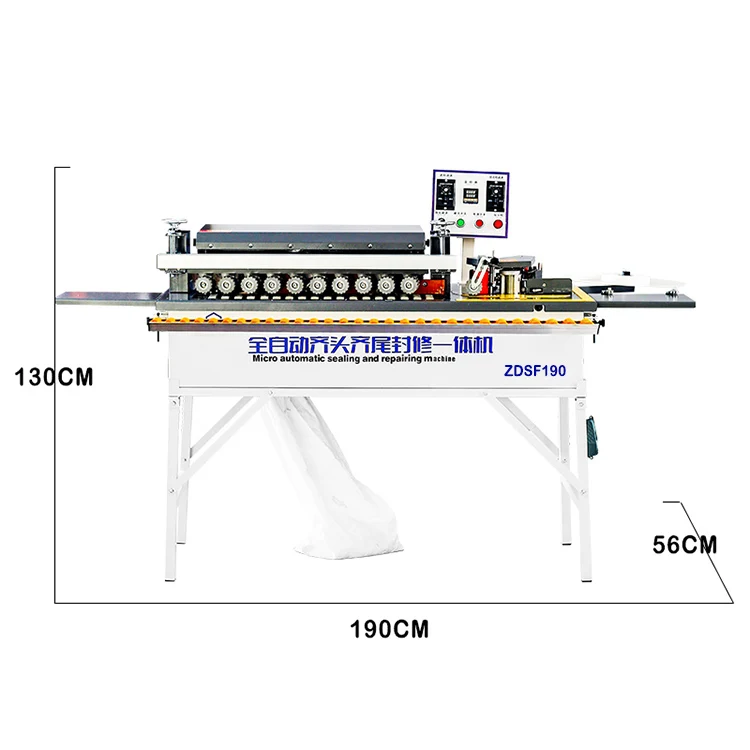
| Overall Dimensions (L×W×H) | 1900 × 560 × 1300 mm |
| Net Weight | 120 kg |
| Widening and Extension | 300 mm |
| Total Height | 1220 mm |
| Host Height | 630 mm |
| Belt Feeding Motor | 25 W |
| Plate Feeding Motor | 60 W |
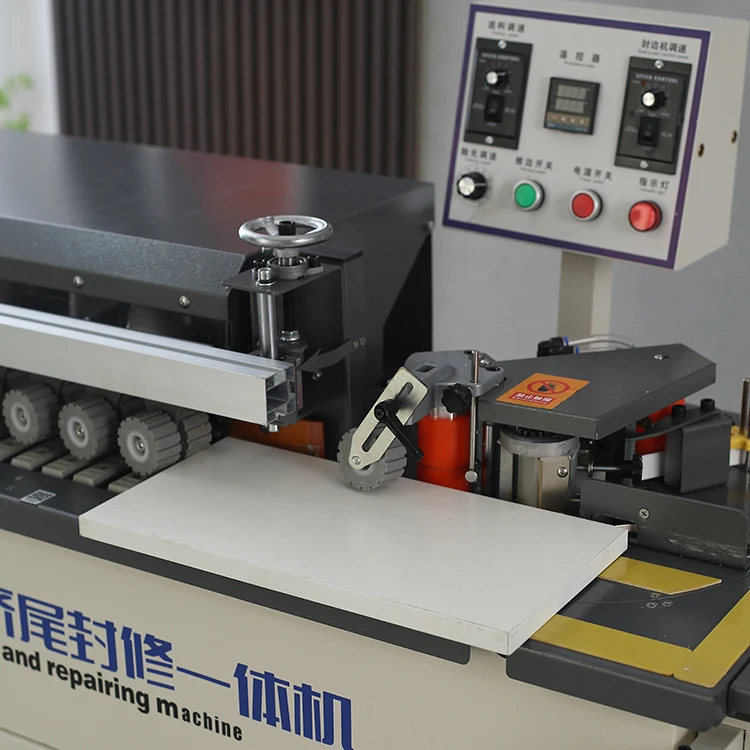
| Trimming Motor | 800 W × 2 |
| Trimming Stations | Rough Trimming, Scraping |
| Key Features | Video Outgoing-Inspection Provided, Partial Assembly Required |
| Warranty | One year on machine and core components |
Application Suitability
| Application | Material or Output |
|---|---|
| Plywood edge finishing | Plywood panels with PVC or veneer edge banding |
| Small furniture workshop production | MDF and particleboard cabinet components |
| Joinery startup mechanisation | Transitioning from manual edge banding to automated feed |
| Single-unit panel processing | Compact batch runs in constrained workshop layouts |
Why the Voltage Question Must Come Before the Dispatch Date
A machine that cannot power on is not a delivery — it is a delay.
Years ago I watched a container arrive at a Middle East port carrying an edge bander wired for a voltage the buyer’s workshop did not supply. Three weeks of electrician visits, transformer sourcing, and idle operators followed before the first panel ran through the feed. The specification sheet had been correct; the confirmation conversation had not happened. That gap between a correct spec and a confirmed spec is where production schedules break. [NEED_CITE: voltage and frequency standards by export market]
This in stock edge banding machine ships at 220V / 50Hz as standard. If your workshop runs on a different supply — 110V / 60Hz in parts of the Americas, 380V three-phase in many industrial zones — the configuration must be agreed and documented before the crate is sealed. We treat electrical confirmation as a prerequisite to dispatch, not an afterthought to the invoice.
Ready to Ship Without the Usual Lead Time
Ordering an edge banding machine from a factory catalogue usually means a production queue. This model sits in stock, meaning the dispatch timeline is measured in days of packing and documentation rather than weeks of assembly. For a workshop that has just won a cabinet contract or needs to replace a machine that failed mid-job, that difference matters. The Edge Banding Machine in stock listing reflects physical availability, not a projected build slot.
Compact Footprint for Workshops That Cannot Spare Floor Space
At 1900 × 560 mm, this machine fits against a wall in workshops where larger automated lines would demand a floor plan redesign. The 1220 mm total height clears standard roller shutter doors. For joinery startups and small cabinet makers, the machine arrives as a single footprint that does not require structural modification to install. [NEED_CITE: CE machinery directive requirements for workshop equipment clearance]
Reading the Numbers That Actually Affect Your Panels
The 14 m/min feed speed is calibrated for steady single-operator production — fast enough to process a batch of cabinet sides in a morning session, slow enough that the operator can inspect glue spread and trim quality at the exit end without stopping the feed. The dual 800 W trimming motors handle rough trimming and scraping in one pass, which means the panel exits with the edge band flush to the substrate on both faces. The 4 kW rated power keeps the machine within single-phase 220V supply limits, avoiding the need for a dedicated three-phase circuit that many small workshops do not have. Host height at 630 mm positions the feed table at a comfortable working position for loading panels without a lift table.
What Happens When Configuration Is Skipped
I have seen edge banders of this class arrive at workshops where the operator could not read the control panel language, the plug did not match the socket, and the manual described a different voltage configuration than the one wired into the machine. Each of these is a small oversight in the sales process and a multi-day standstill on the workshop floor. Panels pile up un-banded, downstream assembly waits, and the customer blames the machine rather than the missing confirmation step. The cost is never just the transformer. [NEED_CITE: common causes of commissioning delays in imported woodworking machinery]
Why Source This Machine Through This Channel
Pre-shipment video inspection is recorded on your specific machine before the crate closes, so you see the feed running, the trimming motors engaged, and the edge quality on a test panel. Voltage and frequency are confirmed in writing against your workshop supply before production or dispatch is scheduled. The operation and maintenance manual is supplied in the language your operator reads, not a default translation. Spare parts lists ship inside the crate so replacements can be sourced locally or reordered without a second round of specification matching. Single-unit orders are accepted without minimum order negotiation, which suits workshops validating a process before committing to a full line.
Documentation & Verification
- Voltage and frequency confirmation sheet matched to your workshop supply
- Pre-shipment video recording of your specific machine under test
- Operation manual translated to your operator’s working language
- Spare parts list with part numbers for local sourcing or reorder
- Electrical schematic showing wiring configuration as shipped
- One-year warranty certificate covering core components
Installation, Commissioning & Support
- 1900 × 560 mm footprint requires a level concrete floor with standard workshop clearance
- 220V / 50Hz single-phase supply with a dedicated 20A circuit breaker recommended
- Partial assembly required on arrival with KD-packed components and guided video support
- First-run parameter setting for glue temperature, feed speed, and trim depth included in manual
- Trimming motor brushes and feed belt tension listed as routine inspection items at scheduled intervals
What We Need to Confirm Your Order
To match this Edge Banding Machine in stock to your workshop, we need your local voltage and frequency, the panel materials and thickness range you process most often, and the language your operators read on a control screen. If you have upstream saws or downstream boring machines already in place, share their feed heights and throughput so we can confirm this unit fits the line without bottlenecks.
Frequently Asked Questions
Q: Is this edge banding machine in stock and what is the dispatch lead time?
A: This model is held in ready stock, so dispatch is measured in packing and documentation days rather than production weeks. Once voltage confirmation and shipping details are agreed, the machine moves to crating. Single-unit orders are fulfilled from the same stock without minimum quantity requirements.
Q: Can voltage and frequency be confirmed for my country before shipping?
A: Yes. Before dispatch, we confirm your workshop supply — voltage, frequency, and phase — in writing. The machine is configured or verified against that specification so it powers on and runs upon arrival. This step is treated as mandatory, not optional.
Q: What panel thickness range and edge banding materials does this machine accept?
A: The machine handles plywood, MDF, and particleboard panels within its feed height range. Compatible edge banding includes PVC and veneer strips. For specific thickness limits and banding width capacity, we confirm against your panel samples before finalising the order.
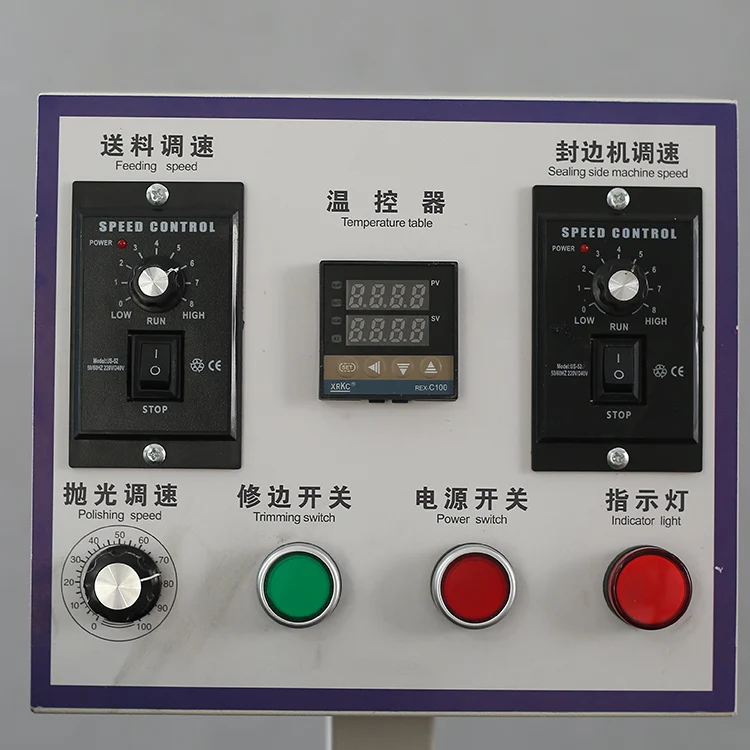
Q: Is the control panel and manual available in my operator’s language?
A: The operation and maintenance manual is supplied in your agreed language. Control panel labelling and screen language are confirmed during the specification stage so operators can read settings and fault codes without translation barriers during commissioning.
Q: What spare parts are included and how are replacements sourced after delivery?
A: A spare parts list with part numbers ships inside the crate. Consumables such as trimming motor brushes and feed belt sections are identified for local sourcing or direct reorder. The one-year warranty covers core components including bearings, motors, and the PLC unit.