Description
Dispatch-Ready Inventory — Every portable edge banding machine in stock is voltage-verified against your destination grid before it leaves the floor, eliminating the three-week rewiring delays that stall commissioning.
Technical Specifications
| Parameter | Value |
|---|---|
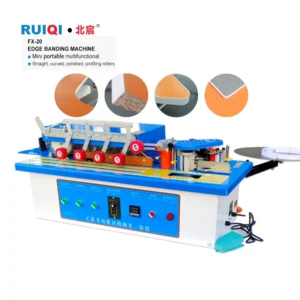
| Product Type | Portable Curved and Straight Edge Banding Machine |
| Heating Power | 1.2 kW |
| Total Power | 3 kW |
| Transport Power | 180 W |
| Edge Banding Speed | 0–26 cm/s |
| Feeding Speed | 0–15 m/min |
| Edge Banding Thickness | 0.3–3 mm |
| Panel Thickness Range | 8–50 mm |
| Overall Dimensions (L×W×H) | 1200×450×750 mm |
| Net Weight | 85 kg |
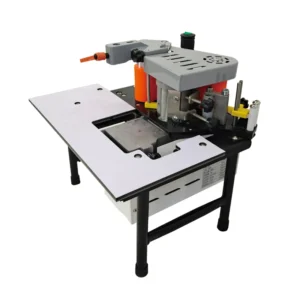
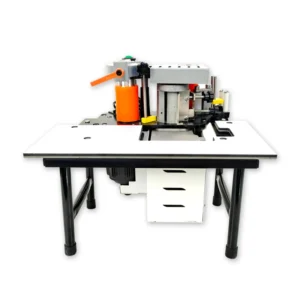
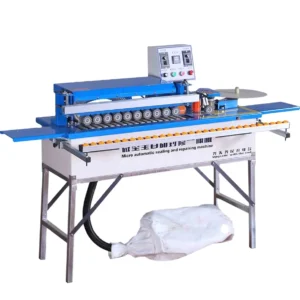
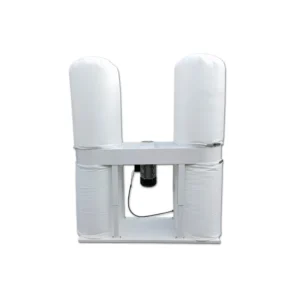
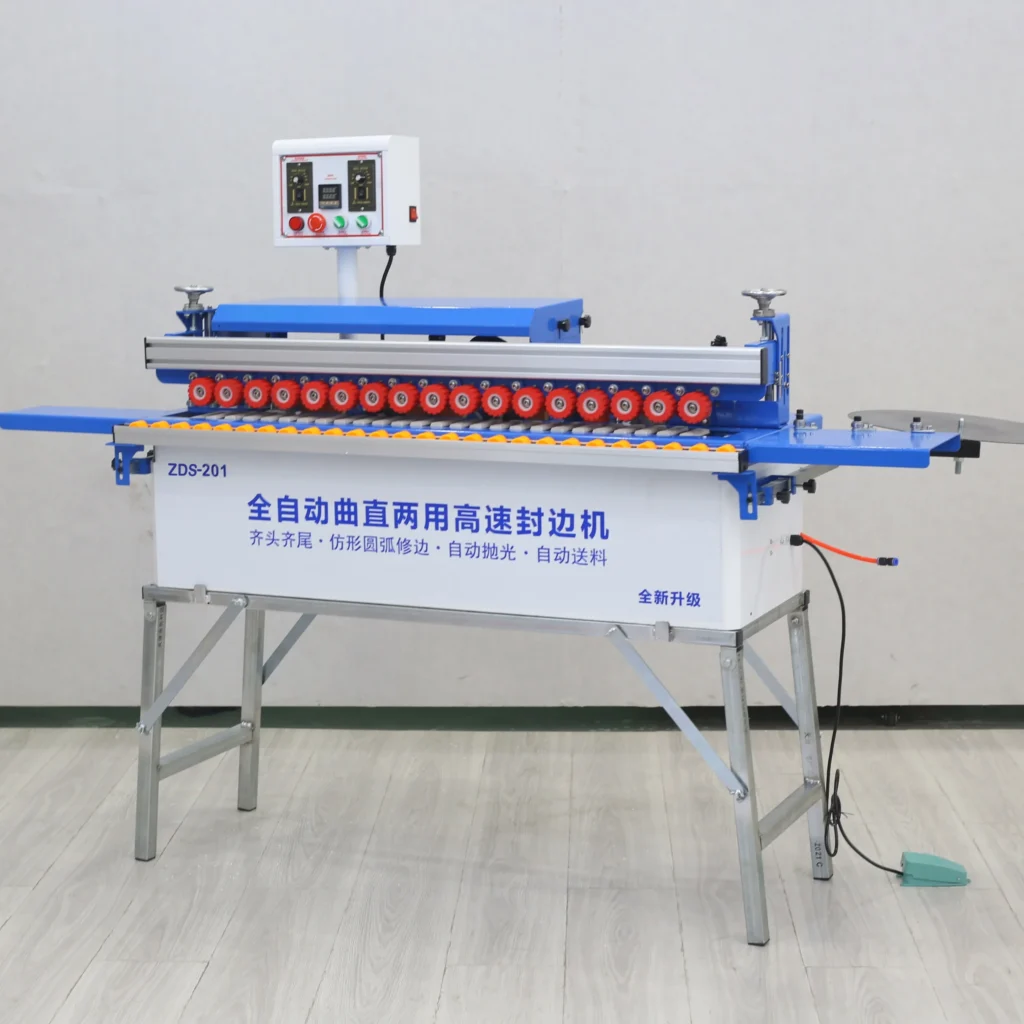
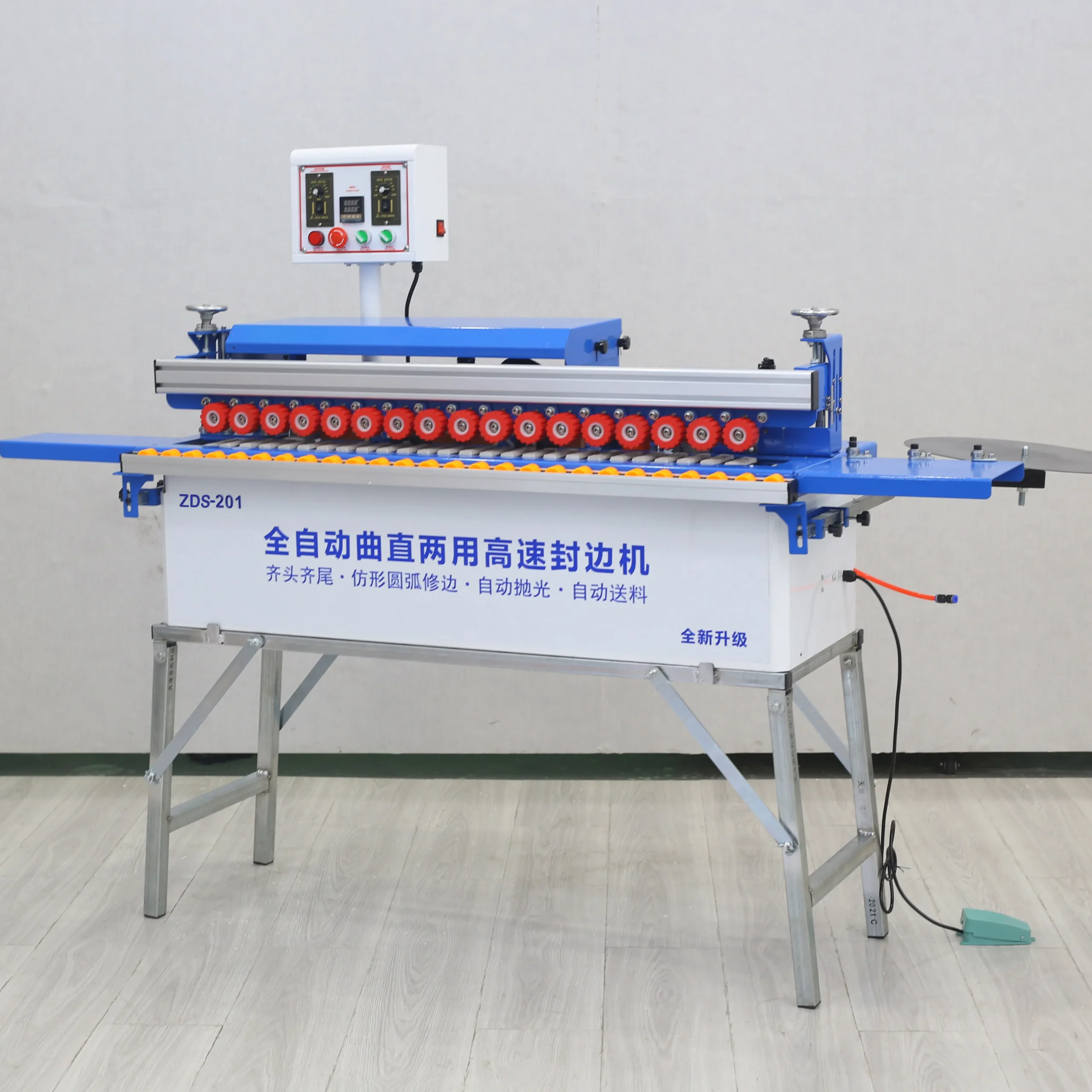
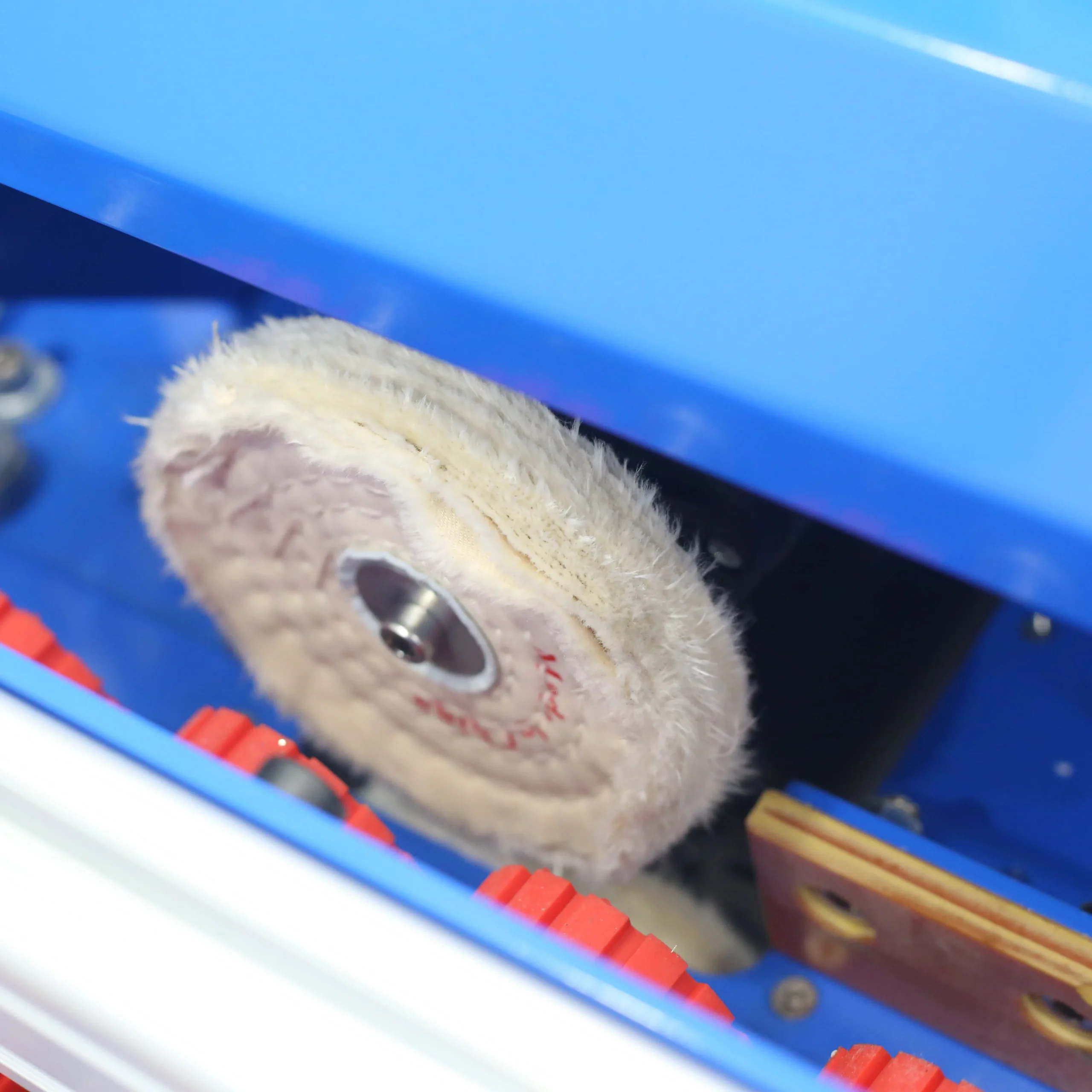
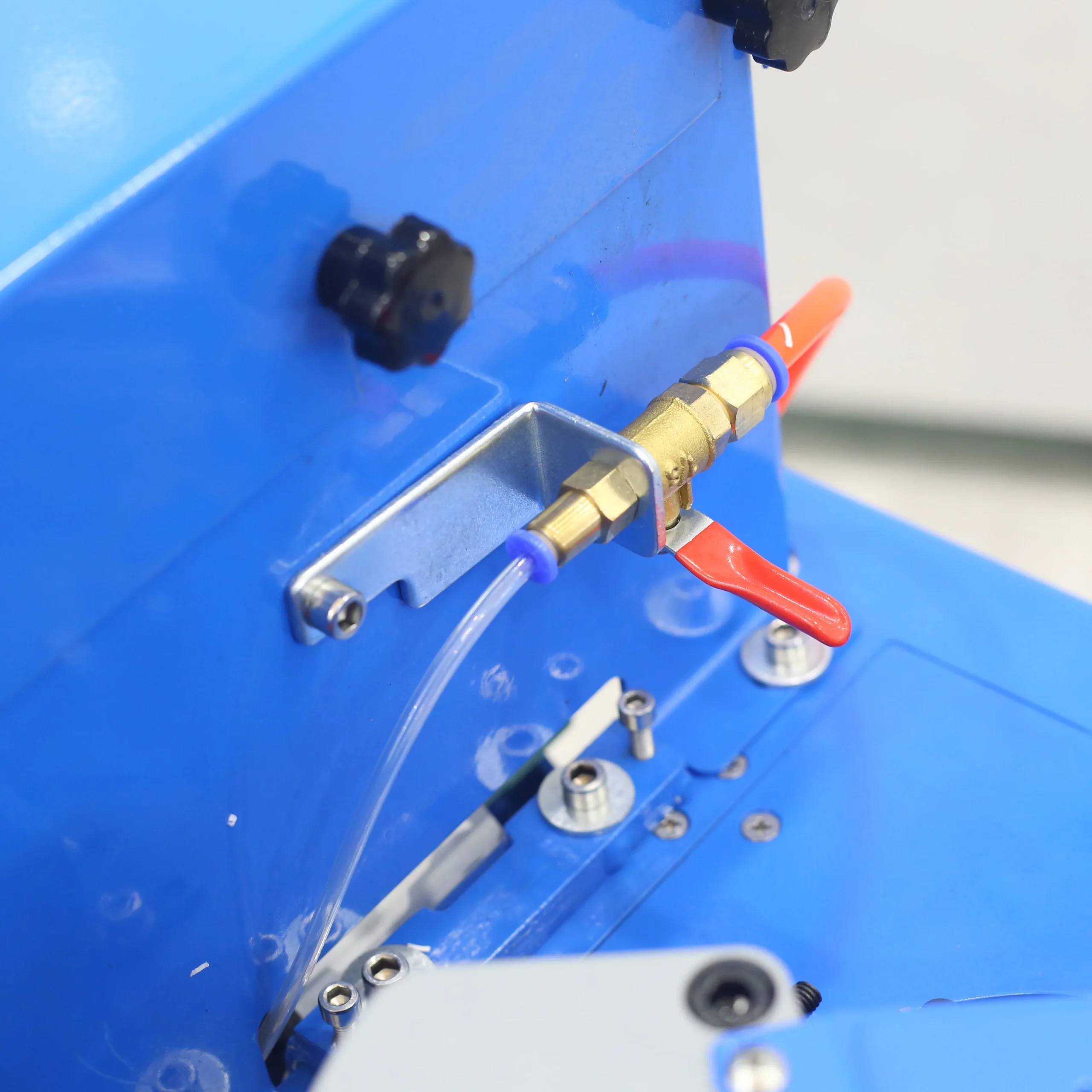
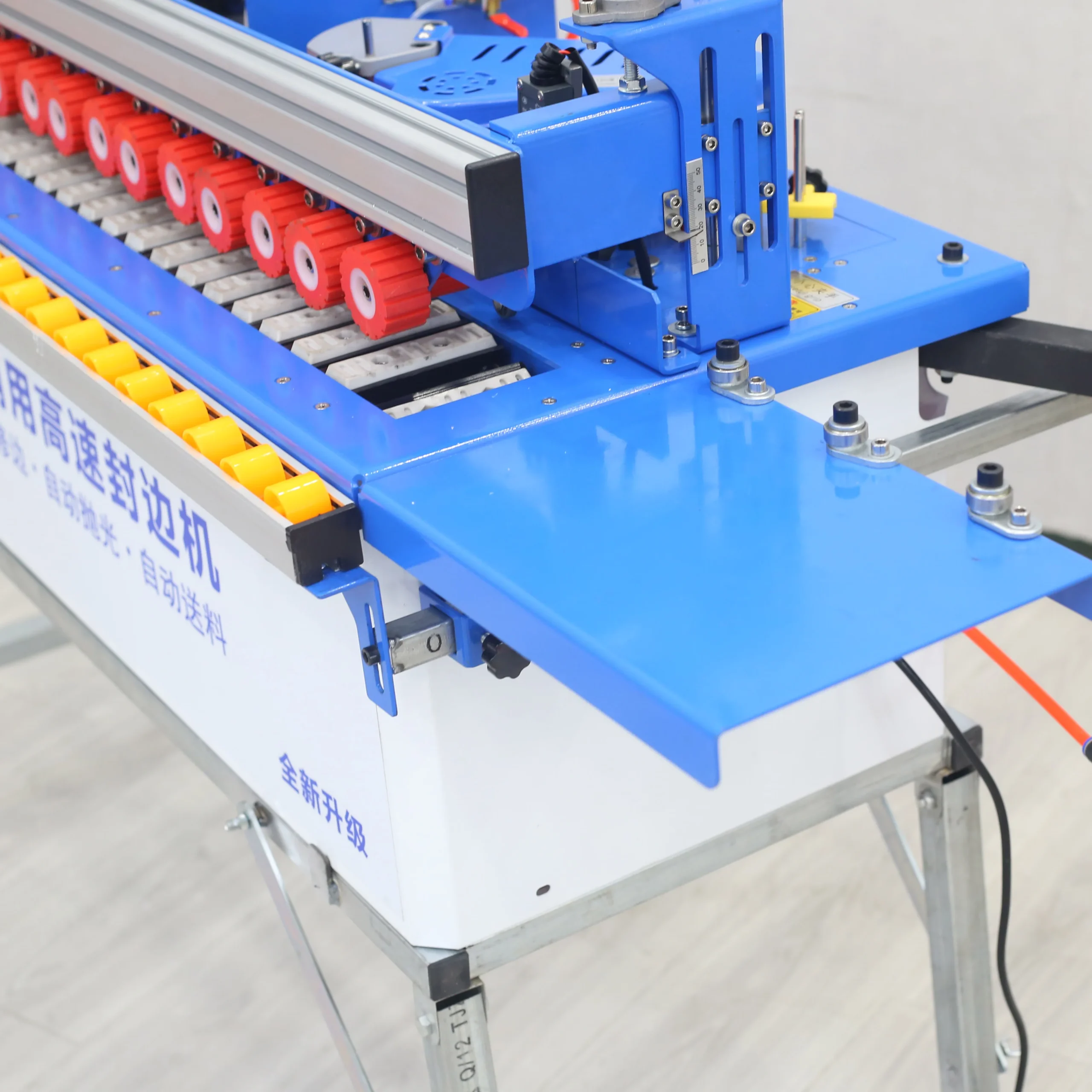
| Key Features | Automatic Trimming and Buffing, Pneumatically Controlled Edge Strip Cutting, Dual Large Diameter Dust Collectors, 180° Straight/Curved Rotation |
| Control Interface | Multi-function button operation |
| Pressure Beam | Adjustable aluminum alloy |
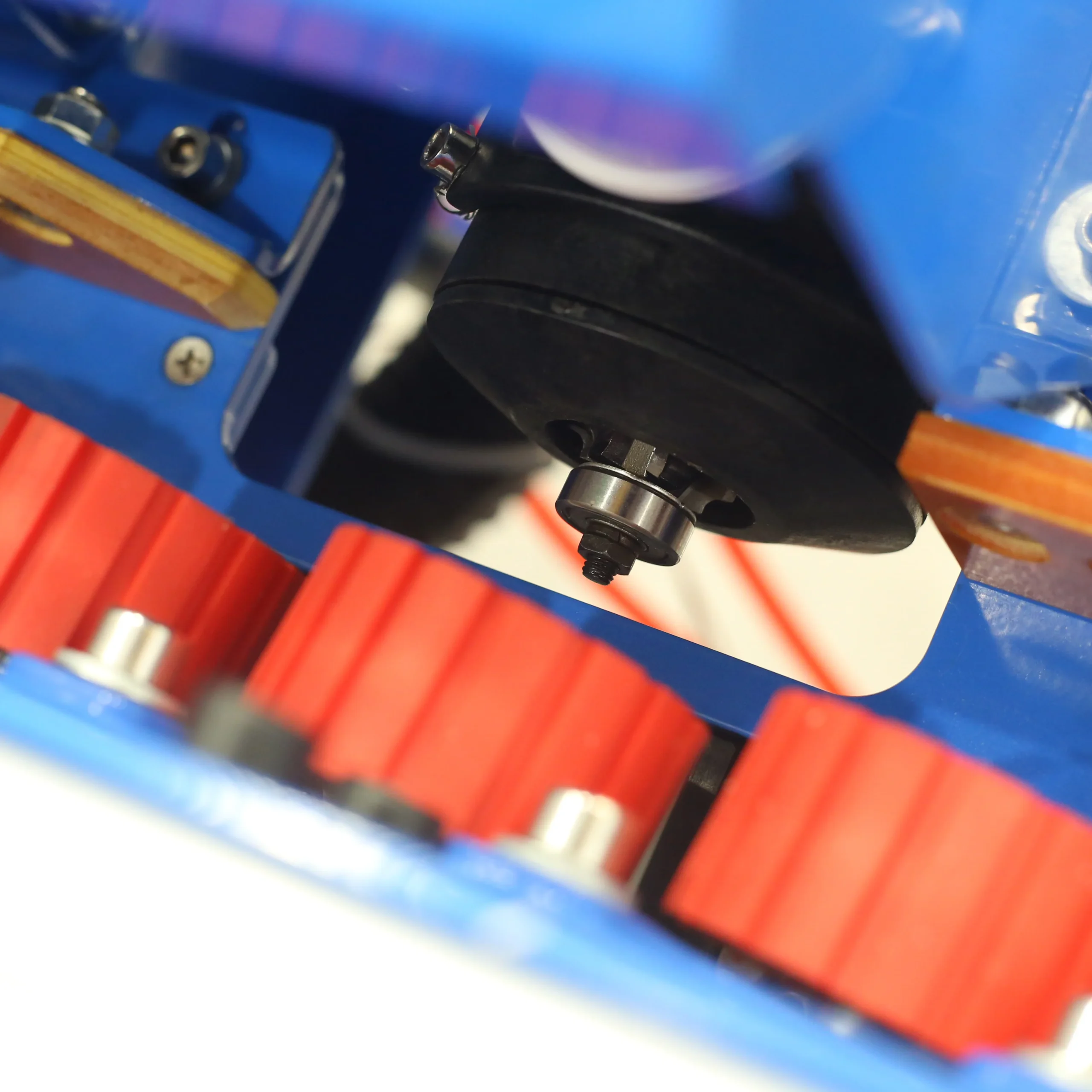
| Trimming Cutter | 4-edge arc-shaped alloy cutter head |
| Crawler Transmission | Steel rod slide rails |
| Standards | CE, ISO 9001 |
Application Suitability
| Application | Material or Output |
|---|---|
| Small workshop cabinet door edging | MDF and plywood panels with 0.4–1 mm PVC strips |
| Custom furniture curved profile finishing | Particleboard and solid wood panels with veneer banding up to 3 mm |
| On-site joinery repair and refinishing | Pre-cut boards 8–50 mm thick requiring both straight and radius edge finishing |
| Startup furniture production cells | Low-volume panel runs transitioning from manual edge application to machine-assisted trimming |
Why Confirming Voltage Before Dispatch Saves You Weeks
A portable edge banding machine in stock is only useful if it actually runs when it arrives. The single most common reason compact woodworking machines sit idle after delivery is an electrical mismatch between the unit shipped and the site supply.
I have personally watched a small curved edge bander sit on a Southeast Asian workshop floor for three weeks because the 220V single-phase unit met a three-phase local supply that nobody checked before loading. The operator had the panel open, the manual in hand, and no way to start the spindle. That machine was ready to ship in days, but commissioning took almost a month [NEED_CITE: voltage and frequency standards by export market]. Specifying your local voltage and frequency at order stage — and documenting it on the electrical schematic — is the only way ready-stock speed translates to ready-to-run speed.
Stock Availability and Lead Time
When a joinery workshop commits to its first powered edge bander, the decision usually hinges on how soon production can shift from hand-applied strips to trimmed, buffed panels. This portable edge banding machine in stock ships from a prepared inventory position rather than a build-to-order queue, which matters for small shops that cannot absorb a multi-week production gap.
Single-unit orders move through the same pre-shipment verification as larger batches. Each unit is tested on the panel thickness and edge material you specify, then crated with packing photographs so you can verify condition before the container closes.
Straight and Curved Modes Without a Second Machine
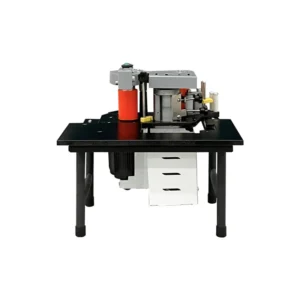
Most small workshops cannot justify two dedicated machines for what is essentially one finishing step. The 180-degree rotation mechanism on this unit switches the feed path between straight and curved profiles without tool changes or auxiliary fixtures. [NEED_CITE: woodworking machinery safety standards for portable edge banders]
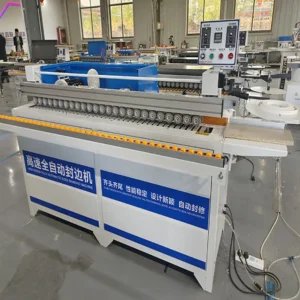
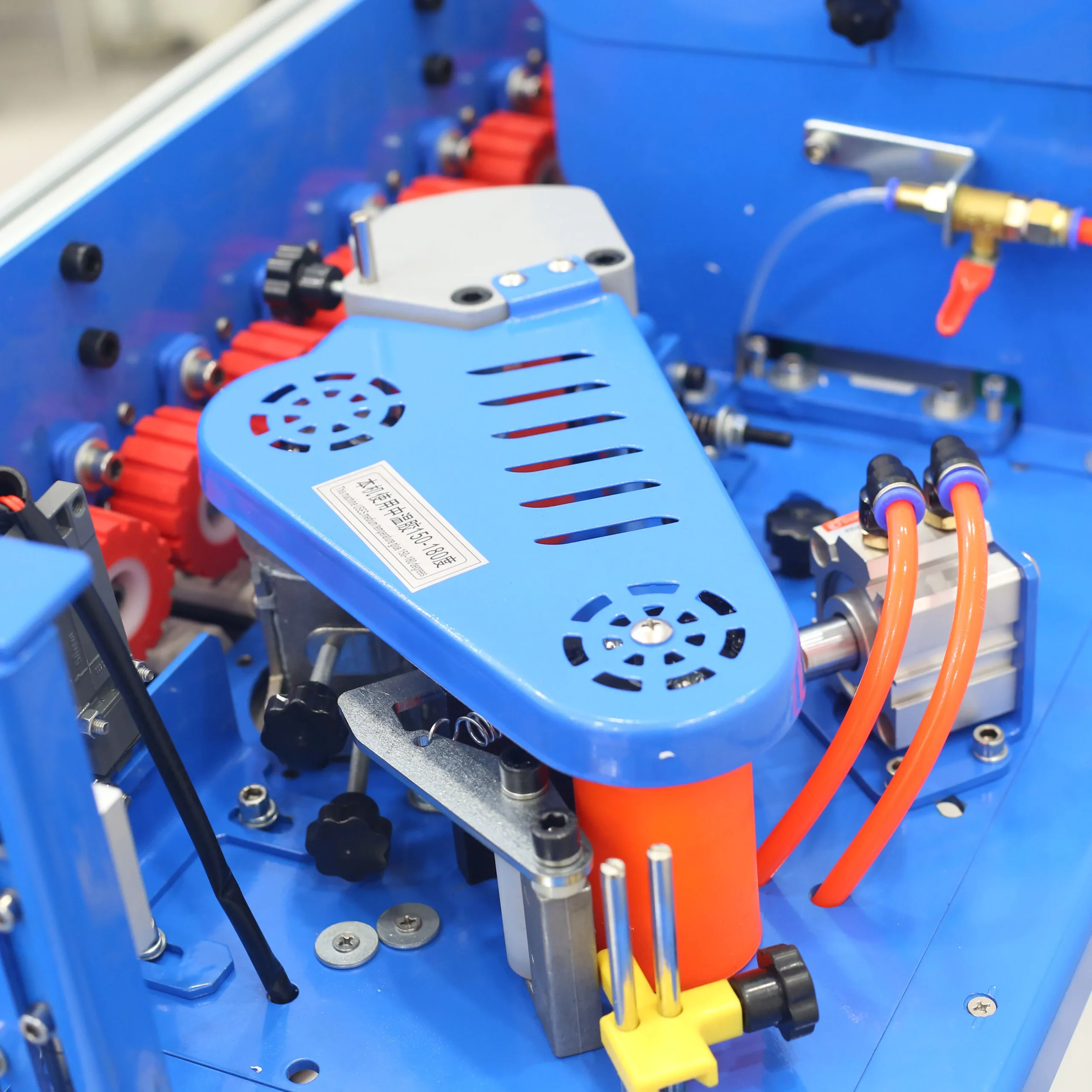
The adjustable aluminum alloy pressure beam holds panels from 8 mm to 50 mm against the steel rod slide rails during transport, which is particularly important on curved sections where uneven pressure causes the PVC or veneer strip to lift at the radius. The pneumatically controlled edge strip cutter trims the banding to length cleanly, and the 4-edge arc-shaped alloy cutter head handles the final profile trim in a single pass.
How Feed Speed and Panel Thickness Interact on a Compact Frame
On a portable unit, the 0–15 m/min feeding speed range is not arbitrary — it directly corresponds to how the 1.2 kW heating element manages glue activation across different edge thicknesses. Thinner PVC strips around 0.3 mm activate quickly and tolerate higher feed rates, while 3 mm veneer or thick PVC requires slower transport to allow consistent heat penetration through the adhesive layer.
The 8–50 mm panel thickness range covers most MDF, plywood, and particleboard stock used in cabinet and shelving work. However, at the upper end of that range, the 180 W transport motor works harder against the increased friction of heavier boards on the crawler, so feed speed should be dialed back accordingly. The dual large diameter dust collectors handle the trimming and buffing debris at both ends of the panel, which matters in small shops where ambient dust accumulation affects both finish quality and operator visibility.
What Happens When a Compact Machine Meets Production Volume It Was Not Built For
Entry-level portable units are designed for intermittent use — a batch of cabinet doors, a set of curved shelving profiles, a repair job on site. When a growing workshop starts running these machines for full production shifts, the transport motor and heating element operate outside their intended duty cycle. Glue activation becomes inconsistent, trimming quality degrades over the course of a shift, and component wear accelerates in ways that do not appear during the first few weeks of ownership [NEED_CITE: thermal duty cycle limits for portable woodworking motors].
The consequence is not sudden failure but gradual output degradation — visible glue lines on some substrates, lifting edges on curved profiles, and buffing marks that require hand-finishing to correct. Small shops discover the problem only when assembled panels fail alignment checks downstream.
Why Source This Unit Through Ready-Stock Channels
Voltage confirmation happens at the order stage, not at the packing stage. Your local supply specification is recorded on the electrical schematic before the unit is prepared, so a 220V single-phase market does not accidentally receive a 380V three-phase unit.
Pre-shipment factory testing runs the machine on your specified panel thickness and edge banding material, generating a documented test record that ships with the unit. This means trimming accuracy and feed stability are verified before crating, not discovered on your workshop floor.
Control panel language is confirmed to match your operators. A machine with button labels in an unreadable language stalls commissioning just as effectively as a voltage mismatch, and this is resolved before dispatch rather than after arrival.
Single-unit orders receive the same packing documentation, customs paperwork, and photographic verification as larger shipments. There is no minimum quantity threshold to access the full documentation and testing protocol.
The 85 kg net weight and 1200×450×750 mm footprint mean one person with a pallet jack can position the machine without specialized rigging, which matters for workshops without loading docks or overhead cranes.
Documentation & Verification
- Electrical schematic confirming your local voltage and frequency before the machine is crated
- Factory test record documenting trim accuracy on your specified panel thickness and edge material
- Operation manual written in your confirmed operator language with illustrated maintenance procedures
- Spare parts list identifying consumable cutters, buffing wheels, and pneumatic seals by part number
- Packing photographs showing crate condition and machine securing before container loading
- CE declaration of conformity covering machinery directive requirements for this equipment class
Installation, Commissioning & Support
- Requires a dedicated circuit matching the confirmed voltage — the 3 kW total draw should not share a breaker with other heating loads
- 1200×450 mm footprint fits standard workshop aisles; level the steel rod slide rails before first run to prevent panel drift
- Pneumatic edge strip cutting needs a clean, dry compressed air supply connected to the onboard regulator before operation
- First-panel test should run at minimum feed speed to verify glue activation temperature across your chosen banding thickness
- 4-edge arc-shaped trimming cutter is indexable — rotate to a fresh edge when profile quality degrades rather than replacing immediately
- Dual dust collection ports require two standard hose connections to maintain collection effectiveness during trimming and buffing
Before You Request a Quote
To match the correct electrical configuration and confirm dispatch timing, share your local voltage and frequency, the primary panel materials you will be edging, and the edge banding thickness range you typically use. If your production includes curved profiles, note the minimum radius you need to cover so we can confirm the unit handles it within spec.
Frequently Asked Questions
Q: Is this portable edge banding machine in stock and how fast can it ship?
A: This unit is held in ready-stock inventory and can be prepared for dispatch once your voltage specification and control panel language are confirmed. Pre-shipment testing on your specified materials is completed before crating, which typically adds a short verification window but prevents commissioning delays at your site.
Q: What voltage options are available for single-phase workshop supplies?
A: The machine is configurable across common international voltage and frequency combinations. Your local supply must be confirmed at order stage so the correct motor winding, heating element, and control transformer are installed and documented on the electrical schematic before the unit ships.
Q: How do I switch between straight and curved edge banding modes?
A: The feed path rotates 180 degrees to redirect panel travel for curved profiles. No tool changes or auxiliary fixtures are needed — the same pressure beam, trimming cutter, and buffing station serve both modes. Switching takes a few minutes and is documented in the operation manual.
Q: What edge banding materials and thicknesses does this machine handle?
A: The unit processes PVC and veneer edge banding from 0.3 mm to 3 mm thick on panels between 8 mm and 50 mm. The 1.2 kW heating element activates adhesive across this range, though thicker banding materials require reduced feed speed for consistent bonding.
Q: What spare parts ship with the machine and how are consumables reordered?
A: Each unit includes a documented spare parts list identifying the 4-edge trimming cutter, buffing wheels, and pneumatic seals by part number. Consumables can be reordered through the same supply channel, and the parts list ensures you specify the correct items without trial and error.