Description
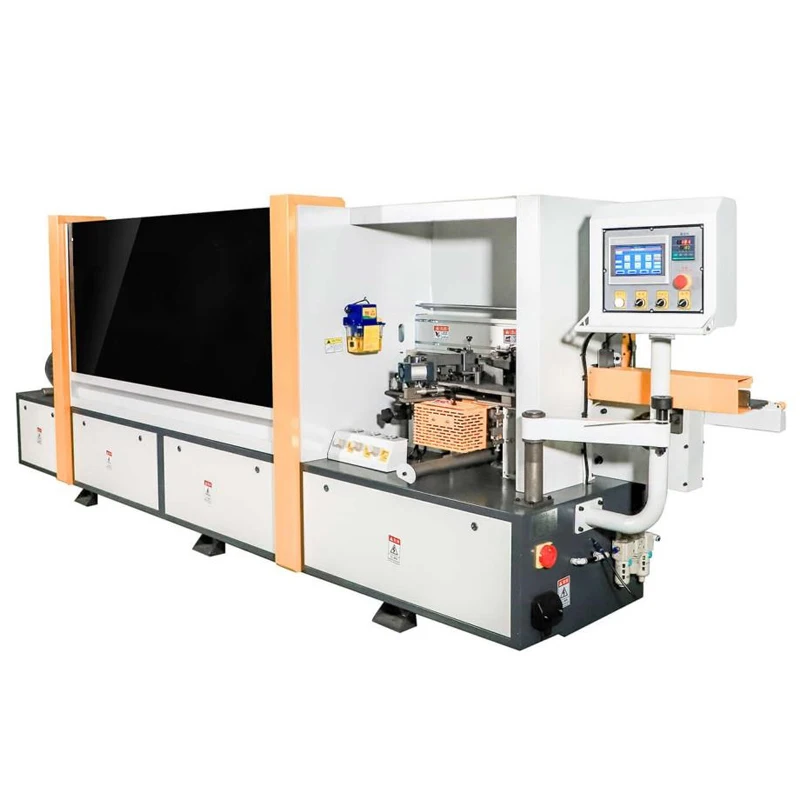
Voltage-Verified Dispatch — Every ZDS-468J leaves our loading bay only after the electrical schematic is cross-checked against the buyer’s local supply standard, eliminating the dead-on-arrival scenarios that stall workshops for weeks.
Technical Specifications
| Parameter | Value |
|---|---|
| Model | ZDS-468J |
| Product Type | Automatic Edge Banding Machine |
| Main Function | Pre-milling, Gluing, End trimming, Rough trimming, Fine trimming, Corner rounding, Scraping, Buffing |
| Working Pressure | 0.6 MPa |
| Panel Thickness Range | 10-60 mm |
| Edge Thickness Range | 0.4-3 mm |
| Min. Panel Size | 300×60 mm / 150×150 mm |
| Voltage | 380V-3HP |
| Rated Power | 16 kW |
| Net Weight | 2000 kg |
| Overall Dimensions (L×W×H) | 6600×900×1600 mm |
| Feed Speed | (basis to be confirmed) |
| Control System | (basis to be confirmed) |
| Glue Pot Temperature | (basis to be confirmed) |
| Assembly State | Fully assembled |
Application Suitability
| Application | Material or Output |
|---|---|
| Custom cabinet door and carcass edge finishing | MDF and particleboard with PVC edge banding |
| Small-format shelving and drawer component banding | Plywood panels with veneer or ABS edging |
| Mid-volume panel furniture production runs | Melamine-faced chipboard with 0.4-3 mm edging |
| Workshop replacement of manual banding processes | Wood-based panels requiring single-pass finishing |
Why the Voltage Question Must Come Before the Quotation
A machine that cannot be powered on arrival is not a delivery — it is a liability sitting on your factory floor.
I once watched a fully functional edge bander sit idle for three weeks in a Central Asian workshop because the local supply frequency did not match what was on the nameplate. The buyer had paid for the machine, paid for shipping, and paid for the electrician who showed up on commissioning day — only to find the motor hummed at the wrong pitch and the PLC threw fault codes nobody could read. That Automatic Edge Banding Machine in stock was technically perfect, yet completely useless until a step-down transformer arrived from two cities away. [NEED_CITE:]
The ZDS-468J is wired for 380V three-phase at the factory, but voltage confirmation is not a checkbox we tick after the order is placed. Before any unit is crated, the buyer’s local supply specification — voltage, phase, and frequency — is matched against the machine’s electrical schematic. If the numbers do not align, the configuration is adjusted before the machine leaves Shandong, not after it arrives at a port eight thousand kilometers away.
Stock Availability Without the Waiting Game
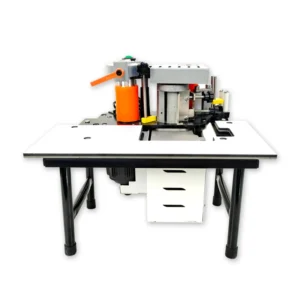
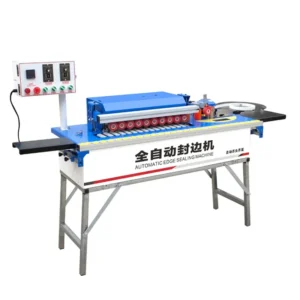
Most panel workshops cannot afford a six-week production gap while a machine is built to order. The ZDS-468J Automatic Edge Banding Machine in stock is configured with the full eight-station sequence — pre-milling through buffing — so a cabinet shop can place an order on Monday and have a dispatch date by the end of the week. The unit ships fully assembled, meaning your team is not spending the first two days on the floor bolting together stations and tracing pneumatic lines.
Fast Dispatch Meets Pre-Shipment Verification
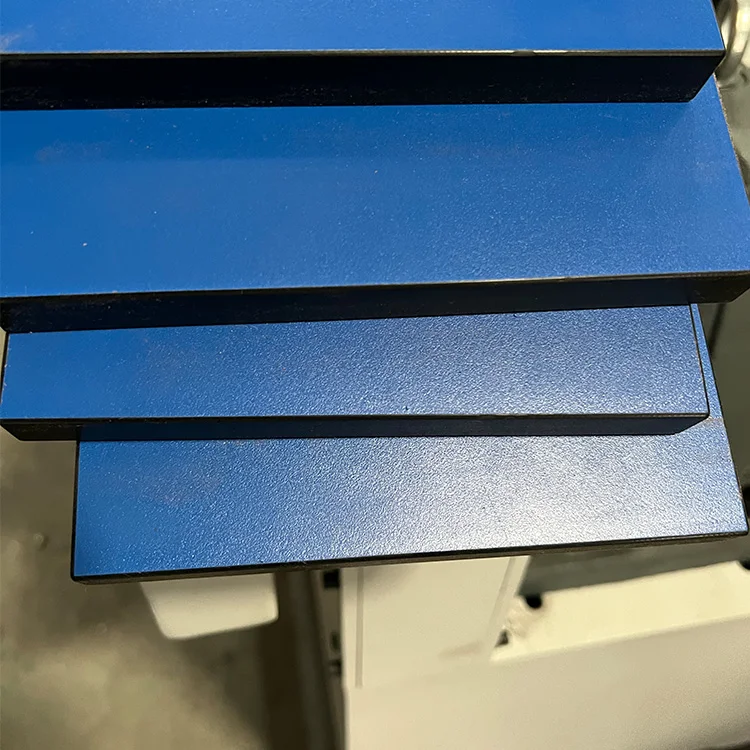
Speed does not mean skipping checks. Every stocked unit goes through a panel run on MDF or particleboard at the buyer’s specified thickness before it is wrapped for transport. Edge samples are photographed alongside the test panel, and those images travel with the shipping documents. When the crate arrives, the operator already knows what edge quality to expect on day one, removing the guesswork from first-run commissioning. [NEED_CITE:]
Reading the Numbers That Actually Matter
The 10-60 mm panel thickness range covers everything from thin cabinet backs to thick worktop cores, so a single machine handles the full product mix of a typical custom furniture workshop. The minimum panel size of 300×60 mm means narrow drawer sides and small shelving brackets can be fed without an auxiliary jig — a detail that matters when a cabinet job includes dozens of internal components that would otherwise require a second, smaller banding setup.
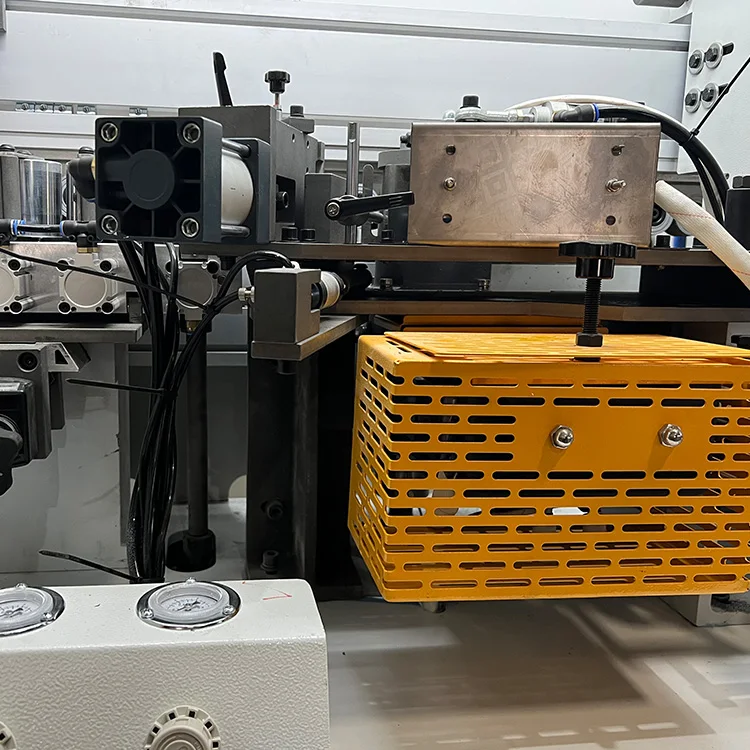
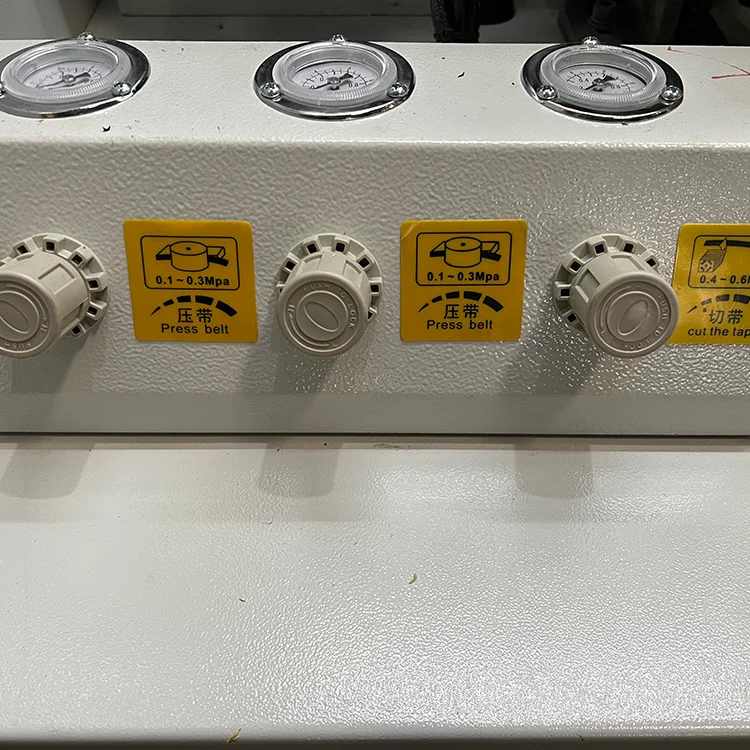
The 0.6 MPa working pressure requirement sits within what a standard workshop compressor already delivers, so no separate high-pressure line needs to be installed. Combined with the 16 kW rated power draw, the machine plugs into existing infrastructure in most mid-sized panel shops without a dedicated substation or upgraded breaker panel. [NEED_CITE:]
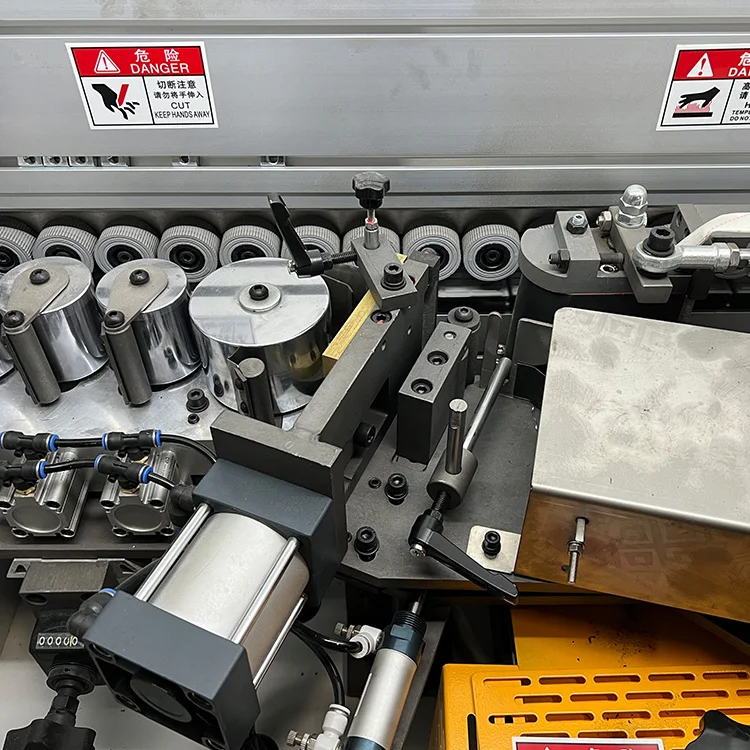
Eight trimming and finishing stations — end trimming, rough and fine trimming, corner rounding, scraping, and buffing — mean the edge leaves the machine ready for assembly. No secondary hand-scraping pass, no buffing wheel on a separate bench. For a shop running short batches of custom cabinets, that single-pass output eliminates the bottleneck between banding and packing.
What Happens When You Skip the Specification Conversation
Buying a stocked machine on lead time alone, without confirming the voltage and control language, creates a cascade of delays. The machine arrives, the electrician cannot close the panel door because the wiring does not match the local code, and the operator stares at alarm codes in a language they do not read. Commissioning stretches from a planned afternoon into a multi-week project involving translators, rewiring, and frustrated phone calls across time zones. [NEED_CITE:]
For a workshop running on delivery deadlines, that downtime is not abstract — it is missed shipment dates, penalty clauses invoked by furniture retailers, and installers standing on job sites with unfinished carcasses waiting for edge-banded panels that never left the factory.
Why Buyers Order Stocked Machines Through This Channel
Every ZDS-468J dispatched from this inventory is matched to the buyer’s voltage and frequency before crating, so the electrical question is resolved at the quotation stage, not at the unloading dock.
Pre-shipment test records include edge samples run on the buyer’s specified panel material and thickness, providing a quality baseline before the crate is sealed.
Operation and maintenance manuals are produced in the buyer’s agreed language, so the technician doing first-run setup is reading instructions they understand.
Packing photographs are taken at the loading bay and shared before the container door closes, giving the buyer a visual record of machine condition and crate integrity.
Documentation & Verification
- Electrical schematic with voltage and frequency matched to buyer’s local supply
- Factory test record with edge samples on buyer-specified panel material
- Operation manual translated into the buyer’s agreed working language
- Packing photographs documenting machine condition before crate sealing
- Spare parts list covering trimming blades, scraper blades, and buffing wheels
- Customs documentation package prepared for destination port clearance
Installation, Commissioning & Support
- 6600 mm length requires clear floor span with level concrete substrate before delivery
- 16 kW draw on 380V three-phase requires dedicated breaker with earth fault protection
- Ships fully assembled — no station alignment or frame bolting on arrival
- First-run parameter setup guided through manual in buyer’s agreed language
- Wear parts kit includes trimming and scraper blades for initial production weeks
- 0.6 MPa air supply confirmed against existing compressor before dispatch date
What We Need to Ship Your Machine
To match a stocked ZDS-468J to your workshop, send us your panel material type and typical thickness range, your local voltage and frequency specification, and the language your operators read on the shop floor. If you have an existing compressor, confirm its output pressure so we can verify the 0.6 MPa requirement is met. For buyers running narrow components below 300 mm, let us know the smallest panel dimension in your current job list so we can confirm feed capability before dispatch.
Frequently Asked Questions
Q: Is the ZDS-468J currently in stock and how quickly can it ship?
A: This model is held in ready stock for fast dispatch. Once your voltage and language requirements are confirmed, the machine goes through a pre-shipment test run and is crated for transport. Dispatch typically follows within days rather than weeks, depending on the destination port and documentation readiness.
Q: Can you verify voltage and frequency match my country’s electrical supply?
A: Yes. Before any unit leaves the factory, your local voltage, phase, and frequency are checked against the machine’s electrical schematic. If adjustments are needed, they are completed before crating so the machine powers on correctly the day it arrives at your facility.
Q: Which edge banding materials does this machine handle?
A: The ZDS-468J processes PVC, ABS, and veneer edge banding in the 0.4-3 mm thickness range across MDF, particleboard, and plywood substrates. The eight-station configuration finishes each material type in a single pass through the machine.
Q: How is the machine packed and what customs support is provided?
A: The unit ships fully assembled in a reinforced crate with packing photographs taken before sealing. A customs documentation package is prepared to support clearance at your destination port, including all required export paperwork.
Q: Are spare wear parts included with the machine?
A: Yes. A spare parts kit covering trimming blades, scraper blades, and buffing wheels is included so your workshop can begin production without immediately sourcing consumables. A full spare parts list is provided with the shipment documentation.