Description
Fast Dispatch Assurance — this automatic edge banding machine ships from ready stock with voltage and frequency locked to your facility’s grid before the crate closes.
Technical Specifications
| Parameter | Value |
|---|---|
| Product Type | Automatic Edge Banding Machine |
| Overall Dimensions (L×W×H) | 435 × 92 × 165 cm |
| Total Installed Power | 17.5 kW |
| Voltage & Frequency | 380V / Three-phase five-wire / 50Hz |
| Conveying Motor | 380V, 2.2 kW with frequency converter |
| Feed Speed | 0–12 m/min (variable, inclined straight edge) |
| Edge Banding Thickness Capacity | Up to 1.2 mm (PVC, material dependent) |
| Edge Strip Width Range | 20–50 mm |
| Panel Thickness Range | 18 / 22 / 25 mm |
| Minimum Panel Width | >100 mm |
| Minimum Panel Length | >250 mm |
| Glue Pot Capacity | 2000 mL |
| Glue Pot Heating Power | 1.2 kW |
| Glue Pot Operating Temperature | 150–170°C |
| Trimming Motors | 380V, 0.75 kW × 2 |
| End Trimming Motors | 380V, 0.37 kW × 2 |
| Milling Motor B | 380V, 3.5 kW |
| Selection Motor A | 380V, 4 kW |
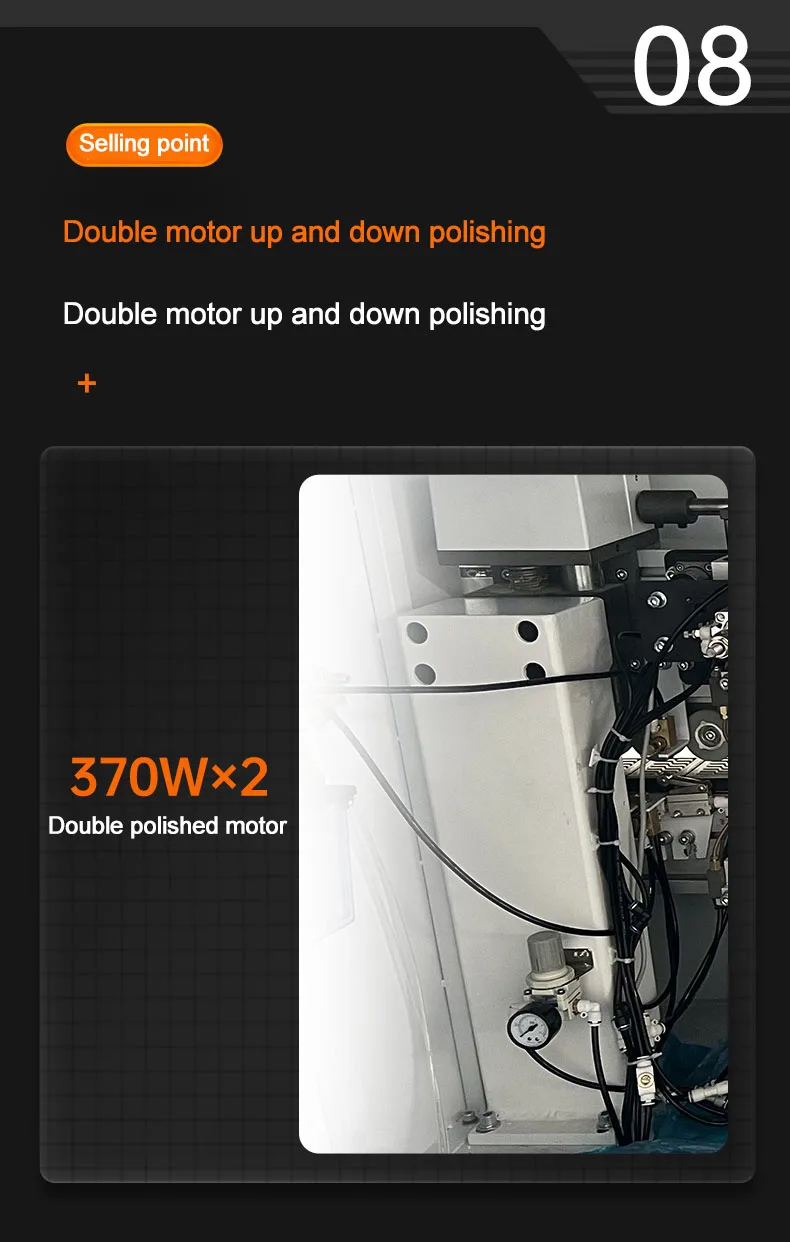
| Polishing Motors | 380V, 0.37 kW × 2 |
| Slotted Motor | 220V, 0.8 kW |
| Control System | Xinjie industrial touch screen |
| Inverter | Xinjie industrial inverter |
| Air Source Pressure | 0.6–0.8 MPa |
| Dust Extraction Port Diameter | 100 mm |
| Edge Banding Material | PVC |
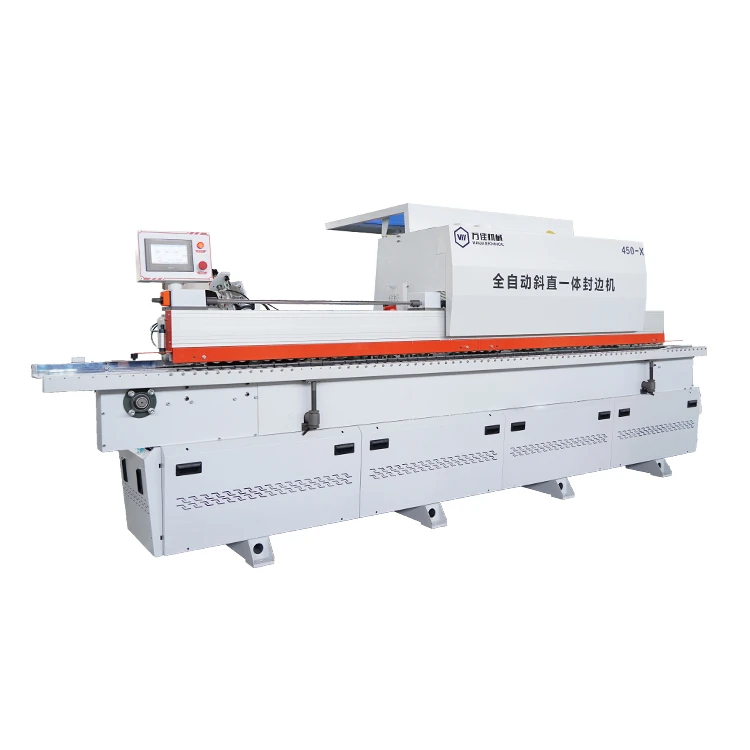
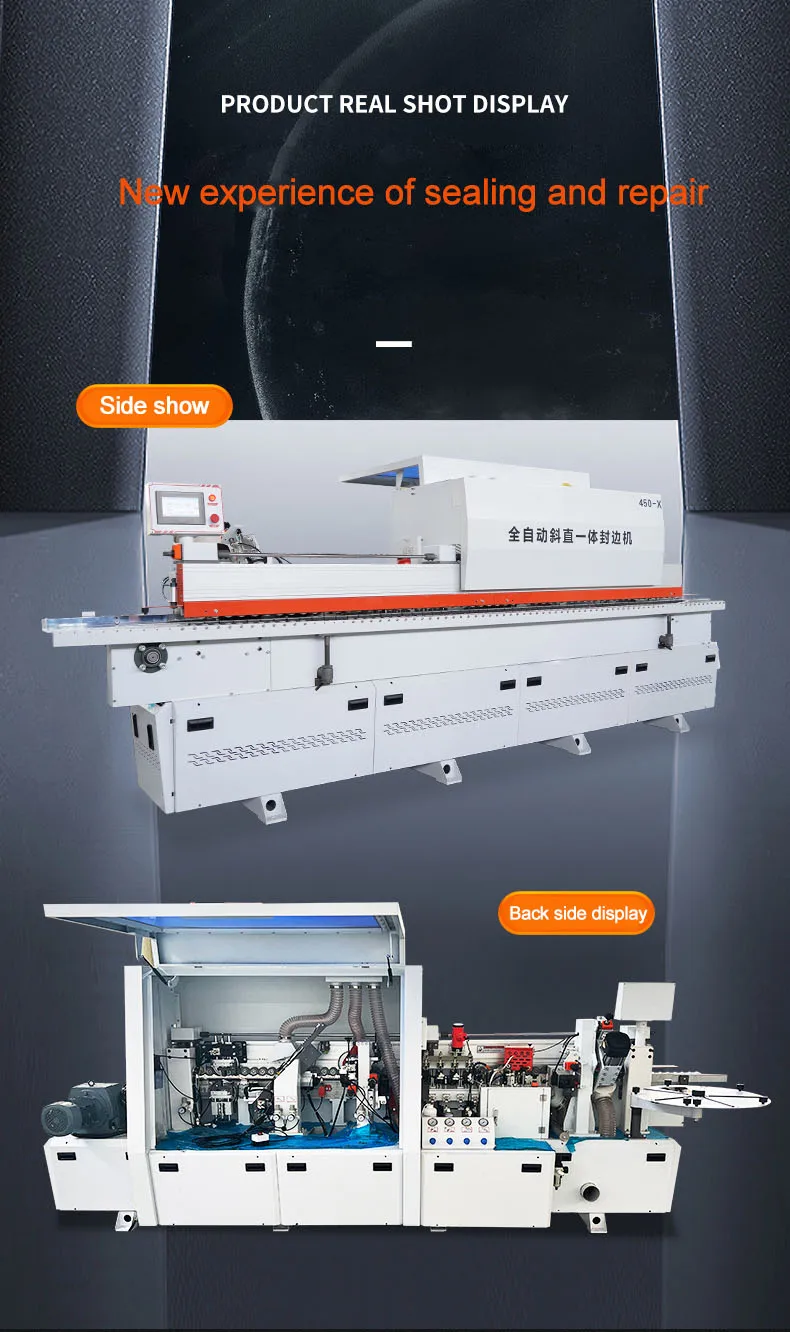
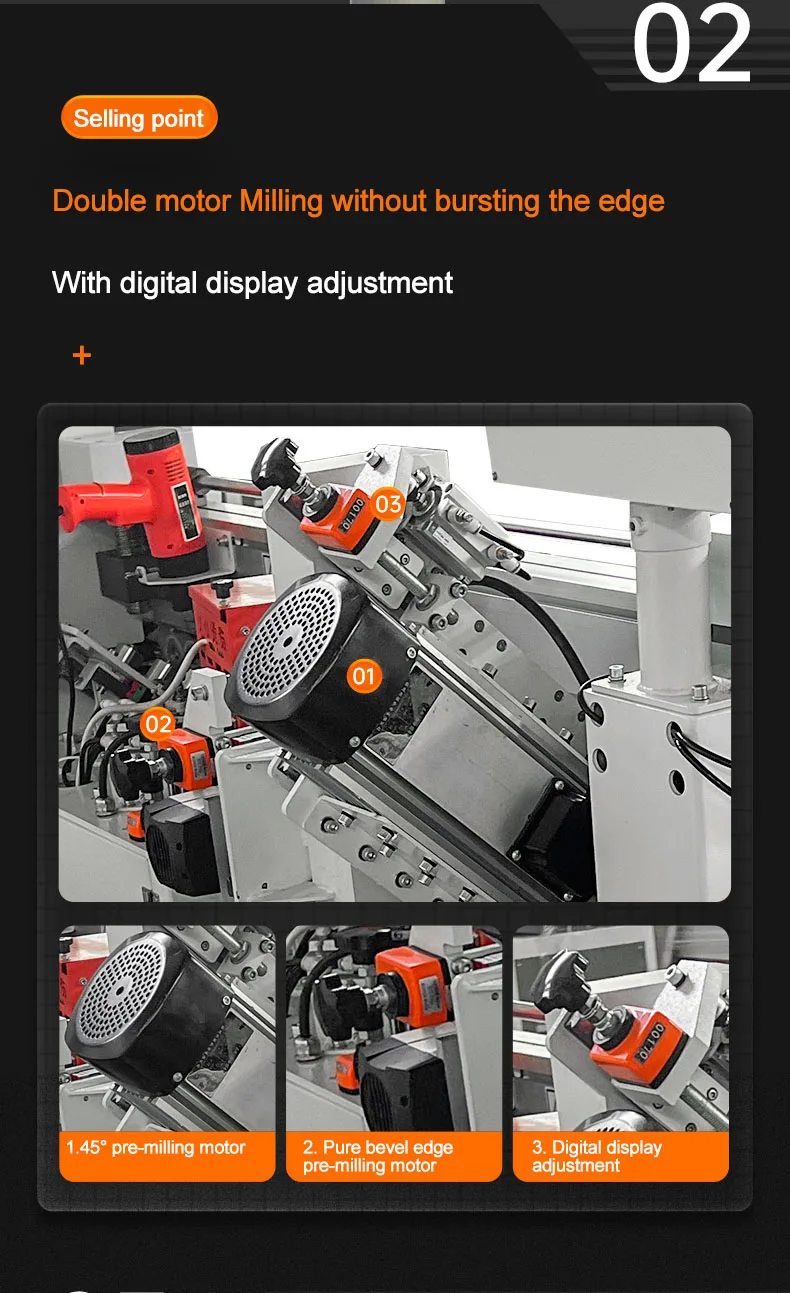
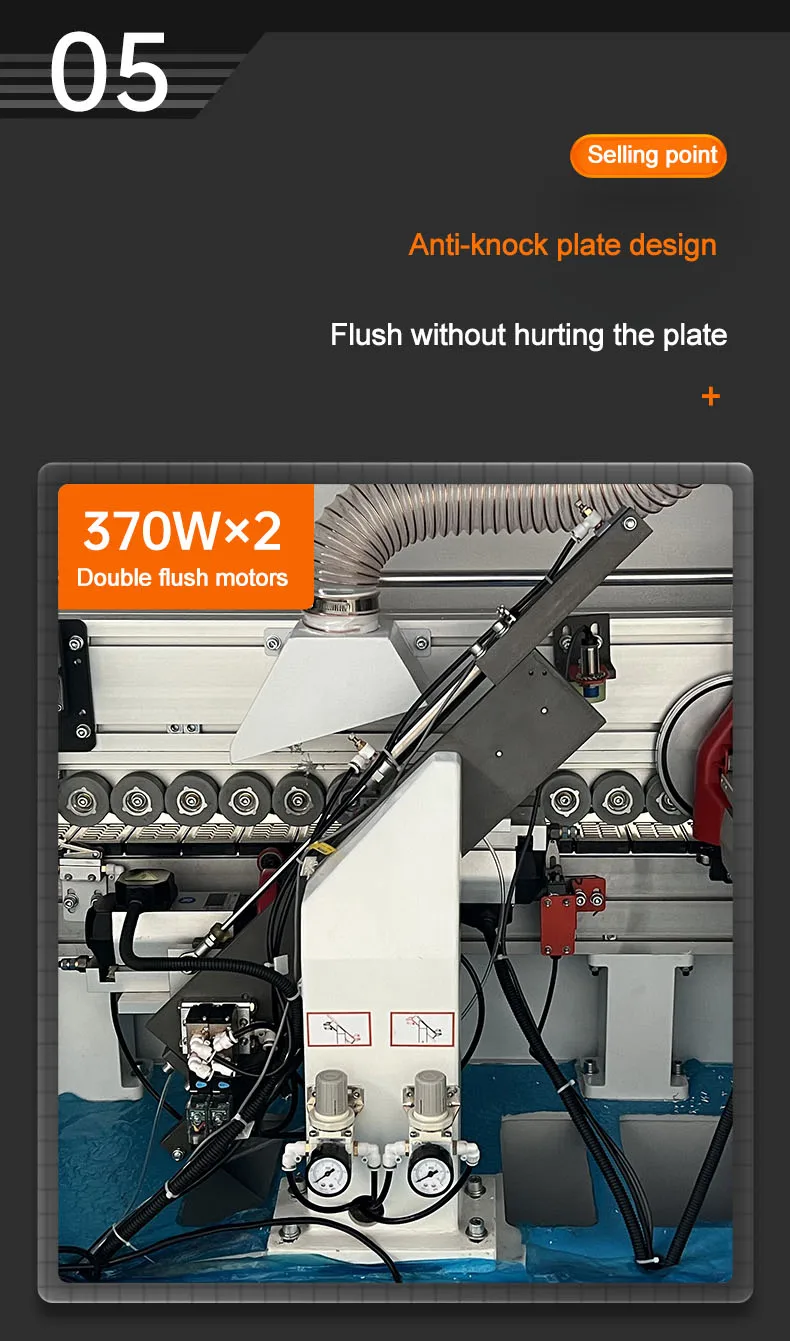
| Key Features | Pre-milling, trimming, end cutting, edge rounding, polishing, slotting stations |
Application Suitability
| Application | Material or Output |
|---|---|
| Cabinet door and carcass edge finishing | PVC-banded MDF and particleboard panels |
| Custom furniture panel processing | Melamine-faced chipboard with PVC edges |
| Joinery workshop automation transition | Plywood and solid wood panels up to 25 mm thickness |
| Small-batch production runs | Standard board stock at 18, 22, or 25 mm panel thickness |
| Contract furniture manufacturing | High-volume PVC edge applications on flat panel components |
Why the Voltage Question Must Come Before the Dispatch Date
Getting an Automatic Edge Banding Machine in stock and shipped quickly means nothing if it trips the breaker the moment you power it on. Electrical mismatch is the single most common reason newly delivered woodworking equipment sits idle on the factory floor.
I spent years doing quality control on the shop floor before moving into equipment supply across the Middle East. One shipment of edge banders went out to a Dubai facility configured for 60Hz, while our standard build runs at 50Hz. The machines tripped on startup, and the client waited three weeks for a frequency converter retrofit. Since then, every unit I handle gets an electrical confirmation sheet signed off before it leaves the dock — speed of delivery means little when the motor windings are wrong for the local grid [NEED_CITE: voltage and frequency standards by export market].
Stock Availability Without the Configuration Gamble
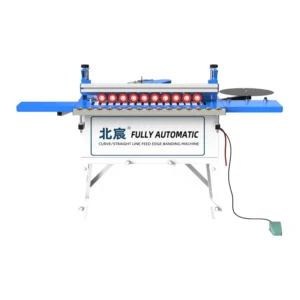
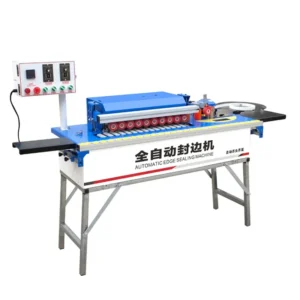
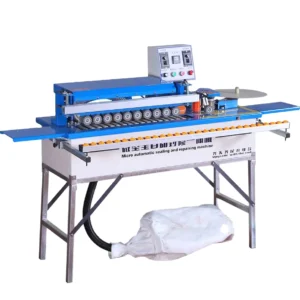
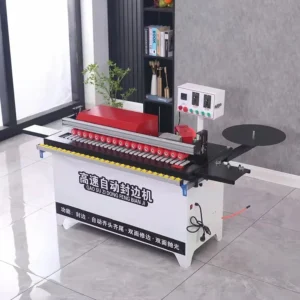
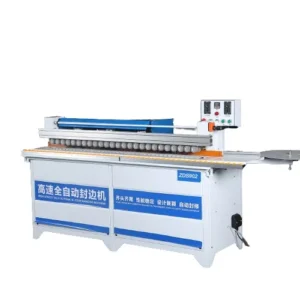
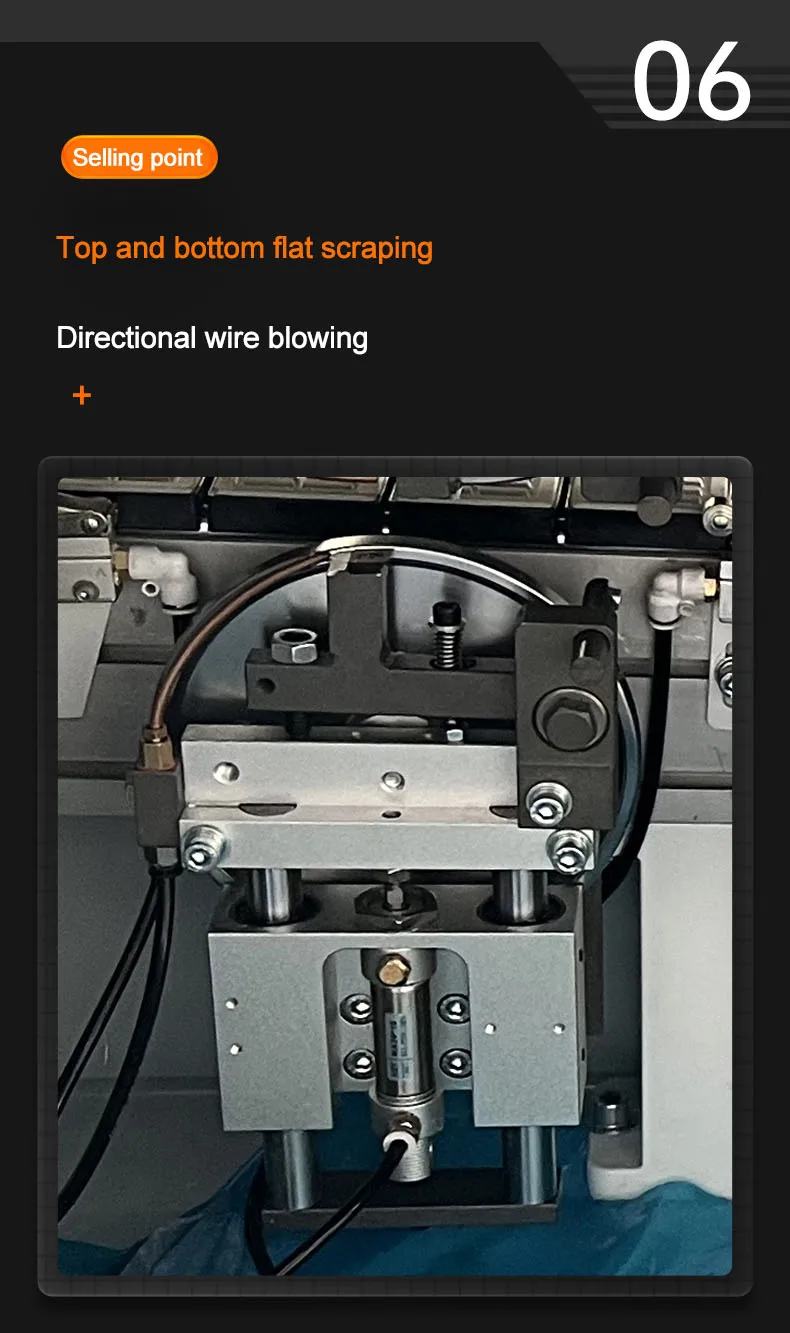
This Automatic Edge Banding Machine in stock carries a full workstation lineup that most ready-ship units omit. Pre-milling, dual trimming, end cutting, edge rounding, dual polishing, and slotting are all onboard, so you are not receiving a stripped-down model that requires secondary passes. The Xinjie touch screen gives operators a readable interface from day one, and the frequency converter on the conveying motor lets you dial feed speed between 0 and 12 m/min depending on the board material and edge thickness you are running.
Matching the Machine to Your Production Rhythm
Workshops replacing manual edge banding need a unit that handles real panel variety without constant re-adjustment. The 18 / 22 / 25 mm thickness range covers the standard board stock used in cabinet and furniture production across most markets. PVC edge banding up to 1.2 mm thickness feeds through the glue pot operating at 150–170°C, which sits in the correct range for standard hot-melt EVA adhesives used on melamine and particleboard substrates [NEED_CITE: hot-melt adhesive temperature ranges for PVC edge banding].
Reading the Spec Sheet Against Your Actual Panels
The 17.5 kW total power draw tells you what electrical infrastructure you need before the machine arrives. A dedicated circuit rated for the full load, plus the 0.6–0.8 MPa air supply feeding the 5-litre storage tank, must be in place before commissioning. The 100 mm dust extraction port connects to your existing collection system, and with multiple cutting and trimming motors running simultaneously, undersized extraction leads to glue-line contamination and poor trim finishes. The 435 cm machine length includes all stations in sequence, so measure your floor space from infeed to outfeed before the unit ships.
The Cost of Skipping Pre-Shipment Electrical Verification
Ordering a machine on lead time alone, without verifying the motor winding specification against your local supply, creates a cascade of delays. The machine arrives, the electrician opens the panel, and the frequency does not match. Now you are sourcing a transformer or waiting for a replacement inverter, while the panels you committed to deliver are stacking up unfinished [NEED_CITE: CE machinery directive requirements for industrial equipment]. Panels cut and waiting for edge banding occupy floor space and tie up upstream saw operators who have nothing else to feed.
What Ready Stock Actually Delivers Here
This unit ships with a factory test record documenting performance on your specified panel thickness range, not a generic pass stamp. Voltage and frequency are confirmed in writing before dispatch, matching the 380V three-phase five-wire configuration or adjusted if your facility runs a different supply. The Xinjie control system supports multilingual interface setup so operators read instructions in a language they understand, eliminating the commissioning stall that happens when the screen defaults to an unfamiliar script. Spare parts lists and packing photographs are provided before the crate closes, giving your receiving team a complete visual record for customs clearance and incoming inspection.
Documentation & Verification
- Factory test record covering your panel thickness range before dispatch
- Voltage and frequency confirmation sheet matched to your facility supply
- Electrical schematic with circuit identification for on-site troubleshooting
- Operation and maintenance manual supplied in your agreed language
- Spare parts list with part numbers for reorder accuracy
- Packing photographs for customs and receiving inspection
Installation, Commissioning & Support
- 435 cm machine length requires clear infeed and outfeed zones on a level concrete floor
- 17.5 kW total load demands a dedicated three-phase circuit with correct breaker rating
- 0.6–0.8 MPa compressed air line with filtration feeding the 5-litre tank connection
- Glue pot first heat-up cycle at 150–170°C requires operator presence for adhesive loading
- Xinjie touch screen language configuration completed during initial commissioning session
- Trimming and polishing motor alignment verified against your PVC edge material on first run
What We Need to Confirm Before Shipping
Tell us your local voltage and frequency so the electrical configuration is locked before the machine leaves the floor. Share the panel materials and thicknesses you run most often, along with the PVC edge banding thickness, so we can set feed speed and glue temperature parameters in advance. Let us know the control panel language your operators need, and we will configure the Xinjie touch screen before it ships.
Frequently Asked Questions
Q: Is this model in stock and what is the dispatch lead time?
A: This automatic edge banding machine is held in ready stock for fast dispatch. Lead time covers pre-shipment electrical verification, factory testing on your panel thickness range, and documentation preparation. Typical dispatch follows within days of order confirmation once voltage and language requirements are confirmed, rather than the multi-week build cycle a made-to-order unit requires.
Q: Can the voltage and frequency be confirmed to match my local supply before shipping?
A: Yes. Every unit ships with a signed voltage and frequency confirmation document matched to your facility’s electrical supply. The standard build runs at 380V three-phase five-wire at 50Hz, but configuration is verified against your local grid specification before dispatch to prevent startup failures and inverter mismatches on arrival.
Q: What languages are available on the Xinjie touch screen control panel?
A: The Xinjie industrial touch screen supports multilingual configuration. We set the interface to your operators’ preferred language before the machine ships, so the control panel is readable from first power-on. This eliminates the commissioning delays that occur when operators cannot navigate menu settings on an unfamiliar language interface.
Q: What edge banding materials and thicknesses does this machine handle?
A: This machine processes PVC edge banding up to 1.2 mm thickness across strip widths from 20 to 50 mm. The glue pot runs at 150–170°C, suited to standard EVA hot-melt adhesives used on PVC. Panel thickness coverage includes 18, 22, and 25 mm, matching the standard board stock used in cabinet and furniture panel production.
Q: What spare parts are included and how are replacements sourced after delivery?
A: A spare parts list with numbered entries ships with every unit, covering wear items from trimming cutters to polishing wheels. Replacement parts are sourced directly from the factory using the part numbers on your list, ensuring compatibility with your specific machine configuration rather than generic substitutes that may not fit the station mounts.