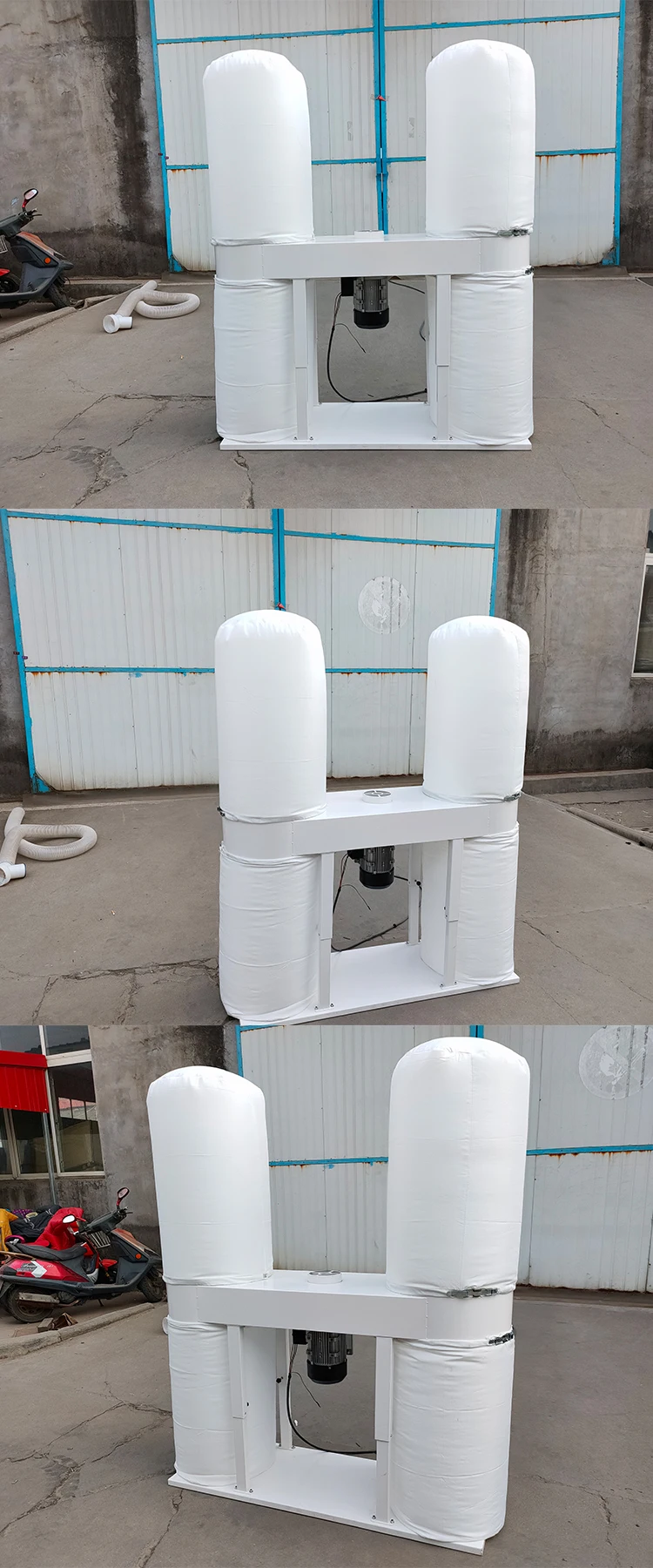
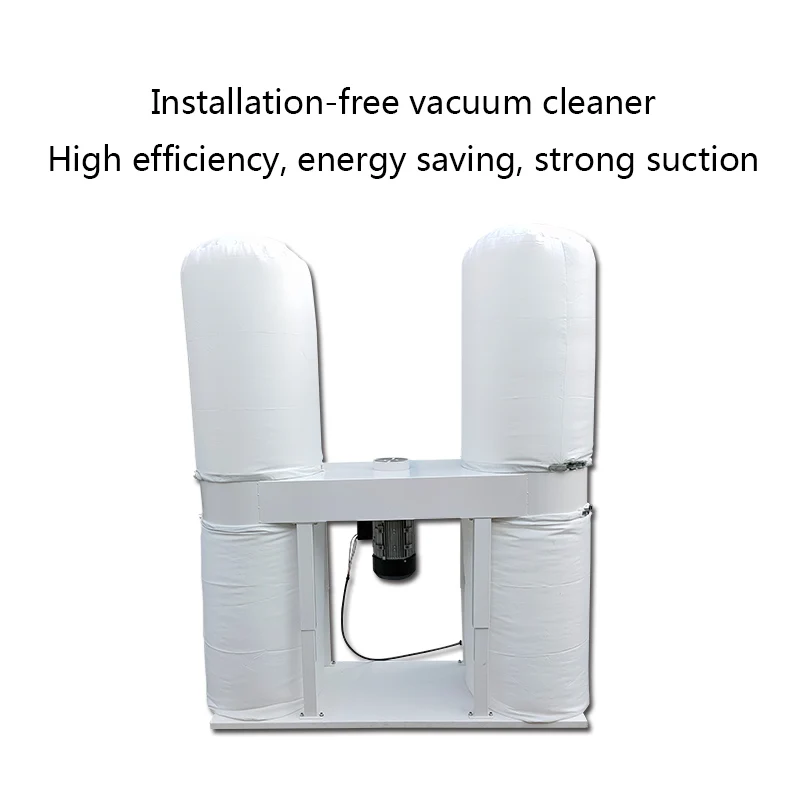
Description
Ready Stock Dispatch — Woodworking Dust Collector Vacuum Cleaner units ship from inventory with verified voltage labels and plug configurations, avoiding the multi-week downtime of post-arrival electrical retrofitting.
Technical Specifications
| Parameter | Value |
|---|---|
| Product Type | Woodworking Dust Collector |
| Voltage & Frequency | Customizable (basis not stated in source — confirm specific voltage options) |
| Rated Power (kW) | (basis not stated in source) |
| Airflow Volume | (basis not stated in source) |
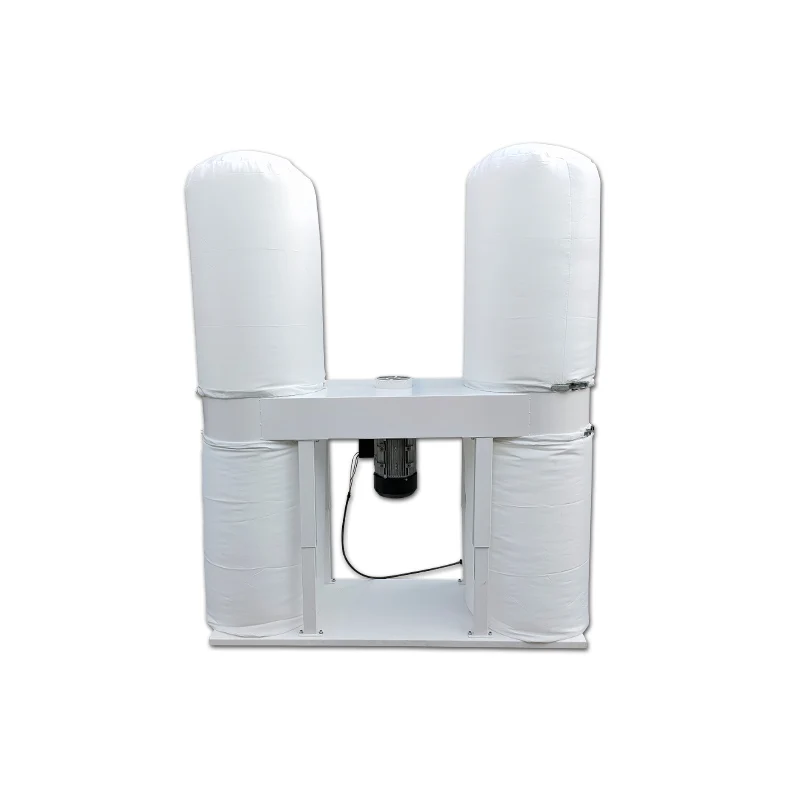
| Filter Bag Type | Bag filter with diversion device |
| Dust Separation Method | Large particles to hopper via diversion; fine dust adsorbed on filter bag |
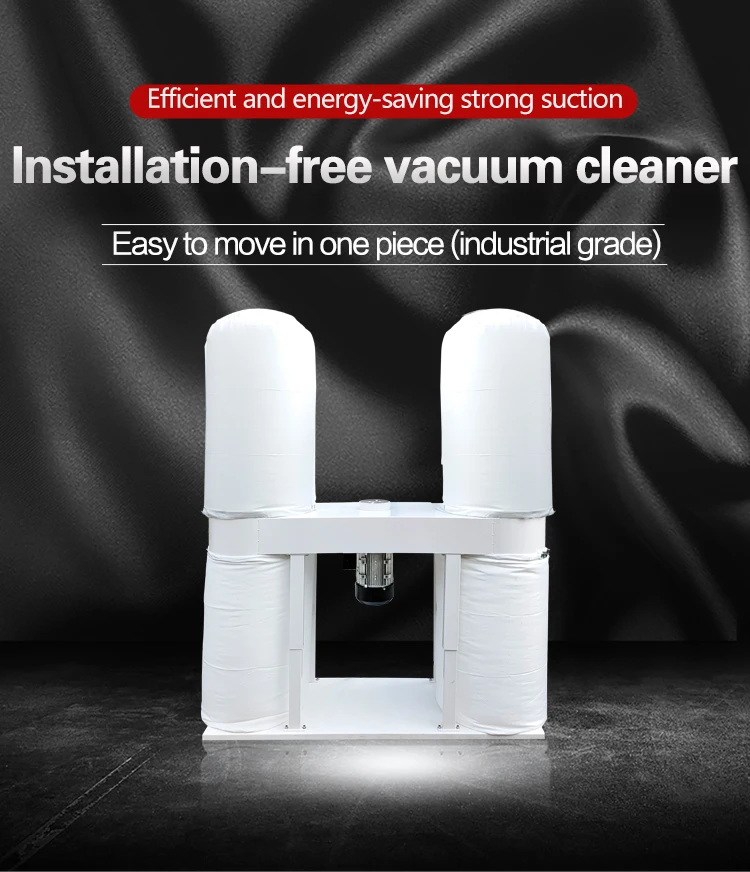
| Assembly State | Mobile unit with bag inlet |
| Dust Extraction Port | (basis not stated in source) |
| Control System | (basis not stated in source) |
| Overall Dimensions (L×W×H) | (basis not stated in source) |
| Net Weight | (basis not stated in source) |
| Plug Options | EU, USA, AU, UK |
| Language Options | Chinese, English (customizable to Spanish or other languages) |
| Certification | (basis not stated in source) |
| Warranty | (basis not stated in source) |
Application Suitability
| Application | Material or Output |
|---|---|
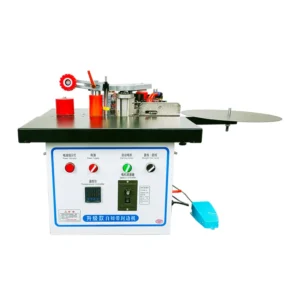
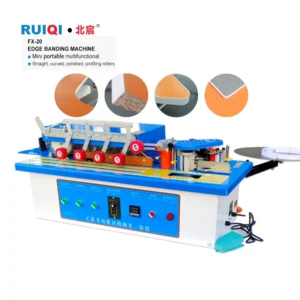
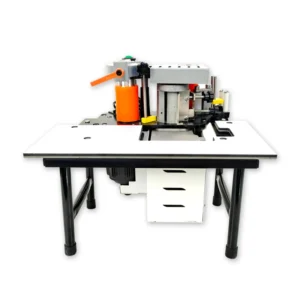
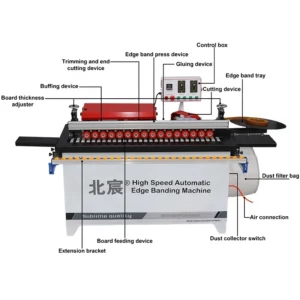
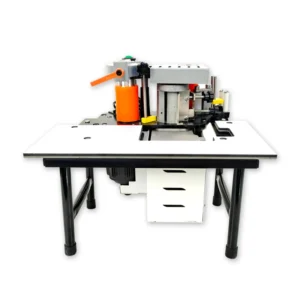
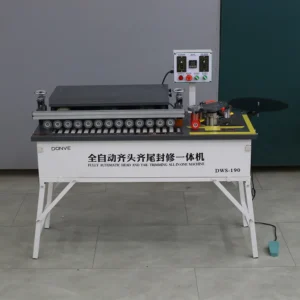
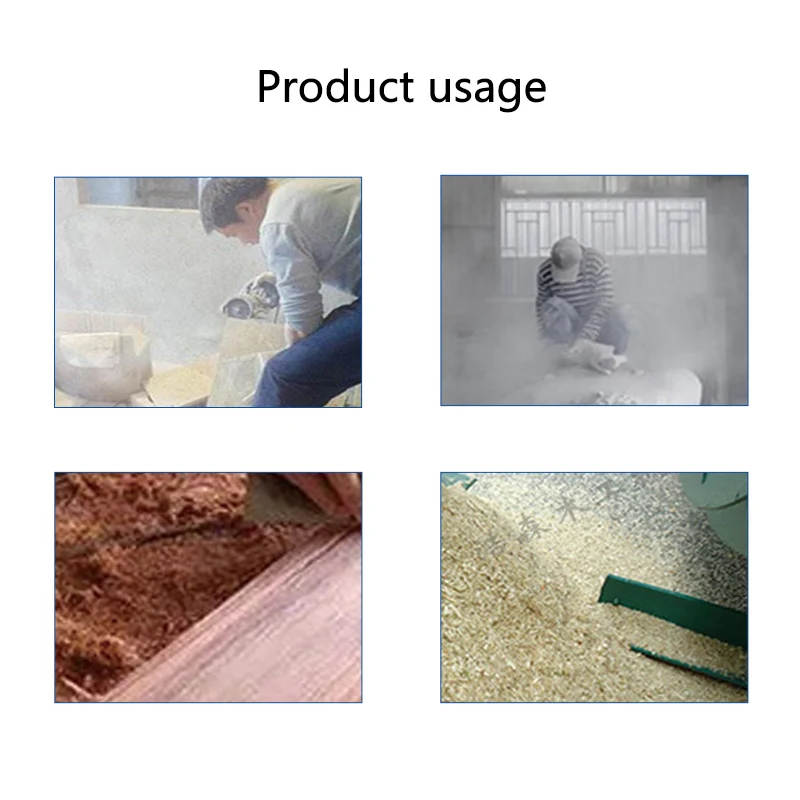
| Edge banding machine dust extraction | PVC, veneer, and ABS edge banding offcuts and sanding dust |
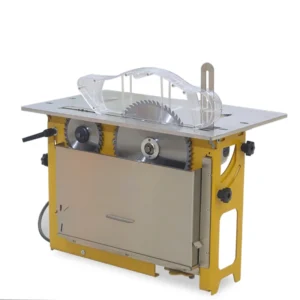
| Woodworking saw table collection | MDF, particleboard, and plywood cutting dust and chips |
| Slotting machine cleanup | Groove routing debris from solid wood panels and composite boards |
| Workshop central extraction | Multi-machine dust control in small to mid-size joinery facilities |
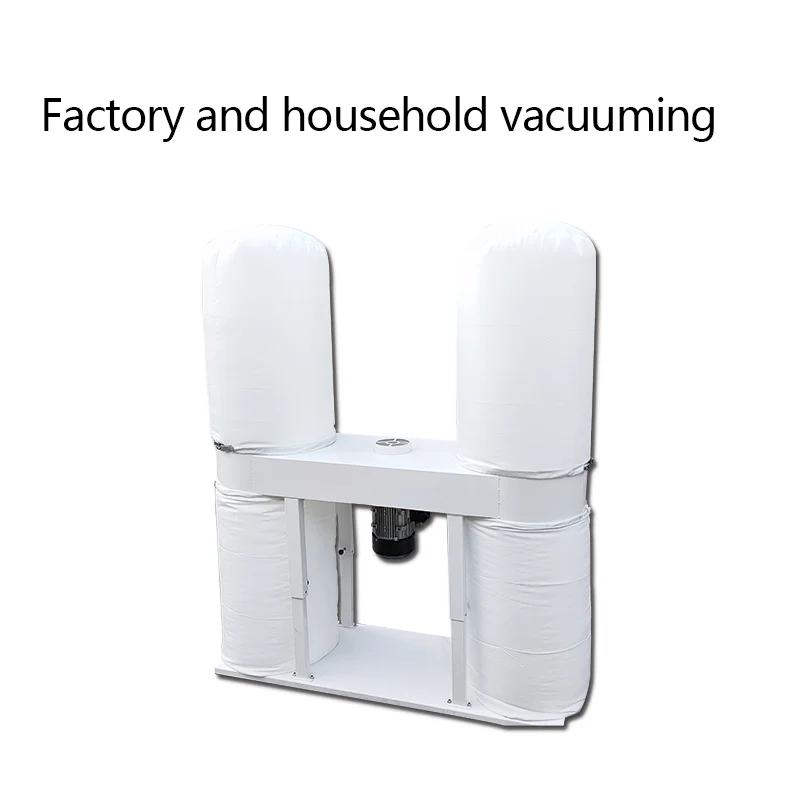
| Home woodworking setups | Fine dust capture for hobbyist table saws and manual routers |
Why Voltage Verification Must Precede the Shipment Date
A woodworking dust collector in stock is useless if the motor winding does not match the workshop supply.
I watched a North American line stall for two weeks last month because a dust extraction unit arrived with a 380V motor into a 575V/60Hz facility. The transformer retrofit cost more in lost production hours than the machine itself. Now every unit I oversee leaves the loading bay with the voltage plate photographed and archived. When sourcing a Woodworking Dust Collector in stock, the electrical spec conversation should happen before the packing conversation [NEED_CITE: voltage and frequency standards by export market].
Rapid Deployment Without Electrical Surprises
Stock availability only matters if the unit arriving at your dock can be wired and running the same afternoon. Our inventory of woodworking dust collectors ships with the target plug standard already fitted — EU, USA, AU, or UK — so there is no adapter scrambling on day one. The motor nameplate, control wiring, and breaker rating are all confirmed against your facility supply before the crate closes.
Separation Architecture That Extends Filter Life
The bag filter with diversion device handles dust in stages rather than forcing all material through one medium. Large chips and heavy particles from panel saws and edge banders get redirected into the collection hopper before they ever reach the filter bag surface. This staged separation reduces the cleaning cycle frequency and keeps the fine-dust filtration layer intact longer, which matters when the unit runs alongside machines producing both coarse offcuts and fine sanding residue [NEED_CITE: industrial dust collection filtration standards].
Reading the Spec Sheet Against Your Production Reality
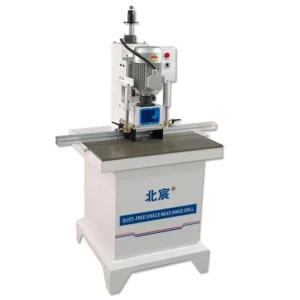
Airflow volume and static pressure determine which machines this collector can actually serve. A sliding table saw cutting MDF generates a different particle profile than a hinge boring machine working solid oak — the former produces fine airborne dust requiring sustained airflow velocity in the ductwork, while the latter throws heavier chips that settle quickly if duct runs are too long or horizontal. Matching the extraction port diameter and airflow rating to your longest duct run prevents the common failure where the machine nearest the collector gets perfect suction and the farthest station chokes.
The filter bag surface area directly governs how often the unit needs shaking or pulse-jet cleaning during a shift. Undersized filter area on a unit serving multiple edge banders means the operator stops production mid-morning to clean bags, which defeats the purpose of continuous extraction. The diversion device specification tells you the maximum particle size the hopper can accept before material bridges or blocks the inlet [NEED_CITE: dust collector sizing methodology for woodworking applications].
Voltage and frequency customization affects motor longevity as directly as it affects operability. Running a 50Hz motor on 60Hz supply overspeeds the fan impeller, increasing airflow but also bearing load and winding temperature beyond design limits. Confirming the exact supply at the installation point — not just the country standard — prevents this silent degradation.
The Hidden Cost of Skipping Plug and Language Confirmation
Machines that arrive with the wrong plug standard sit idle while an electrician sources an industrial adapter or hardwires a replacement. That delay compounds when the machine was scheduled for a production run already promised to a customer. Similarly, a control panel in a language the operator cannot read means safety interlocks and fault codes go misunderstood, leading to either unnecessary service calls or ignored warnings that become breakdowns [NEED_CITE: machinery safety labeling requirements for export equipment].
Why Procurement Through This Channel Works
Inventory readiness means dispatch lead times measured in days rather than production cycles. Voltage and plug configuration are confirmed at order, not discovered at arrival. Multilingual control panels and operation manuals are available in the language your floor team actually reads. Pre-shipment testing records accompany each unit so you can verify performance claims before the crate opens. Engineer-led configuration guidance ensures the model selected matches your duct layout and machine count rather than a generic recommendation.
Documentation & Verification
- Factory test record showing airflow performance on your specified duct configuration
- Electrical schematic with confirmed voltage, frequency, and breaker rating for your facility
- Operation and maintenance manual translated into your agreed language before dispatch
- Pre-shipment verification photographs including voltage plate and plug standard
- Packing photographs documenting crate condition and accessory completeness before loading
- Customs documentation support with correct HS code and export declarations
Installation, Commissioning & Support
- Confirm floor space matches mobile unit footprint and allows bag inlet clearance for duct connection
- Verify dedicated circuit breaker rating matches confirmed voltage and motor nameplate before wiring
- Inspect diversion hopper seal and filter bag seating after transport vibration before first startup
- Set extraction port configuration to match your existing duct diameter and machine layout
- Train operators on filter cleaning cycle intervals specific to your material mix and production volume
- Establish spare filter bag and diversion seal reorder schedule based on your shift pattern
Requesting the Right Configuration
Tell us the specific woodworking machines this collector will serve, the total duct run length from farthest station to unit, and your facility supply voltage and frequency at the installation point. Include the language needed for the control panel and operation manual. This lets us confirm stock compatibility or flag any configuration adjustment before the order is packed.
Frequently Asked Questions
Q: Is this woodworking dust collector in stock and how fast can it ship?
A: Units are held in ready inventory for dispatch once voltage, plug standard, and language configuration are confirmed. Lead time depends on the specific customization required — a standard voltage and English panel ships faster than a full language and electrical conversion. We quote the exact dispatch window at order based on current stock position.
Q: Will the plug and voltage match my country’s electrical standard?
A: We confirm your facility supply voltage and frequency before building or releasing the unit. Plug options include EU, USA, AU, and UK standards. The motor winding, control wiring, and breaker rating are all set to your confirmed supply, and the voltage plate is photographed before packing so you can verify the match before the crate arrives.
Q: Can I get the operation panel in my language?
A: Control panels are available in Chinese and English as standard, with customization to Spanish and other languages on request. The operation and maintenance manual is also produced in your agreed language so your operators can read safety interlocks, fault codes, and maintenance schedules without translation delays.
Q: What woodworking machines is this dust collector compatible with?
A: This unit serves edge banding machines, slotting machines, sliding table saws, and other standard woodworking stations. Compatibility depends on the total airflow demand of your connected machines and the duct run configuration. Share your machine list and layout so we can confirm the extraction port sizing and airflow volume are adequate.
Q: How do I handle installation and first-time setup?
A: The mobile unit arrives assembled with bag inlet ready for duct connection. You need a dedicated electrical circuit matching the confirmed voltage rating and adequate floor clearance for the hopper access. We provide remote commissioning guidance covering filter seating verification, extraction port configuration, and initial filter cleaning cycle setup based on your material profile.