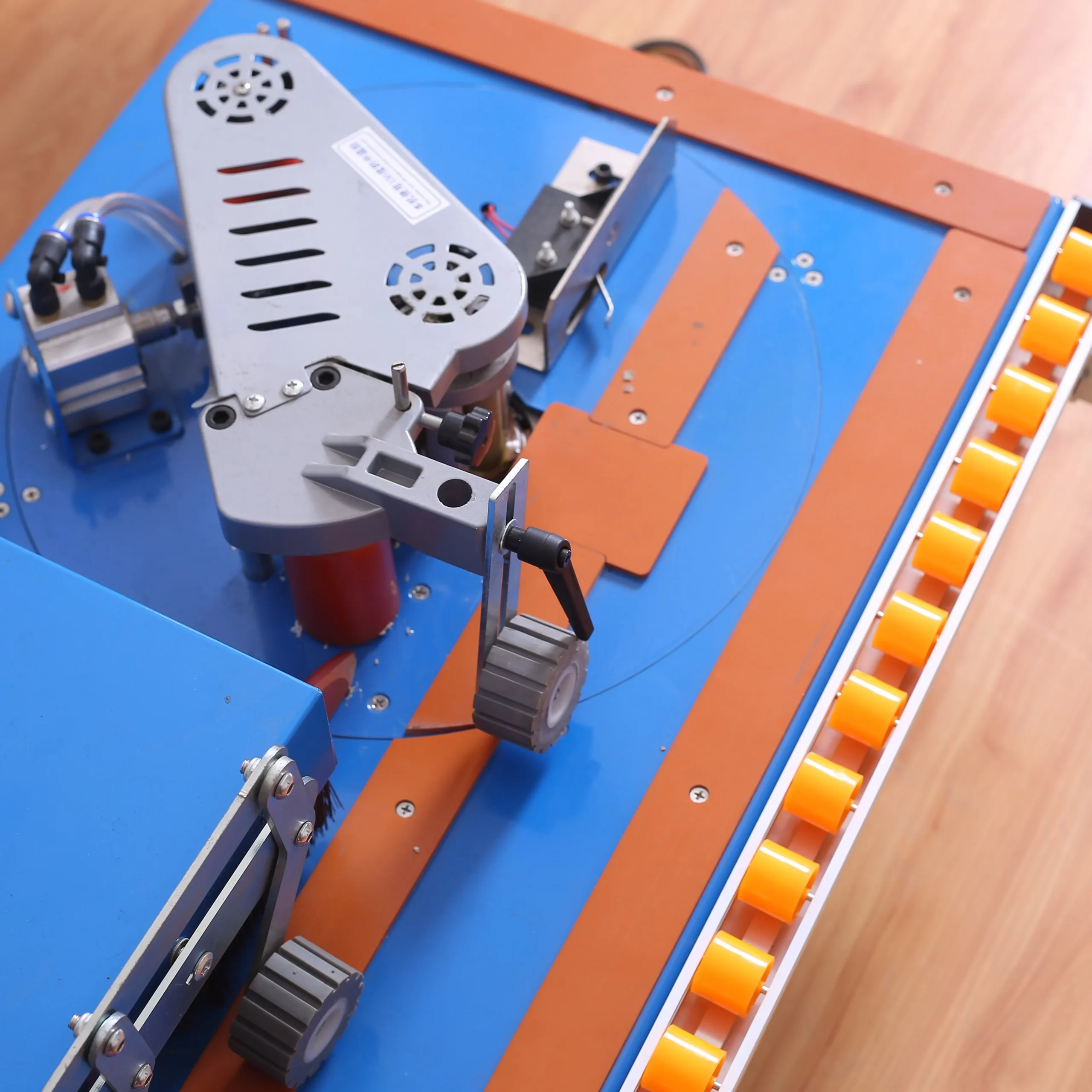
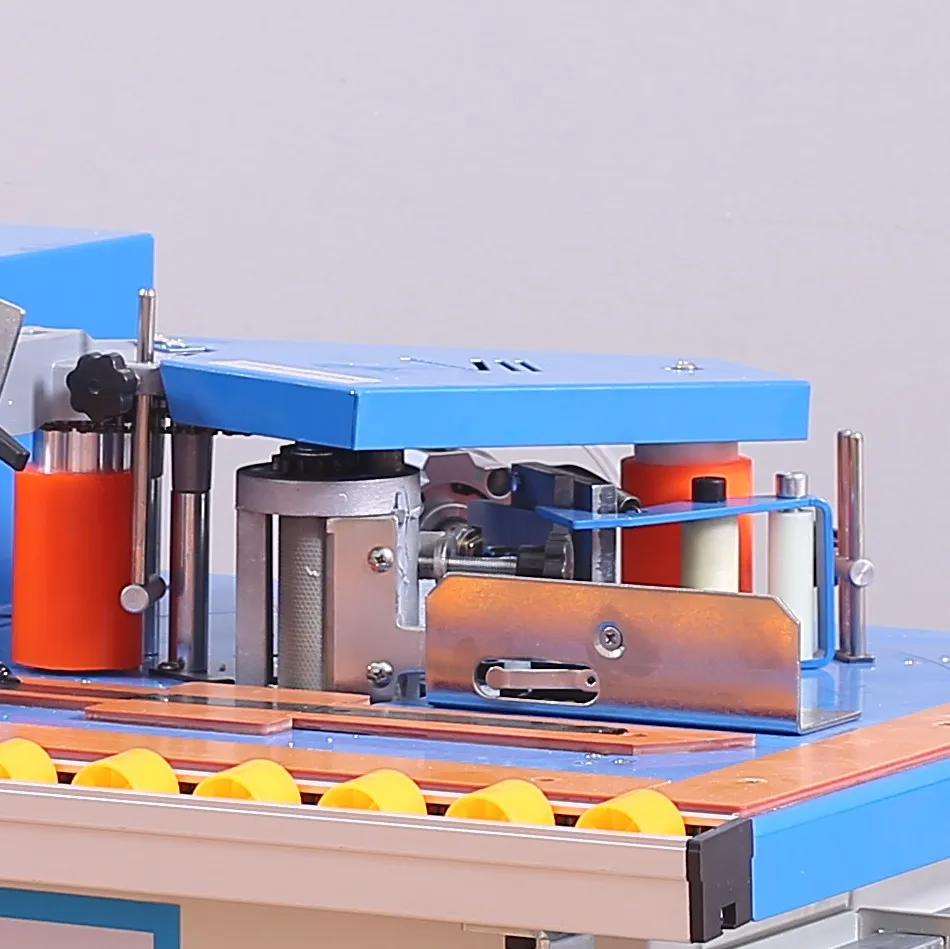
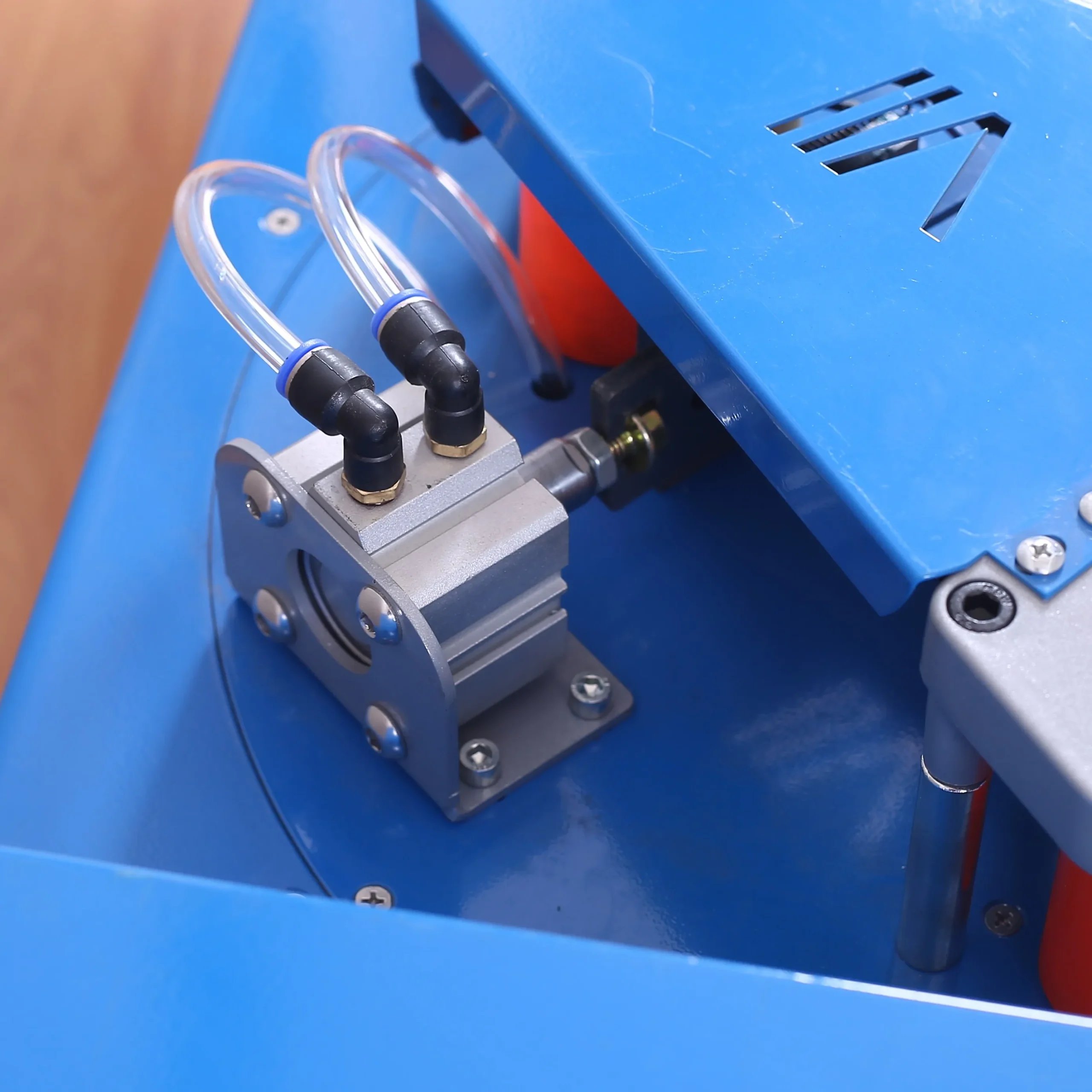
Description
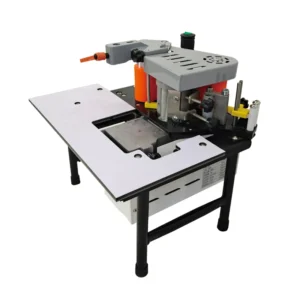
Stocked Configuration, Verified Before Dispatch — Every ZDSF120 unit leaves the warehouse only after its 220V electrical system is matched to your local frequency and a live edge-banding test is recorded on your specified panel material.
Technical Specifications
| Parameter | Value |
|---|---|
| Model | ZDSF120 |
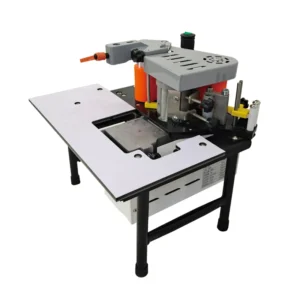
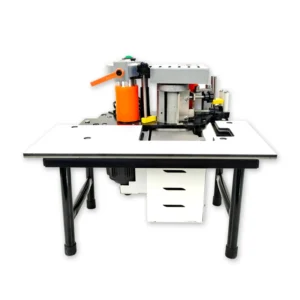
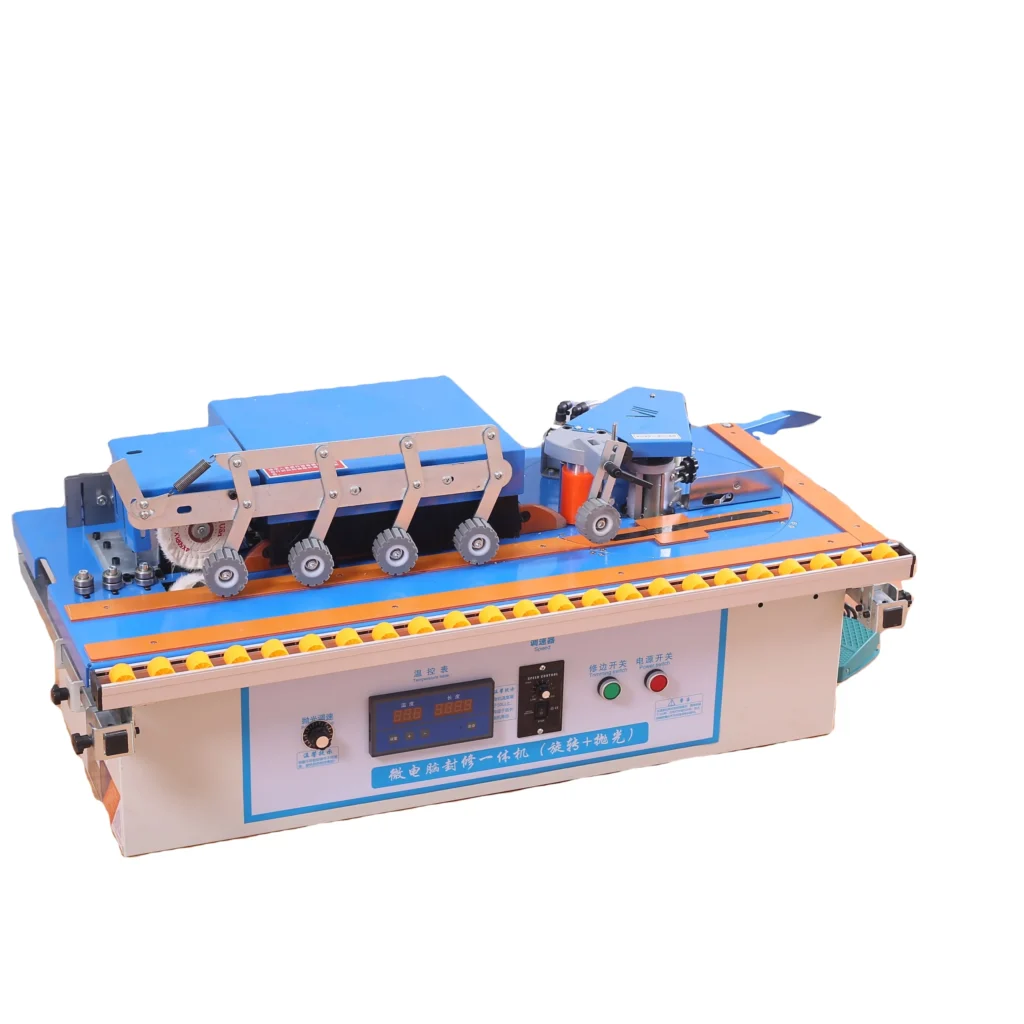
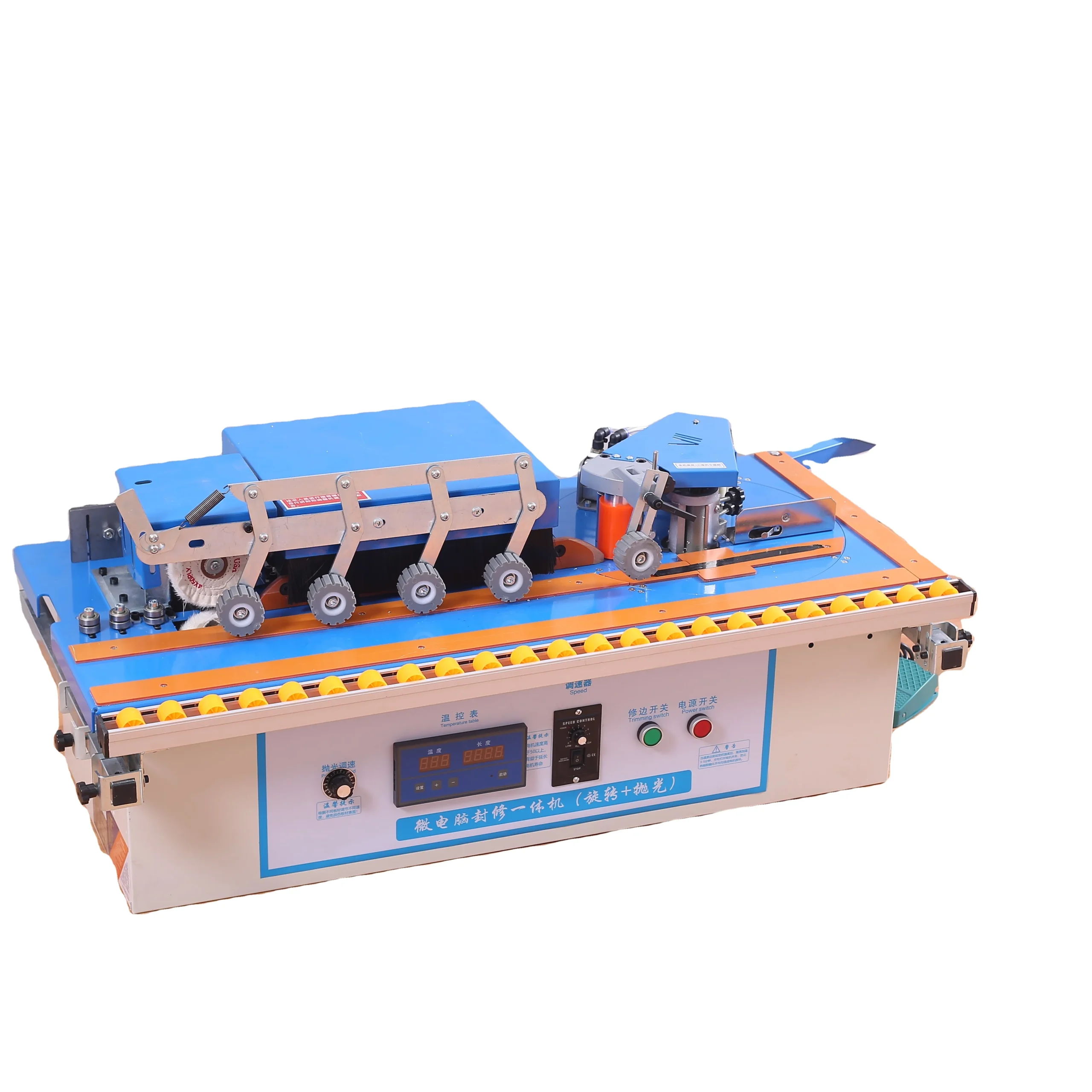
| Product Type | Portable Edge Banding Machine |
| Rated Power | 2.4 kW total (Heating 800W, Trimming 800W×2, Belt Feeding 25W) |
| Voltage & Frequency | 220V (50Hz/60Hz confirmation required before dispatch) |
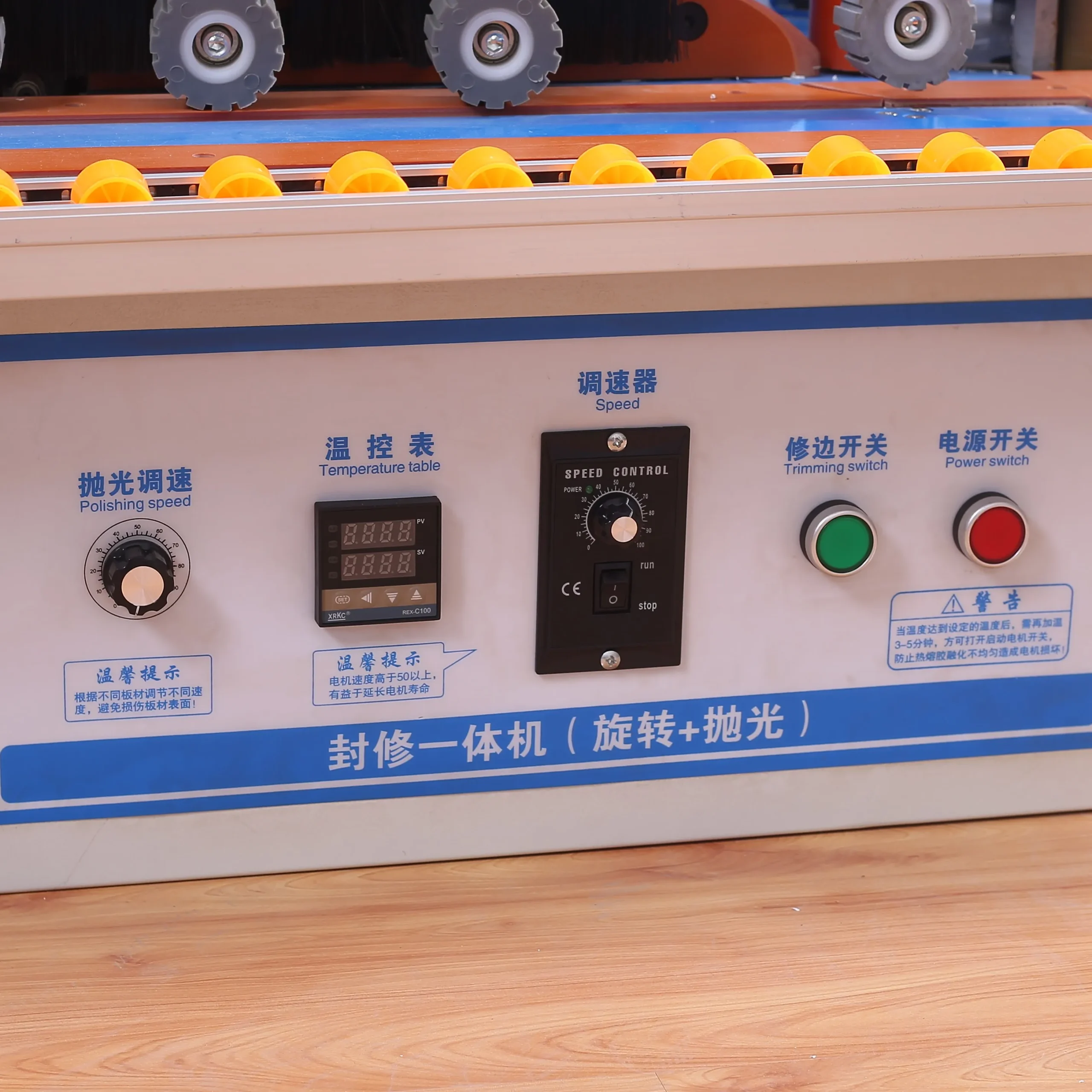
| Control System | Manual / Pneumatic |
| Overall Dimensions (L×W×H) | 105×50×45 cm |
| Net Weight | 45 kg |
| Sheet Thickness Range | 10–50 mm |
| Strip Thickness Range | 0.5–2 mm |
| Belt Feeding Speed | 0–14 m/min (basis not stated in source — confirm panel width / edge profile) |
| Air Supply Requirement | 0.4–0.6 MPa |
| Glue Pot Capacity | 1000 ml |
| Glue Heating Time | 5–10 min (source value — verify against manufacturer catalog) |
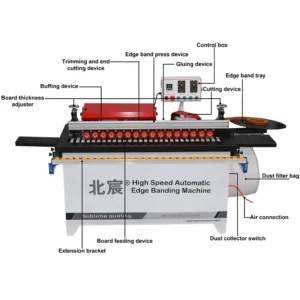
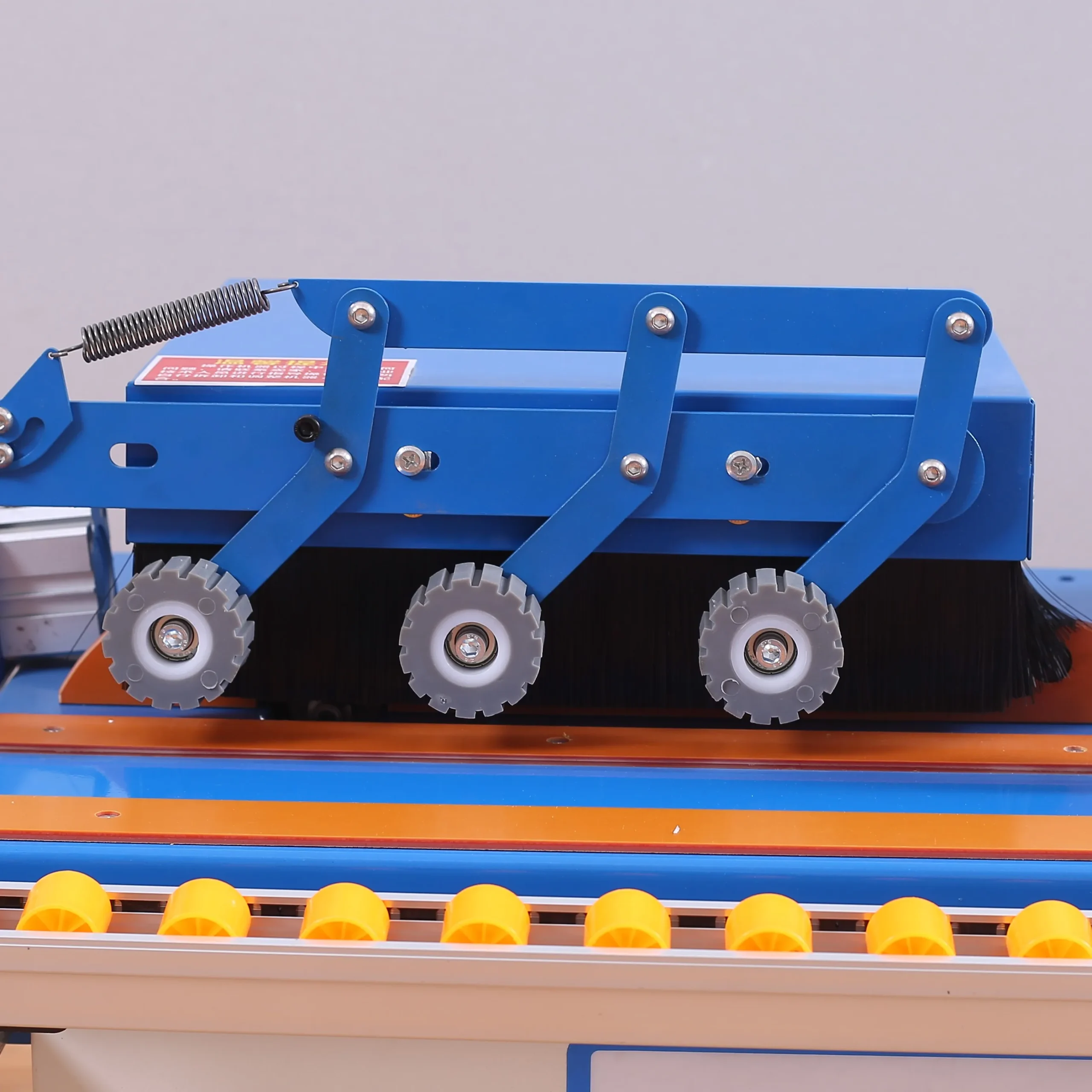
| Trimming Stations | Top and bottom trimming, pneumatic trim |
| Functions | Edge banding, trimming, polishing (all-in-one) |
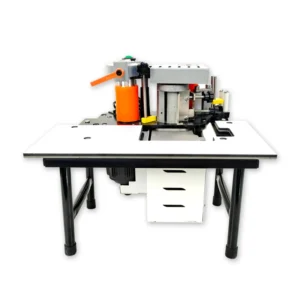
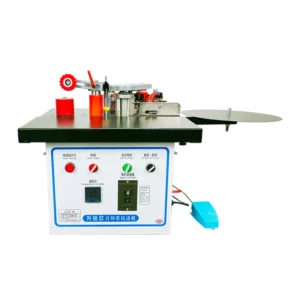
| Assembly State | Portable, tabletop format |
| Warranty | 1 Year (core components: 1 Year) |
Application Suitability
| Application | Material or Output |
|---|---|
| Small-batch custom furniture edging | MDF and particleboard panels with PVC strip |
| Handicraft and joinery workshop finishing | Plywood edges with wood veneer banding |
| On-site cabinet installation touch-up | Pre-cut melamine boards with 0.5–2 mm PVC |
| Prototype and sample room production | Solid wood panels requiring contoured edge application |
| Supplemental line support for varied panel sizes | Mixed substrate batches needing flexible portable edge banding |
Why the Voltage Question Must Come Before the Order
A 220V portable edge banding machine built for 50Hz will overheat and stall on a 60Hz supply — and the damage is rarely covered under warranty.
I learned this the hard way years ago in the Pearl River Delta. A customer received a fully automatic edge bander, plugged it in, and nothing happened. Their workshop ran on 60Hz. The machine sat idle for three weeks while we rebuilt the electrical cabinet from scratch. That single oversight cost the customer a production window and cost us credibility we had spent months earning. Since that day, I treat voltage and frequency confirmation as the first line item on every dispatch checklist — not an afterthought buried in shipping documents [NEED_CITE: voltage and frequency standards by export market]. When you source a Portable Edge Banding Machine in stock for fast delivery, the unit sitting in the warehouse may be configured for a completely different grid than yours. The ZDSF120 ships only after your local electrical specification is confirmed in writing and matched to the motor winding and heating element inside the unit.
Stocked Units, Configured to Your Grid
A ready-stock portable edge bander only serves you if it actually runs when it arrives. Our warehouse holds ZDSF120 units at various configuration stages, and final electrical assembly is completed against your confirmed 220V and frequency requirement. This means the heating element, feed motor, and pneumatic solenoids are all validated for your specific supply before the crate is sealed. You receive a voltage confirmation document alongside the machine, so your electrician can verify the match at the panel before first power-on.
Dispatch Speed Without the Guesswork
The appeal of a fast-order edge bander is obvious: you need edge finishing capability now, not in eight weeks. The ZDSF120 is compact enough to ship as a single crate via standard freight channels, and its 45 kg weight means no forklift is required at your receiving dock. Lead time from order confirmation to dispatch is measured in days rather than production cycles, provided your voltage and pneumatic supply details are settled upfront [NEED_CITE: typical freight lead times for single-unit woodworking machinery shipments]. We hold spare heating elements, trim blades, and feed belts in the same warehouse, so a replacement parts package can ride in the same crate.
Reading the Spec Sheet Against Your Workshop Reality
The 0–14 m/min belt feed speed gives operators fine control when applying thinner 0.5 mm PVC strips on delicate MDF edges, where a faster feed would cause misalignment or glue starvation. At the upper end of the sheet thickness range — 50 mm panels commonly used in workbench tops and shelving — the slower feed rate allows the 1000 ml glue pot to maintain consistent adhesive transfer across the full edge profile. The pneumatic trim system operating at 0.4–0.6 MPa delivers a clean end-cut that removes the need for hand-trimming with a utility knife, which is where most edge defects originate in small workshops. Top and bottom trimming in a single pass means the operator feeds the panel once and receives a finished edge, rather than flipping or re-fixturing the workpiece between stations. The 2.4 kW total power draw — split across heating, trimming, and feed motors — stays within the capacity of a standard single-phase workshop circuit, avoiding the need for a dedicated three-phase supply [NEED_CITE: single-phase power requirements for light woodworking machinery].
What Happens When You Skip the Compatibility Check
The cost of a misconfigured machine is never just the repair invoice. A Portable Edge Banding Machine in stock might look like a quick solution, but if the pneumatic trim solenoids are rated for a different pressure range than your compressor delivers, the end-cuts will tear rather than shear cleanly. If the control panel labels and manual arrive in a language your operator cannot read, commissioning stalls while you source translation. Panels that pass visual inspection but carry a 0.5 mm glue-line deviation will fail at the assembly bench, where dowel holes and hinge bores no longer align with the edged surface. These are not manufacturing defects — they are specification mismatches that surface only when the machine meets your actual production conditions.
Why Source This Unit Through Our Ready-Stock Channel
Every ZDSF120 dispatched from ruiqistore.com passes through a four-stage quality check covering incoming component verification, in-process assembly inspection, finished-unit functional testing, and pre-shipment validation on your specified panel material. Our in-house engineering team configures the voltage, pneumatic settings, and control language before the machine leaves the facility — not after it arrives at your dock. We stock spare trim blades, feed belts, and heating elements in the same warehouse as the machines, so a consumables kit ships with your order rather than arriving weeks later through a separate logistics chain [NEED_CITE: CE machinery directive requirements for portable woodworking equipment]. The patented cutting mechanisms in our full-size edge banders inform the trim geometry used in the ZDSF120, giving this portable unit a trim quality typically associated with floor-standing production models. Single-unit orders are standard here — no minimum order quantity, no container-load commitment.
Documentation & Verification
- Voltage and frequency confirmation sheet matched to your 220V supply
- Pre-shipment edge banding test record on your specified panel thickness and strip material
- Operation and maintenance manual in your agreed language with pneumatic trim settings
- Spare parts list with part numbers for trim blades, feed belts, and heating elements
- Packing photographs showing crate condition and accessory placement before dispatch
Installation, Commissioning & Support
- Tabletop placement requires a stable workbench rated for at least 60 kg including panel load
- Single-phase 220V circuit with dedicated breaker matching confirmed 50Hz or 60Hz supply
- Arrives fully assembled — connect pneumatic hose at 0.4–0.6 MPa and power on
- First-run glue temperature and feed speed calibration guided by included manual
- Replacement trim blades and feed belts available from stocked inventory for rapid reorder
- Daily glue pot cleaning and weekly pneumatic filter check per maintenance schedule
Before You Request a Quote
To match the right ZDSF120 configuration to your workshop, send us your panel substrate type and typical thickness range, the edge banding strip material and width you run most often, and your local voltage and frequency specification. If you are integrating this unit alongside existing saws or boring machines, let us know the feed height and throughput of those stations so we can advise on workflow positioning. We will respond with a configuration proposal and dispatch timeline within one working day.
Frequently Asked Questions
Q: What voltage and frequency options are available, and how do you confirm compatibility before shipping?
A: The ZDSF120 is configured for 220V operation, and we confirm whether your supply is 50Hz or 60Hz before final electrical assembly. A voltage confirmation document ships with the machine, and our pre-shipment test is conducted at your verified frequency to ensure the heating element and feed motor perform correctly under your grid conditions.
Q: What is the dispatch lead time for a single ZDSF120 from ready stock?
A: Once your voltage, frequency, and language requirements are confirmed, final configuration and pre-shipment testing are completed in a matter of days. Single-unit orders ship via standard freight without container-load commitments, and tracking details are provided at dispatch.
Q: Which edge banding materials and strip thicknesses does this model handle?
A: The ZDSF120 applies PVC, veneer, and melamine strips in the 0.5–2 mm thickness range. The adjustable belt feed speed and 1000 ml glue pot accommodate both thin decorative veneers and thicker PVC profiles used on MDF and particleboard panels.
Q: Does the machine require assembly on arrival, and what support is included?
A: The unit arrives fully assembled in tabletop format. You connect a pneumatic supply at 0.4–0.6 MPa and plug into your confirmed 220V circuit. The included manual covers first-run calibration of glue temperature and feed speed, with remote guidance available if needed.
Q: What spare parts are included, and how are replacements sourced after the warranty period?
A: Each shipment includes a starter set of consumable trim blades and feed belts. Replacement parts are stocked in our warehouse and can be ordered individually or as a kit, shipped through the same fast-dispatch channel used for the machine itself.